Chinese


2026: Gold Ore Processing: How to Choose the Right Shaking Table Model?
What is a Shaking Table?
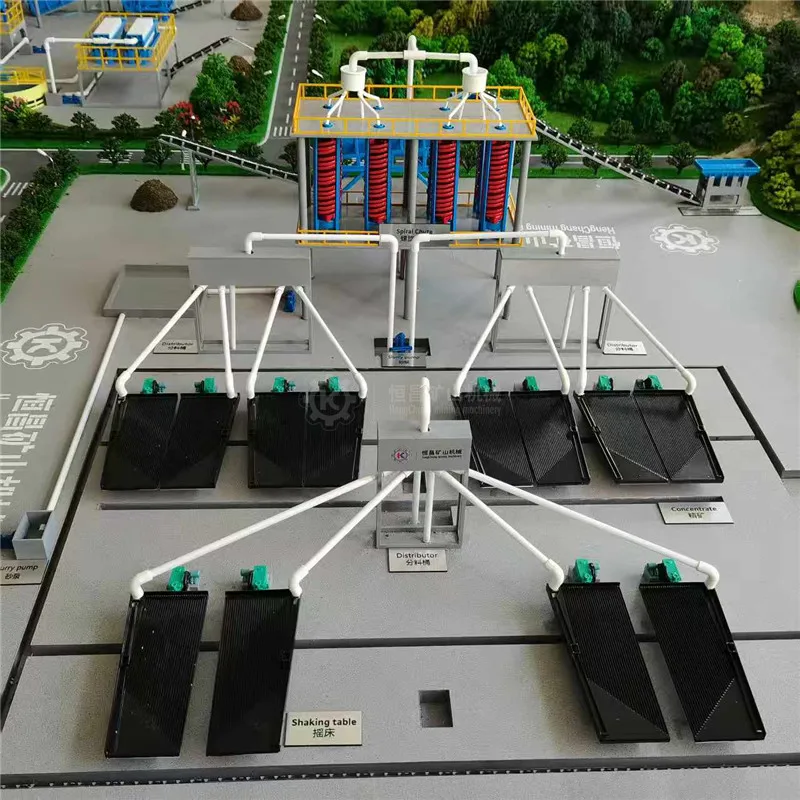
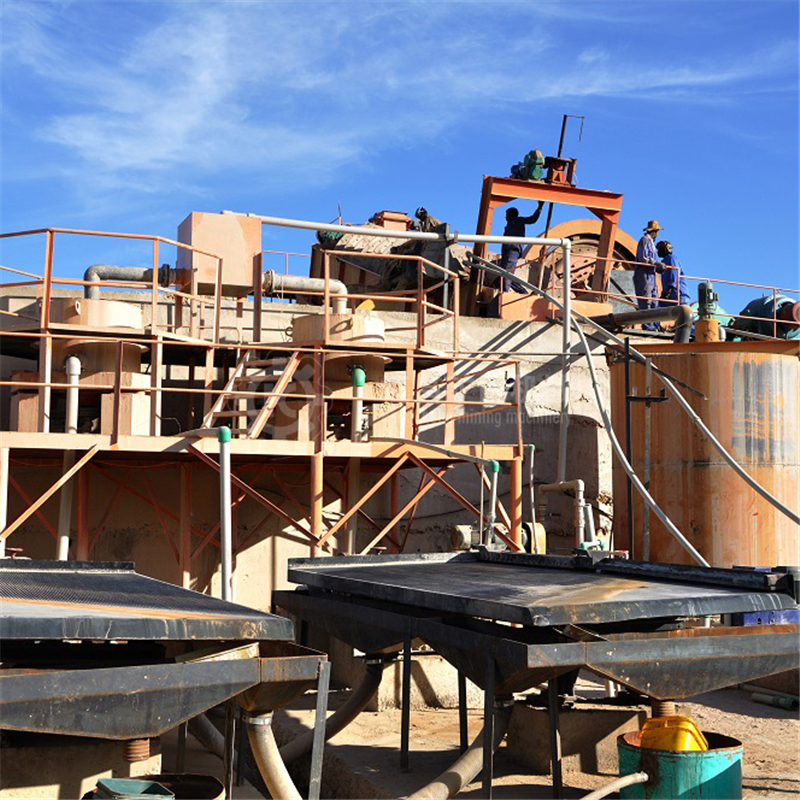
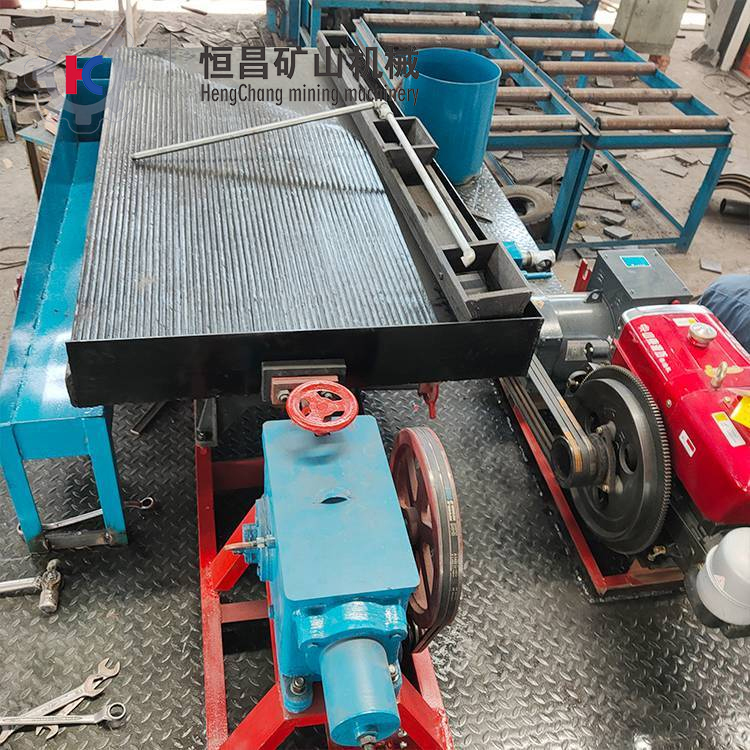
A shaking table, also known as a gravity separation table, is a key piece of equipment in gold ore processing. It uses the principle of gravity separation to separate valuable minerals from gangue (waste rock). The shaking table consists of a rectangular bed that is tilted and oscillated horizontally. Mineral particles are fed onto the table and are separated based on their specific gravity, size, and shape.
Real-World Cases at Home and Abroad
Domestic Case: Jiangxi Hengchang Mining Machinery Equipment
In China, Jiangxi Hengchang Mining Machinery Equipment has been a leader in providing high-quality shaking tables. Their shaking tables are widely used in small and medium-sized gold mines. For example, a small gold mine in Jiangxi Province used Hengchang's shaking table to increase its gold recovery rate by 15%. The mine owner said that the shaking table's stable performance and high efficiency made it an ideal choice for their operation.
International Case: South African Gold Mine
In South Africa, a large gold mine adopted a shaking table from a well-known international manufacturer. The mine was facing challenges with low recovery rates and high operating costs. After installing the shaking table, they saw a significant improvement in recovery rates and a reduction in operating costs. The mine manager noted that the shaking table's ability to precisely separate gold particles made it a valuable addition to their processing line.
How Does a Shaking Table Work?
The working principle of a shaking table is relatively simple but highly effective. Here’s a breakdown:
Feeding: The ore is fed onto the table through a feed box.Oscillation: The table is oscillated horizontally and tilted at a specific angle. This creates a complex motion that separates particles based on their density and size.
Separation: Lighter particles move towards the surface and are carried away by water, while heavier particles (like gold) settle at the bottom.
Collection: The separated gold is collected at the end of the table, while the waste rock is discharged at the other end.
Structural Features
Shaking tables typically have the following structural features:
Tilt Angle: Adjustable tilt angle to optimize separation.Oscillation Frequency: Variable frequency to control the intensity of oscillation.
Surface Texture: The table surface has a unique texture that helps in better separation.
Water Supply System: A reliable water supply system to maintain the necessary flow for separation.
Which Ores Are Suitable for Shaking Tables?
Shaking tables are most commonly used for processing gold, silver, tin, tungsten, and other heavy minerals. They are particularly effective for ores with a high specific gravity difference between the valuable minerals and the gangue.
Advantages of Using a Shaking Table
High Efficiency: Shaking tables can achieve high separation efficiency, especially for fine-grained minerals.Low Operating Costs: Compared to other separation methods, shaking tables have relatively low operating costs.
Environmentally Friendly: Shaking tables use water for separation, making them an environmentally friendly option.
Processing Capacity Parameters
The processing capacity of a shaking table depends on several factors, including the table size, oscillation frequency, tilt angle, and ore properties. Generally, a standard shaking table can process 1-3 tons of ore per hour. Larger tables or multiple tables can handle higher capacities.
Daily Operation and Maintenance
Operation Tips
Feed Uniformity: Ensure the ore feed is uniform to avoid overloading the table.Adjustment: Regularly adjust the tilt angle and oscillation frequency based on the ore properties.
Effectiveness: Continuously monitor the separation effectiveness and make adjustments as needed.
Maintenance Tips
Cleaning: Regularly clean the table surface to remove debris and scale.Inspection: Periodically inspect the table’s mechanical components for wear and tear.
Lubrication: Lubricate the moving parts regularly to ensure smooth operation.
Comparison with Other Beneficiation Equipment
Flotation Cells
Flotation cells are effective for separating minerals based on their surface properties. However, they require the addition of chemicals and are generally more complex and costly to operate compared to shaking tables.
Spiral Concentrators
Spiral concentrators are suitable for coarse-grained minerals and are relatively simple to operate. However, they may not be as effective for fine-grained minerals as shaking tables.
Centrifugal Concentrators
Centrifugal concentrators are highly efficient for fine-grained minerals but are more expensive and require more maintenance compared to shaking tables.
Application Scenario Summary
Shaking tables are ideal for small to medium-sized mines and for processing fine-grained minerals. They are particularly effective for gold, silver, tin, and tungsten ores. Their simplicity, low operating costs, and high efficiency make them a popular choice in the mining industry.
Conclusion
Choosing the right shaking table model is crucial for efficient gold ore processing. Consider factors such as ore properties, processing capacity, and operating costs when making your selection. Brands like Jiangxi Hengchang Mining Machinery Equipment offer high-quality shaking tables that can significantly improve your mining operations. By understanding the working principle, structural features, and advantages of shaking tables, you can make an informed decision and optimize your gold ore processing.
Remember, the key to successful gold mining lies in the right equipment choice and proper operation and maintenance. Happy mining!