Chinese


2026: Gold Ore Processing: How to Choose the Right Shaking Table Model?
What is a Shaking Table?
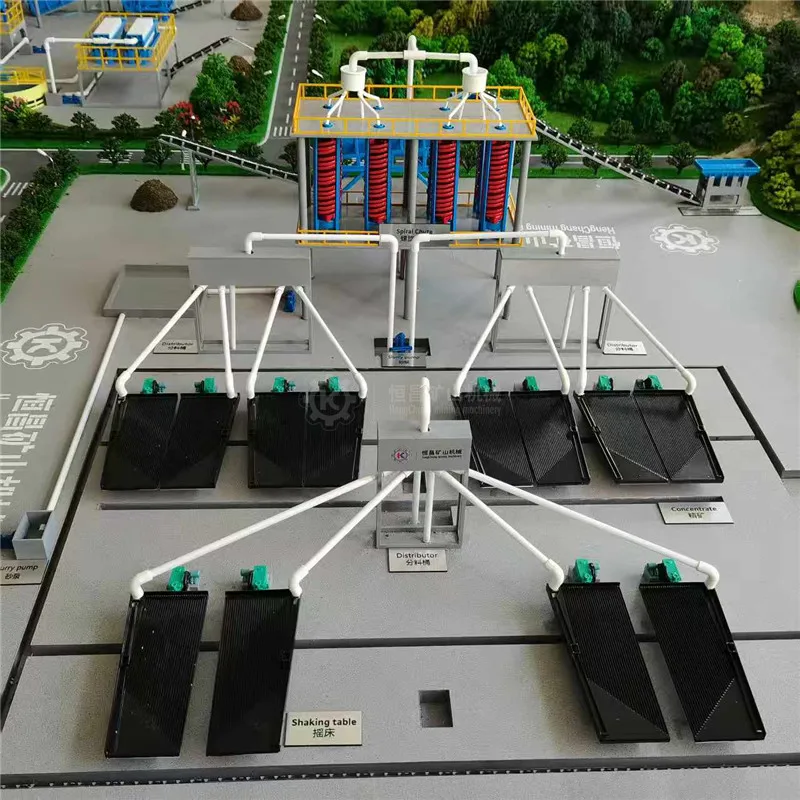
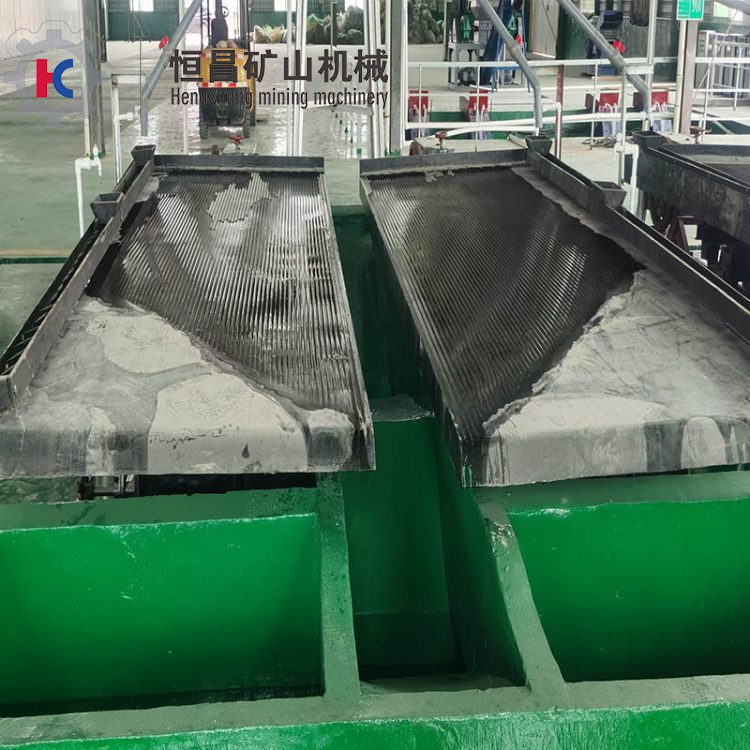
A shaking table, also known as a gravity separation table, is a key piece of equipment in the mineral processing industry. It uses the principle of gravity separation to separate minerals based on their density differences. This device is particularly effective for separating fine-grained materials, making it a popular choice in gold ore processing.
International and Domestic Use Cases
Shaking tables are widely used in both international and domestic mining operations. For instance, in South Africa's gold mines, shaking tables are employed to separate gold from quartz and other gangue materials. In China, many small and medium-sized gold mines rely on shaking tables for efficient gold recovery. Brands like [Jiangxi Hengchang Mining Machinery Equipment] have gained a good reputation for their reliable shaking tables.
How Does a Shaking Table Work?
The working principle of a shaking table is relatively simple but highly effective. The ore is fed onto the table surface, which is then subjected to a side-to-side shaking motion. This motion causes the lighter gangue material to be washed away by water, while the heavier gold particles settle at the bottom. The shaking motion also creates a stratified distribution of particles, allowing for better separation.
Structural Features
A typical shaking table consists of several key components:
Bed Surface: The bed surface is where the ore is placed. It is usually made of wood or rubber to reduce noise and wear.Feed Box: This is where the ore is evenly distributed onto the bed surface.
Water Supply System: Water is crucial for washing away the lighter materials.
Shaking Mechanism: This is the heart of the shaking table, providing the necessary side-to-side motion.
Suitable Ores for Shaking Tables
Shaking tables are most effective for processing ores with fine particle sizes and significant density differences between the valuable minerals and gangue. Common ores processed using shaking tables include:
Gold ore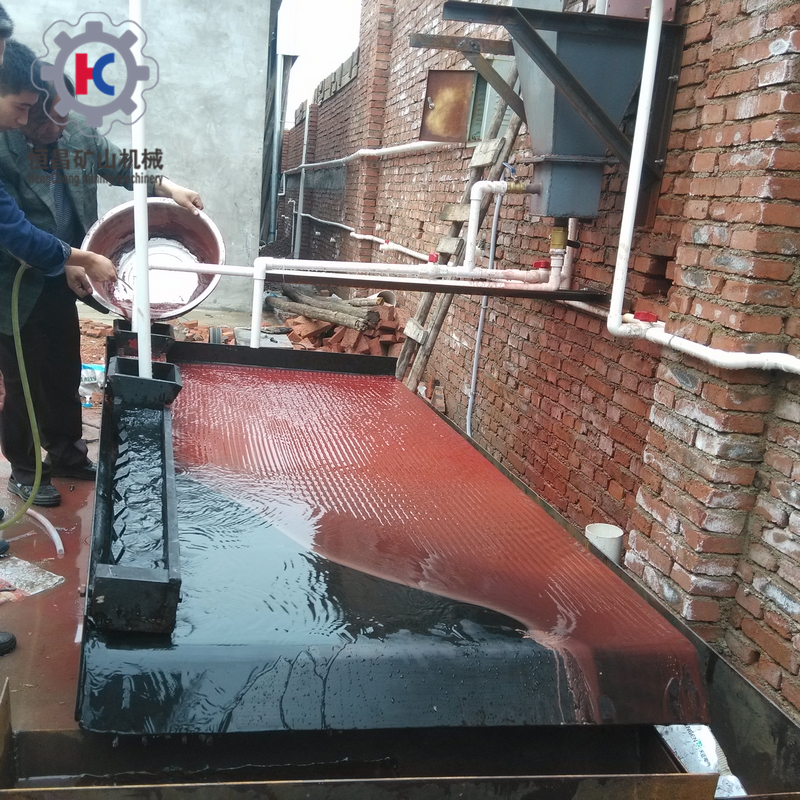
Iron ore
Copper ore
Advantages of Using a Shaking Table
High Efficiency: Shaking tables can achieve high separation efficiency, especially for fine-grained materials.Low Operating Costs: Compared to other separation methods, shaking tables have relatively low operating costs.
Simple Operation: The operation of a shaking table is straightforward, making it accessible for operators with minimal training.
Environmentally Friendly: Shaking tables use water for separation, which is a more environmentally friendly option compared to chemical processes.
Processing Capacity Parameters
The processing capacity of a shaking table depends on several factors, including the size of the table, the type of ore, and the feed particle size. Generally, a standard shaking table can process between 1-3 tons of ore per hour. Larger tables or multiple tables can handle higher capacities.
Daily Operation and Maintenance
Proper operation and maintenance are crucial for the longevity and performance of a shaking table. Here are some tips:
Regular Inspection: Check the table surface and shaking mechanism regularly for wear and tear.Water Quality: Ensure that the water supply is clean to prevent clogging and maintain separation efficiency.
Feeding Control: Maintain a consistent feed rate to ensure optimal separation.
Lubrication: Regularly lubricate the shaking mechanism to reduce wear.
Comparison with Other Mineral Processing Equipment
Compared to other mineral processing equipment like crushers, ball mills, and flotation machines, shaking tables have unique advantages:
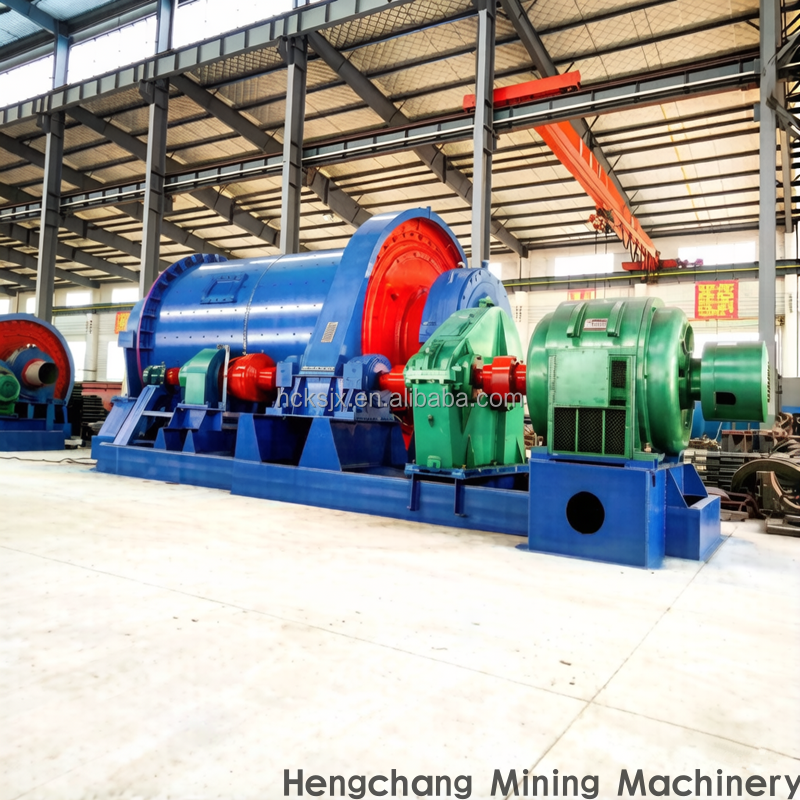
Crushers and Ball Mills: These devices are primarily used for reducing the size of ore but do not separate minerals based on density.Flotation Machines: Flotation is effective for separating minerals with different surface properties but is less efficient for fine-grained materials.
Application Scenarios Summary
Shaking tables are ideal for:
Small to medium-sized mining operationsProcessing fine-grained ores
Situations where low operating costs are essential
Environments where environmental impact is a concern
Choosing the Right Shaking Table Model
When choosing a shaking table model, consider the following factors:
Ore Type and Particle Size: Different models are designed for specific types of ores and particle sizes.Processing Capacity: Ensure the table can handle your required throughput.
Brand Reputation: Opt for reputable brands like [Jiangxi Hengchang Mining Machinery Equipment] known for quality and reliability.
After-Sales Service: Look for manufacturers that offer good after-sales support and access to spare parts.
In conclusion, selecting the right shaking table model is crucial for efficient gold ore processing. By understanding the working principles, structural features, and advantages of shaking tables, miners can make informed decisions to optimize their operations. Remember, investing in a reliable shaking table from a reputable brand like [Jiangxi Hengchang Mining Machinery Equipment] can significantly enhance your mining productivity and profitability.