Chinese


Triple-Roller Magnetic Separator Enhances Ilmenite and Monazite Recovery from Nigeria’s Coastal Sands
Triple-Roller Magnetic Separator Enhances Ilmenite and Monazite Recovery from Nigeria’s Coastal Sands
A decisive factor simplifying this task is their stark contrast in magnetic susceptibility. Leveraging this difference, the three-roller dry magnetic separator is emerging as a practical, energy-efficient solution for Nigerian processors seeking to upgrade beach sand concentrates without costly wet circuits.
Why Magnetic Separation Works Here
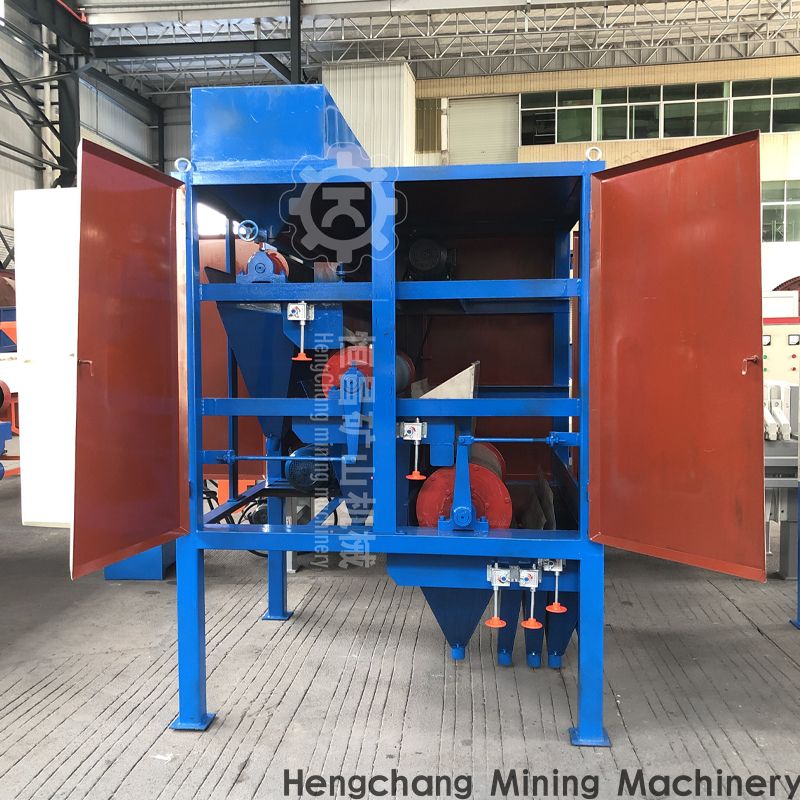
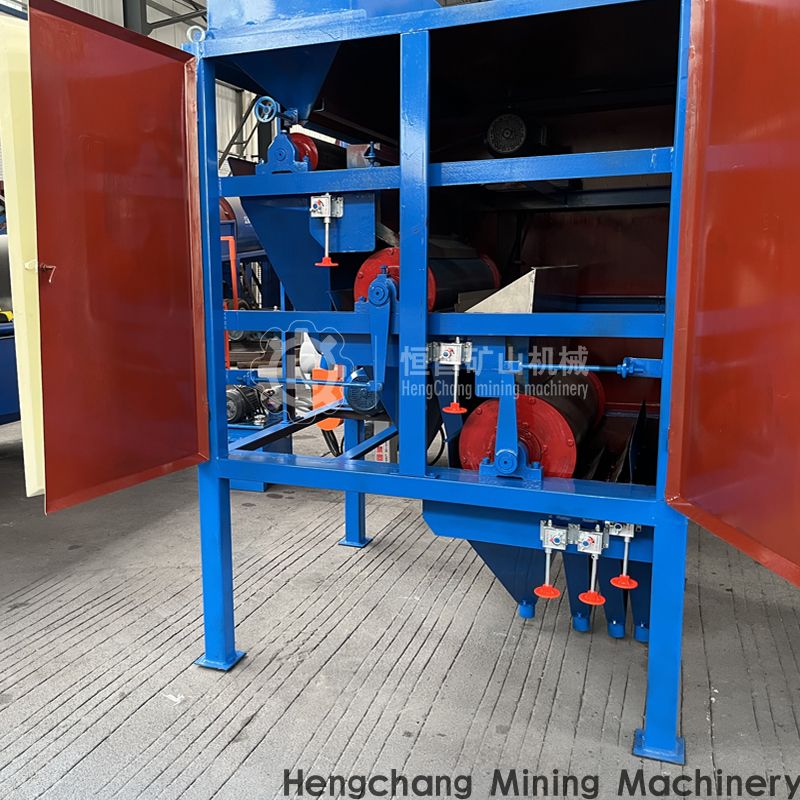
Inside the Three-Roller Dry Magnetic Separator
- Three independent magnetic rollers, each equipped with a permanent magnet system;
- Variable-speed feeding device, ensuring uniform material distribution;
- Splitters and collection chutes positioned beneath each roller;
- Centralized drive system synchronizing roller rotation and material flow.
Each roller generates a static magnetic field, with intensity increasing along the material travel direction. This staged gradient allows operators to isolate minerals based on subtle magnetic differences—a critical advantage when processing fine, mixed heavy mineral sands.
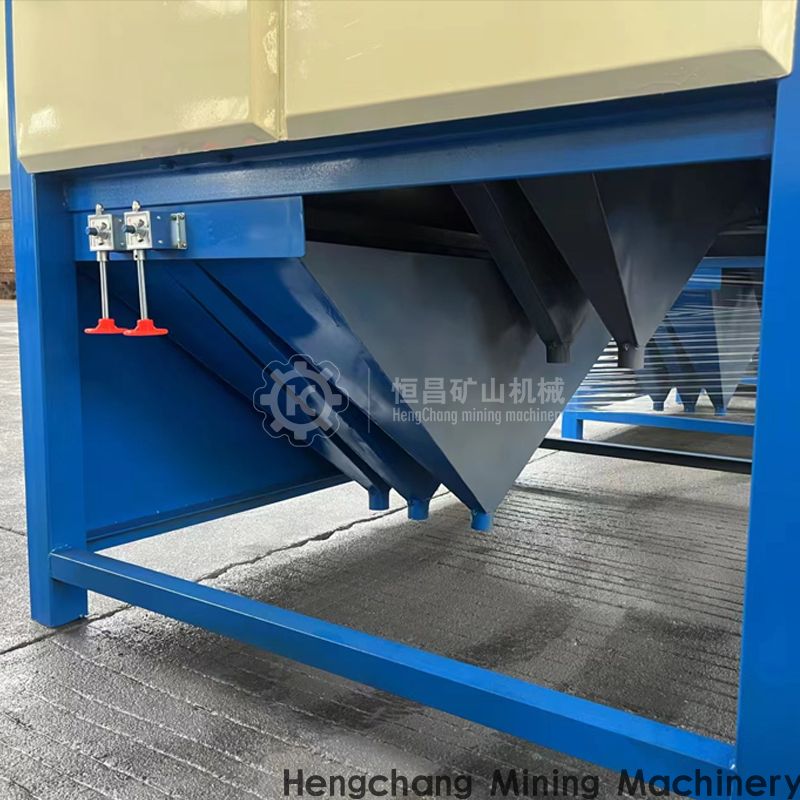
The Three-Stage Separation Sequence
- First Roller – Low Intensity (Weak Field)Removes highly magnetic minerals such as magnetite and minor ferrosilicon contaminants. This protects downstream equipment and prevents dilution of valuable heavy minerals.
- Second Roller – Medium IntensityCaptures ilmenite, which responds to intermediate field strengths. The separated ilmenite product is directed to a dedicated collection bin, ready for acid leaching or further upgrading.
- Third Roller – High Intensity (Strong Field)Recovers monazite, whose stronger magnetic response ensures retention even after ilmenite removal. The resulting monazite concentrate typically meets export-grade specifications for rare earth processors.
Non-magnetic gangue minerals—including quartz, zircon, and silica—are rejected after the third stage, minimizing waste streams.
Operational and Environmental Benefits
- Dry Processing: Eliminates water consumption and associated sludge management, aligning with arid-site operations and tightening environmental regulations.
- Modular Design: Compact footprint allows integration into existing mineral sands circuits with minimal civil works.
- Low Operating Costs: Permanent magnets require no external power for field generation; maintenance focuses primarily on bearing lubrication and belt tensioning.
- High Selectivity: Precise field staging reduces misplacement of ilmenite into monazite streams and vice versa, protecting product purity.