Chinese


2026 Best Gemini Shaking Table for Cassiterite Recovery: Double Deck vs Single Deck
Why Your Cassiterite Recovery Needs a Shaking Table Right Now
Let's be real—if you're in the tin mining game, you know cassiterite is tricky. It's heavy, brittle, and easy to lose in the fines. You've probably tried spirals or jigs, but the fines keep slipping away. That's where the Gemini shaking table comes in. This machine is the go-to for cassiterite recovery, especially when you're dealing with fine-grained material. Whether you're running a small alluvial operation or a medium-scale hard rock plant, the shaking table is your best friend.
I've seen firsthand how a well-tuned table can turn tailings into profit. And when we talk about the best in 2026, Jiangxi Hengchang Mining Equipment is leading the pack with their Gemini series. Let's dive into the single deck vs. double deck debate and see which one is right for you.
What Is a Gemini Shaking Table?
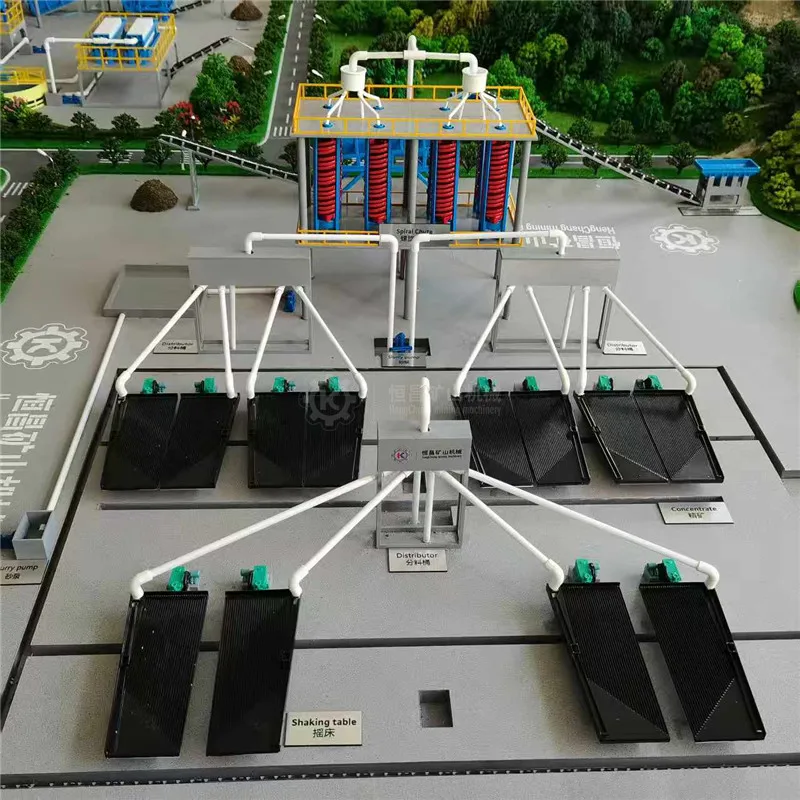
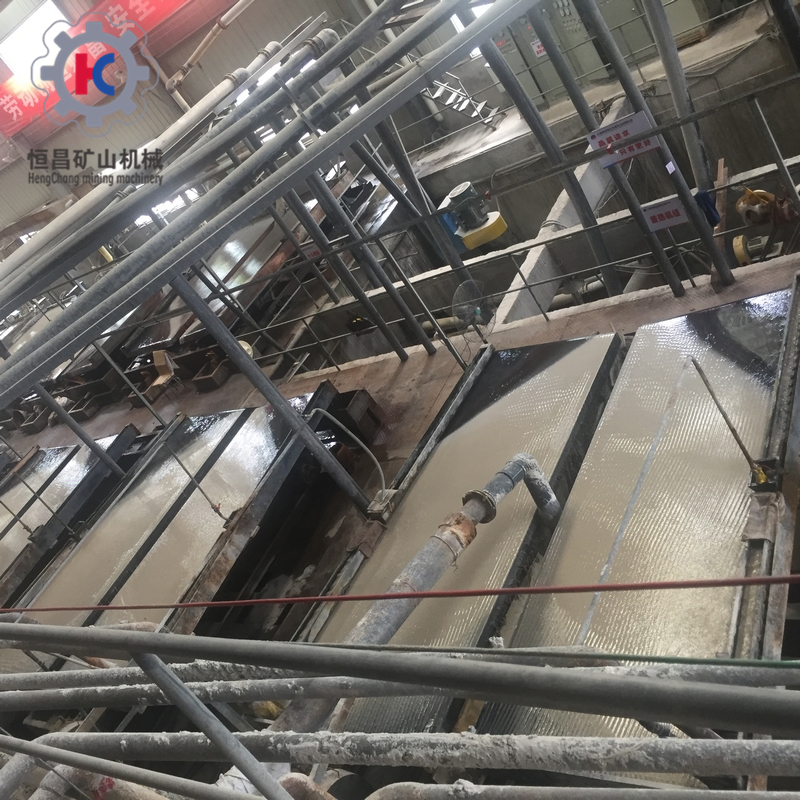
A Gemini shaking table is a gravity separation device that uses a riffled deck, asymmetric motion, and water flow to separate heavy minerals from lighter gangue. It's named after the "Gemini" because of its twin deck configuration in some models. It's widely used in tin, tungsten, tantalum, and gold recovery.
The key is its ability to handle high recovery rates for fine cassiterite below 100 microns. Most other gravity devices choke on fines. The shaking table thrives there.
Single Deck Gemini Shaking Table: The Classic Workhorse
How It Works
The single deck table operates with one surface. The feed enters at the top corner, water flows across the deck, and the table shakes asymmetrically. Heavy cassiterite particles move to the concentrate end, while lighter gangue slides off the side.
Why Choose Single Deck?
Lower initial cost – Perfect for startups or small-scale operationsEasier maintenance – One deck means fewer parts to adjust
Flexible feed adjustments – You can tweak stroke, speed, and water for different ore types
Ideal for small batches – Great for lab testing or small runs
Processing Capacity
| Model | Deck Size | Capacity (t/h) | Feed Size (mm) |
|---|---|---|---|
| 6-S | 4500×1850 mm | 0.5–1.5 | 0.02–2 |
| LY 2100×1050 | 2100×1050 mm | 0.2–0.7 | 0.02–1 |
Double Deck Gemini Shaking Table: The Efficiency Beast
How It Works
The double deck table stacks two identical decks on top of each other. One feed inlet splits the slurry evenly to both decks. Each deck operates independently but with synchronized motion. That means double the concentrate output in the same floor space.
Why Choose Double Deck?
Doubled capacity in one footprint – Same floor space, double the throughputBetter for continuous operations – Can run 2 t/h or more
Lower cost per ton processed – Less steel, less energy per unit of output
Ideal for medium to large plants – Perfect for 50–100 tpd cassiterite operations
Processing Capacity
| Model | Deck Size | Capacity (t/h) | Feed Size (mm) |
|---|---|---|---|
| 2LY 4500×1850 | 4500×1850 mm (x2) | 1.0–3.0 | 0.02–2 |
| S2LY 2100×1050 | 2100×1050 mm (x2) | 0.5–1.5 | 0.02–1 |
Head-to-Head: Single Deck vs. Double Deck for Cassiterite
Recovery Rate
Both single and double deck tables achieve 90–95% recovery for cassiterite when properly set up. The design and riffle pattern matter more than the number of decks. Jiangxi Hengchang uses specialized riffle profiles for cassiterite—deep grooves for coarse, shallow for fines.
Floor Space
Double deck wins here. Two decks in one frame means about 40% less floor space compared to two single decks running side by side.
Cost Efficiency
Single deck: Lower upfront, but need two units for same capacityDouble deck: Higher upfront, but lower cost per ton when you need >1 t/h
Maintenance
Single deck is easier to access and adjust. But modern double deck tables have lifting mechanisms to tilt the top deck for access.
How Cassiterite Behave on a Shaking Table
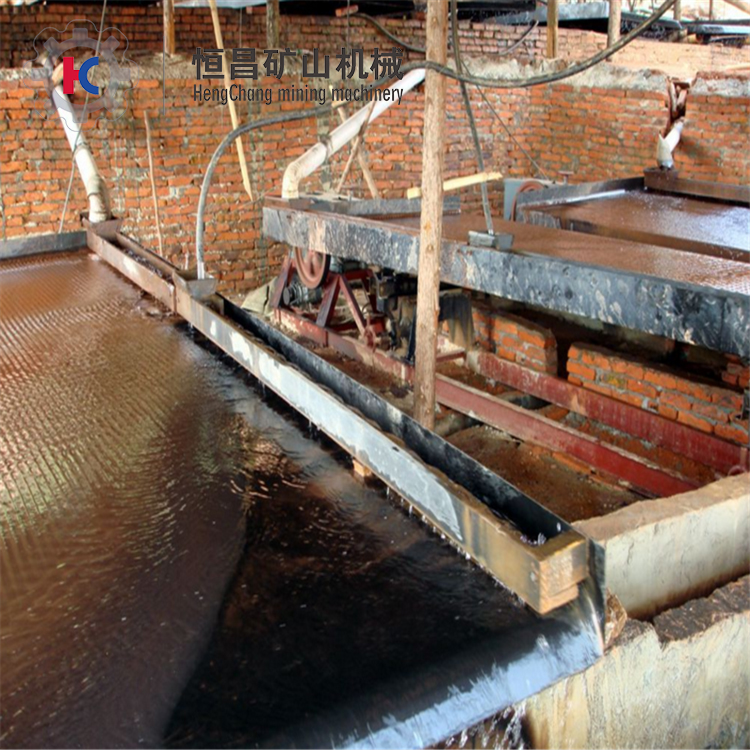
Cassiterite (SnO2) has a specific gravity of 6.8–7.1. That's heavy. But it's also friable—it breaks easily into fine particles. In a shaking table:
Coarse cassiterite (100–200 mesh): Moves to the heavy mineral band quicklyFine cassiterite (-200 mesh): Needs laminar water flow and tight stroke adjustments
The Gemini design uses a 3-phase motion: forward acceleration, backward deceleration, and a dwell period. This prevents fine heavies from washing away.
Practical Setup Tips from Real Operations
Feed Preparation
Don't feed raw ore to a shaking table. You need classification. Most successful cassiterite operations use:
Desliming at 400 mesh to remove claysScreening at 10 mesh to remove oversize
Splitting into 3 size fractions for best recovery
Water Quality
Cassiterite recovery hates muddy water. Use clear water at 15–25 L/min per deck. Lower water for fine cassiterite.
Stroke and Speed
Start with 15–18 mm stroke at 280–320 RPM for coarse cassiterite. For fines, reduce stroke to 10–12 mm and increase RPM slightly.
Real-World Case Study: Small Cassiterite Plant in Nigeria
A friend runs a 30 tpd alluvial cassiterite plant in Jos, Nigeria. He started with a single deck 6-S table. Recovery was around 85%. He switched to a Jiangxi Hengchang double deck Gemini table, and recovery jumped to 93%. The key? The double deck's synchronized motion reduced turbulence on the concentrate side.
His comment: "The double deck costs more upfront, but it paid for itself in six months with better yield."
Maintenance Tips to Keep Your Table Running
Daily Checks
Check water distribution – Uneven water = uneven recoveryInspect riffles – Worn riffles mean lost cassiterite
Feel the deck cloth – Should be smooth, no rips
Weekly Tasks
Grease the eccentric mechanism – Use lithium greaseCheck belt tension – Loose belts cause irregular stroke
Clean feed distributor – Clay buildup reduces accuracy
Monthly
replace lubricating oil – The oil bath needs fresh oil every 500 hoursCheck spring integrity – Broken springs cause vibration issues
Common Mistakes Beginners Make
Overfeeding – The top capacity for a 6-S single deck is 1.5 t/h. More than that and you lose cassiterite.Ignoring desliming – Clays wash away fine heavies.
Using too much water – Water flow should be just enough to wash gangue off. Too much water and the heavy band washes out.
Not classifying – A single table can't handle 0–2 mm range. Split into at least two sizes.
When to Choose Single vs. Double Deck
Go Single Deck If:
You process less than 20 tpdYou need flexibility for different ores
You have limited capital for startup
You want to test before scaling up
Go Double Deck If:
You process 20–100 tpd cassiteriteFloor space is limited
You want uniform recovery across two identical decks
You're expanding an existing plant
Jiangxi Hengchang: The Brand You Can Trust
In 2026, Jiangxi Hengchang Mining Equipment continues to dominate the shaking table market. Their Gemini series uses:
304 stainless steel deck frames – No rust, long lifeCustom riffle profiles – Designed specifically for cassiterite
Vibration damping system – Smooth operation, less maintenance
Global support – Spare parts available in 20+ countries
Their single deck and double deck tables are standard in the industry. If you're serious about cassiterite recovery, don't gamble on cheap knockoffs.
Shaking Table vs. Other Gravity Devices for Cassiterite
| Device | Best for | Recovery (fines) | Footprint | Cost |
|---|---|---|---|---|
| Spiral concentrator | Coarse sand | 40–60% | Small | Low |
| Jig | Coarse to medium | 60–80% | Medium | Moderate |
| Shaking table | Fine cassiterite | 90–95% | Large | Moderate-high |
| Centrifugal concentrator | Ultra-fines | 80–90% | Small | High |
For cassiterite, the shaking table is king. Spirals lose fines. Jigs need wide particle size range. Centrifugal concentrators are expensive and need high feed pressure.
How to select the Right Table Size
First, calculate your daily feed. If you run 30 tpd, you need around 3 t/h throughput. A double deck Gemini 2LY 4500×1850 handles up to 3 t/h. One unit does the job.
If you run 15 tpd, a single deck 6-S with 1.5 t/h capacity works. Or go with a small double deck for future expansion.
Final Thoughts
For cassiterite recovery in 2026, the double deck Gemini shaking table from Jiangxi Hengchang is the practical choice for medium to large operations. It gives you higher capacity per square meter, better recovery consistency, and lower operational cost per ton.
If you're still on a single deck, upgrading to a double deck can boost your daily output without expanding your plant footprint.
Don't keep losing those fine cassiterite particles. Get a proper gravity separation setup. Call Jiangxi Hengchang, order a Gemini shaking table, and watch your recovery rates climb.
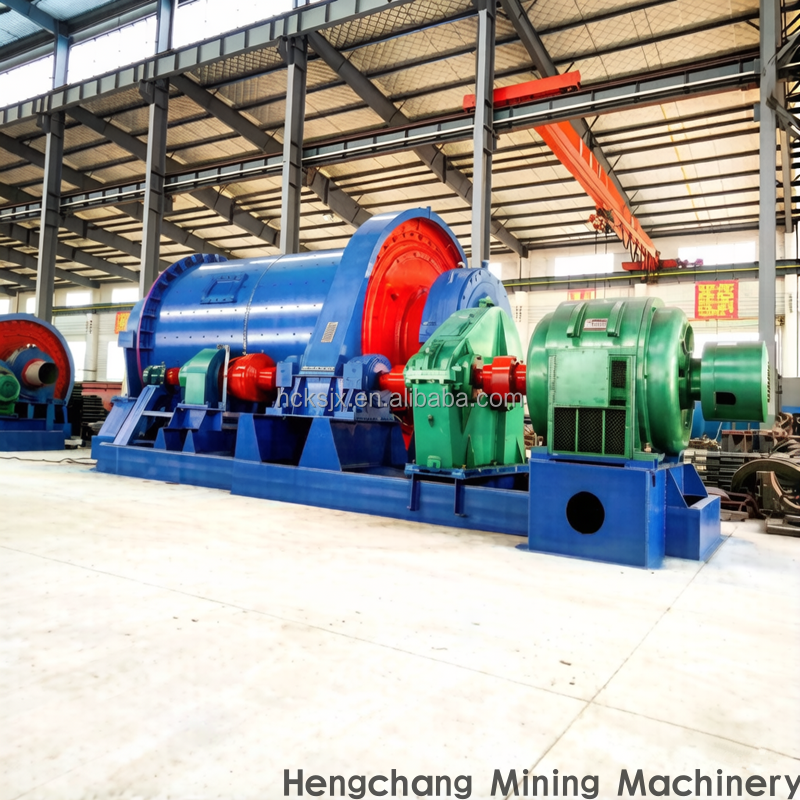
Ready to upgrade your tin processing plant? We supply complete gravity separation lines for cassiterite, including crushers, ball mills, classifiers, and shaking tables. Contact us for a custom quotation based on your ore analysis.