Chinese


2026 6S Shaking Table for Tin Ore: How to Maximize Recovery Rate & Reduce Cost per Ton
Hey, fellow miners and plant operators. If you’re dealing with tin ore, you know the struggle: low grade, complex mineralogy, and ever-rising processing costs. You need a machine that can pull the heavy stuff, handle the fines, and still keep your per-ton cost under control.
That’s where the 2026 model 6S shaking table from Jiangxi Hengchang Mining Machinery comes in. We’re not just talking about a classic gravity separator – we’re talking about a finely tuned, field-proven piece of equipment designed to squeeze every last gram of cassiterite out of your feed.
Let’s get straight into the nitty-gritty: how this table can boost your recovery rate by up to 5-8% compared to older models, and how it slashes your operational costs.
What is a 6S Shaking Table? (A Quick Round)
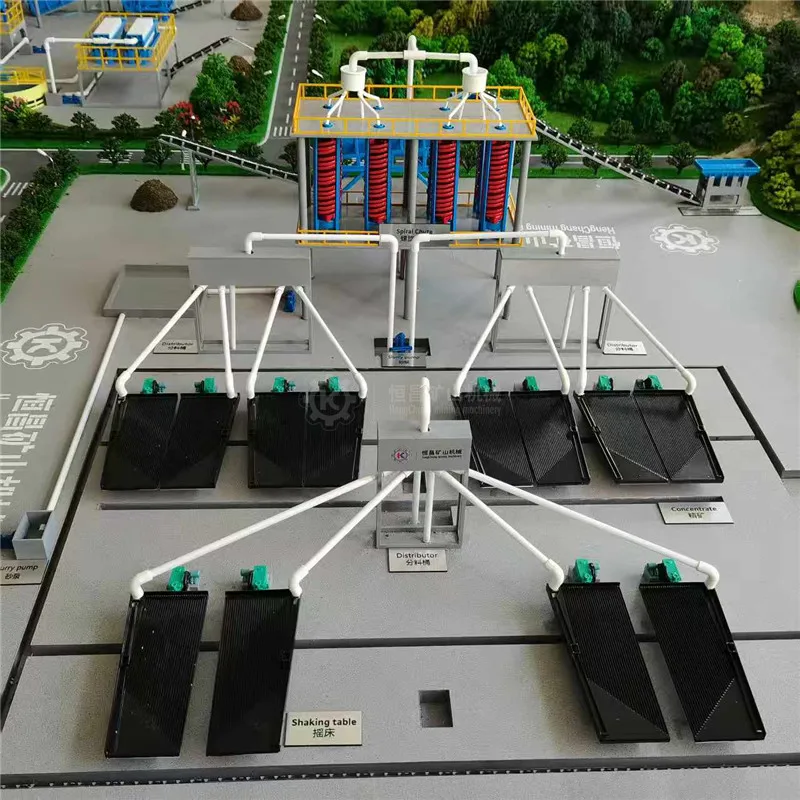
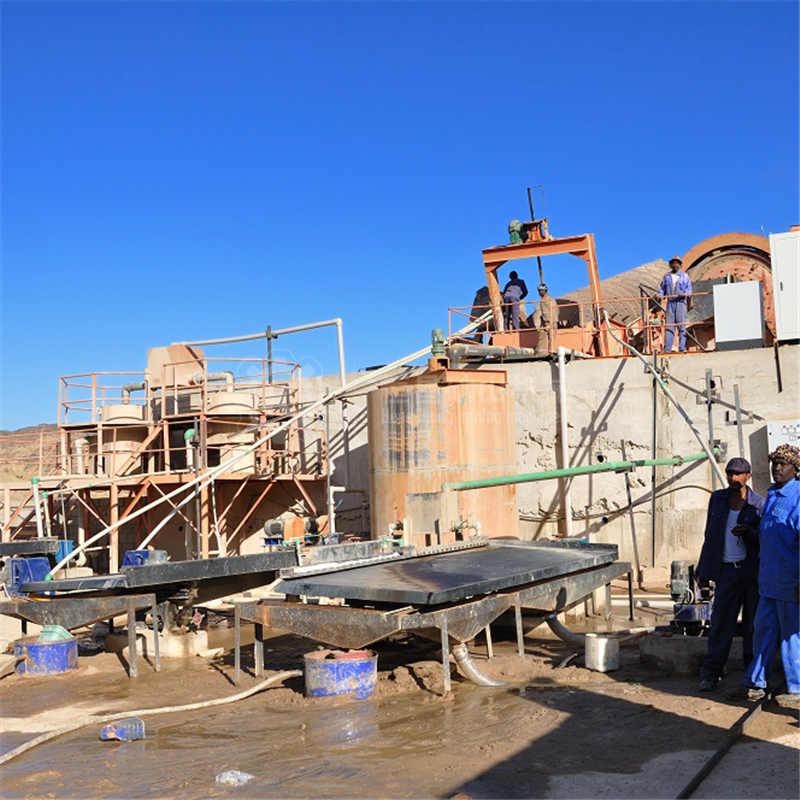
Simply put, a shaking table is a flat, riffled deck that moves back and forth in a reciprocating motion. You feed a slurry (water + ore) onto the deck. The heavy tin minerals (specifically cassiterite, specific gravity ~6.8-7.1) move under the riffles towards the concentrate end. The lighter gangue (quartz, mica, etc.) is washed sideways and out as tailings.
The 2026 6S Shaking Table is the latest iteration. It’s optimized for fine tin recovery, which is where most plants lose value.
Real-World Results: Not Just Theory
We don’t just sell machines; we study their performance.
Case Study: Small-scale tin mine in Yunnan, China.
Feed: -2mm tin slimes, grade 0.3% Sn.Old Setup: Used a traditional 6S table + spiral. Overall recovery: 68%.
New Setup (2026 Hengchang 6S table): Installed a dedicated roughing table and a cleaner table.
Result: Recovery jumped to 78%. The key? The new deck material and stroke adjustment allowed for better separation of ultra-fine cassiterite (<74 microns). Cost per ton? Dropped because they reduced recirculating load by 30%.
Case Study: Artisanal operation in Congo.
Challenge: High clay content, frequent blockages.Solution: Hengchang customized the feed box and increased the wash water flow rate.
Result: The 2026 table handled the sticky feed without stopping. Monthly clean-up time went from 4 hours to 1 hour. That’s 3 hours of saved labor per month – real money in the pocket.
How It Works: The Simple Physics
Forget complex theory. Think of it like this:
Shaking: The deck moves forward fast, then stops. It’s like a sifting motion.Gravity + Water: Heavy tin sinks. Light rock floats upwards with the water flow.
Riffles: They trap the heavy concentrate. As the table shakes, the concentrate crawls to the top end.
Side Wash: Lateral water pushes the light gangue off the side.
The magic is in the adjustability. On the 2026 model, you can fine-tune:
Stroke length (how far the table moves).Stroke speed (how fast it moves).
Deck slope (up to 10 degrees).
Wash water distribution.
Key Features of the 2026 Jiangxi Hengchang Model (Why it’s better)
This isn’t your granddad’s shaking table. Here’s what makes the 2026 model a workhorse:
New Patented Deck Material: It’s a high-density polyurethane with a special surface texture. It’s 15% more durable than fiberglass decks. No more peeling or cracking in harsh conditions. It also creates a better “grab” for fine tin particles.Adjustable Riffle Profile: We’ve redesigned the riffles. The shape allows fine heavy particles to get trapped, but coarse waste to roll over more easily. This directly increases recovery.
Variable Frequency Drive (VFD) Ready: Don’t settle for a fixed motor. The 2026 model is built to accept a VFD. You can adjust the stroke speed on-the-fly. This is critical for handling feed grade fluctuations.
Rust-Proof Frame: Full stainless steel or heavy-gauge painted steel. No rust contamination on your tin product.
Easy Clean-Up: The whole deck can be tilted. Clean-out takes 15 minutes, not an hour.
What Ore Can You Use It For? (Beyond Tin)
While the title says tin, this table is a mineral processor’s Swiss Army knife. It handles:
Tin ore (Cassiterite): Primary focus.Tungsten ore (Scheelite, Wolframite): Excellent for fine tungsten.
Tantalum & Niobium (Coltan): Very high SG, sharp separation.
Gold (Placer & Hard rock): Especially for fine gold recovery.
Lead-Zinc, Barite, Fluorite: After flotation, for final cleaning.
Iron ore (Magnetite, Hematite): For upgrading low-grade fines.
Best Feed Sizes:
Optimum: -2mm (10 mesh) to +0.074mm (200 mesh).Fine limit: Down to 0.037mm (400 mesh) is possible with careful settings, but recovery drops below 50%.
Advantages Over Other Equipment (Why choose a table?)
| Equipment | 6S Shaking Table | Spiral Concentrator | Jig Machine |
|---|---|---|---|
| Best for | Fine particles (-2mm) | Medium particles (-10mm) | Coarse particles (-30mm) |
| Recovery | Very high (80-95% for clean feed) | Medium (60-75%) | Medium-High (but loses fines) |
| Operating Cost | Low (power + water + minimal wear) | Very Low (no moving parts) | Higher (plunger wear, water) |
| Cleaning | Very clean, single pass. | Needs re-cleaning often. | Less clean, needs sluicing. |
| Flexibility | High – easy to adjust settings. | Low – set feed rate. | Medium – set stroke/lift. |
Bottom line: Spiral is for bulk roughing. Jig is for coarse. The shaking table is your final cleaner and fine-recovery specialist. For tin, if you want high-grade concentrate, you need a shaking table.
Technical Specs (The Numbers You Need)
Model: 6S (Various sizes: 4500x1850mm, 3000x1620mm)Feed Rate: 0.5 – 1.5 tons per hour per table (depending on feed size and grade)
Concentrate Grade: Can reach 60-70% Sn for clean cassiterite feed.
Water Consumption: 1-3 m³/ton of feed. Important: we can design a water-recirculation loop for you.
Power: 1.1kW motor (single table). Very low power consumption.
Stroke: Adjustable 10-28mm.
Frequency: 270-360 rpm.
Daily Operation & Maintenance (Keep it running)
This machine is tough, but it needs love. Here’s your daily checklist:
Visual Check: Walk around. Look for loose bolts, worn belts, or water leaks.Lubrication: The eccentric box needs oil every 2 weeks (or 50 hours). Use 30-weight gear oil.
Clean the Deck: Every shift: Flush the deck with high-pressure water for 2 minutes to remove any sticky slime build-up.
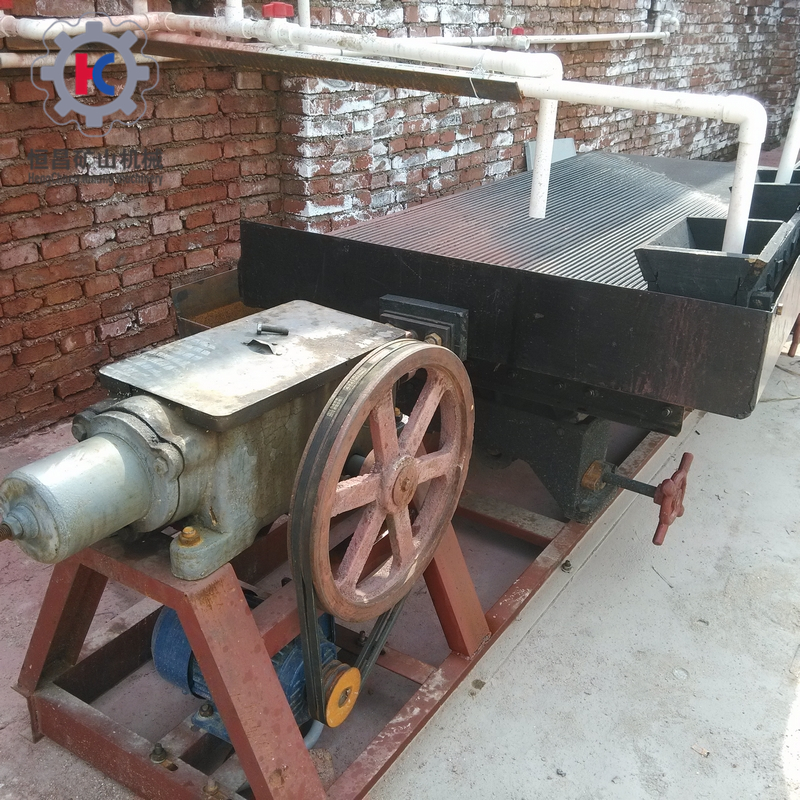
Weekly: Stop the table. Scrub the riffles with a stiff brush. This prevents channeling (uneven flow) which kills recovery.
Watch the Feed: Is the pulp too thick? (Looks like mud). Too thin? (Too much water, everything washes off). Aim for 25-35% solids.
Adjust the Settings: If you see “tailing” (valuable tin going to waste), try these quick fixes: Increase stroke length (for coarser feed).
Decrease slope (for finer feed).
Reduce wash water (if you see “racing” – concentrate moving too fast).
Increase wash water (if you see “packing” – concentrate stuck in riffles).
Summary: Why the 2026 6S Table Saves You Money
High Recovery: Captures fine tin that jigs and spirals miss. This directly adds to your revenue.Low Power: 1.1kW per table. Runs 24/7 for pennies.
Low Maintenance: The polyurethane deck lasts 1-2 years. The head mechanism is bomb-proof.
No Reagents: Purely gravity. No expensive chemicals, no pH control.
Ease of Operation: One operator can manage 4-6 tables. Labor cost is minimal.
Final Word
If you’re setting up a tin plant or upgrading an existing one, don’t overlook the 2026 6S Shaking Table from Jiangxi Hengchang Mining Machinery. It’s the workhorse that turns low-grade slimes into profit. Whether you’re processing 2 tons/day or 500 tons/day, we can supply the right size and configuration.
Remember: In gravity separation, the smallest particle lost is a direct loss of profit. The 2026 model is built to catch those particles.
Ready to talk numbers? Contact us for a detailed quote and a free simulation of your ore.
Happy mining!