Chinese


JXSC Ghana Alluvial Gold Processing Plant 100TPH Mining Equipment Flow Design
Introduction: Why Ghana is a Gold Mining Hotspot
Ghana, known as the "Gold Coast," is one of Africa's leading gold producers. The country is famous for its rich alluvial gold deposits, which are scattered along riverbeds and ancient terraces. For small to medium-scale miners, setting up a 100TPH alluvial gold processing plant is a sweet spot—it offers a balance between production capacity and manageable operational costs.
In this article, we'll walk you through a practical, proven equipment flow design from JXSC Mine Machinery Factory, a trusted name in mineral processing since 1985. Whether you're a mine owner in Ghana, a plant manager in Mali, or a technical buyer in Tanzania, this guide will give you a clear picture of how to set up a 100tph plant that actually works.
Understanding the Raw Material: What's in Ghana's Alluvial Gold?
Alluvial gold in Ghana usually comes with:
Clay content: High clay (often 30–50%) that can clog equipmentLarge rocks: Cobbles and boulders up to 300mm
Fine gold: 60–80% of gold particles are <1mm
Black sands: Magnetite, hematite, and other heavy minerals
The key challenge? Breaking down the clay and recovering fine gold without losing it to tailings. That's why our flow design focuses on primary scrubbing and gravity separation.
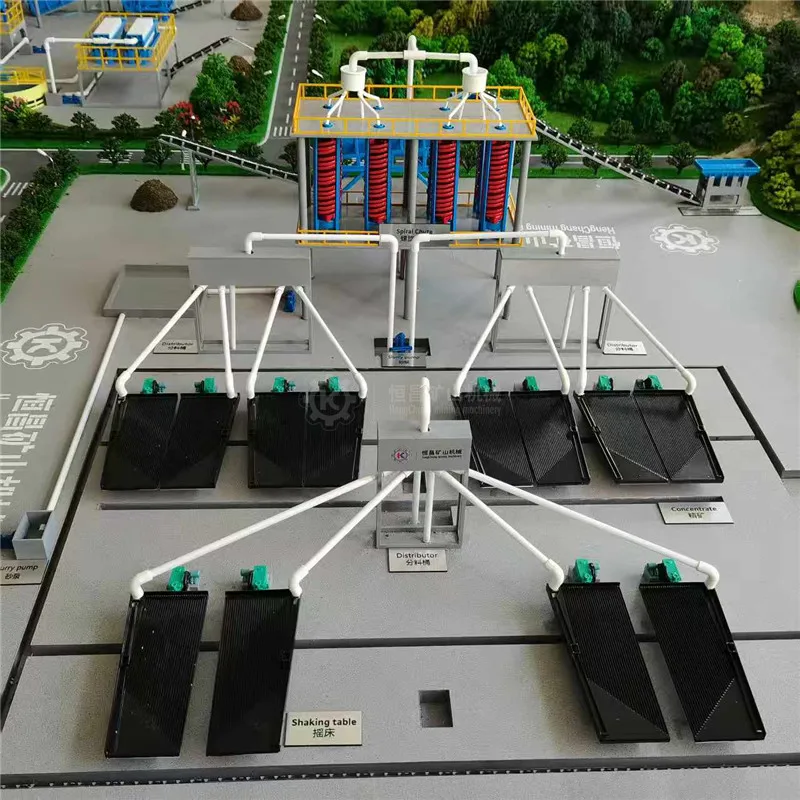
JXSC 100TPH Alluvial Gold Plant Flow Design
Let's break down the equipment from feeding to gold recovery.
Step 1: Feed Hopper with Vibrating Grizzly Feeder
Equipment: Steel hopper (10–15m³ capacity) + Grizzly feederGrizzly bar gap: 120–150mm
Function: Remove oversized rocks (>120mm) before scrubbing
Why this works: Prevents damage to downstream equipment and reduces wear
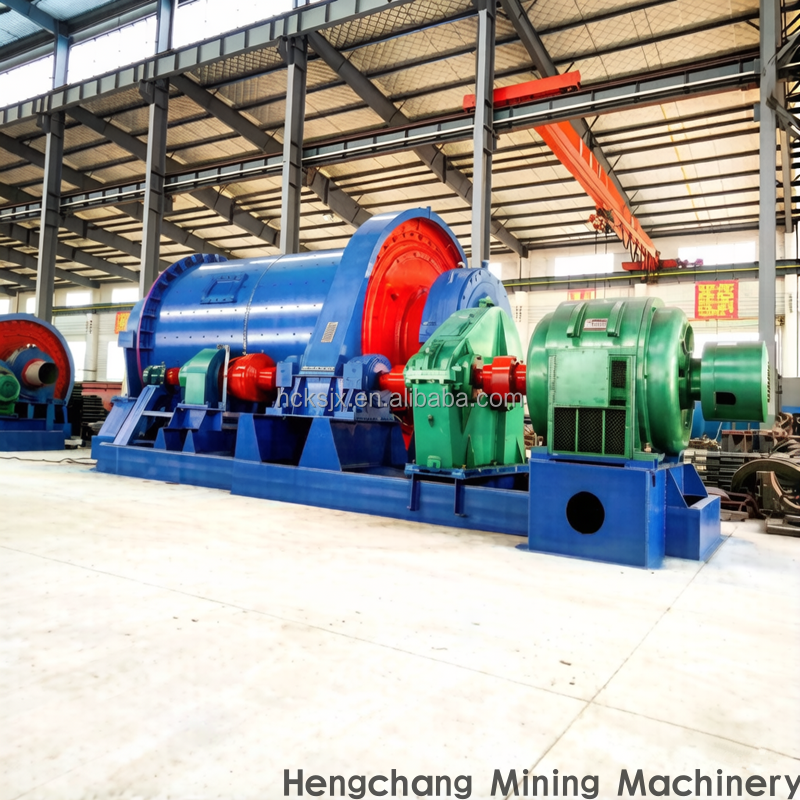
Step 2: Main Scrubbing – Double Drum Scrubber (Trommel Scrubber)
Model: JXSC 1500×6000 double drum scrubberPower: 22kW motor
Key feature: Internal lifters and high-pressure water jets (6–8 bar)
Retention time: 5–8 minutes
Water consumption: ~300 m³/h
Effect: Breaks down clay lumps into slurry, releasing trapped gold
Step 3: Screening – Trommel Screen
Model: 1500×6000 single-layer trommel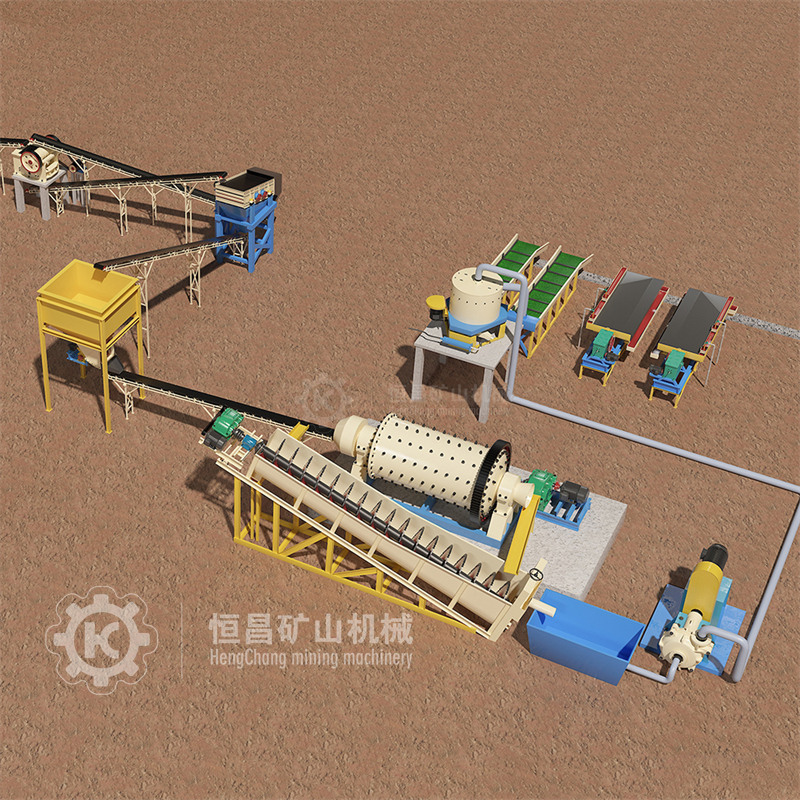
Screen size: 6mm (customizable: 4–10mm)
Function: Separate +6mm oversize (gravel) from -6mm sluice feed
Oversize discharge: Belt conveyor to waste pile or further crushing (if needed)
Step 4: Primary Recovery – Sluice Box (Belt Sluice or Deep Pockets)
Model: JXSC 2000×1200 belt sluice (or traditional sluice with 3-stage cascade)Riffle height: 25mm
Slope: 5–7°
Recovery rate: 60–80% for gold >0.5mm
Why sluice: Simple, cheap, and handles high throughput
Step 5: Fine Gold Recovery – Centrifugal Concentrator (Knelson or Falcon Type)
Model: JXSC STLB-60 (60T/H capacity)Bowl speed: 800–1000 rpm
Water backwash pressure: 2–3 bar
Feed density: 25–35% solids
Recovery rate: 90–95% for gold >75 microns
Note: Cycle time 2–4 hours, manual or semi-automatic discharge
Step 6: Cleanup – Shaking Table
Model: JXSC LY-2100 steel shaking tableDeck size: 2100×1050mm
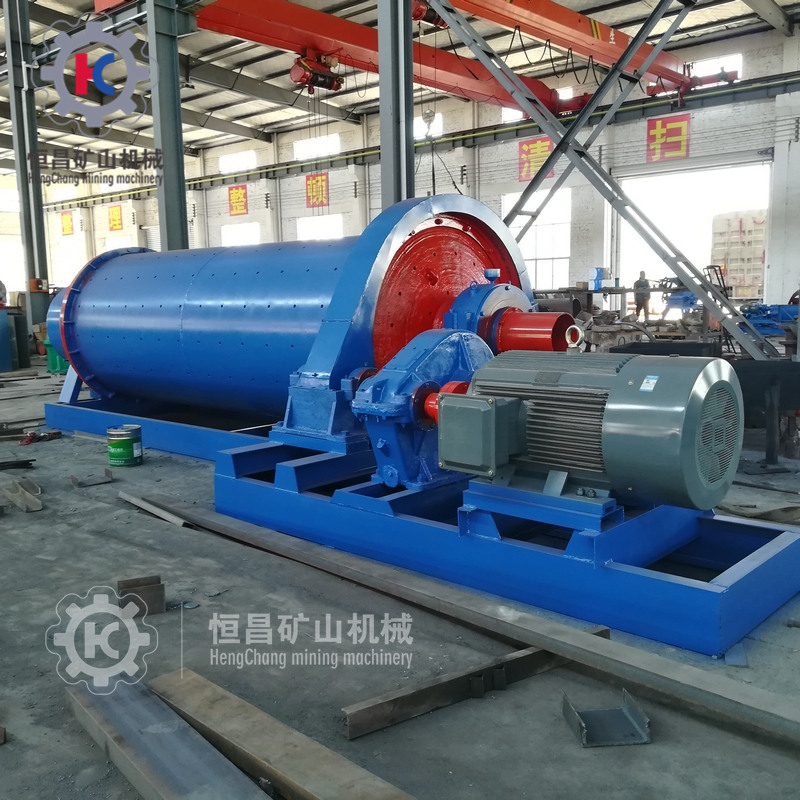
Water: 20–40 L/min
Function: Final concentration to produce >90% gold concentrate
Step 7: Tailings Management
Option 1: Direct discharge into settling pondsOption 2: Dewatering screen + cyclone (for water circulation)
Water recycling: Pump back to scrubber (saves 40–60% of fresh water)
Complete Flow Summary
Run-of-Mine → Hopper + Grizzly Feeder → Double Drum Scrubber → Trommel Screen
→ Oversize (gravel) = waste
→ Undersize +6mm → Sluice Box → Tailings
→ Concentrate from sluice → Centrifugal Concentrator → Concentrate
→ Shaking Table → Final Gold (90%+ purity)
Practical Case: JXSC Plant in Ghana (Ashanti Region)
In 2023, we installed a 100TPH alluvial gold plant for a Ghanaian client near Obuasi:
Feed: River terrace alluvial with 40% clayGold grade: 0.3–0.5 g/m³
Recovery: 87% average (measured over 3 months)
Production: 25–40 grams per 8-hour shift (depending on feed grade)
Water source: Nearby river + 20,000L settling tank
Key lessons from the site:
Scrubber water pressure matters – below 5 bars, clay won't break properlySluice mats need cleaning every 4 hours in high-clay conditions
Centrifugal concentrator reduced losses by 15% compared to sluice-only
Equipment Comparison: Why This Combination?
| Equipment | Pros | Cons |
|---|---|---|
| Only sluice box | Low cost, simple | Loses fine gold (<0.3mm) |
| Only centrifugal | Good for fine gold | Cannot handle high clay alone |
| Sluice + centrifuge | Balanced | Higher initial cost |
| JXSC design | Proven in Africa | Requires stable water supply |
Maintenance Tips for Wet Climates
Ghana's rainy season (April–October) can cause problems. Here's what to watch:
Belt slippage: Check tension daily (rubber belts degrade faster in humidity)Screen blinding: Use polyurethane screens instead of steel (lasts 2x longer)
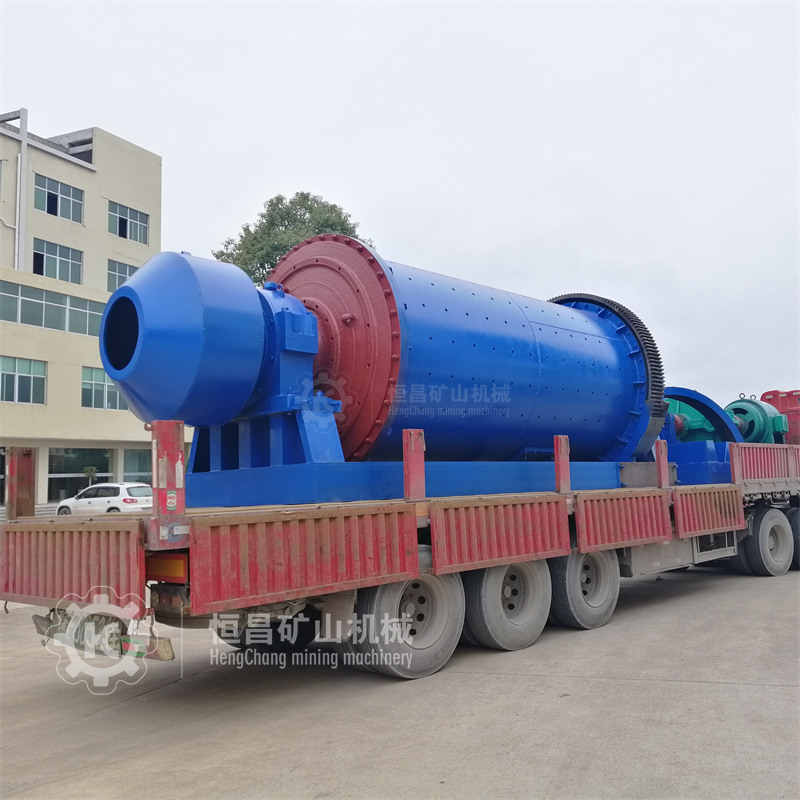
Centrifuge seal: replace every 2000 hours (water ingress causes bearing failure)
Water pump: Keep 2 spare impellers; local Ghanaian suppliers stock them
Daily Operation Checklist (For Your Shift Foreman)
Startup sequence: Water first → Scrubber → Screen → Sluice → Centrifuge → TableShutdown sequence: Stop feeding → Run water 5 minutes → Stop equipment in reverse order
Morning checks: Grizzly bars: Clear blocked rocks
Screen: Check for ripped mesh
Sluice: Remove trapped gravel on riffles
Mid-shift: Clean sluice concentrate into collection bucket
Check centrifuge cycle timer
End of shift: Flush all equipment with clean water
Weigh and record gold concentrate
Is 100TPH Right for Your Site?
Ideal for:
Deposits with grades >0.2 g/m³Operations with 2–5 operators per shift
Sites within 5km of water source
Miners with 6–12 months of operational budget
Not ideal for:
Hard rock deposits (needs crushing and grinding)Very low-grade tailings (needs larger scale)
Desert areas without water (would need dry processing)
Final Thoughts: Why JXSC Equipment Works in Africa
From Ghana to Mali to Tanzania, JXSC's alluvial gold plants are built for local conditions:
Heavy-duty frames: Welded steel, not cast iron (handles rock impacts)Simple controls: No complex PLCs – operators can learn in 2 days
Local support: Distributor in Accra, Ghana with spare parts stock
Customization: We adjust trommel screen size for different gold particle sizes
If you're planning a 100TPH alluvial gold plant in Ghana or anywhere in West Africa, our standard flow design covers 90% of typical deposits. The other 10% – unusual clay, very fine gold, or high-density black sands – we can modify the flow with spiral concentrators or jigs.
Remember: A plant is only as good as its installation and daily care. Spend money on a good scrubber and centrifuge, and you'll recover more gold than with cheaper equipment that constantly breaks down.
Contact JXSC Mine Machinery Factory for custom quotes and free plant layout design for your specific deposit in Ghana, Mali, Burkina Faso, Tanzania, or anywhere in Africa.