Chinese


Cost-Effective Ceramic Ball Mill Solution Meets Growing Demand for Contamination-Free Grinding
1. Product Definition
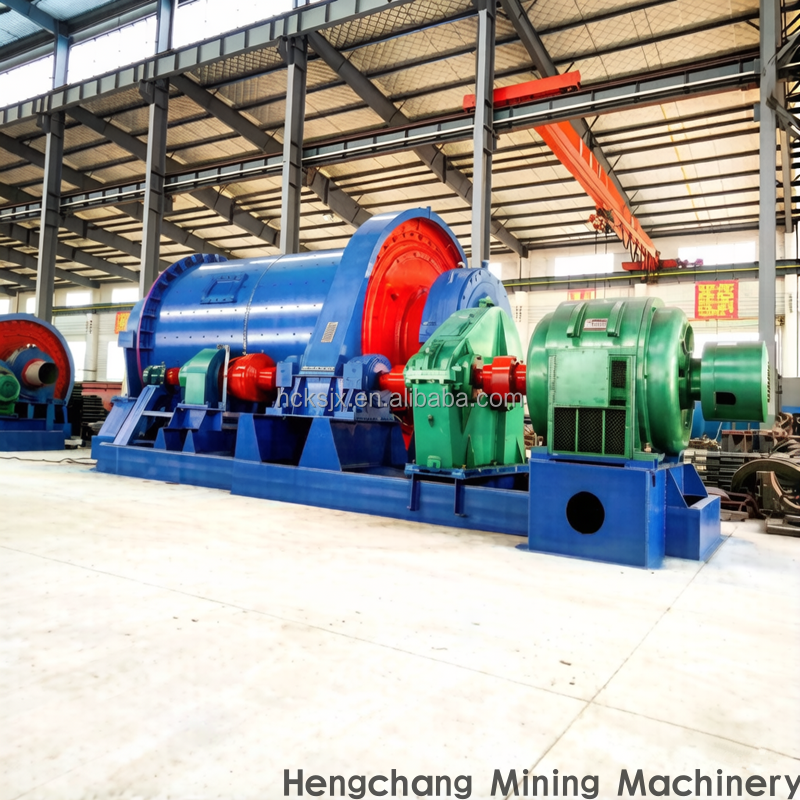
A Ceramic Ball Mill is a type of grinding mill that uses high-purity ceramic grinding media and, in many designs, a ceramic-lined grinding chamber instead of metal liners. It is specifically engineered for applications requiring ultra-fine particle size reduction, high product purity, and minimal metallic contamination.
Unlike conventional steel ball mills, ceramic ball mills are widely adopted in industries where even trace metal contamination can compromise product quality, such as advanced ceramics, lithium battery materials, electronics, pharmaceuticals, and specialty chemicals.
2. Working Principle
The ceramic ball mill operates on the same fundamental principle as other ball mills:
The material to be ground is fed into a rotating cylindrical drum.
Ceramic grinding media (balls or cylinders) cascade and tumble inside the drum.
Grinding occurs through impact, attrition, and shear forces between the media and the material.
Finely ground material is discharged continuously or batch-wise, depending on process requirements.
The use of ceramic media and linings ensures that no ferrous or heavy-metal impurities are introduced during milling.
3. Key Features & Advantages
Ultra-High Purity | Non-metallic contact surfaces prevent iron and heavy-metal contamination. |
Excellent Wear Resistance | High-alumina or zirconia ceramics offer superior hardness and long service life. |
Fine & Uniform Particle Size | Capable of micron- and sub-micron level grinding with narrow particle distribution. |
Corrosion Resistance | Ideal for acidic, alkaline, or corrosive slurries. |
Batch & Continuous Operation | Flexible configurations to match production scale. |
Low Maintenance | Reduced liner wear and no metal contamination lower cleaning and downtime costs. |
4. Product Parameters
5. Summary
The ceramic ball mill is a critical solution for industries demanding non-contaminating, high-precision grinding. Its combination of chemical inertness, mechanical durability, and process flexibility makes it an essential technology for high-end material manufacturing.