Chinese


2026 How to Choose a Gold Shaking Table: Model, Price & Processing Flow Guide
Hey there, fellow mining friends! If you’re looking to step up your gold recovery game in 2026, you’ve probably heard about the trusty old shaking table. It’s been a workhorse in the industry for decades, and let me tell you, it’s still one of the most reliable pieces of equipment out there for fine gold separation. But with so many models, price points, and flow options out there, how do you pick the right one? Don’t worry, I’ve got your back. Today, I’m breaking down everything you need to know—from model selection to pricing to the full processing flow—so you can make a smart, no-nonsense choice.
What Is a Gold Shaking Table? A Quick Intro
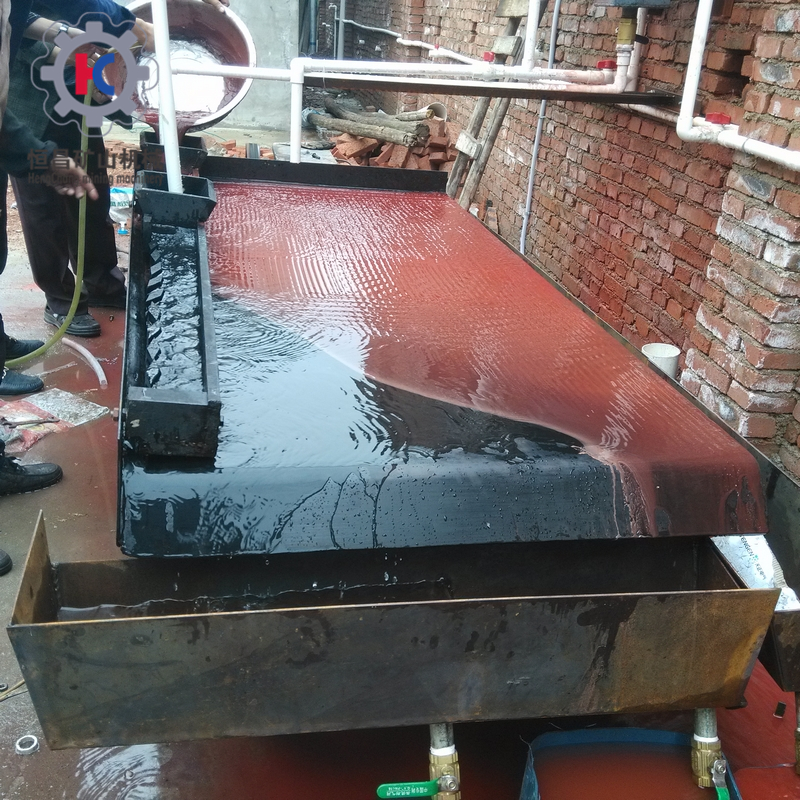
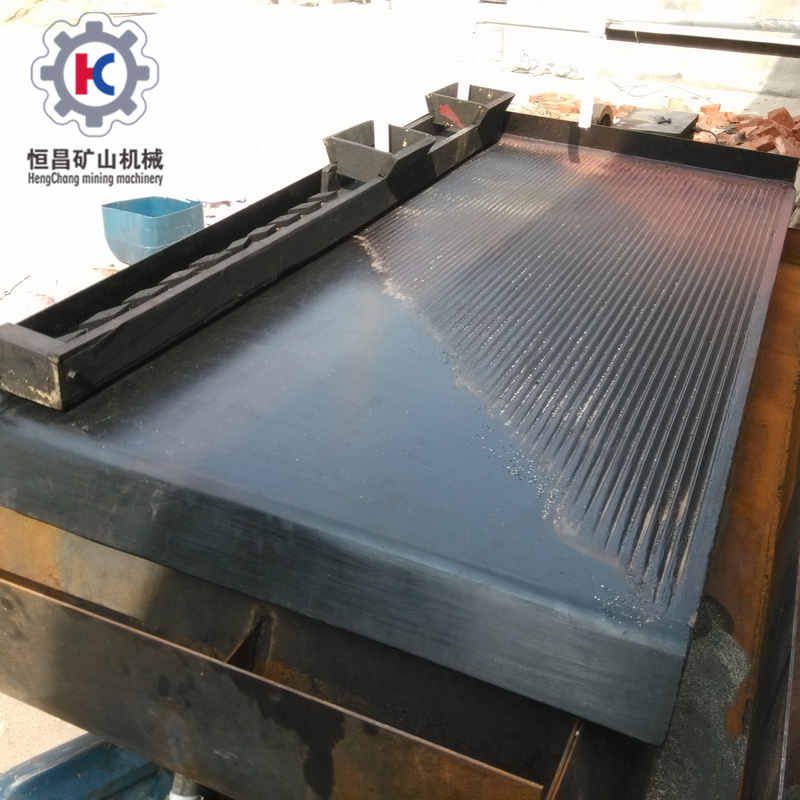
Think of a shaking table as a high-precision sorter. It’s a flat, slightly inclined surface that vibrates back and forth. You feed a slurry of crushed ore and water onto it, and the shaking motion, combined with water flow, separates heavy gold particles from lighter waste. The gold concentrates near the top edge, while the lighter material slides down to the bottom. Simple, right? But the devil’s in the details, and that’s where a solid brand like [Jiangxi Hengchang Mining Machinery] comes in. They’ve been making these tables for years, and their models are built tough for real-world mining conditions.
How a Gold Shaking Table Works (No Jargon, I Promise)
Let’s keep it straightforward. The shaking table uses three key forces to do its job:
Gravity: Heavy gold sinks down to the table surface.Shaking Motion: The table moves back and forth in a straight line. This pushes the heavy particles up against the riffles (the little ridges on the table) while the lighter stuff slides down.
Water Flow: A steady stream of water washes away the light gangue (that’s the waste rock) while the gold stays put.
The result? You get a sharp, clean separation that’s hard to beat. For fine gold—down to 0.037mm, or 400 mesh—this machine is a beast. And if you’re dealing with gold that’s already been ground up, a shaking table is your best friend.
Key Structure Features You Need to Know
Now, let’s talk about what makes a good shaking table tick. Here are the critical parts:
Table Surface (Deck): Usually made from fiberglass or stainless steel. The deck has riffles or grooves that trap heavy particles. A good deck is wear-resistant and easy to clean. [Jiangxi Hengchang] uses a reinforced material that lasts longer in abrasive conditions.Wash Water System: Usually a spray bar that evenly distributes water across the deck. Fine-tune the water flow to control how much light material you flush away.
Drive Mechanism: This is the heart of the machine. A motor with a spring-loaded drive gives a smooth, consistent stroke. This part needs to be robust—cheap drives break fast.
Adjustable Components: You can change the table tilt, stroke speed, and water flow. This lets you dial in the perfect setup for different ore grades.
Which Ores Can a Shaking Table Handle?
The short answer: a lot. But here are the common ones:
Gold Ore: Especially fine or placer gold that’s been milled down to a small size.Tin Ore: Cassiterite from alluvial or hard rock sources.
Tungsten Ore: Scheelite or wolframite.
Tantalum & Niobium: From pegmatite deposits.
Other Heavy Minerals: Like zircon, rutile, ilmenite, and even diamonds (in some cases).
In my experience, a shaking table is a go-to for gold that’s already been concentrated via jigs or spiral concentrators. It’s not the first stage of processing, but it’s the final polish.
Processing Flow: Where Does the Shaking Table Fit In?
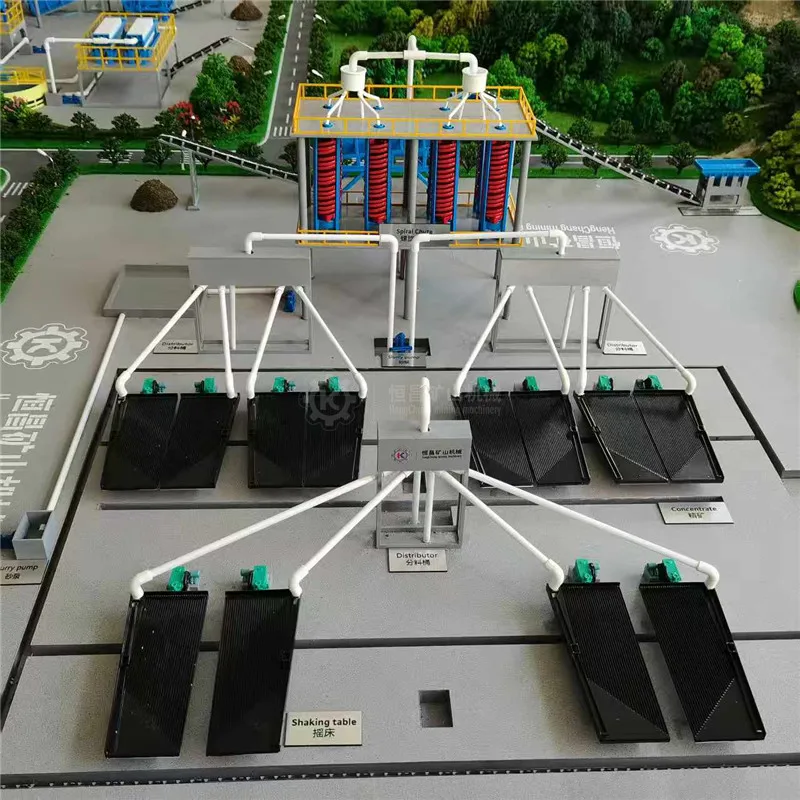
Don’t just throw your raw ore onto a shaking table and expect magic. Proper setup matters. Here’s a typical flow:
Screening: Remove oversized material that could clog the table.
Classification: A hydrocyclone or spiral classifier separates fine and coarse material. Typically, you want a narrow particle size range for best results.
Primary Concentration (Optional): Use a jig or spiral to get rid of most of the waste first. This boosts the table’s efficiency.
Shaking Table Feed: The thickened slurry (around 25-35% solids by weight) is fed onto the table.
Final Concentrate: The gold-rich material is collected from the top edge. You might get a grade of 30-50% gold after just one pass.
This flow is common in small to medium gold plants. It’s low-cost, low-maintenance, and gives you a clean product.
Price Range in 2026: What Should You Expect?
Here’s the real talk—pricing varies hugely based on model, size, and brand. But let’s chat about the typical range for 2026:
| Model Type | Typical Price Range (USD) | Key Features |
|---|---|---|
| Small Laboratory Table | $1,500 – $3,000 | 1-2 tph capacity, manual controls, ideal for test work. |
| Medium Duty Table (e.g., 6S Series) | $4,500 – $8,000 | 3-5 tph capacity, more robust, easy to adjust. Usually the best bang for your buck. |
| Heavy Duty Production Table | $8,000 – $15,000+ | 5-10 tph capacity, stainless steel deck, automated controls. For serious operations. |
| Custom or Large 10-15 tph Table | $15,000 – $25,000+ | Double-deck or large single deck, custom riffles, heavy-duty drive. |
Important note: These are rough estimates for 2026. Actual prices depend on the manufacturer (like [Jiangxi Hengchang Mining Machinery]), shipping, tariffs, and local dealer markups. Always ask for a quote specific to your location.
Why Pick a Shaking Table Over Other Equipment?
Let’s be honest—there are fancier machines out there (looking at you, centrifugal concentrators). But here’s why the shaking table still dominates:
No Chemicals: Like, zero. Just water and gravity. Perfect for environmentally sensitive sites.Low Operating Cost: Cheap to run, easy to fix. No high-maintenance parts.
Exceptional Fine Gold Recovery: For gold smaller than 0.1mm, shaking tables outperform many other methods.
Visual Check: You can see the separation happening. That means you can adjust in real time.
The downside? It’s slower than a jig or spiral (processing speed is measured in tons per hour, not tons per minute). But for high-value fines, speed isn’t everything.
Daily Operation & Maintenance Tips
Want your shaking table to last 15+ years? Follow these simple rules:
Start-Up: Always check that the drive belt is tight and the motor is clean. Feed water first, then turn on the motor.Feed Control: Keep the slurry flow steady. A surge will ruin the separation.
Riffle Cleaning: Every 8-10 hours of operation, stop and rinse the deck. Gold or heavy minerals can clog the riffles.
Water Quality: Use clean water if possible. Dirty water with clay or silt will reduce separation efficiency.
Pro tip: Keep a spare set of riffles and a spare drive spring on hand. These parts wear out first. [Jiangxi Hengchang] sells great spare parts kits for most models.
Popular Models to Look for in 2026
If you’re shopping, here are some standard models that are widely used:
| Model Name | Deck Size (Length x Width) | Capacity | Best For |
|---|---|---|---|
| 6-S | 4000mm x 1400mm | 3-5 tph | General gold, tin, tungsten. Balanced design for small to medium plants. |
| LY Series | 4200mm x 1500mm | 5-8 tph | Coarse and fine material. Good for high throughput. |
| S Series (S2000, S3000) | Varies from 1000mm to 2000mm width | 1-3 tph | Fine gold recovery (0.074mm-1mm). Popular in artisanal mining. |
| Double-Deck Table | Two 6-S decks stacked | 6-10 tph combined | Twin the throughput in the same plant. Great for big operations. |
For most buyers in 2026, the 6-S series remains the sweet spot: affordable, reliable, and versatile. I’ve seen these tables in Africa, South America, and Asia, and they just keep on running.
Application Scenarios: Where It Shines
Now, let’s match the table to real-world jobs:
Small Scale Gold Miner (1-5 tpd): A single 6-S table with a jig pre-concentrator. You’ll get a 40-60% gold recovery from a 2-3g/t feed.Medium Plant (10-30 tpd): Use 2-3 tables in parallel after a spiral classifier. Each table handles a specific size range.
Placer/Tin Operation: Riffled tables excel here. The high G-force shakes out fine tin or gold from heavy black sands.
Tantalite or Niobium: Shaking tables are the workhorse in these circuits. They handle the fine fractions that other machines miss.
Conclusion: Your 2026 Game Plan
Choosing a gold shaking table in 2026 isn’t complicated if you know your ore and your volume. Focus on:
Ore Type: Fine or coarse? That decides your riffle pattern.Capacity: Match the table size to your daily tonnage.
Brand & Support: Go with a trusted name like [Jiangxi Hengchang Mining Machinery]. They offer reliable machines, good warranties, and spare parts that are easy to source.
Budget: Don’t overspend on a massive table if you don’t need it. A 6-S series at around $5,000–$7,000 is a perfect starting point for most medium operations.
So there you have it—my no-BS guide to shaking tables. Stick to these principles, and you’ll be pulling more gold out of your mill in no time. Got questions? Test your ore, talk to the supplier, and always, always run a trial. Good luck out there, and happy mining!