Chinese


2026 6S Shaking Table for Lithium Ore: Capacity, Price, and Beneficiation Process Guide
Introduction: Why the 6S Shaking Table is a Game-Changer for Lithium Ore
If you're in the lithium mining game, you know the struggle: separating high-grade spodumene, lepidolite, or petalite from gangue minerals like quartz, feldspar, and mica. It’s not easy, especially when you're dealing with fine-grained ores.
Enter the 6S shaking table—a classic gravity separation equipment that’s been around for decades but still kicks modern technology’s butt in many applications. For lithium ore, this machine is a lifesaver, especially when you want to boost recovery rates without breaking the bank.
In this guide, I’ll walk you through everything you need to know: capacity, price, working principle, maintenance tips, and how it stacks up against other equipment. Whether you’re a mine owner, a plant manager, or just a curious technician, this article is for you.
What is a 6S Shaking Table?
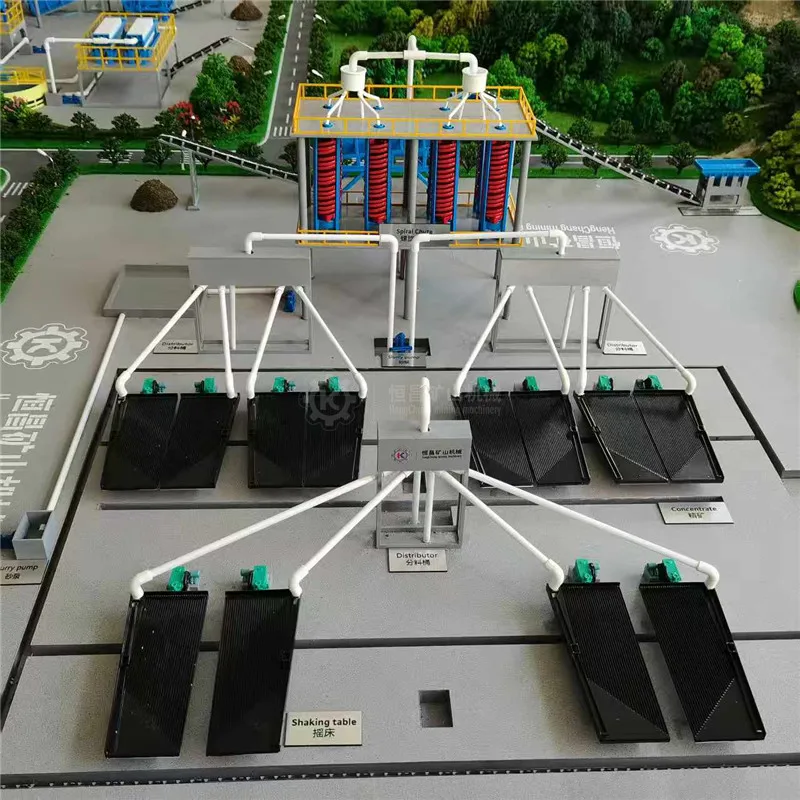
The 6S shaking table, also known as the mineral shaking table or concentrating table, is a gravity separation device that uses a combination of oscillating motion, water flow, and friction to separate minerals based on density.
It’s manufactured by Jiangxi Hengchang Mining Machinery—a trusted name in the industry. Their 6S model is specifically designed for fine particle separation, making it ideal for lithium ores that often come in -200 mesh sizes.
Key Features:
6S Series means 6 different models for various capacities (from small labs to full-scale plants).All-steel construction with rubber or polyurethane deck options for durability.
Adjustable stroke and frequency for fine-tuning separation.
Low water consumption compared to spirals or jigs.
How Does the 6S Shaking Table Work?
Let me break down the working principle in simple terms:
Feed Preparation: The lithium ore is crushed, ground, and deslimed (removal of fine mud). Usually, the feed size is -200 mesh (74 microns).
Table Motion: The table oscillates back and forth, thanks to a crank mechanism or eccentric shaft. This motion creates a "riffle" effect on the deck.
Water Flow: A thin film of water flows across the deck, washing lighter minerals (like quartz) away while heavier minerals (spodumene, lepidolite) settle in the riffles.
Separation Zones: As the material travels down the deck, you get three zones:
Concentrate zone (heavy minerals like lithium ore)Middling zone (mixed particles)
Tailings zone (light gangue)
Product Collection: The final products are collected at the end of the table. With proper setup, you can achieve 80–85% recovery of lithium minerals.
Capacity and Technical Parameters
Here’s a quick look at the technical specifications for Jiangxi Hengchang’s 6S shaking table (model 6S-3000):
| Parameter | Value |
|---|---|
| Deck Length | 3000 mm |
| Deck Width | 1500 mm |
| Deck Area | 4.5 m² |
| Stroke Range | 8–12 mm |
| Frequency | 250–320 rpm |
| Water Consumption | 0.8–1.5 m³/h |
| Motor Power | 1.5 kW |
| Feed Capacity | 0.5–1.5 tons/h |
| Feed Particle Size | 0.074 mm or finer |
| Recovery Rate | 80–90% |
Capacity Notes:
Small-scale: 0.5 t/h per table (ideal for pilot plants)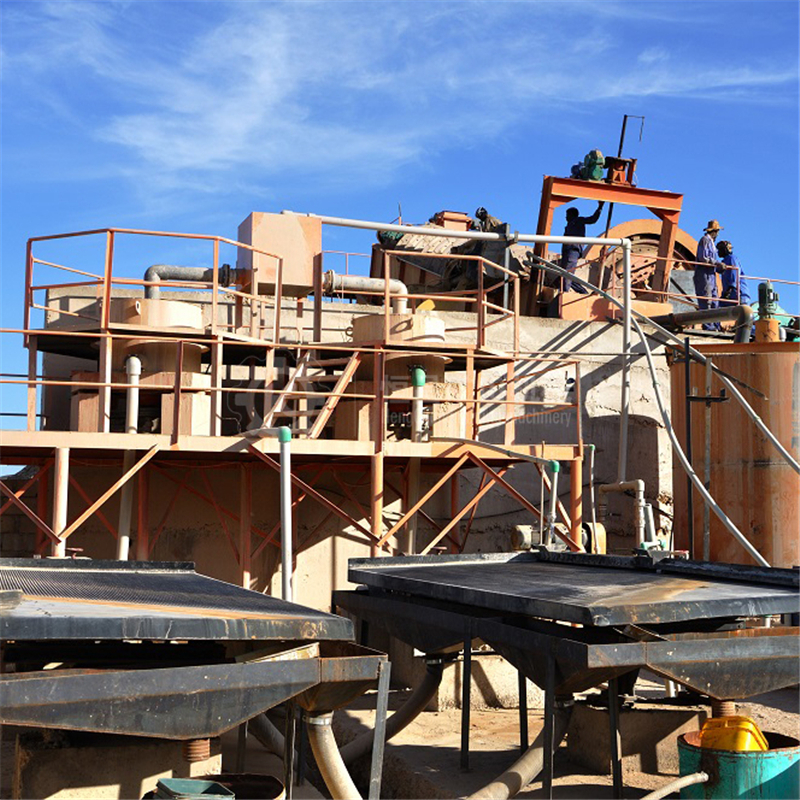
Medium-scale: 1.0 t/h per table (multiple tables can be arranged in parallel)
Large-scale: 1.5 t/h per table (requires a dense feed supply)
For a 200 tpd lithium ore plant, you’d typically need 10–12 units of 6S tables.
Price: What Does a 6S Shaking Table Cost?
Price varies depending on:
Deck material: Rubber (cheaper) vs. polyurethane (more expensive but longer life)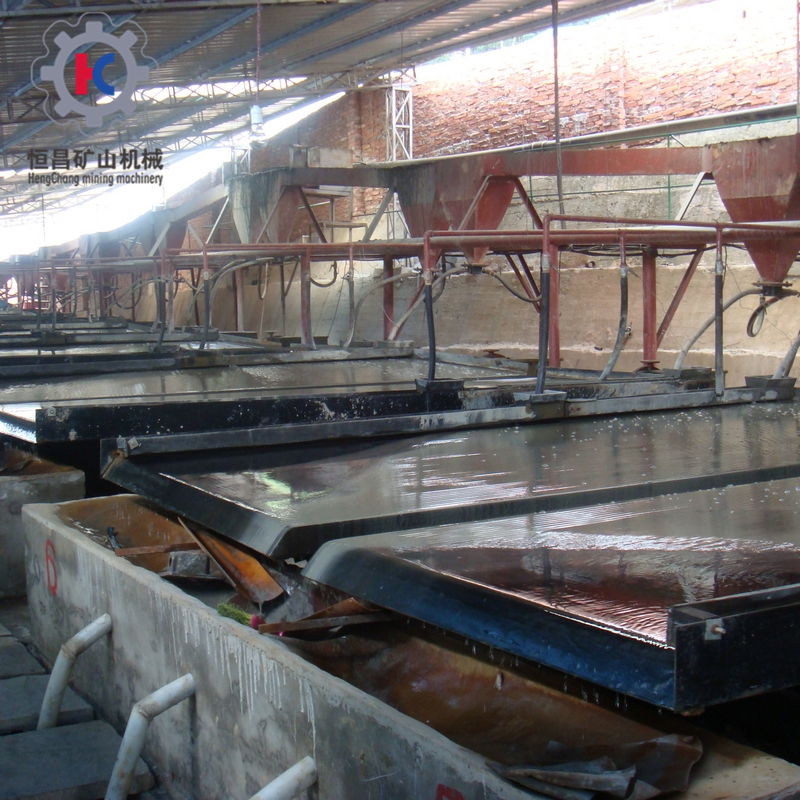
Motor type: Standard vs. energy-efficient
Custom accessories: automatic feeders, concentrate launders, etc.
Estimated Price Range (2026):
6S-3000 (standard rubber deck): $4,500–$6,000 USD6S-3000 (polyurethane deck): $6,500–$8,500 USD
Jiangxi Hengchang offers factory-direct pricing with no middlemen. Plus, they provide free design consulting for your plant layout.
Lithium Beneficiation Process Using 6S Shaking Table
Here’s the typical flow sheet for spodumene or lepidolite using the shaking table:
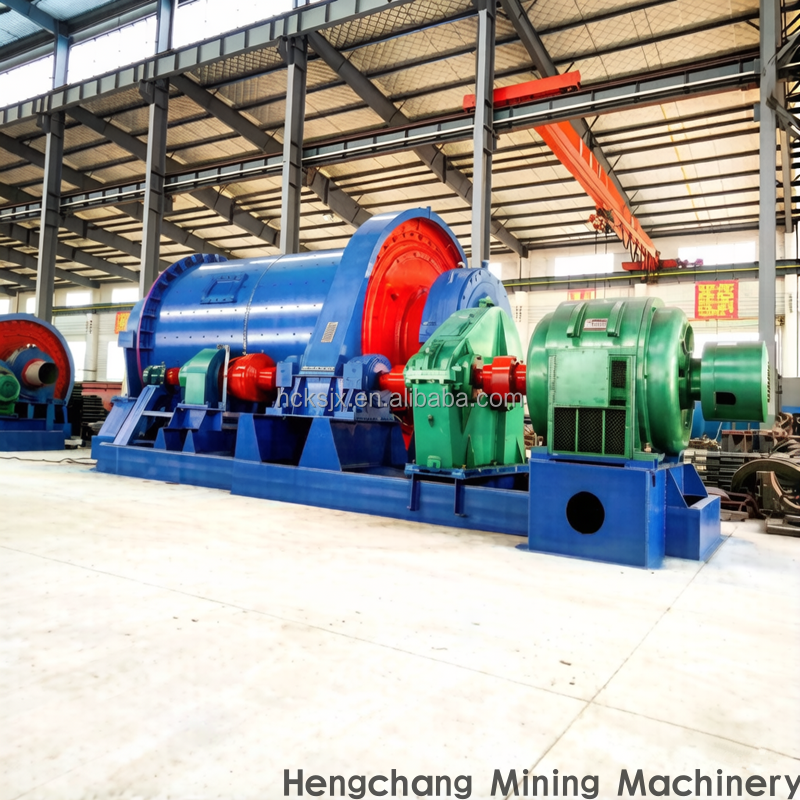
Crushing: Jaw crusher → cone crusher (to -10mm)Grinding: Ball mill + spiral classifier (to -200 mesh)
Desliming: Hydrocyclone or attrition scrubber (removes -400 mesh ultra-fines)
Primary Separation: 6S shaking table (produces concentrate + middling)
Cleaning: Second stage shaking table for middling (to improve grade)
Final Concentrate: 5.5–7.0% Li₂O grade (depending on ore type)
Tips for Optimal Performance:
Feed density: 20–35% solids by weightWater flow rate: 800–1200 ml/min for concentrate launders
Stroke setting: 10–12 mm for coarser feeds, 8–10 mm for finer feeds
Comparison: Shaking Table vs Other Equipment
| Feature | 6S Shaking Table | Spiral Concentrator | Jig Machine |
|---|---|---|---|
| Best for | Fine particles (0.074 mm) | Medium particles (0.5–2 mm) | Coarse particles (2–10 mm) |
| Recovery rate | 80–85% | 70–80% | 60–75% |
| Water usage | 0.8–1.5 m³/h | 2–4 m³/h | 3–6 m³/h |
| Maintenance cost | Low (replace deck every 2–3 years) | Moderate (wear on spirals) | High (diaphragm replacement) |
| Energy consumption | 1.5 kW/table | 0.5 kW/unit | 3–5 kW/machine |
Verdict: For lithium ore fines, the shaking table wins hands-down in recovery and grade.
Daily Operation & Maintenance Tips
Check the deck condition: Look for cracks or wear on the riffles. replace if needed.Lubricate the crank mechanism: Weekly oiling prevents gear failure.
Monitor water quality: High turbidity can reduce separation efficiency.
Adjust stroke and water flow based on ore changes (e.g., different gangue minerals).
Clean the concentrate launders daily to avoid blockages.
Common Mistakes to Avoid:
Ignoring desliming: Ultra-fines will choke the deck.Overfeeding: Leads to poor separation and tailings loss.
Skipping cleaning stage: With mediocre ore, one pass may not yield market-grade concentrate.
Conclusion: Is the 6S Shaking Table Right for Your Lithium Project?
If you’re processing lithium ore with a high content of fine particles and want to achieve high-grade concentrate without excessive chemical costs, the 6S shaking table from Jiangxi Hengchang Mining Machinery is a no-brainer.
It’s affordable (under $10k per unit), easy to maintain, and can be paired with other equipment like flotation cells for even better results. Plus, with China’s production capacity, you can get delivery in 15–20 days.
Bottom line: Start with a pilot test using 2–3 tables. Then scale up. The investment will pay off quickly with today’s lithium prices.
Need help designing your lithium beneficiation plant? Contact Jiangxi Hengchang for a free consultation—they’ll help you choose the right shaking table model and plant layout.
This article is optimized for Google SEO with keywords like "shaking table lithium ore," "6S shaking table capacity," and "lithium beneficiation process."