Chinese


2026 Multi-Layer Shaking Table for Tin Ore: How It Boosts Recovery Rate and Cuts Cost
If you've been in the tin ore processing business for a while, you know the struggle. Tin ore is heavy, but it's also notoriously fine-grained and easy to lose in conventional equipment. You might be running spirals, jigs, or even single-layer tables, but the question always remains: Can I get more recovery without adding more floor space and operators? That's exactly where the 2026 Multi-Layer Shaking Table comes in. It’s a game-changer, not just for tin operators in Yunnan, China, or the tin belt in Myanmar, but for anyone looking to squeeze that last bit of value out of their feed while slashing operating costs.
This article will walk you through what this machine is, why it works so well for tin, and how it can make your bottom line healthier. This is not a sales pitch; it's a practical guide for the miner, the shift boss, or the plant manager who needs to make real decisions.
What Is a Multi-Layer Shaking Table?
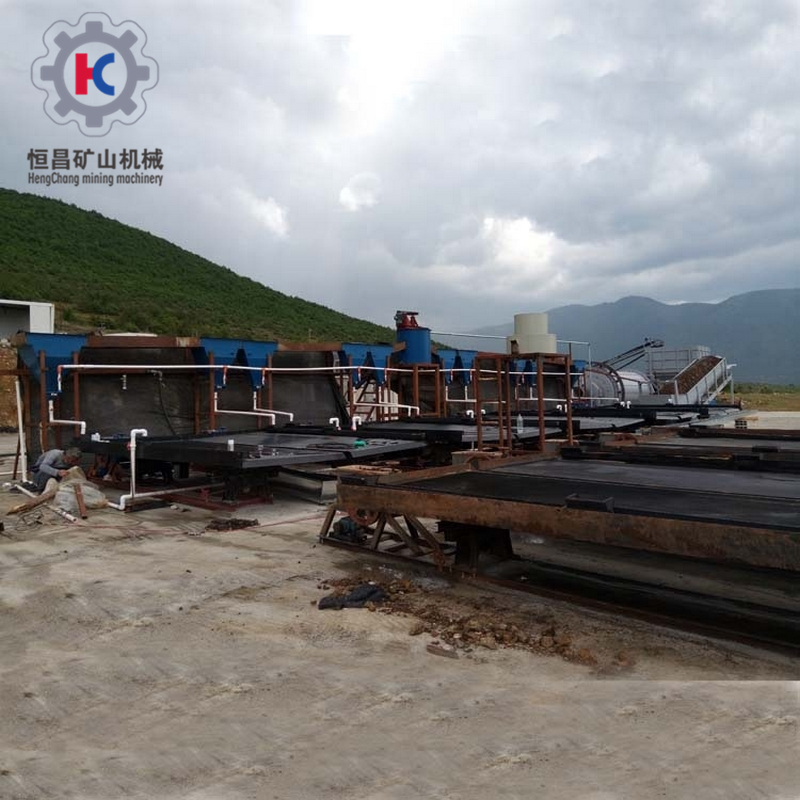
Simply put, it's a shaking table with multiple decks stacked on top of each other. Imagine your standard single-deck Gemini or Holman table, but the manufacturer, like Jiangxi Hengchang Mining Machinery, has stacked 4, 6, or even 8 layers into the same floor footprint. Why does this matter for tin ore? Because tin often requires very fine grinding to liberate the cassiterite (SnO₂) from the gangue. This fine feed is perfect for the multi-layer table’s ability to stratify and separate particles by specific gravity as low as 74 microns or even finer.
The core idea is simple: more surface area per square meter of plant floor, higher throughput per operator, and significantly lower energy consumption per ton of concentrate produced.
How Does It Work? The Physics of Gold and Tin
You might think shaking tables are simple, but the magic is in the synergy of three forces:
Longitudinal Shaking: The head motion drives the table back and forth. This heavy particle "crawl" forward along the deck, while lighter particles "flow" downhill with the wash water.Cross-flow Water: Water flows across the deck from the wash water side. This creates a dispersion effect, pushing light gangue off the side.
Deck Rifling: The specially designed riffles (usually chevron or rectangular pattern) trap heavy minerals like cassiterite and allow lighter quartz to roll over them.
In a multi-layer setup, this process is replicated exactly on every deck. The feed slurry is evenly distributed to each layer via a precision distributor. Because tin ore is very heavy (specific gravity ~7.0 compared to quartz at 2.65), it responds incredibly well to this gravitational separation. The multi-layer table essentially gives you the precision of a single table but with the volume of a small jig plant.
Why Tin Ore? The Specific Advantages
Tin is not gold. It's not magnetic. It's not conductive. But it is heavy and brittle. These characteristics make shaking tables the king for final cleaning stages. Here's how a multi-layer table specifically benefits tin ore:
1. High Recovery in Fine Fractions
Tin ore often suffers in gravity circuits because it’s easy to slime. A well-tuned multi-layer table, particularly one from Jiangxi Hengchang, can recover tin down to 0.02mm (20 microns). That's a region where spirals choke and flotation can be expensive. The low turbulence and precise water flow on a shaking deck are gentle on the cassiterite crystals, preventing them from being washed away.
2. Cost Reduction via "More with Less"
Let's talk numbers. A typical single-layer table might process 1-2 tons per hour of tin feed. A 6-layer S-type shaking table from Hengchang can push 6-12 tons per hour. But here's the kicker: it only needs one motor and one operator to man two or three multi-layer tables. That cuts your electricity bill by up to 30% and your labor costs by 50% compared to a group of single-layer tables.
3. Flexibility in Grade
Tin ore grades vary wildly. You might be feeding 0.3% Sn from alluvial gravel or 2% Sn from a hard rock flotation concentrate. The multi-layer table can be adjusted for either. You can run it with a steep slope and high water for roughing (making a bulk concentrate) or a shallow slope and low water for cleaning (producing a high-grade final product). Many operations in Jiangxi use these tables to produce a 60-65% Sn concentrate directly without recirculating loops.
Structure and Key Design Features
When choosing a multi-layer table for tin, look at these structural details (common to brands like Jiangxi Hengchang):
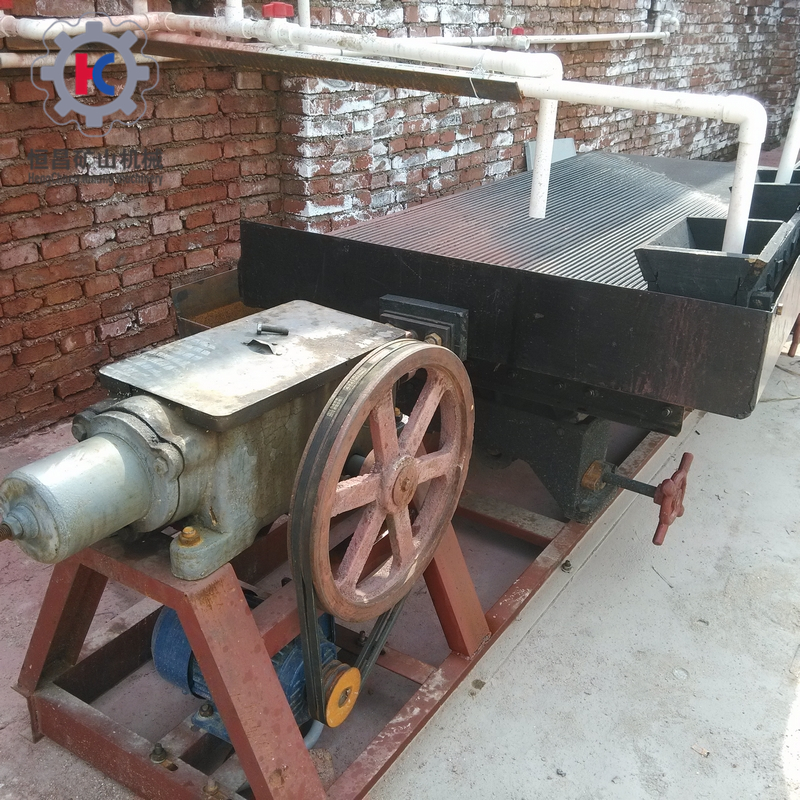
Deck Material: Fiberglass reinforced plastic is standard. It’s non-corrosive and lightweight. But for tin ore, some operators prefer a wooden deck with rubber lining for less vibration noise and better damping.
Riffle Profile: Tin ore needs sharper, more defined riffles than gold. The "chevron" pattern is best for fine tin. Some models allow user-changeable riffles between decks.
Feed Distribution: The weakest link in any multi-layer table is the distributor. A poor distributor means one deck gets 40% of the feed while another gets 10%. Hengchang uses a cyclone-type distributor that ensures equal split within ±2% across all layers.
Adjustability: Look for independent slope adjustment on the longitudinal and transversal axes. This is critical for fine-tuning tin separation based on your specific gangue density.
Operating Parameters (Don’t Let This Scare You)
Operating a multi-layer table is easier than running a wheel loader, but it does require attention. Here are the key dials for tin ore:
| Parameter | Typical Tin Ore Range | Why It Matters |
|---|---|---|
| Feed Density | 25-30% solids | Too thick and the riffles choke. Too thin and you wash away tin. |
| Stroke Length | 12-18mm | Shorter for fine tin (silt), longer for coarse tin (sand). |
| Stroke Frequency | 280-320 rpm | Higher frequency helps with sliming material. |
| Wash Water Rate | 15-25 L/min per deck | Critical for controlling the "tailings line". Adjust to see the fan of concentrate. |
| Feed Rate | 0.5-2 ton/hr per deck | Depends on feed grade. Lower for high-grade cleaning. |
Maintenance: Simple, But Don't Skip It
The beauty of a shaking table is its simplicity. No pumps, no screens, no complex hydraulics. But neglect kills them.
Weekly Clean: Scrub the deck with a soft brush. Tin fines can stick to the riffles and reduce efficiency over time. A dirty deck loses 15-20% recovery, I've seen it happen.
Monthly Lube: Grease the sliding joint on the head motion link arm. Use a high-temp lithium grease.
Yearly Overhaul: replace the deck if the surface becomes scratched or worn. A new deck costs a fraction of what lost tin would cost you over a year.
Case Studies from the Field
Let’s look at two real-world applications to show you the ROI:
Example 1: Yunnan Tin Mine (Hard Rock)
A medium-sized operation in Gejiu, Yunnan, was using 8 single-layer tables. They had 4 operators per shift and were getting 68% recovery. They replaced them with 2 units of 6-layer tables (12 decks total). Their recovery jumped to 75% because the new tables handled the fine slimes better. Their labor cost dropped by 50% and power consumption went down 35%. Payback period? 14 months.
Example 2: Myanmar Alluvial Operator
An alluvial tin operation in Myeik was processing beach sand with a grade of 0.1% Sn. They were using spirals but losing fine tin to the tailings. They installed a 4-layer shaking table as a scavenger unit on the spiral tailings. They recovered another 8% tin concentrate at 55% grade. That's free money from the waste stream.
Comparison with Other Equipment
| Feature | Multi-Layer Shaking Table | Single-Layer Table | Jig | Spiral |
|---|---|---|---|---|
| Floor Space (per t/h) | Excellent (compact) | Poor (needs lots of room) | Good | Excellent |
| Labor Requirement | Low (1 operator per 2-3 units) | High (1 operator per 2 tables) | Medium | Low |
| Recovery of Fine Tin (<100μ) | Very High | High | Low | Low |
| Capital Cost per t/h | Medium | Low | Medium | Low-Medium |
| Operating Cost (energy + labor) | Very Low | Medium | High | Low |
The multi-layer table wins hands down for fine tin recovery in a cleaning or scavenging role. For coarse tin (>1mm), a jig is better. But the multi-layer table is the undisputed king for the 0.2-0.02mm range.
Application Scenarios: Where to Use It
Think of the multi-layer shaking table as your final quality control device. You don't want to put it on your primary coarse feed (you'd overload it). Instead, use it for:
Cleaner Stage: Processing the concentrate from a jig or flotation cell to produce a final high-grade (60%+ Sn) product.Scavenger Stage: Recovering lost tin from the tailings of other gravity equipment (spirals, cones).
Alluvial Processing: As the primary recovery unit for fine river or beach sand containing free cassiterite.
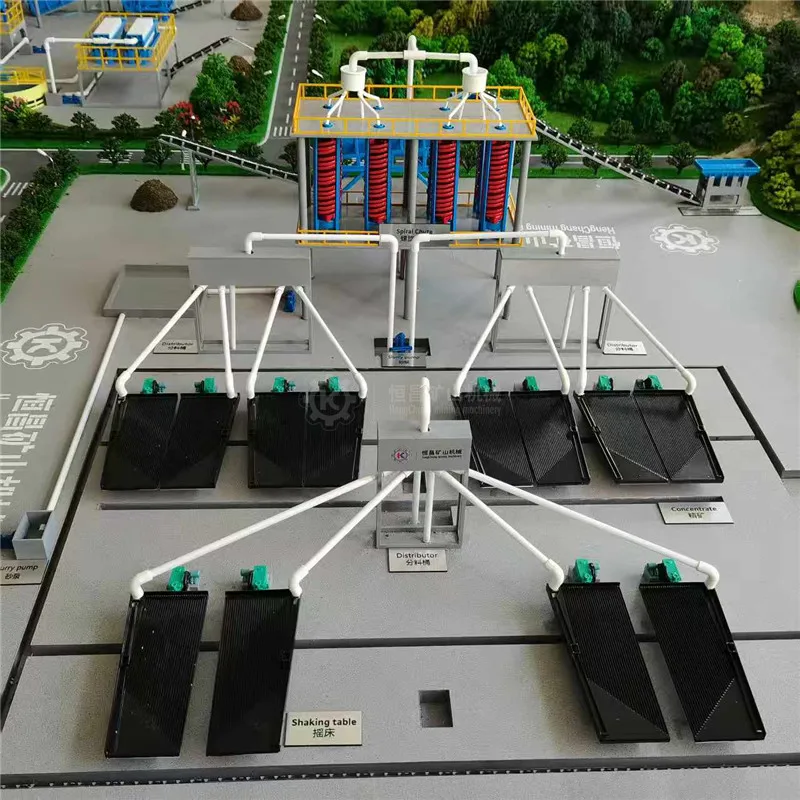
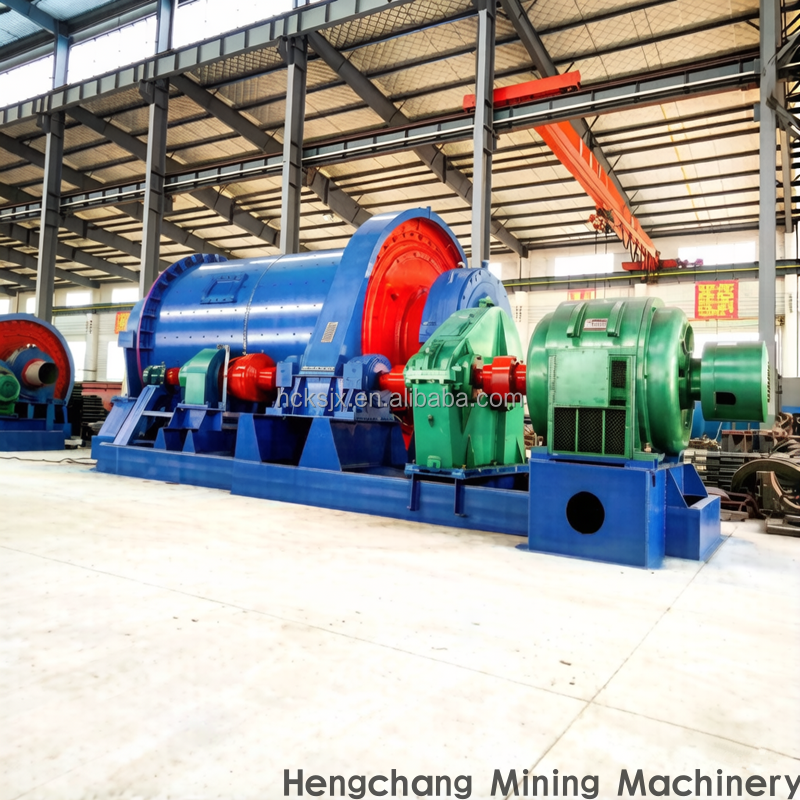
Small & Medium Scale Hard Rock: A full circuit using a ball mill, hydrocyclone, and multi-layer table is common for 5-50 tpd operations in Jiangxi.
Choosing Your Equipment: Why Brand Matters
When shopping for a multi-layer table, you'll see names from all over. But if you're serious about tin recovery, look closely at Jiangxi Hengchang Mining Machinery. Why? Because Hengchang has been building gravity separation equipment for the Jiangxi tungsten and tin industry for decades. Their tables are designed with the specific adjustment features needed for tin (very fine stroke control, chevron riffles, sturdy distribution system). They also offer good after-sales support and spare parts availability, which is vital when you are running 24/7.
Buying a "cheap competitor" might save you 15% upfront, but you'll lose that in missed recovery and downtime within a year. A well-built multi-layer table can work for 10-15 years with minimal issues.
Summary: Is It Worth It?
Yes, 100%. If you are processing tin ore and you are not considering a multi-layer shaking table for your fine recovery or cleaning stages, you are leaving money on the table—literally. The 2026 generation of these machines, with their improved head motions and wear-resistant decks, represent the best value proposition for tin processors. They offer a clear path to higher recovery, lower costs, and a simpler operation.
Whether you are a small miner in Africa or a large operation in Southeast Asia, this is the equipment that can change your financial statement. Review your current flowsheet. Check your tailings for fine tin. Then give a call to Jiangxi Hengchang Mining Machinery and ask about their multi-layer table setup for your specific ore.
Remember, in tin processing, the goal is not just to process more tons. It’s to recover more tin per ton. The multi-layer shaking table does exactly that.