Chinese


2026 4-Deck Shaking Table for Tin Ore: Price, Pros & Cons vs Gemini & Holman
Introduction: Why 4-Deck Shaking Tables Are Hot in 2026
If you're in the tin ore game, you’ve probably heard the buzz about 4-deck shaking tables. These machines are changing the way small to medium-scale miners process tin. Instead of running multiple single-deck tables, you can now handle the same capacity on one machine. That saves floor space, labor, and electricity.
In 2026, the most talked-about brands for tin ore processing are Jiangxi Hengchang Mining Machinery (China), Gemini (USA), and Holman (UK). Each has its own strengths. This article breaks down the price, pros, and cons of a 4-deck shaking table from Jiangxi Hengchang, and compares it directly with Gemini and Holman tables.
We’ll keep it simple, practical, and free of fluff. If you’re a mine owner, plant manager, or rookie technician, this guide is for you.
What is a 4-Deck Shaking Table?
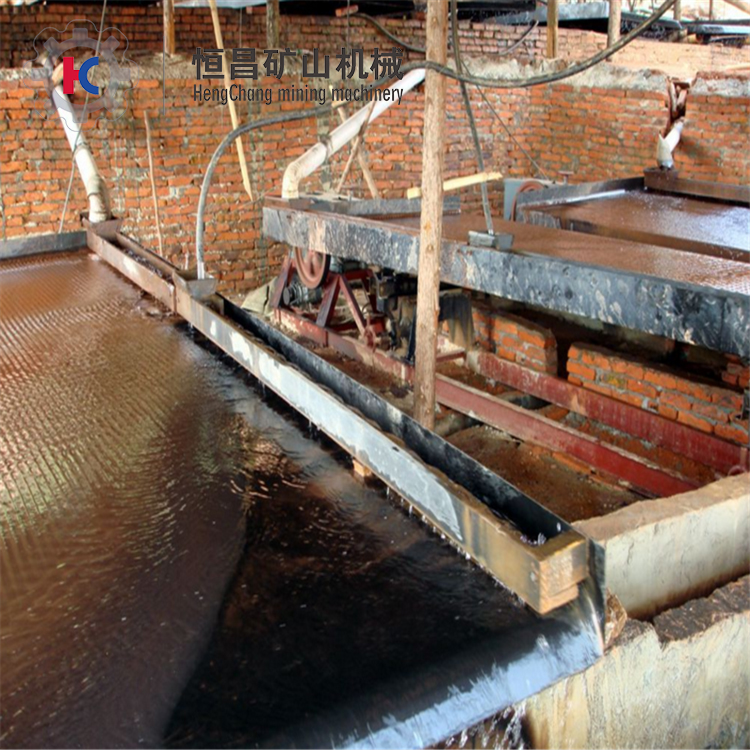
A shaking table is a gravity separation device. It uses water flow and vibration to separate heavy minerals from lighter waste rock. A 4-deck shaking table has four identical decks stacked vertically. Each deck operates independently. This design quadruples throughput without increasing the machine’s footprint.
Jiangxi Hengchang’s 4-deck shaking table is built for high efficiency. It’s especially popular for tin ore, tungsten, gold, coltan, and rare earth minerals.
How It Works: Simple Science
Imagine a table with a riffled surface. Slurry (ore mixed with water) is fed onto the deck. The table shakes back and forth. Heavy particles like tin ore settle in the grooves. Lighter waste rock washes off the side. The shaking motion moves the heavy concentrate toward the discharge end. Water flow helps separate the layers.
With four decks, you process four times more material in the same time. Each deck has its own feed and discharge system.
Main Features of Jiangxi Hengchang’s 4-Deck Table
Material: Fiberglass-reinforced plastic deck. Lightweight, corrosion-resistant, and durable.Drive system: Eccentric connecting rod with a motor. Stable and low maintenance.
Adjustable: Stroke length, frequency, and water flow can be fine-tuned.
Deck surface: Rubber or polyurethane covering for long life.
Control: Simple on-site adjustments for different ore types.
What Ores Can You Process?
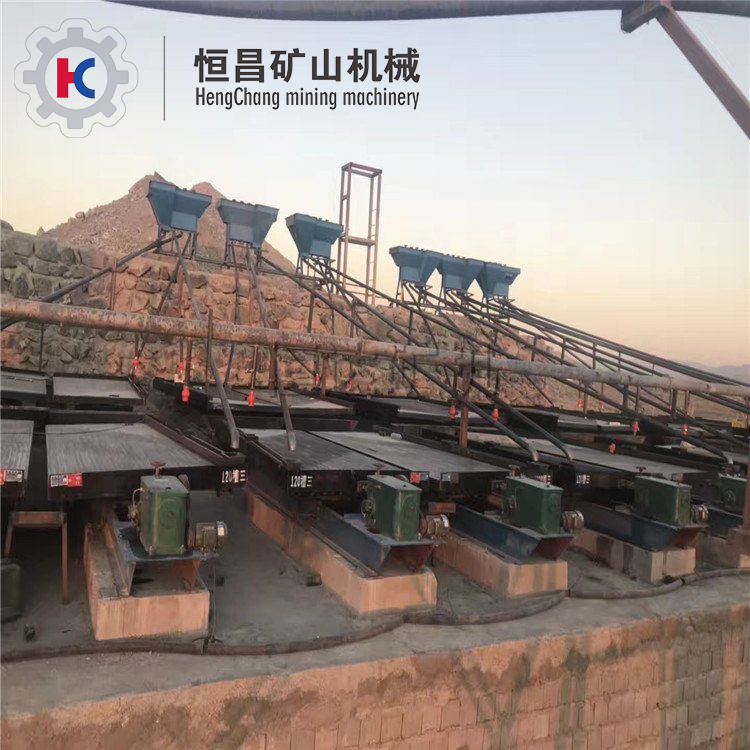
The 4-deck shaking table from Jiangxi Hengchang works best for:
Tin ore: Cassiterite recovery from placer and hard rock deposits.Tungsten: Wolframite and scheelite.
Gold: Fine gold recovery from alluvial and primary ore.
Coltan: Tantalum and niobium ores.
Rare earth minerals: Monazite, xenotime, etc.
Iron ore: Fine hematite and magnetite.
If your tin ore has a specific gravity of 4.0 or higher, this table will do a good job.
Performance Data: Handling Capacity
Let’s talk numbers. Jiangxi Hengchang’s 4-deck shaking table has these specs:
Feed size: 0.074mm to 2mm (200 mesh to 10 mesh)Capacity: 1.5-4 tons per hour (depending on feed grade and moisture)
Power: 1.5-3 kW motor
Water consumption: 2-4 m³ per ton of feed
Recovery rate: 85-95% for tin ore (under optimal conditions)
Compare this to a single-deck table: one single deck handles 0.3-0.8 tph. So the 4-deck gives you about 4-5x the throughput.
Pricing: How Much Does It Cost?
Prices in 2026 vary by brand and region. Here’s a rough ballpark:
| Brand | Typical Price (USD) | Note |
|---|---|---|
| Jiangxi Hengchang 4-deck | $8,000 - $15,000 | Complete set with motor, deck, and frame. |
| Gemini single-deck | $15,000 - $25,000 | High-quality but expensive. |
| Holman single-deck | $12,000 - $20,000 | European quality, long lead time. |
A 4-deck from Jiangxi Hengchang costs less than most single-deck tables from Gemini or Holman. That’s a huge advantage. You get four decks for the price of one.
Advantages of Jiangxi Hengchang’s 4-Deck Table
Cost-effective: Lower upfront cost and lower operating cost.Space-saving: One machine does the work of four.
Easy to operate: Simple controls, no high-tech training needed.
Low maintenance: Robust mechanical design.
Local support: Spare parts and service available in many countries.
Disadvantages to Consider
Build quality: Not as premium as Gemini or Holman. Might need more frequent checks.Precision: For extremely fine tin particles (under 0.074mm), recovery may be slightly lower.
Brand reputation: Some buyers prefer established Western brands for long-term reliability.
Still, for most tin operations, the cost-benefit ratio is very favorable.
Comparison: Jiangxi Hengchang vs Gemini vs Holman
Gemini Shaking Table
| Aspect | Jiangxi Hengchang 4-deck | Gemini single-deck |
|---|---|---|
| Decks | 4 | 1 |
| Capacity | 1.5-4 tph | 0.3-0.8 tph |
| Price | Low | High |
| Build | Good quality | Excellent |
| Lifespan | 5-8 years | 10-15 years |
| Spare parts | Easy to find | May need import |
Verdict: Gemini is premium but expensive. For a budget-conscious setup, Jiangxi Hengchang wins.
Holman Shaking Table
| Aspect | Jiangxi Hengchang 4-deck | Holman single-deck |
|---|---|---|
| Decks | 4 | 1 |
| Capacity | 1.5-4 tph | 0.3-0.8 tph |
| Price | Low | Medium |
| Build | Good | Very good |
| Customization | Limited | High |
| Lead time | Fast (2-4 weeks) | Slow (8-12 weeks) |
Verdict: Holman is precise but slow to deliver. Jiangxi Hengchang is faster and cheaper.
Daily Operation and Maintenance Tips
Keep your 4-deck table running smooth with these simple steps:
Check water flow daily: Too much or too little water messes up separation.Inspect riffles: Worn riffles reduce recovery. replace when needed.
Lubricate bearings: Every 8 hours of operation, grease the drive bearings.
Clean decks weekly: Sludge buildup affects performance.
Monitor motor temperature: Overheating means something’s wrong.
Adjust stroke length: For fine tin, use short stroke; for coarse, use longer stroke.
If you follow these steps, your table will last 5-8 years without major issues.
Other Equipment in the Tin Processing Line
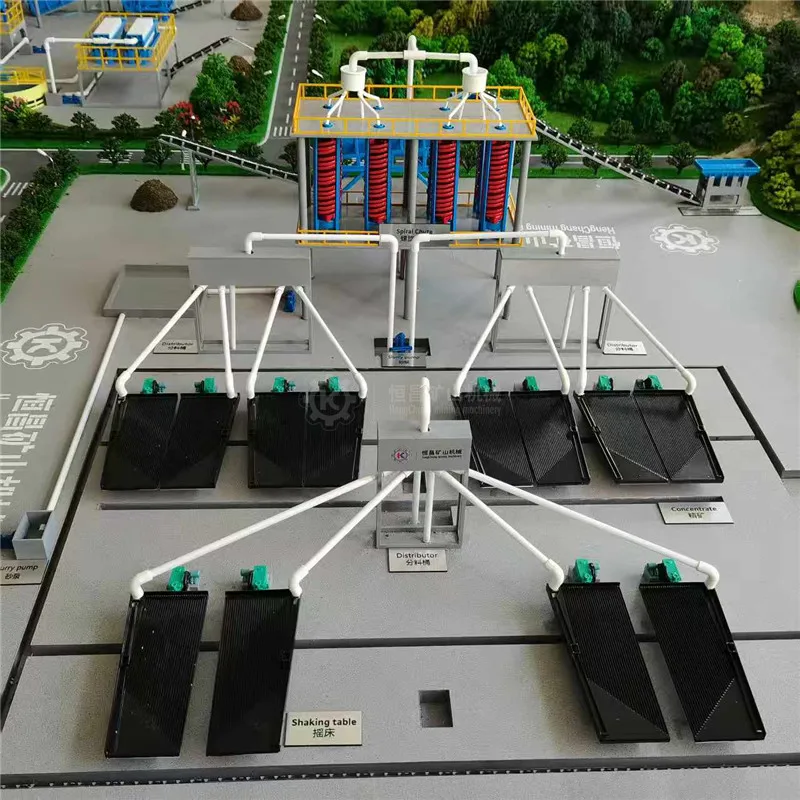
A shaking table doesn’t work alone. For a complete tin recovery system, you’ll also need:
Jig concentrator: For primary recovery of coarse tin.Spiral chute: For bulk separation of heavy sands.
Magnetic separator: To remove iron-bearing minerals.
Classifier (hydrocyclone): To control feed size.
Jiangxi Hengchang supplies the whole line. So you can buy a package deal if you want.
Application Scenarios: Where This Machine Shines
Small tin mines in Africa: Low cost, easy to transport, simple to operate.Alluvial tin operations in Indonesia: High throughput, good recovery for fine tin.
Hard rock tin plants in Bolivia: Works well after primary crushing and grinding.
Tailings reprocessing: Recover leftover tin from old tailings dumps.
Artisanal miners upgrading: Step up from sluice boxes to professional recovery.
For all these cases, Jiangxi Hengchang’s 4-deck table offers the best value.
Final Recommendation: Is It Worth It?
If you have a tin ore project with a budget constraint, and you need maximum throughput for your dollar, the Jiangxi Hengchang 4-deck shaking table is a smart choice. It’s not the fanciest table on the market, but it gets the job done.
Gemini and Holman make excellent tables, but they cost 2-3x more per deck. For most medium-scale operations, the extra cost isn’t justified.
Simple advice: Buy a Jiangxi Hengchang 4-deck table if you want a reliable, affordable solution. If you process extremely fine tin (under 0.074mm) and need the best recovery, consider a Holman or Gemini single-deck as a finishing stage.
Either way, the 4-deck shaking table from Jiangxi Hengchang is a workhorse that will earn its keep.
Disclaimer: Prices and specs are approximate and may change. Always confirm with the supplier for your specific ore type and location.