Chinese


2026 Gold Ore Processing: Which Shaking Table Model Is Best for Your Mine?
Introduction
Hey there, miners and mining enthusiasts! Are you looking for the best way to boost your gold ore processing efficiency in 2026? If so, you've got to consider the trusty shaking table. This piece of equipment is a game-changer in the world of mineral processing. In this article, we'll dive into everything you need to know about shaking tables, including their working principles, structural features, and which models are best suited for your mining operation. Plus, we'll give you some insider tips on maintenance and how to choose the right one from reputable brands like [Jiangxi Hengchang Mining Machinery Equipment].
What is a Shaking Table?
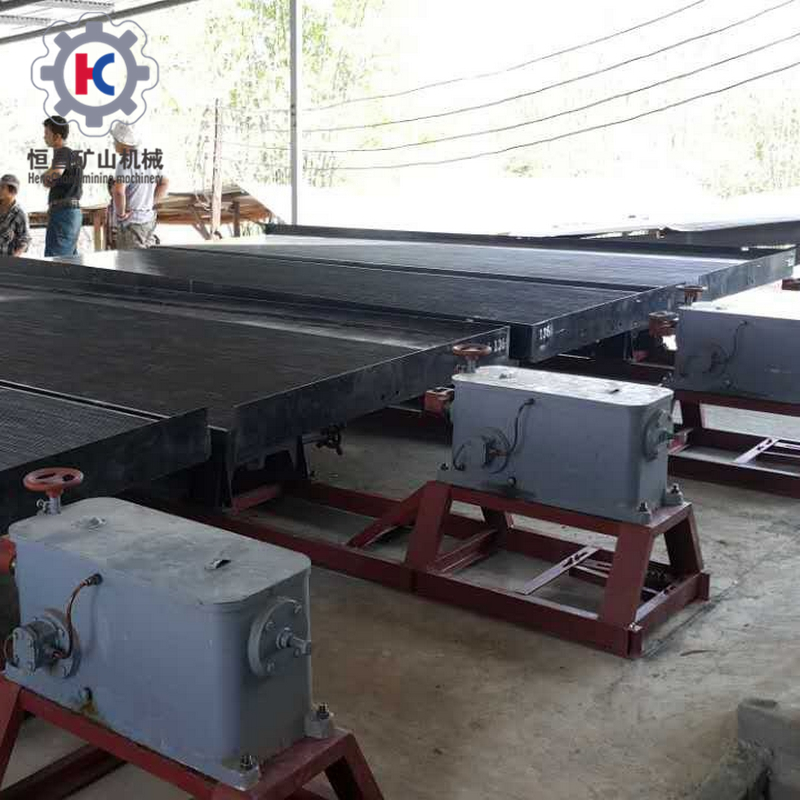
A shaking table, also known as a concentrating table, is a type of gravity concentration device used in mining operations to separate particles based on density. It's particularly effective for separating gold, tin, tungsten, and other heavy minerals from lighter gangue materials.
Key Uses
Gold Ore Processing: Ideal for separating gold from quartz and other minerals.Tin and Tungsten Recovery: Efficiently separates these valuable metals from ore.
Other Heavy Minerals: Useful for various other applications where gravity separation is effective.
Real-World Cases
International Examples
In South Africa, a large gold mine implemented shaking tables as part of their processing line. The result was a significant increase in gold recovery rates, up to 95%, and a substantial reduction in processing costs.
Domestic Examples
In China, a tungsten mine switched to shaking tables for their beneficiation process. They reported a 10% improvement in tungsten recovery and a notable decrease in operational expenses.
How Does a Shaking Table Work?
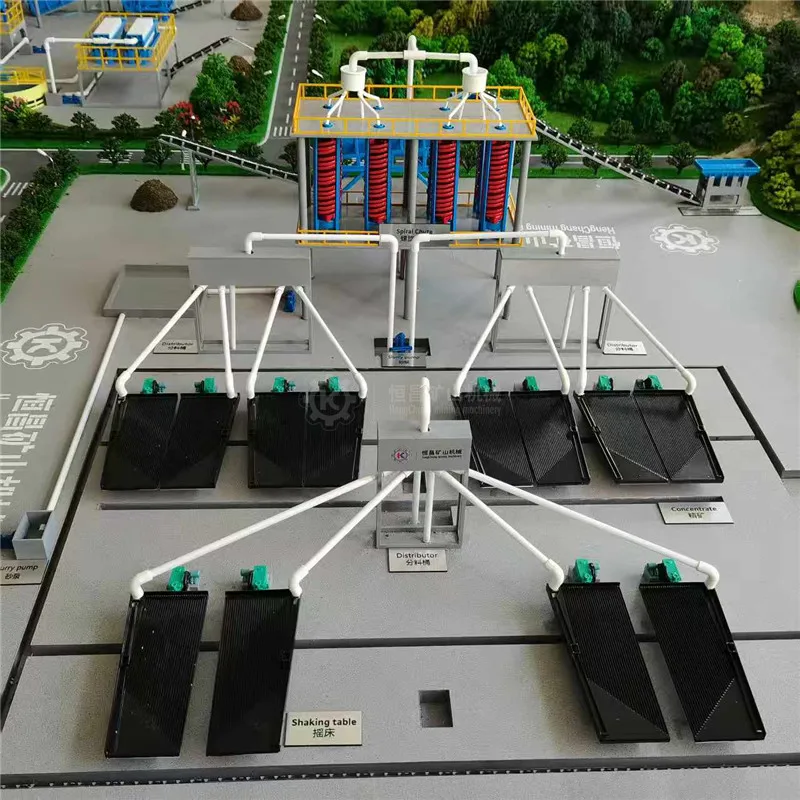
The shaking table works by using a combination of gravity and lateral shaking motion to separate particles. Here's a simplified breakdown:
Feeding: Ore is fed onto the table at one end.Shaking Motion: The table shakes laterally, causing heavier particles to move towards the center while lighter ones move to the edges.
Separation: Concentrates (valuable minerals) collect at the center, while tailings (waste material) move to the sides and are discharged.
Structural Features
Key Components
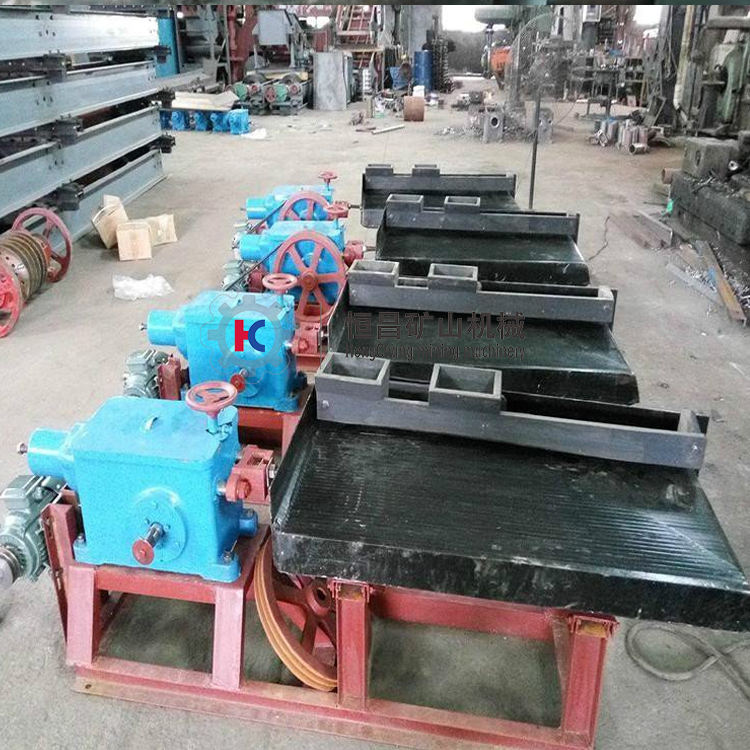
Bed: The flat surface where the ore is spread and separated.Riffles: Grooves that help guide the flow of water and separate minerals.
Feed Box: Where the ore is introduced onto the table.
Water Supply: Essential for creating the right conditions for separation.
Advantages of the Design
Efficiency: High separation efficiency, especially for fine particles.Flexibility: Can handle a wide range of ore types and particle sizes.
Cost-Effective: Lower operating costs compared to other concentration methods.
Which Ores Are Suitable?
Shaking tables are versatile and can be used for processing:
Gold OreTin Ore
Tungsten Ore
Iron Ore
Copper Ore
Advantages of Using a Shaking Table
High Recovery Rates
Shaking tables can achieve recovery rates of up to 95% for certain minerals, making them one of the most effective methods available.
Low Operating Costs
Compared to other beneficiation methods, shaking tables have relatively low operating costs, making them a cost-effective solution for miners.
Simple Operation
They are relatively easy to operate and require minimal training, making them accessible for mines of all sizes.
Processing Capacity
The processing capacity of a shaking table varies depending on the model and the specific conditions of the mine. On average, a well-designed shaking table can process between 1-3 tons per hour.
Daily Operation and Maintenance
Tips for Optimal Performance
Regular Cleaning: Keep the table and riffles clean to prevent clogging.Proper Water Flow: Ensure consistent water flow for optimal separation.
Regular Inspection: Check for wear and tear on moving parts.
Common Issues and Solutions
Clogging: Regular cleaning can prevent this.Uneven Feeding: Ensure a consistent feed rate and particle size.
Comparison with Other Beneficiation Equipment
Advantages Over Crushers and Screens
Higher Separation Efficiency: Especially for fine particles.Lower Energy Consumption: More energy-efficient than crushers.
Differences from Flotation Cells
Mechanism: Uses gravity separation vs. froth flotation.Applicability: Better suited for heavy minerals vs. sulfide ores.
Application Scenarios
Ideal Conditions
Small to Medium-Sized Mines: Perfect for operations with limited space and budget.High-Grade Ores: Especially effective for high-grade gold and tungsten ores.
Less Suitable Conditions
Large-Scale Mines: Might be less efficient for very large operations.Low-Grade Ores: Might require additional processing steps.
Conclusion
Choosing the right shaking table model for your mine is crucial for maximizing efficiency and profitability. Remember to consider factors like ore type, particle size, and processing capacity. And don't forget to check out [Jiangxi Hengchang Mining Machinery Equipment] for some of the best shaking tables on the market.
By understanding how shaking tables work and their advantages, you can make an informed decision that will boost your mining operation's success in 2026 and beyond!
Happy mining!