Chinese


2026: Shaking Table for Gold Mining: Types, Selection & Case Studies
What is a Shaking Table?
Hey there, mining folks! Today, we're diving into one of the most essential tools in gold mining - the shaking table. Also known as a gravity concentration table, this piece of equipment is a game-changer for separating valuable minerals from waste rock.
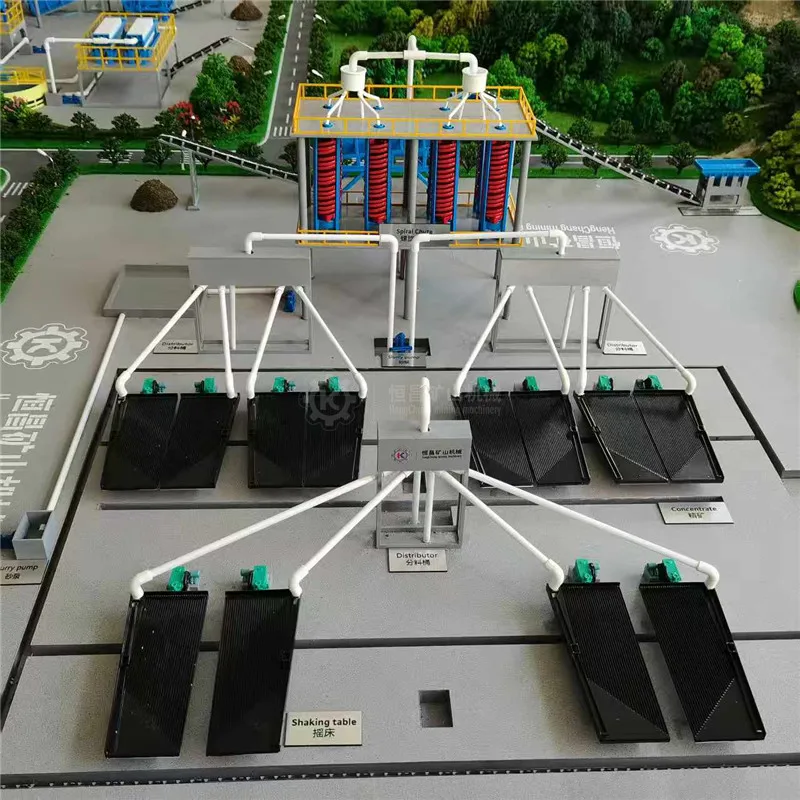
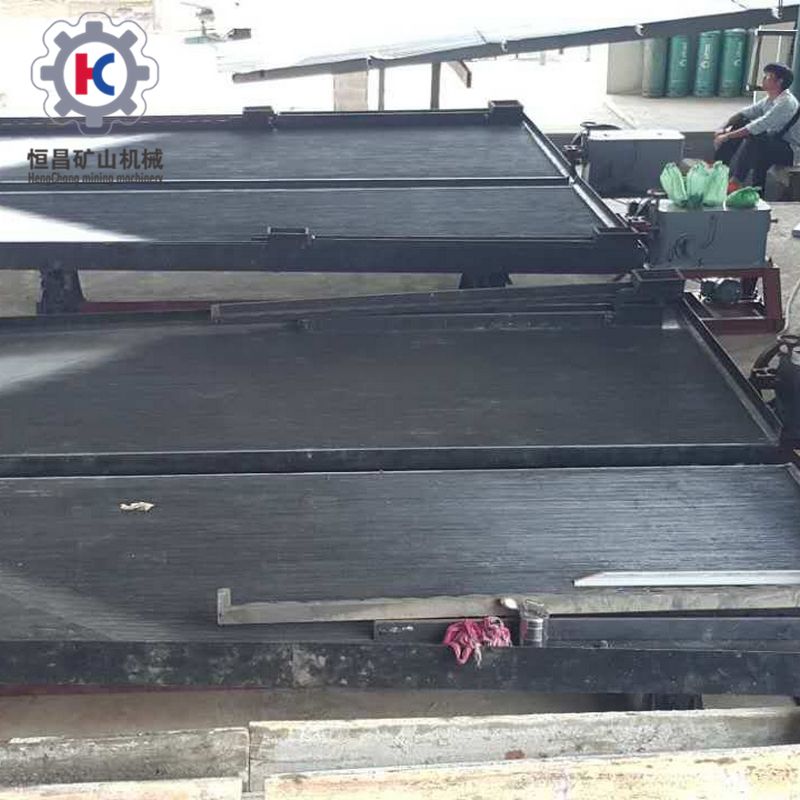
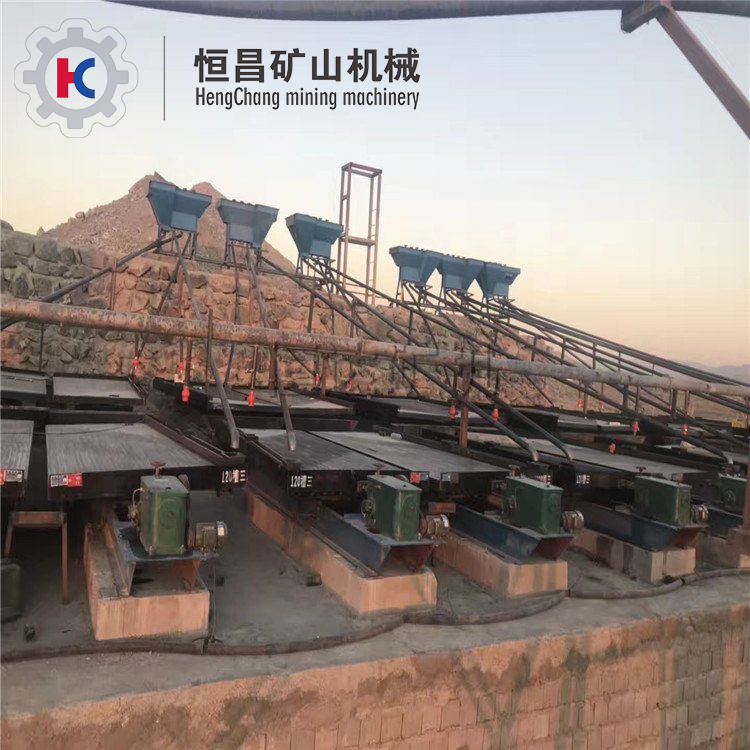
Imagine a flat, rectangular table that gently shakes back and forth. That's pretty much what a shaking table looks like. But don't let its simple appearance fool you; it's a powerful tool that uses gravity and vibration to separate minerals based on their density and size.
Real-World Cases from Around the Globe
Let's take a look at some real-world examples of how shaking tables are used in gold mining:
Australia: In Western Australia, a prominent gold mine uses shaking tables to process over 500 tons of ore per day. The tables effectively separate gold from quartz and other gangue materials.
South Africa: A large gold mining company in South Africa employs shaking tables in their processing plant. These tables have significantly increased the efficiency of their gold recovery process, achieving a recovery rate of over 90%.
United States: In California, a historic gold mine has been using shaking tables for decades. The mine's operators credit the tables for their high-grade gold production and low operating costs.
How Does a Shaking Table Work?
So, how exactly does a shaking table work? Here's the lowdown:
Feeding: The ore is first crushed and then fed onto the shaking table.
Shaking Action: The table shakes back and forth at a specific frequency and amplitude. This shaking action causes the lighter waste material to move towards the surface, while the heavier gold particles settle at the bottom.
Separation: As the shaking continues, the gold particles gradually move towards the center of the table, forming a "pay streak". The waste material is washed away, leaving behind the concentrated gold.
Structural Features
Shaking tables have several key structural features that make them effective:
Trough: The main body of the table, where the ore is placed.
Riffles: These are grooves or ridges on the table's surface that help separate the minerals based on their size and density.
Water Supply: Water is used to wash away the lighter waste material and to help concentrate the gold.
Which Ores Are Suitable for Shaking Tables?
Shaking tables are versatile and can be used for a variety of ores, including:
Gold Ore: As mentioned, shaking tables are excellent for separating gold from quartz and other gangue materials.
Copper Ore: They can also be used to separate copper from other minerals.
Iron Ore: Shaking tables can help concentrate iron ore by separating it from lighter waste materials.
Advantages of Using a Shaking Table
Why choose a shaking table over other separation methods? Here are some key advantages:
High Efficiency: Shaking tables can achieve high recovery rates, often exceeding 90%.
Low Operating Costs: They require minimal energy and water, making them cost-effective.
Simple Operation: The operation of a shaking table is relatively straightforward, requiring minimal training.
Processing Capacity
The processing capacity of a shaking table depends on several factors, including its size, the type of ore, and the desired level of concentration. Generally, a well-designed shaking table can process anywhere from a few tons to over 100 tons of ore per hour.
Daily Operation and Maintenance
To keep your shaking table running smoothly, here are some tips for daily operation and maintenance:
Regular Inspection: Check the table for any signs of wear or damage.
Proper Feeding: Ensure that the ore is evenly distributed across the table.
Water Quality: Use clean water to prevent clogging and ensure effective separation.
Comparison with Other Mining Equipment
Compared to other mining equipment, shaking tables offer unique advantages:
Screw Concentrators: While screw concentrators are effective, they require more energy and maintenance than shaking tables.
Centrifugal Concentrators: These are faster but can be more expensive and complex to operate.
Application Scenarios
Shaking tables are ideal for:
Small-Scale Mines: They are perfect for small operations with limited resources.
High-Grade Ores: For ores with high concentrations of valuable minerals, shaking tables can be incredibly efficient.
Remote Locations: Due to their simplicity and low operating costs, they are ideal for remote mining locations.
Conclusion
In conclusion, the shaking table is a vital tool in gold mining, offering high efficiency, low operating costs, and simple operation. Whether you're a small-scale miner or part of a large mining operation, a shaking table can significantly improve your gold recovery process.
And remember, if you're looking for high-quality shaking tables, Jiangxi Hengchang Mining Machinery Equipment is a brand you can trust. They offer durable, reliable equipment that can meet the demands of your mining operation.
Happy mining!