Chinese


200 TPD Tungsten Ore Line ROI
If you are searching for a 200 TPD tungsten ore line ROI, you probably want a straight answer: how much will it cost, how much will it make, and how fast will it pay back?
Here is the honest truth: no responsible equipment supplier can give you one fixed payback number. Tungsten ore is not uniform. A 200 TPD line in Jiangxi may behave totally differently from one in Rwanda or Bolivia. Feed grade, mineral type, liberation size, recovery, reagent cost, power price, labor, and concentrate grade all pull the ROI up or down.
But you can still build a realistic ROI model. And if you choose the right process design and equipment partner — like Jiangxi Hengchang Mining Machinery Equipment — you can avoid the expensive mistakes that kill payback.
Let’s break it down in plain language.
Why 200 TPD Is a Sweet Spot for Tungsten
A 200 TPD tungsten processing line — about 200 tons per day — is a comfortable small-to-medium scale. It is big enough to make money, but small enough to keep CAPEX and permitting manageable.
For many tungsten miners, 200 TPD works well because:
It fits narrow vein underground mines and small open pits.It is easier to finance than a 1,000 TPD plant.
It can be built modularly and shipped in containers.
It can be expanded later if the ore body proves out.
It suits gravity separation for coarse wolframite and flotation for fine scheelite.
That flexibility is why 200 TPD tungsten ore lines are common in China, Southeast Asia, Africa, and South America.
The Real ROI Formula for a 200 TPD Tungsten Ore Line
Forget vague promises. Use this simple formula:
Annual Revenue = Daily Throughput × Feed Grade × Recovery × Operating Days × Tungsten Price
Then subtract your costs:
Annual Net Cash Flow = Revenue − Mining Cost − Processing Cost − Labor − Power − Reagents − Maintenance − Taxes
Payback Period = Total CAPEX ÷ Annual Net Cash Flow
Here is an illustrative example, not a guarantee:
200 TPD throughput0.25% WO₃ feed grade
75% recovery
250 operating days per year
65% WO₃ concentrate
Contained WO₃ per day: 200 × 0.25% = 0.5 tons
Recovered WO₃: 0.5 × 75% = 0.375 tons
65% concentrate: about 0.58 tons per day
Annual concentrate: about 145 tons
At a market-dependent concentrate price, revenue can be substantial. But the real number depends on your actual grade, recovery, and operating cost. The point is this: small changes in recovery and grade swing ROI far more than a small discount on equipment price.
If your recovery drops from 75% to 60%, you lose 20% of your revenue. No cheap crusher can make up for that.
Equipment That Actually Moves the ROI Needle
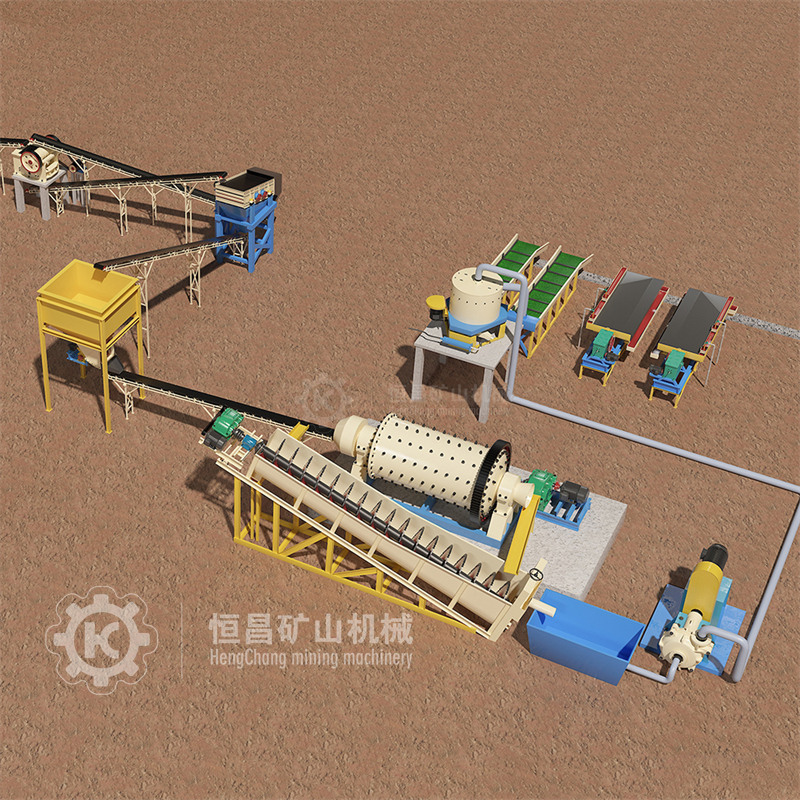
A 200 TPD tungsten ore line usually includes:
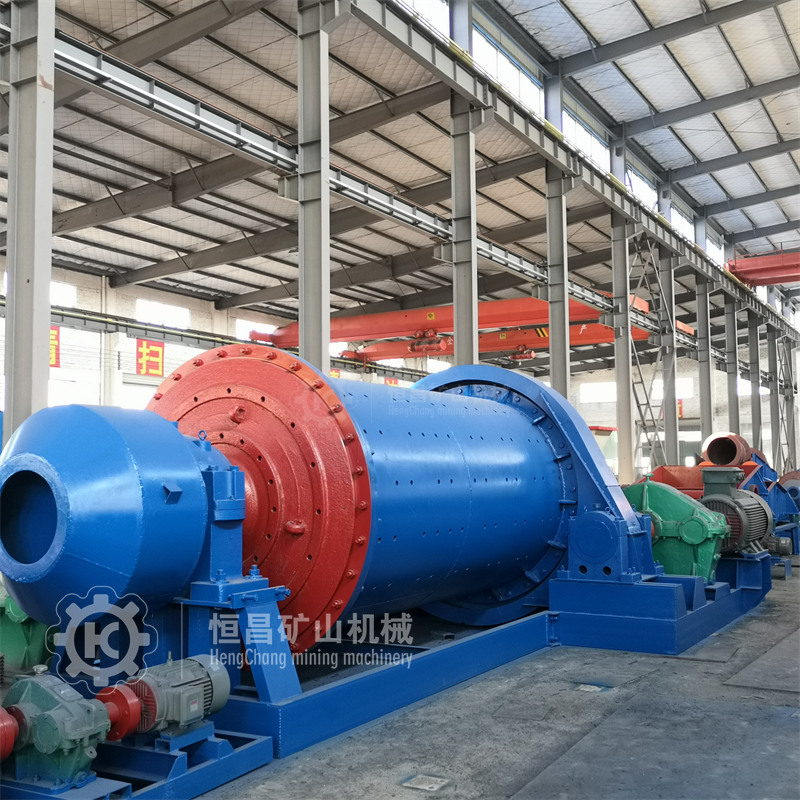
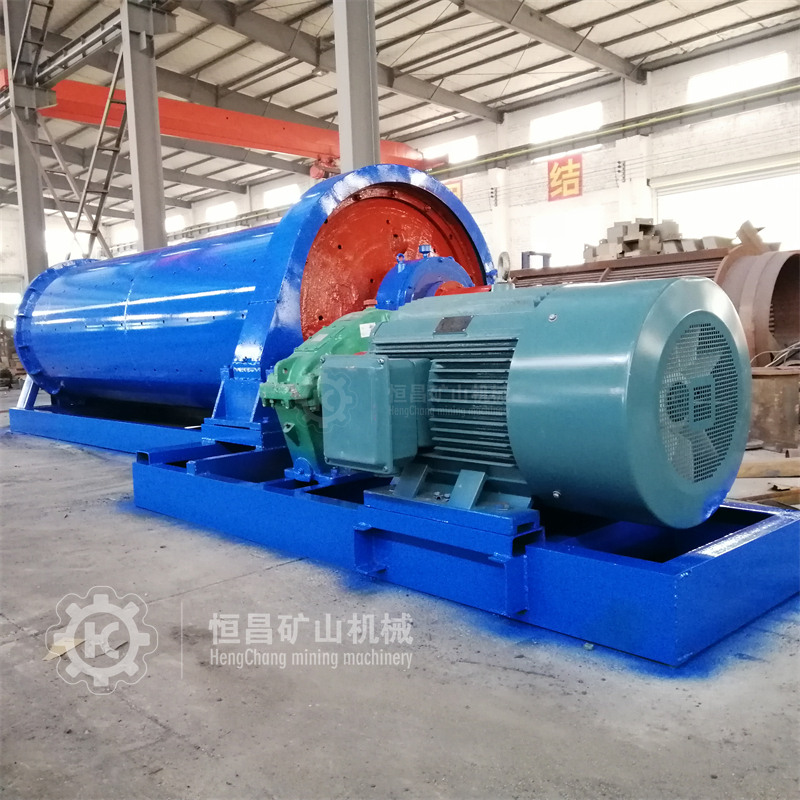
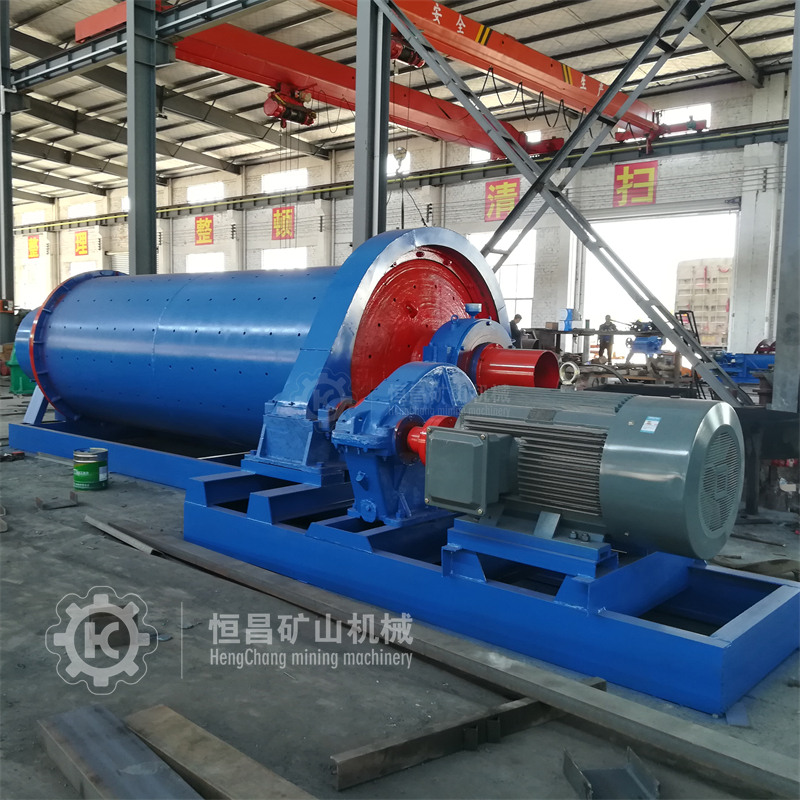
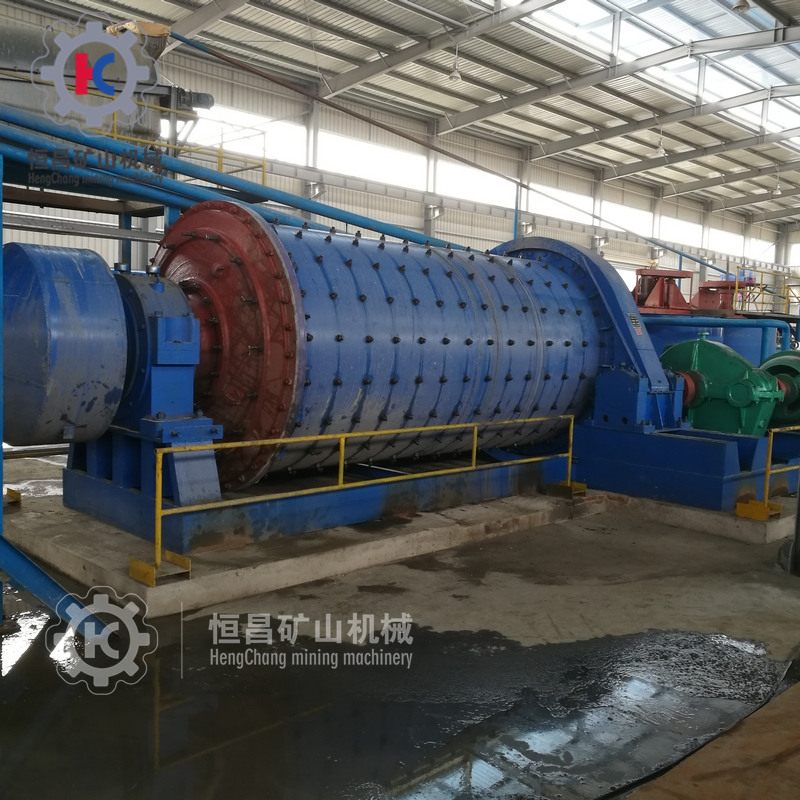
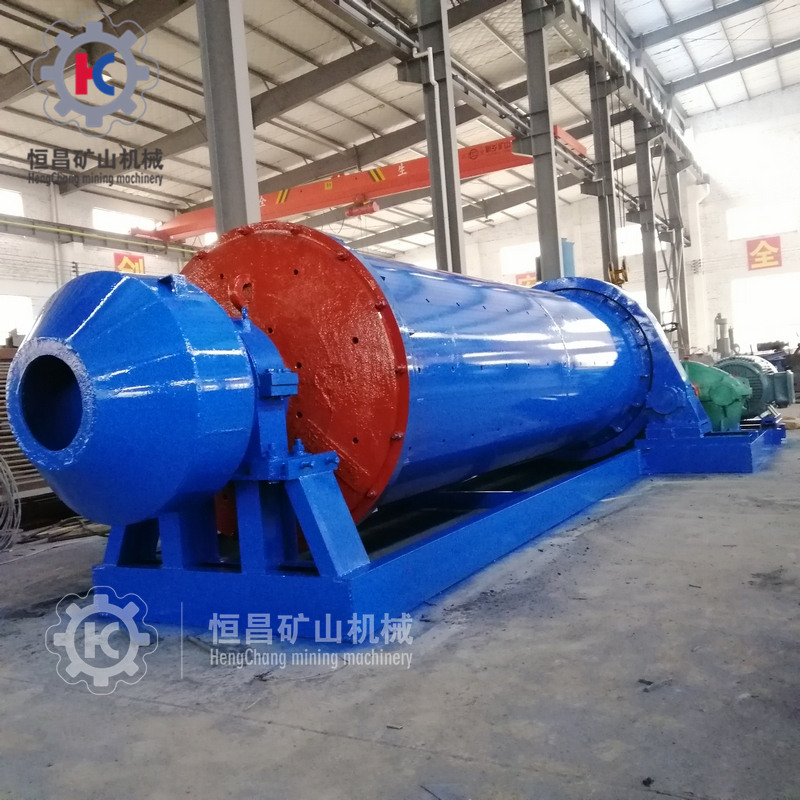
Jaw crusher and cone crusher for coarse crushingBall mill and spiral classifier for grinding
Jig, spiral chute, and shaking table for gravity separation
Flotation cells for scheelite and fine slime
Thickener, filter press, and dryer for dewatering
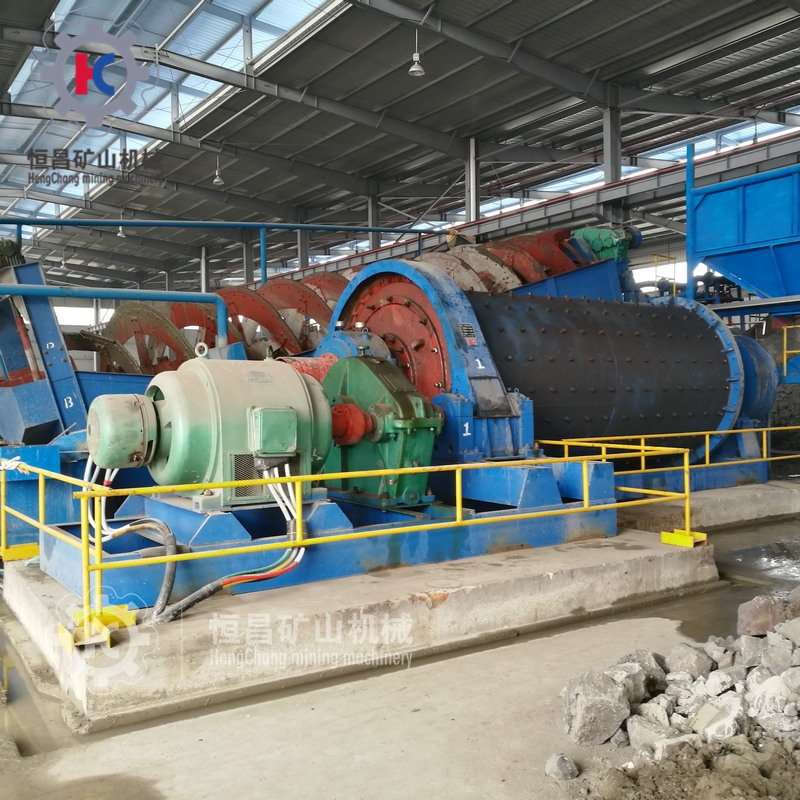
For wolframite, gravity separation is the backbone. Tungsten minerals are heavy and brittle. You want to recover them as early as possible, before they turn into slime.
For scheelite, flotation is often the main process. Magnetic separation can help separate wolframite from associated minerals.
Jiangxi Hengchang Mining Machinery Equipment builds complete 200 TPD tungsten ore lines, not just single machines. That matters because ROI is a system result. One weak link — undersized mill, poor classification, wrong jig stroke — can drop recovery and wipe out profit.
Application Scenarios: Where 200 TPD Tungsten Lines Win
A 200 TPD line is not for every deposit. It shines in these situations:
Small underground wolframite vein mines with feed grades between 0.2% and 0.6% WO₃.Scheelite skarn projects that need flotation and gravity combined.
Tailings reprocessing where old waste still contains recoverable tungsten.
Mine expansion projects moving from 50 TPD to 200 TPD.
Remote camps where modular, low-water, low-power designs are needed.
If your ore has byproducts like tin, molybdenum, copper, or sulfur, you can often recover them too. Byproduct credits can improve ROI significantly.
Domestic Success Case: 200 TPD Wolframite Line in Jiangxi
In southern Jiangxi, a small underground wolframite mine was running an old 80 TPD plant. Recovery was unstable, slime loss was high, and concentrate grade struggled to reach 60% WO₃.
They upgraded to a 200 TPD tungsten ore line using a simple three-stage design:
Two-stage crushing to 10 mmBall mill + spiral classifier
Jig + shaking table gravity circuit
Middling regrind and recleaner
With Jiangxi Hengchang Mining Machinery Equipment providing the crusher, ball mill, jigs, and shaking tables, the plant reached:
Stable 78%–82% recovery65% WO₃ concentrate grade
Lower water consumption after adding a thickener
Payback in roughly 18 months based on their actual operating cost
The biggest gain was not a single machine. It was better liberation and less over-grinding. That is a classic ROI lesson in tungsten.
International Success Case: 200 TPD Tungsten Plant in Rwanda
Rwanda has many small wolframite operations. One 200 TPD project needed a compact plant that could run with limited water and a diesel generator.
The feed was coarse wolframite with heavy quartz. The solution was a gravity-first flowsheet:
Trommel scrubber for washing clayJaw crusher
Ball mill
Jig for coarse tungsten
Shaking tables for fine tungsten
Magnetic separator for final cleaning
The plant was shipped in containers and commissioned in about eight weeks. Because the ore was relatively coarse, recovery reached over 80% without complex flotation.
This is where Jiangxi Hengchang Mining Machinery Equipment has a strong advantage: they design around the ore, not around a catalog. They can supply a complete 200 TPD line that fits local power, water, and labor conditions.
Another International Case: Bolivia Tin-Tungsten Project
In Bolivia, a 200 TPD project had both tin and tungsten. The tungsten was fine and closely associated with cassiterite.
The flowsheet combined:
Gravity separation for coarse valuesHigh-intensity magnetic separation for wolframite
Flotation for fine scheelite and sulfides
Gravity concentration for tin byproduct
The ROI improved not just from tungsten, but from tin credits. When you have a mixed ore, the plant design must recover every payable mineral. Otherwise, you leave money in the tailings.
Five Ways to Improve 200 TPD Tungsten Ore Line ROI
Before you buy equipment, do these five things:
Run a proper mineralogy and test work. Know your tungsten mineral type, liberation size, and slime behavior.Design for your actual ore. A copy-paste flowsheet from another mine often fails.
Control grinding size. Over-grinding creates slime and kills gravity recovery.
Recover byproducts. Tin, molybdenum, copper, and sulfur can pay the power bill.
Choose a supplier who supports commissioning and training. A line that runs at design recovery from day one pays back faster.
Why Jiangxi Hengchang Mining Machinery Equipment?
Jiangxi Hengchang Mining Machinery Equipment has been supplying mineral processing equipment for tungsten, gold, tin, coltan, and other ores for years. For a 200 TPD tungsten ore line, they can provide:
Ore testing and process designComplete equipment supply
Plant layout and installation guidance
Commissioning and operator training
Spare parts and after-sales support
They work in China and overseas, including Africa, Southeast Asia, and South America. That matters because a 200 TPD line is not just a purchase — it is a production system.
Quick ROI Checklist for Your 200 TPD Tungsten Ore Line
Before you sign, ask:
What is my average feed grade?What recovery is realistic after test work?
What concentrate grade can I sell?
What is my power and water cost?
How many days per year can I actually run?
Are there byproducts worth recovering?
What is the total installed CAPEX, not just machine price?
How fast can Hengchang deliver and commission?
Final Word
The ROI of a 200 TPD tungsten ore line is not a magic number. It is built from good geology, correct test work, smart process design, and reliable equipment. A cheap line that loses 15% recovery is expensive. A well-designed line that recovers more tungsten and byproducts pays for itself.
If you are planning a 200 TPD tungsten processing plant, talk to Jiangxi Hengchang Mining Machinery Equipment. Share your ore test report, and they can help you build a realistic ROI model — and a plant that actually hits it.