Chinese


100 TPD Tin Ore Plant ROI Risks
If you are planning a 100 TPD tin ore plant, the idea sounds simple: process 100 tons per day, recover the tin, sell the concentrate, and make your money back. In reality, the difference between a good tin project and a money pit usually comes down to a few hard numbers — feed grade, recovery, uptime, operating cost, and tin price.
Let’s be real. A 100 TPD plant is small enough to be affordable, but it is also small enough that mistakes hurt fast. One week of bad feed, one wrong equipment choice, or one bottleneck in the gravity circuit can turn a 12-month payback into a 3-year grind.
This article breaks down the real ROI risks of a 100 TPD tin ore plant, what successful projects do differently, and where a reliable partner like Jiangxi Hengchang Mining Machinery Equipment can help you avoid expensive guesswork.
The Simple ROI Math — and Where It Breaks
A basic tin plant ROI formula looks like this:
Daily tin metal = 100 tpd × feed grade × recovery
For example:
Feed grade: 0.8% SnRecovery: 70%
Daily tin metal: 100 × 0.008 × 0.70 = 0.56 tonnes Sn
Tin price: $28,000/tonne
Gross daily revenue: $15,680
That looks good. But then subtract power, water, labor, maintenance, reagents, transport, smelter penalties, taxes, and downtime. Suddenly, your margin depends on every small detail.
The biggest ROI risks in a 100 TPD tin ore plant are not mysterious. They are predictable. Let’s go through them.
1. Feed Grade Variation Is the Silent Killer
Tin ore bodies are rarely uniform. One week you may run 1.2% Sn, the next week 0.4% Sn. If your plant is designed only for high-grade feed, you will lose money when the grade drops.
Successful 100 TPD tin plants use:
Proper sampling and grade controlBlending from different zones
Flexible circuit design that can handle lower grades
Pre-concentration where possible
Never build a tin plant based on the best drill hole. Build it based on the average grade, and make sure the flowsheet can survive the low-grade days.
2. Mineralogy and Liberation Problems
Tin mainly comes from cassiterite, which has a high specific gravity. That is why tin ore gravity separation is so common. But gravity only works if the tin is liberated from the waste rock.
Common problems:
Fine cassiterite locked in sulfidesTin lost in slimes
Iron oxides and gangue minerals confusing the separation
Overgrinding, which creates ultra-fine tin that gravity cannot catch
A 100 TPD plant often needs a combination of jig, shaking table, spiral chute, and sometimes flotation or magnetic separation. The right circuit depends on your ore, not on a generic catalogue.
This is where Jiangxi Hengchang Mining Machinery Equipment often helps. They look at the ore test report first, then recommend a flowsheet that matches the mineralogy instead of forcing the ore into a cookie-cutter plant.
3. Equipment Selection: Cheap Now, Expensive Later
A 100 TPD tin ore plant is not a place to buy the cheapest jig or shaking table. Low-quality equipment can cost you in three ways:
Lower recoveryMore downtime
Higher spare parts cost
Good gravity equipment should be durable, easy to adjust, and matched to your feed size. For tin, the key machines usually include:
Trommel scrubber or washing plant for alluvial oreJaw crusher and cone crusher for hard rock
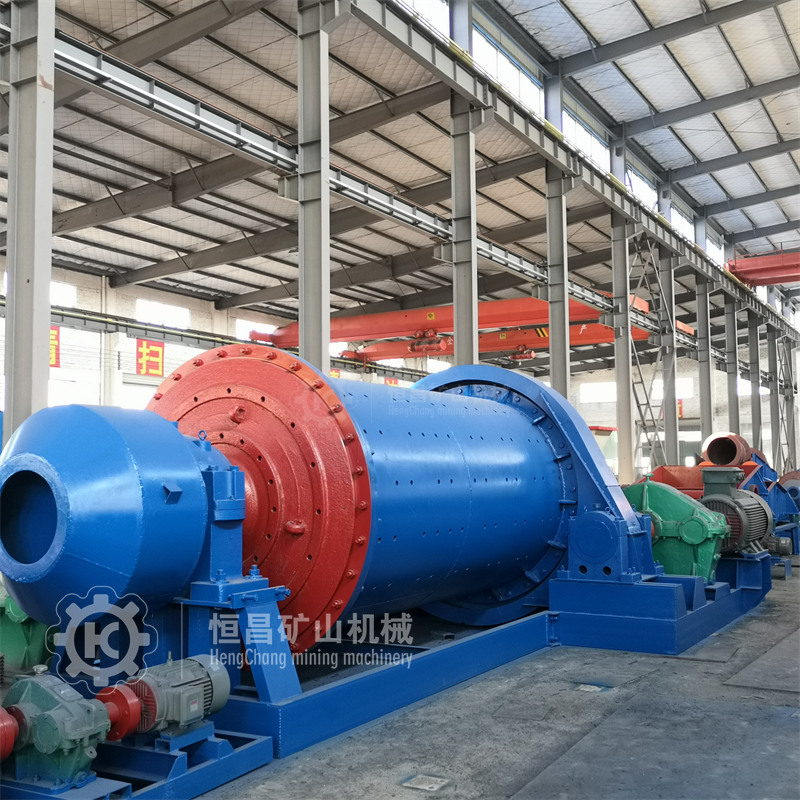
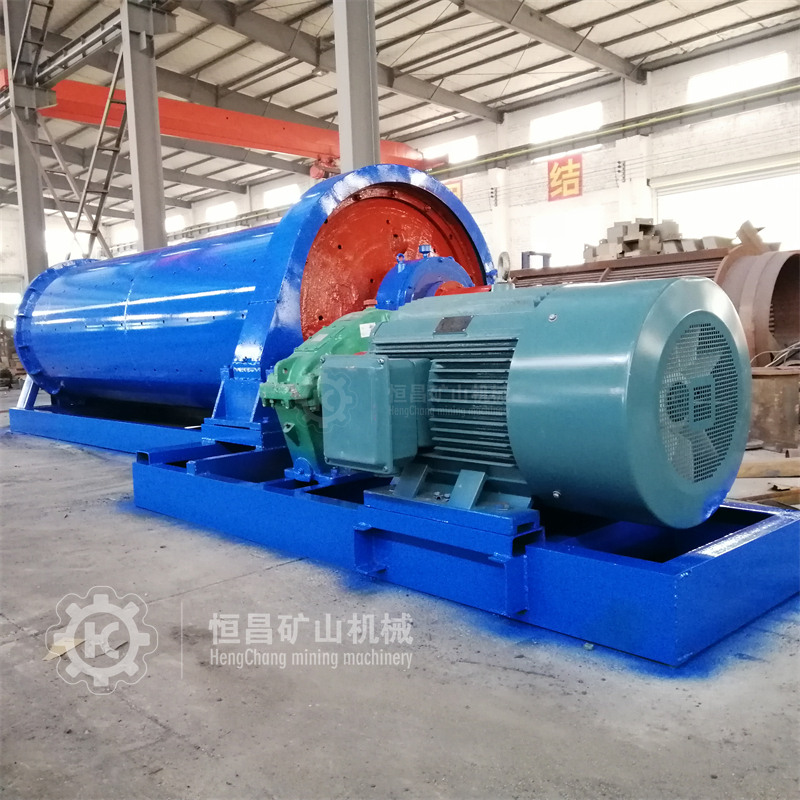
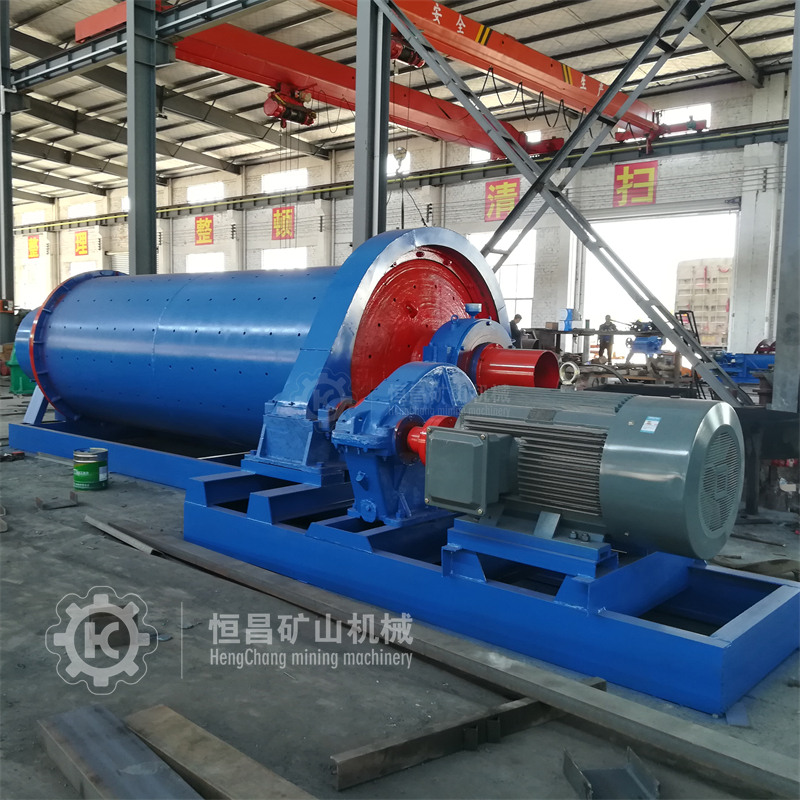
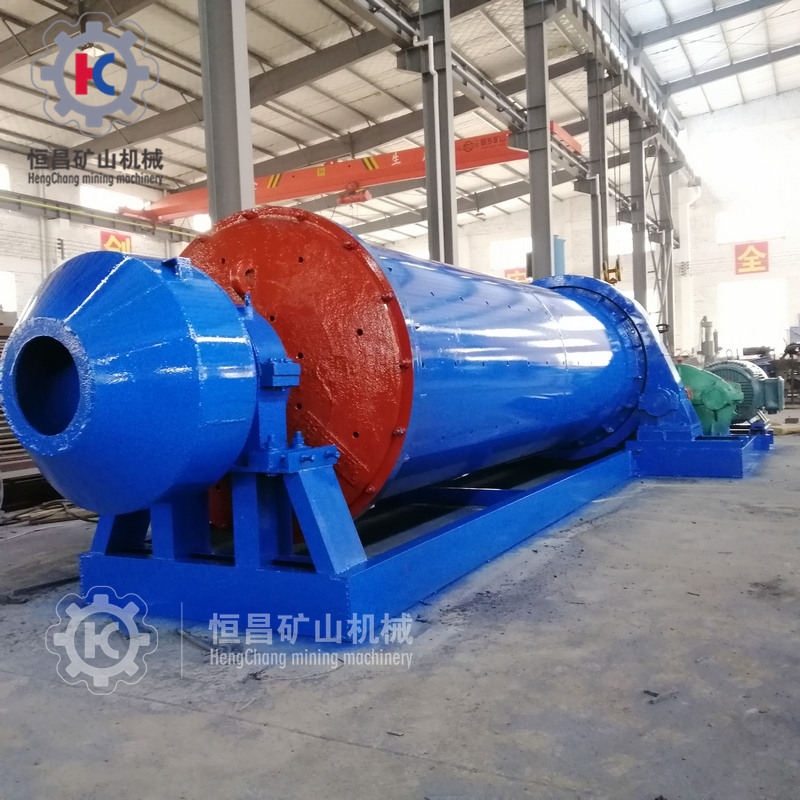
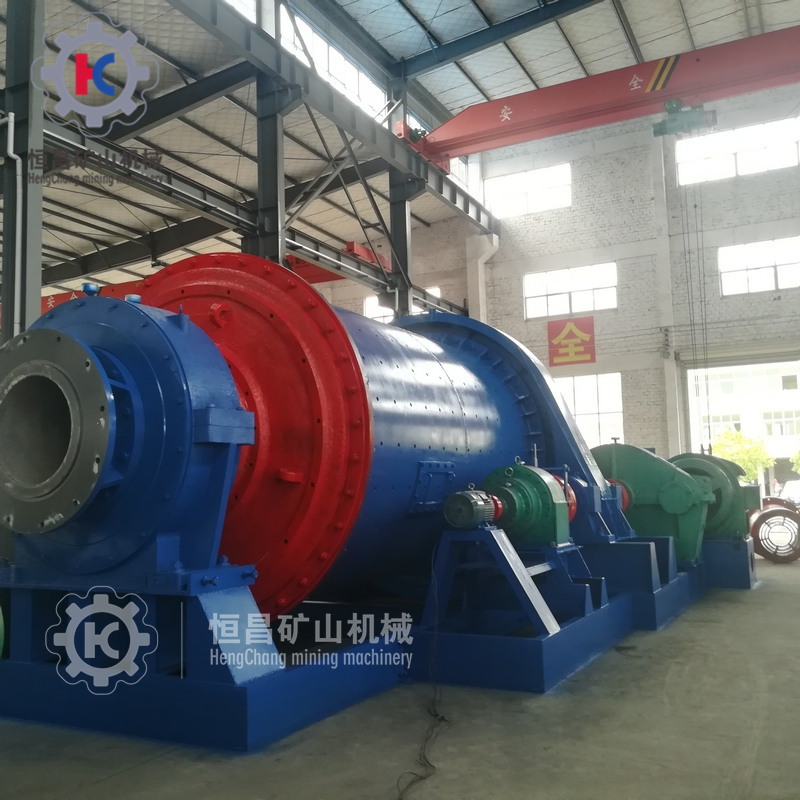
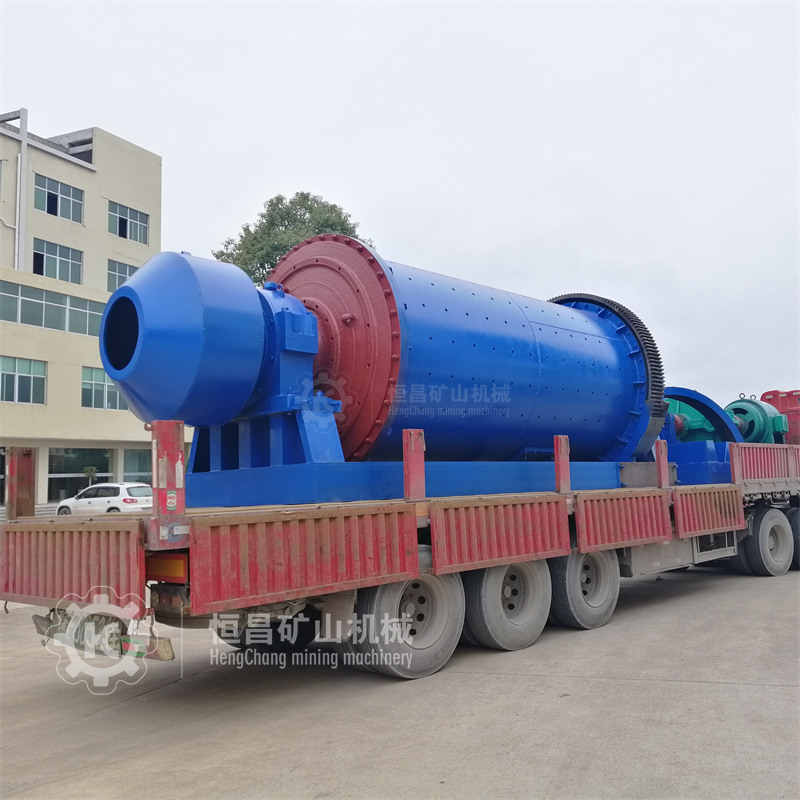
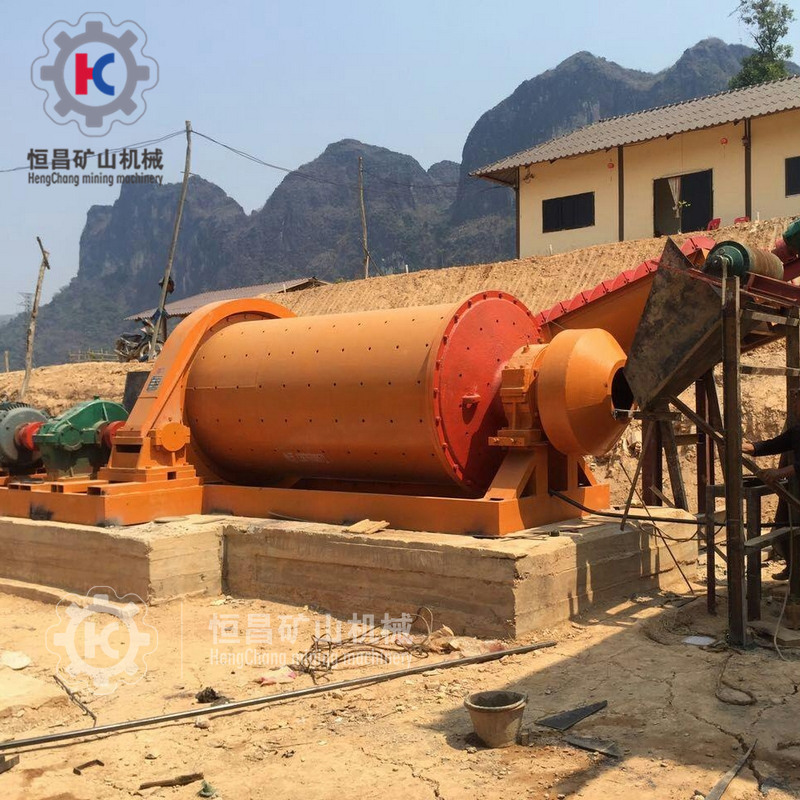
Ball mill for liberation
Jig for coarse tin
Shaking table for fine tin
Spiral chute for pre-concentration
Magnetic separator for removing iron
Slime table or centrifugal concentrator for fine tin recovery
Jiangxi Hengchang Mining Machinery Equipment has supplied complete tin ore processing plants for both alluvial and hard rock projects. Their equipment is built for continuous operation, and they provide commissioning and operator training, which matters a lot for a small plant.
4. OPEX Creep: Power, Water, Labor, and Spares
A 100 TPD plant is small, but it still needs:
Power for crushers, mills, pumps, and concentratorsWater for washing and gravity separation
Labor for operation and maintenance
Spare parts and consumables
Tailings management
Laboratory testing
In many projects, power and maintenance are the two biggest OPEX risks. If your mill is oversized, you burn money every day. If your pumps are undersized, you lose production. If you have no local maintenance skills, every breakdown becomes a long shutdown.
Successful projects keep the circuit as simple as possible. They also buy from a manufacturer that can supply spare parts quickly.
5. Uptime and Maintenance Risk
A 100 TPD tin plant might run one shift, two shifts, or 24/7. The ROI depends heavily on uptime.
If your plant runs 8 hours/day at 70% uptime, you are not processing 100 TPD. You are processing much less. That kills payback.
What helps:
Preventative maintenance scheduleWear parts inventory
Good training for operators
Reliable equipment from a known manufacturer
This is another reason to work with an experienced tin processing equipment supplier like Jiangxi Hengchang Mining Machinery Equipment. They understand that a small plant cannot afford long downtime.
6. Tin Price and Concentrate Market Risk
Tin price is volatile. A 100 TPD plant that looks profitable at $30,000/tonne may struggle at $20,000/tonne.
Also, smelters care about:
Concentrate gradeMoisture content
Impurities like iron, sulfur, and arsenic
Penalties and transport costs
If your concentrate is low grade or high in impurities, you lose money at the sale point, not just at the plant.
7. Permits, Tailings, and Water Risk
Environmental permits, water rights, and tailings storage can delay a project by months. In some countries, these risks are bigger than the metallurgy.
A 100 TPD plant still needs:
Tailings dam or dry stacking planWater recycling
Dust control
Chemical handling if flotation is used
Community and government approvals
Do not leave these until the equipment arrives. They can stop your ROI before the first tonne is processed.
Domestic and International Case Snapshots
China – Gejiu, Yunnan: 100 TPD Hard Rock Cassiterite
A small hard rock tin plant in Gejiu used jaw crusher + cone crusher + ball mill + jig + shaking table + slime table. Feed grade averaged around 0.8–0.9% Sn. Recovery reached about 72–75%. With good grade control and low downtime, payback was around 15–20 months at a tin price above $27,000/tonne. The plant used gravity equipment from Jiangxi Hengchang Mining Machinery Equipment and benefited from local spare parts and service.
China – Guangxi: 100 TPD Alluvial Tin Plant
An alluvial tin operation in Guangxi used a trommel scrubber + jig + spiral + shaking table circuit. Feed grade was 0.5–0.8% Sn, but the ore was well liberated. Recovery averaged 80–85% for coarse tin. OPEX was lower than hard rock because grinding was not needed. Payback was often under 18 months when water and power were cheap.
Rwanda: 100 TPD Cassiterite Gravity Plant
In Rwanda, a 100 TPD cassiterite project used a modular plant with jaw crusher, ball mill, jig, shaking table, and magnetic separator. Feed grade ranged from 0.6% to 1.1% Sn. Recovery was 68–75%. The main risks were feed variability and spare parts logistics. A modular design from Hengchang helped keep CAPEX under control and allowed fast commissioning.
Indonesia – Bangka-Belitung: 100 TPD Alluvial Tin
On Bangka-Belitung, small alluvial tin plants commonly use rotary scrubbers, jigs, and shaking tables. A 100 TPD operation can recover 75–82% of coarse tin, but fine tin in slimes is a real risk. Successful operators use slime tables or centrifugal concentrators to catch the fines.
Nigeria – Jos Plateau: 100 TPD Tin Tailings Retreatment
A tailings retreatment project in Jos Plateau processed old tin tailings at about 100 TPD. The circuit used spiral chutes and shaking tables. Recovery was 60–70% because much of the tin was fine. The project was profitable only when tin prices were strong and OPEX was tightly controlled.
How to De-Risk Your 100 TPD Tin Ore Plant ROI
Here is the practical checklist:
Do proper metallurgical testwork. Do not guess.Design for average grade, not best grade.
Keep the flowsheet simple and flexible.
Buy reliable equipment from a manufacturer with tin experience.
Plan for power, water, labor, and spares.
Include tailings and permitting in your budget.
Run sensitivity analysis at low, medium, and high tin prices.
Train your operators before commissioning.
Set up a maintenance schedule from day one.
Work with a partner that supports you after the sale.
That last point matters. Jiangxi Hengchang Mining Machinery Equipment does not just sell individual machines. They help with tin ore processing plant design, equipment selection, installation, commissioning, and operator training. For a 100 TPD tin ore plant, that kind of support can be the difference between a plant that pays back and a plant that sits idle.
Final Word
A 100 TPD tin ore plant can absolutely make money. But the ROI is not controlled by the plant size alone. It is controlled by feed grade, recovery, uptime, OPEX, tin price, and the quality of your equipment and support team.
If you are serious about a tin project, start with testwork. Then talk to an experienced manufacturer like Jiangxi Hengchang Mining Machinery Equipment. Get a flowsheet that fits your ore, not a generic plant. That is how you turn a small tin plant into a real business — not just a pile of equipment.