Chinese


Low Tin Recovery? Fix It with the Right 100-Ton Tin Ore Production Line Flow and Equipment Selection for Maximum Grade and Profit
Low tin recovery is one of those problems that quietly eats your profit.
You run the plant, the numbers look okay on paper, but the tailings still carry tin. Sometimes more tin than your concentrate. And before you blame the ore, check the flow. A 100-ton tin ore production line is small enough to be flexible, but it is also easy to mess up — especially if you overgrind, skip desliming, or try to do everything with one shaking table.
Here’s the practical truth: tin ore, especially cassiterite, loves gravity separation. But it hates fines, slime, and lazy flowsheets. If you want maximum grade and profit, you need the right tin ore gravity separation circuit and the right equipment matched to your particle size.
Let’s break it down.
What Does a 100-Ton Tin Ore Production Line Really Mean?
First, clarify the number. When we say “100-ton,” most small and medium plants mean 100 tons per day (tpd). That’s about 4–5 tons per hour. If you mean 100 tons per hour, you’re in a different size class, but the same principles apply.
For a 100 tpd tin ore processing plant, you don’t need a monster facility. You need a clean, staged flowsheet that recovers coarse, fine, and ultra-fine tin separately.
A typical successful flow looks like this:
Crushing and screening
Jaw crusher → cone crusher → vibrating screen in closed circuit.
Grinding and classification
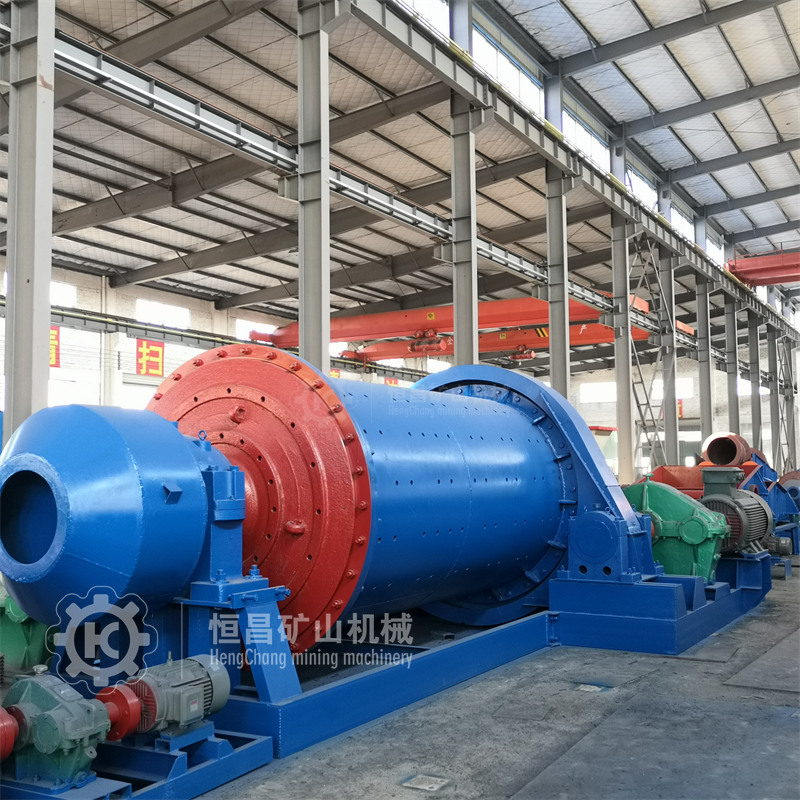
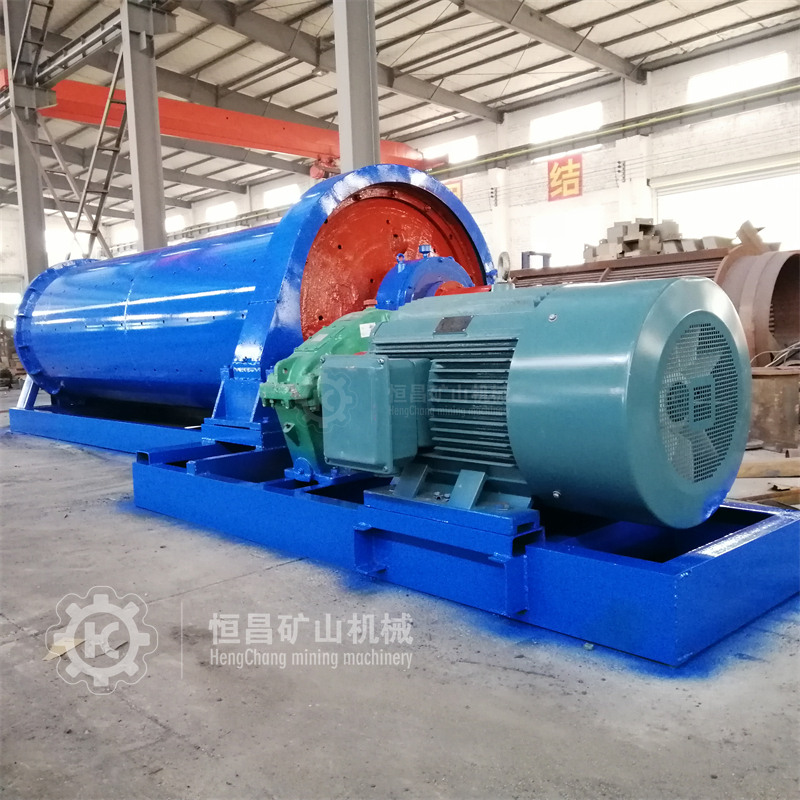
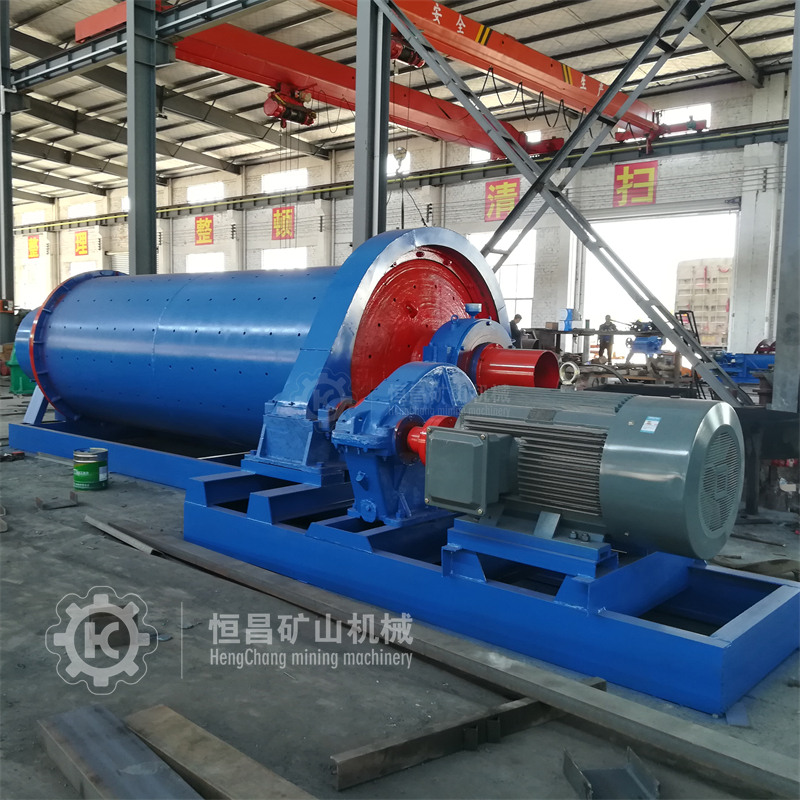
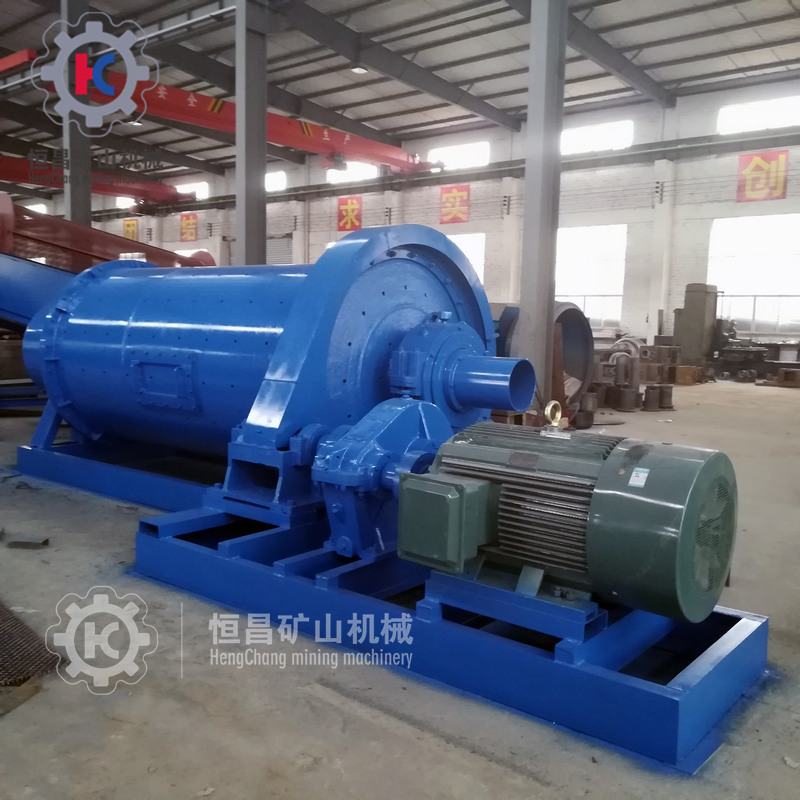
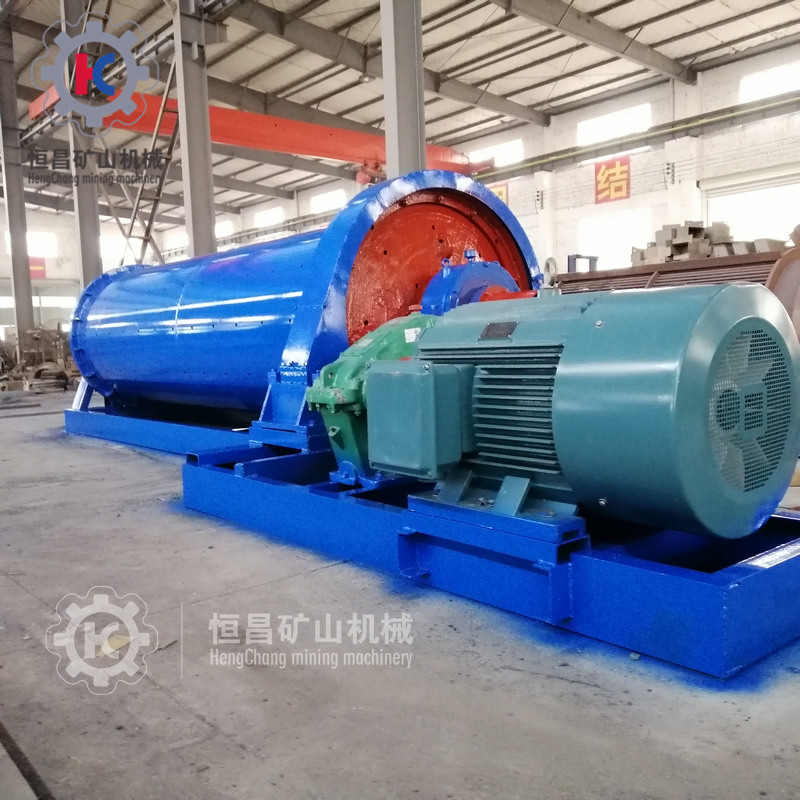
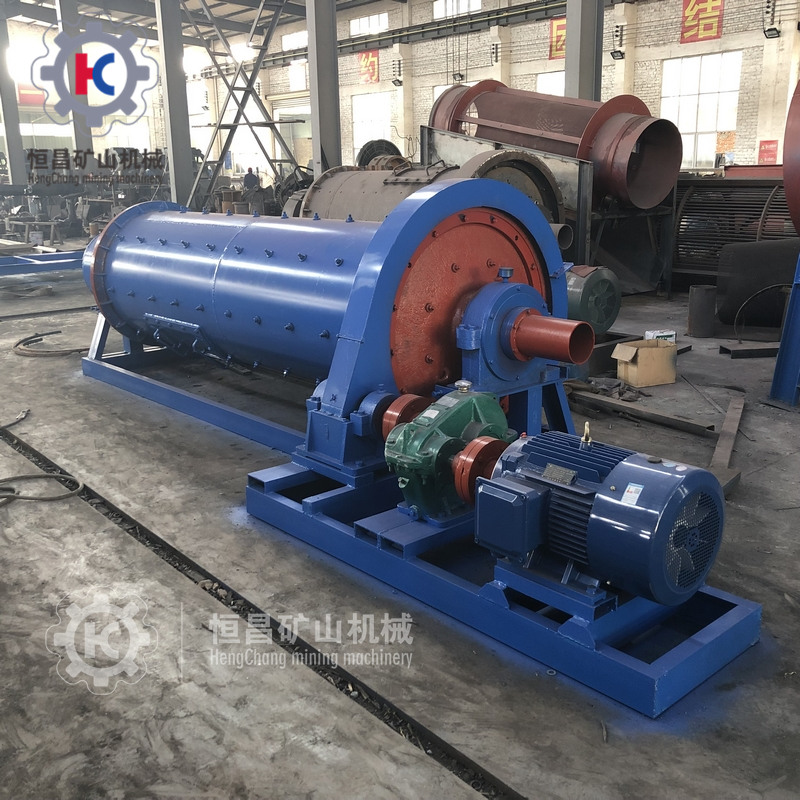
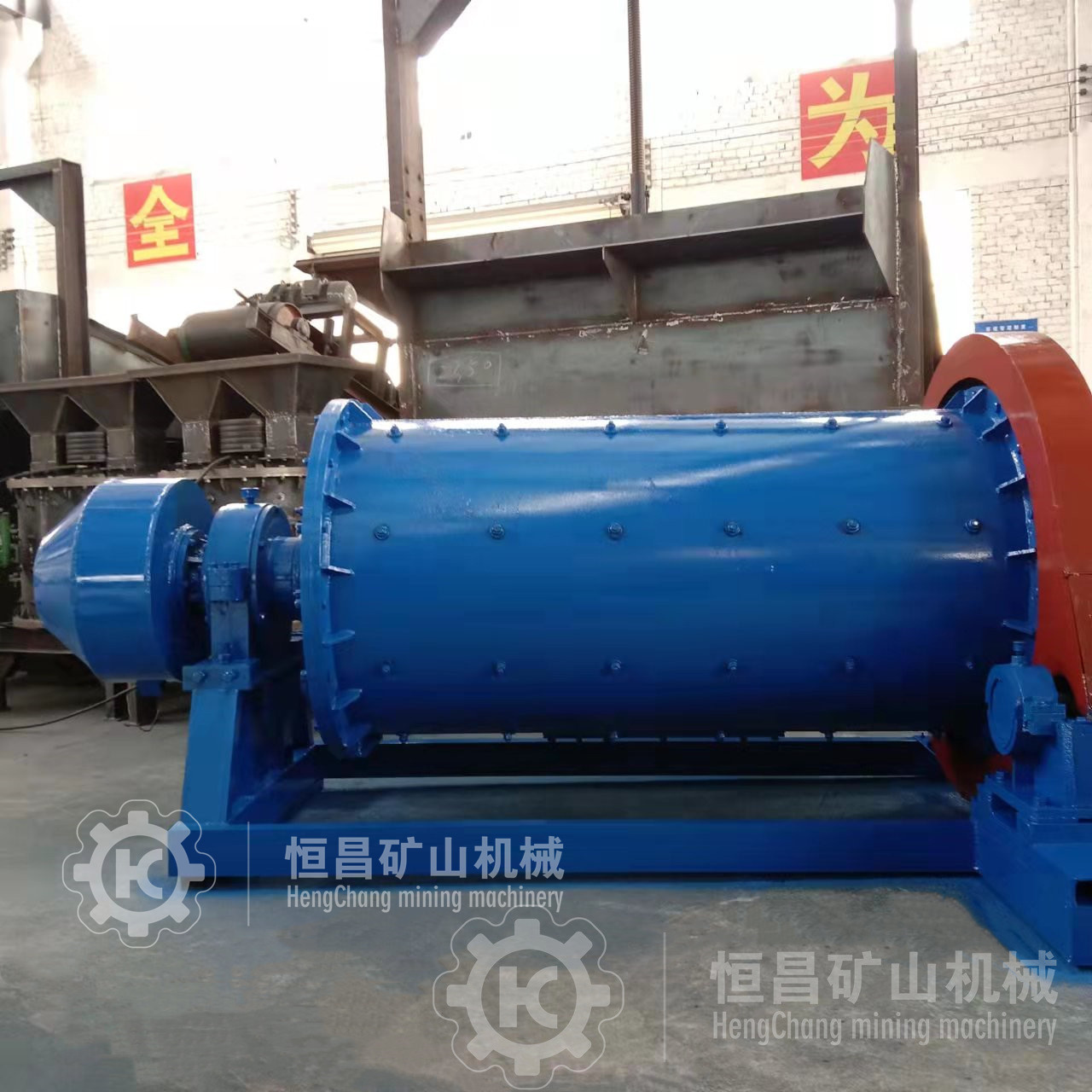
Ball mill + spiral classifier or hydrocyclone. Target liberation, not powder.
Gravity roughing
Jig for coarse tin. Spiral chute or centrifugal concentrator for fine tin.
Gravity cleaning
Shaking table for mid-size and fine tin. Slime table for ultra-fine.
Magnetic separation
Remove magnetite and iron if present.
Dewatering and tailings
Thickener, filter press, water recycling.
That’s the skeleton. The devil is in equipment selection and stage separation.
Equipment Selection: Match the Machine to the Particle Size
Tin is heavy. That’s good. But tin is also brittle. Overgrind it, and you create slime that gravity equipment cannot catch efficiently.
Here’s a simple selection guide for a 100 tpd tin ore production line:
| Stage | Equipment | Why It Matters |
|---|---|---|
| Primary crushing | Jaw crusher (PE 400×600 or similar) | Uniform feed, no huge rocks |
| Secondary crushing | Cone crusher or hammer crusher | Reduce to -20 mm |
| Screening | Vibrating screen | Closed circuit keeps size tight |
| Grinding | Ball mill + spiral classifier | Aim for 0.5–2 mm, avoid overgrinding |
| Coarse gravity | Jig | Recovers +0.5 mm tin before it becomes slime |
| Fine gravity | 6-S shaking table | Main cleaning step for 0.037–2 mm |
| Ultra-fine gravity | Centrifugal concentrator | Captures fine tin lost by tables |
| Slime treatment | Slime shaking table | Recovers -0.074 mm cassiterite |
| Magnetic separation | Magnetic separator | Removes iron, boosts concentrate grade |
| Dewatering | Thickener + filter press | Recycle water, cut cost |
If you only use one shaking table for everything, you will lose coarse tin and fine tin. That’s not a recovery problem. That’s a flow design problem.
Domestic Case: Yunnan Gejiu Tin Mine, China
Gejiu in Yunnan is one of China’s classic tin regions. A 100 tpd hard-rock cassiterite plant there was struggling.
Original flow: jaw crusher → ball mill → single shaking table.
Recovery: around 58–62%.
Concentrate grade: unstable, often below 45% Sn.
The problems were obvious after a size analysis:
Overgrinding created too much -0.074 mm slime.Coarse tin was not recovered early.
Sulfides and iron minerals diluted the concentrate.
The fix was a staged gravity circuit:
Two-stage crushing with closed-circuit screening.Ball mill + spiral classifier to control grind size.
Jig for +0.5 mm tin.
Shaking table for 0.074–0.5 mm.
Slime table for -0.074 mm.
Magnetic separation to remove iron.
After re-commissioning with equipment from Jiangxi Hengchang Mining Machinery Equipment, the plant reached around 78–80% tin recovery and a concentrate grade near 55% Sn. Same ore. Better flow.
That’s the power of proper tin ore beneficiation design.
International Case: Bangka Belitung Alluvial Tin, Indonesia
Bangka Belitung is famous for alluvial tin sand. A 100 tpd project there had high clay content and very fine cassiterite.
Original setup: trommel + sluice boxes.
Recovery: around 50–55%.
Problem: clay balls trapped tin, and fine cassiterite washed away.
The upgraded flow:
Trommel scrubber to break clay.Jig for coarse tin.
Centrifugal concentrator for fine tin.
6-S shaking table for cleaning.
Slime table for final fine recovery.
Jiangxi Hengchang Mining Machinery Equipment supplied the jig, shaking table, and centrifugal concentrator package. After commissioning, recovery climbed to 75–82%, with a concentrate grade of about 65% Sn. No chemicals. Low water and power cost.
This is why alluvial tin projects should never skip scrubbing and desliming.
Common Mistakes That Kill Tin Grade and Profit
If your tin recovery rate is low, check these first:
Overgrinding
Tin becomes slime. Gravity equipment loses it. Grind to liberation, not to powder.
No desliming before tables
Slime coats the table surface and ruins separation.
One-stage crushing
Uneven feed causes unstable recovery. Closed circuit is not optional.
Wrong table settings
Stroke, slope, and wash water must match your particle size. A table set for coarse tin will lose fine tin.
No slime circuit
In many tin ores, 20–40% of tin is in the -0.074 mm fraction. If you don’t treat slime, you’re throwing money away.
Ignoring mineralogy
If your tin is locked with magnetite or sulfide, gravity alone may not give a saleable concentrate. Add magnetic separation or flotation if needed.
Application Scenarios: Where This Flow Works
A 100-ton tin ore production line is not one-size-fits-all. But the same gravity logic works across:
Hard rock cassiterite mines
Crushing, grinding, jig, table, slime table.
Alluvial tin sand
Scrubbing, screening, jig, centrifugal concentrator, table.
Tin tailings reprocessing
Desliming, centrifugal concentrator, shaking table. Often low cost, high return.
Polymetallic tin ores
Gravity first, then magnetic or flotation for by-products.
The key is to test your ore. A simple sieve analysis and heavy liquid separation can tell you where your tin is. Then you build the flow around that.
Why Jiangxi Hengchang Mining Machinery Equipment?
There are many equipment suppliers. But for tin gravity circuits, you need someone who understands the whole flow, not just one machine.
Jiangxi Hengchang Mining Machinery Equipment has been working in gravity separation for years. They supply jaw crushers, ball mills, jigs, shaking tables, centrifugal concentrators, spiral classifiers, and complete tin ore processing equipment packages.
More importantly, they help with:
Ore testing and flowsheet design.Equipment matching for 100 tpd and larger plants.
Installation, commissioning, and operator training.
Spare parts and after-sales support.
They are not the only option. But if you want a practical, no-nonsense partner for a 100-ton tin ore production line, they are worth talking to.
Final Takeaway: Fix the Flow, Not Just the Machine
Low tin recovery is rarely solved by buying one new shaking table. It is solved by fixing the whole flow.
For a 100 tpd tin plant:
Crush in stages.Grind to liberation, not slime.
Use jigs for coarse tin.
Use tables for fine tin.
Use centrifugal concentrators and slime tables for ultra-fine tin.
Deslime before cleaning.
Remove iron if it hurts grade.
Work with a supplier who understands gravity separation.
Do that, and you’ll see higher grade, higher recovery, and better profit. Not because of magic — because you matched the equipment to the ore.
If you’re planning a 100-ton tin ore production line, start with a proper test and a proper flowsheet. Then choose equipment from a team like Jiangxi Hengchang Mining Machinery Equipment that can support you from design to production.