Chinese


50 t/d Tungsten Ore Processing Line Equipment Configuration: How to Cut Capex, Water Use, Labor, and Downtime in 2026 for Small Mines
If you run a small tungsten mine, a 50 t/d processing line can be a sweet spot. It is big enough to make money, but small enough to stay nimble. The problem? Too many operators build a 50 t/d plant like a mini version of a 500 t/d monster. That is how you burn CAPEX, drown in water bills, hire too many people, and lose days to breakdowns.
In 2026, small mines need lean design. Let’s break down a practical 50 t/d tungsten ore processing line, and look at how to cut costs without cutting recovery.
What a 50 t/d Tungsten Plant Really Needs
Tungsten ore is heavy. For wolframite, tungsten-tin, and many small underground deposits, gravity separation is still the first choice. It is cheaper, simpler, and easier to permit than flotation. For a 50 t/d plant, you do not need a huge flowsheet. You need a balanced one.
A typical 50 t/d tungsten ore processing line looks like this:
Feeding: small vibrating feederCrushing: PE 250x400 jaw crusher + PEX 150x750 fine jaw crusher or hammer crusher
Screening: 2YK1237 vibrating screen
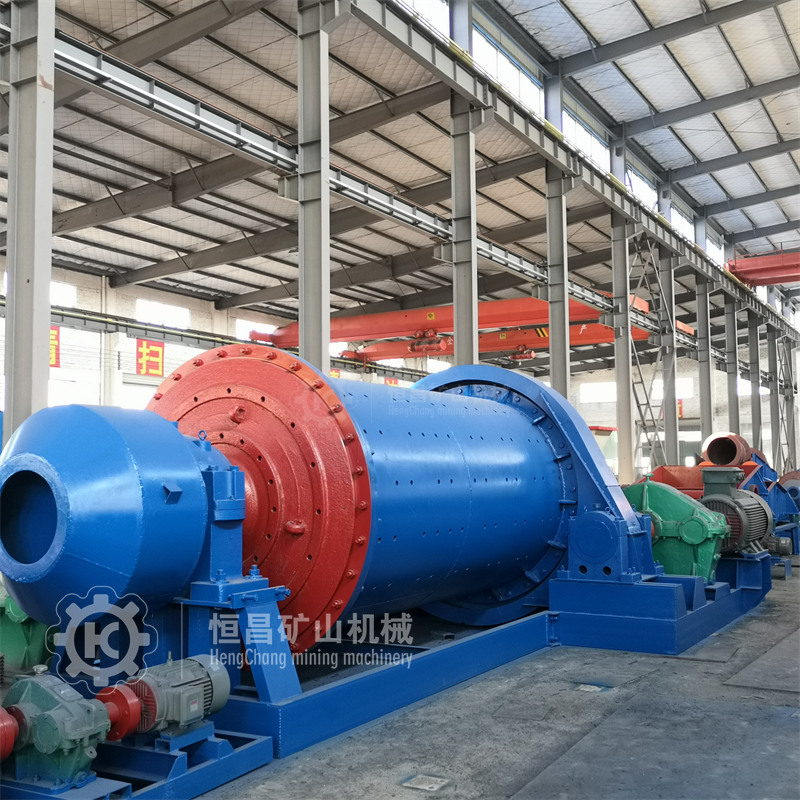
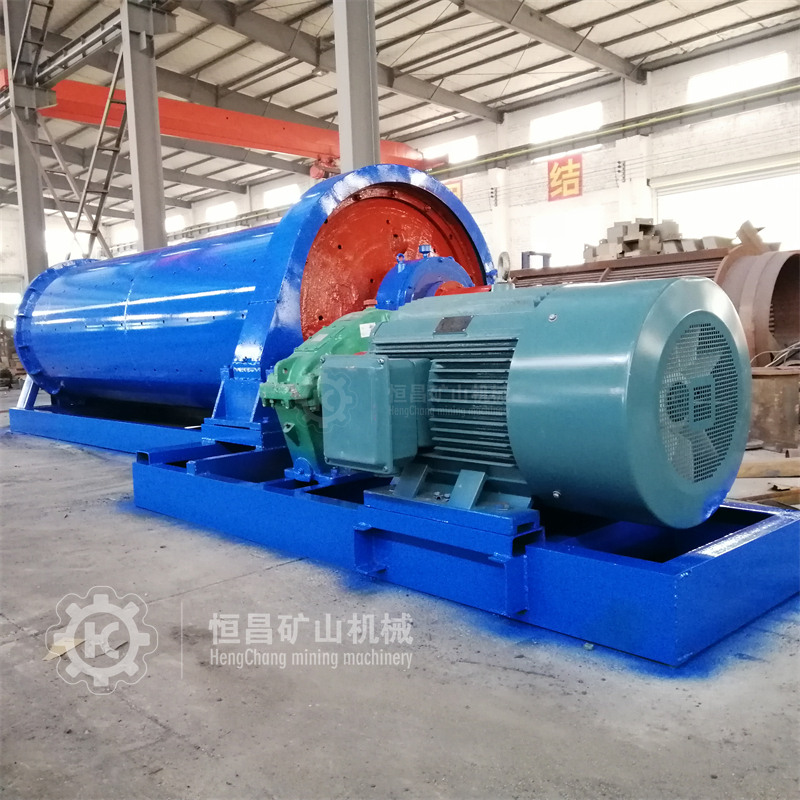
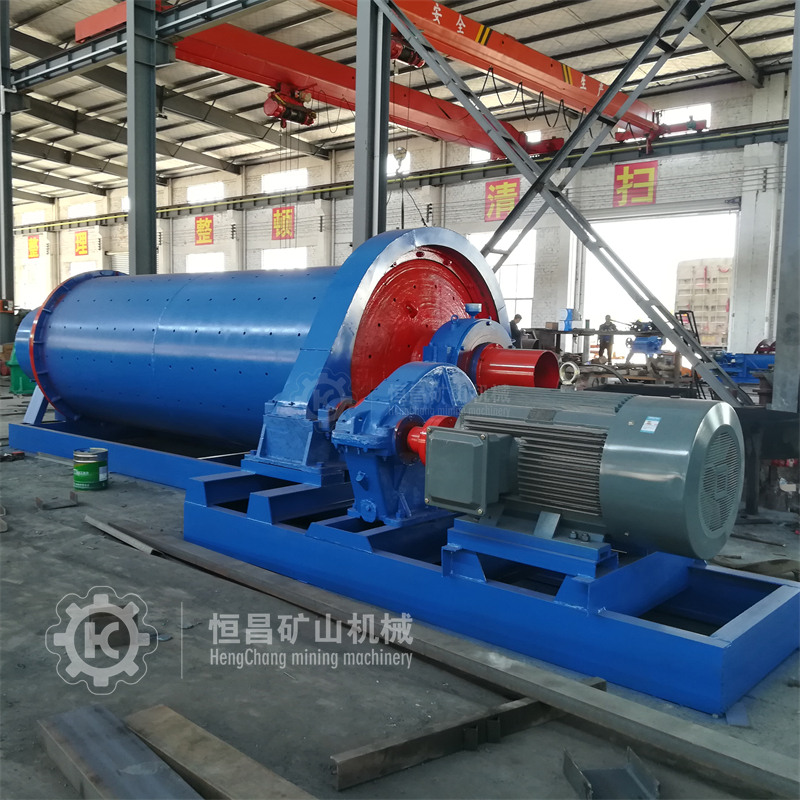
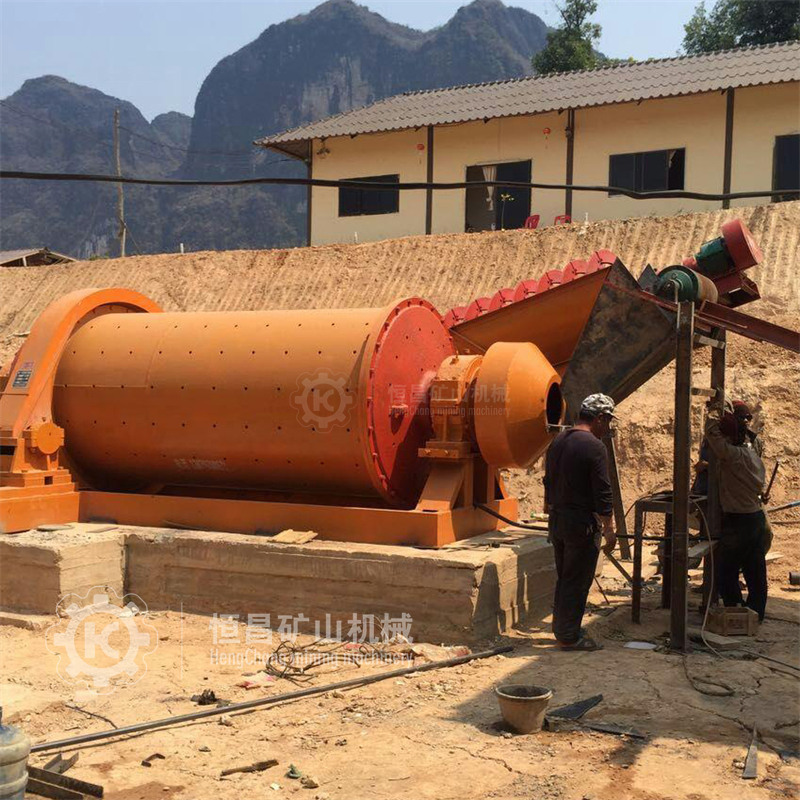
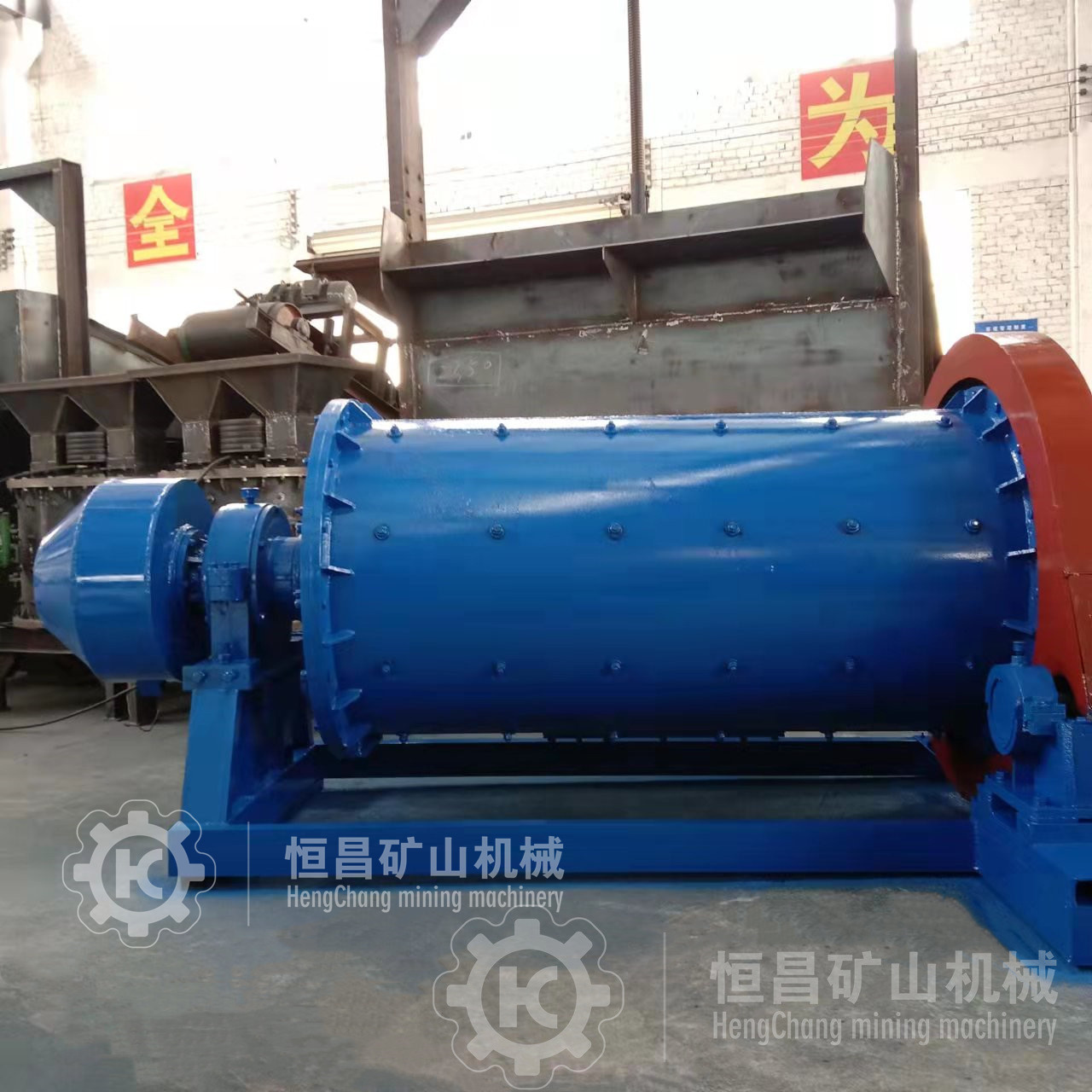
Grinding: 1200x2400 ball mill + spiral classifier
Gravity: jig machine for coarse tungsten, shaking table for fine tungsten, spiral chute for middlings
Dewatering: thickener + filter press or dewatering screen
Water: recycling pump, process water tank, lined settling pond
Control: PLC cabinet with VFDs for key motors
This is not a random shopping list. The goal is to liberate tungsten at the right size and avoid over-grinding. Over-grinding turns valuable tungsten into slimes that gravity cannot catch. That is money down the tailings pipe.
Where CAPEX Really Goes — and How to Cut It
Small mines often waste CAPEX on three things: oversized crushers, concrete-heavy civil works, and equipment from too many suppliers. Fix those, and you can save 15–30% upfront.
1. Go modular, not massive
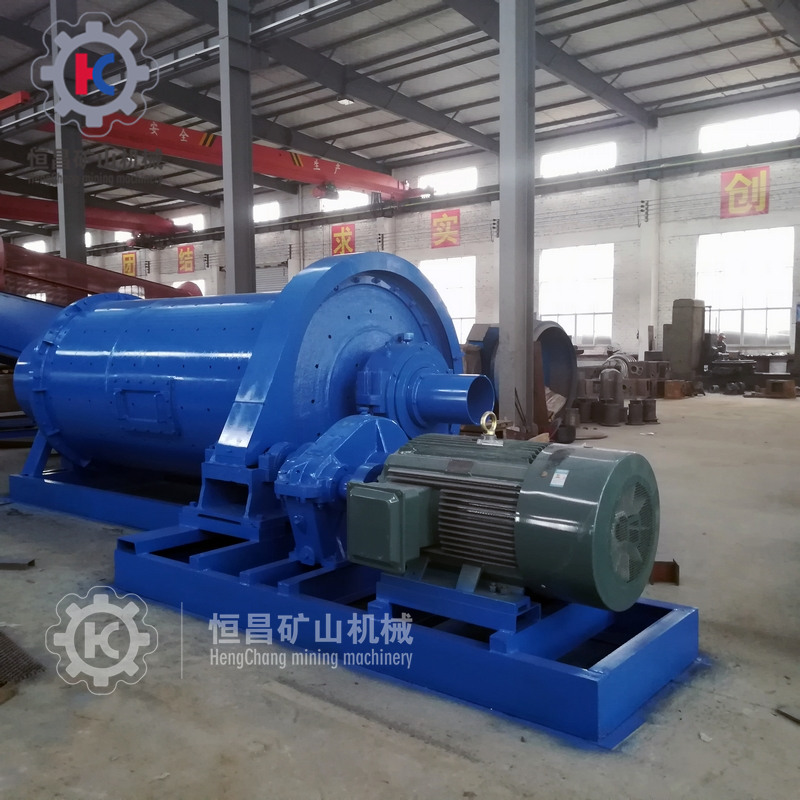
A 50 t/d plant can be built on skids and steel frames. That cuts foundation costs, civil work, and installation time. Jiangxi Hengchang Mining Machinery Equipment offers modular gravity plants that fit into standard containers. You ship, bolt, wire, and run. No six-month construction camp.
2. Use gravity first
If your ore is wolframite or tungsten-tin, gravity is cheaper than flotation. Flotation needs reagents, thickeners, tailings dams, and more labor. Gravity needs water and screens. For many small mines, gravity gives 80–90% recovery at a fraction of the CAPEX.
3. Buy a packaged line
Mixing brands creates compatibility headaches. A single supplier like Jiangxi Hengchang can provide jaw crusher, ball mill, jig, shaking table, pumps, and control panel. You get one warranty, one installation team, one spare parts list.
Case: Ganzhou, Jiangxi, China
A 50 t/d wolframite mine switched from a worn-out fixed plant to a modular line from Jiangxi Hengchang. The new setup used a PE 250x400 jaw crusher, 1200x2400 ball mill, jig, and two shaking tables. Reported result: about 25% lower upfront cost than a conventional design, faster commissioning, and stable recovery.
Cutting Water Use: The 2026 Playbook
Water permits are getting harder. In 2026, small mines in China, Chile, Peru, South Africa, and Southeast Asia face stricter discharge rules. A 50 t/d tungsten plant can recycle most of its water.
Close the loop
Use a thickener to settle fines.Send overflow back to the process water tank.
Use a filter press for tailings. The filtrate returns to the plant.
Build a lined settling pond for emergencies.
With this setup, fresh water intake can drop by 70–90%. A 50 t/d plant might use 30–50 m³/day instead of 200–300 m³/day.
Separate clean and dirty water
Cooling water for the ball mill gearbox and bearings should be clean and in a closed circuit. Process water can be dirty. Do not mix them, or you will scale your cooling system and lose uptime.
Case: Oruro, Bolivia
A tungsten-tin mine in Bolivia runs a 50 t/d gravity plant at high altitude. Water is scarce. The operator installed a thickener and filter press from Jiangxi Hengchang. Fresh water use fell by about 75%, and tailings are dry-stacked. That helped them meet local environmental rules and cut water trucking costs.
Labor: Run a 50 t/d Plant with 3–5 People
In 2026, labor is expensive and hard to find. A 50 t/d tungsten plant should not need 10 people per shift. The right automation can keep it lean.
What to automate
PLC control for feeders, pumps, and millsVariable frequency drives on the ball mill and slurry pumps
Level sensors in the water tank and sump
Emergency stop and interlock system
What people still do
One control room operatorOne maintenance technician per shift
One supervisor for the whole plant
Part-time lab and security
Training matters. Jiangxi Hengchang provides on-site installation and operator training. If your team knows how to change a jaw plate, adjust a shaking table, and read a pump curve, you avoid panic downtime.
Downtime: The Silent Profit Killer
Every hour of downtime costs you tungsten. In 2026, small mines cannot afford three-day repairs. Here is how to keep the line running.
Preventive maintenance
Check jaw crusher toggle and bearings weekly.Inspect ball mill liners and discharge grate every month.
Change shaking table deck liners when worn.
Keep spare motors, belts, hoses, and screen panels on site.
Condition monitoring
Add vibration and temperature sensors to the ball mill and slurry pump. A simple IoT gateway can send alerts to your phone. You do not need a full digital twin. You need a warning before the bearing seizes.
Quick-change design
Modular plants are easier to fix. If a jig or shaking table fails, you can swap the unit or rebuild it on a bench. Jiangxi Hengchang designs equipment with standard parts, so you are not waiting weeks for a custom casting.
Case: Rwanda
A 50 t/d tungsten mine in Rwanda runs a modular plant with a generator. The site is remote. They keep a spare jaw crusher motor, ball mill clutch, and shaking table deck on site. With monthly inspections and remote support from Jiangxi Hengchang, they report over 90% availability.
Application Scenarios: Where a 50 t/d Plant Fits
A 50 t/d tungsten ore processing line works well for:
Small underground wolframite veinsTungsten-tin alluvial or eluvial deposits
Tailings retreatment
Pilot plants for larger projects
Remote mines with limited water and power
You can run it on grid power or diesel. You can mount it on concrete or steel. You can add flotation later if you find scheelite. That flexibility is why modular gravity plants are popular in 2026.
Final Thoughts: Lean Design Wins
For a 50 t/d tungsten ore processing line, the winning formula is simple: gravity first, modular build, close-loop water, light automation, and preventive maintenance. Do not copy a 500 t/d design. Do not buy oversized equipment. Do not mix ten brands.
If you want a partner that understands small mines, Jiangxi Hengchang Mining Machinery Equipment is worth a serious look. They build jaw crushers, ball mills, jigs, shaking tables, spiral chutes, thickeners, filter presses, and complete 50 t/d tungsten processing plants. Ask for a flowsheet based on your ore test. That one step can save you more than any discount.