Chinese


1000-Ton Tungsten Ore Processing Line Investment Cost Breakdown: Equipment, Water, Labor, Land, Compliance, and Payback Period for Mining Investors in 2025
If you’re planning a 1,000 TPD tungsten ore processing line, the first question is always the same: how much will it really cost?
Not just the equipment quote. The real number includes water, labor, land, compliance, spare parts, and the months of waiting before you sell your first tungsten concentrate.
Here’s a practical 2025 breakdown for mining investors. All numbers are in USD and based on typical projects. Your actual cost will move up or down depending on ore type, location, power, and local rules. Use this as a checklist, not a fixed quote.
Quick Answer: What Does a 1,000 TPD Tungsten Plant Cost?
| Cost Bucket | Typical CAPEX | Typical OPEX |
|---|---|---|
| Equipment | $850k – $2.2M | $8 – $18/t ore |
| Water system | $80k – $250k | $0.2 – $0.8/t ore |
| Labor | — | $300k – $800k/year |
| Land & infrastructure | $200k – $800k | $1 – $4/t ore |
| Compliance & permitting | $100k – $500k | $50k – $200k/year |
| Contingency 10–15% | $150k – $500k | — |
| Total CAPEX | $1.5M – $4.5M | $25 – $60/t ore |
Payback period? Usually 2–4 years if feed grade and recovery are solid. But it can be faster with high-grade wolframite or tailings reprocessing.
Now let’s break it down piece by piece.
1. Equipment Cost: Where Most of Your Money Goes
Equipment is the biggest line item. For a 1,000 TPD tungsten ore processing plant, you’re looking at a full flowsheet:
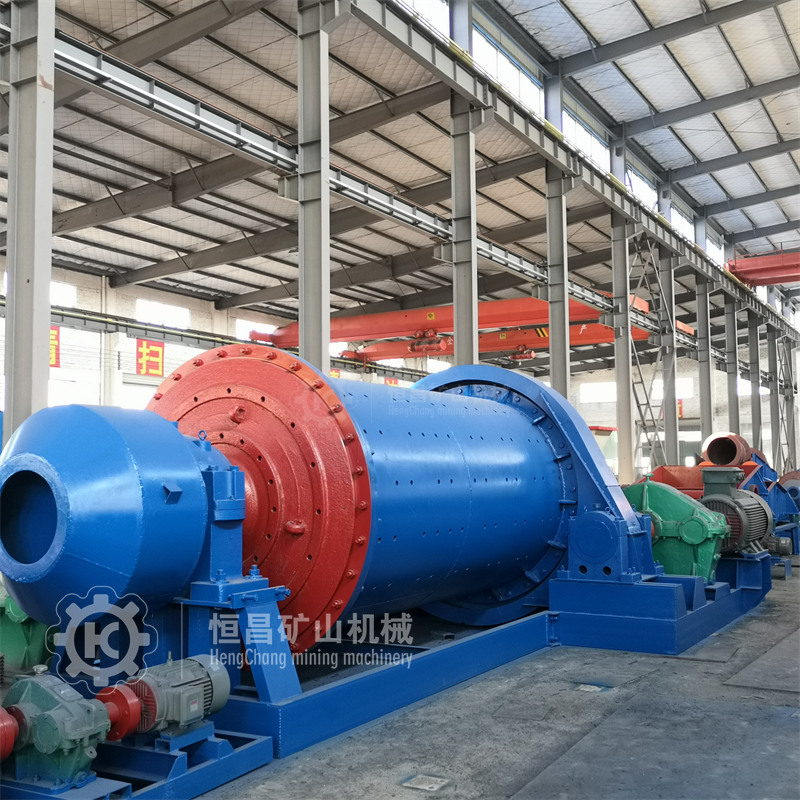
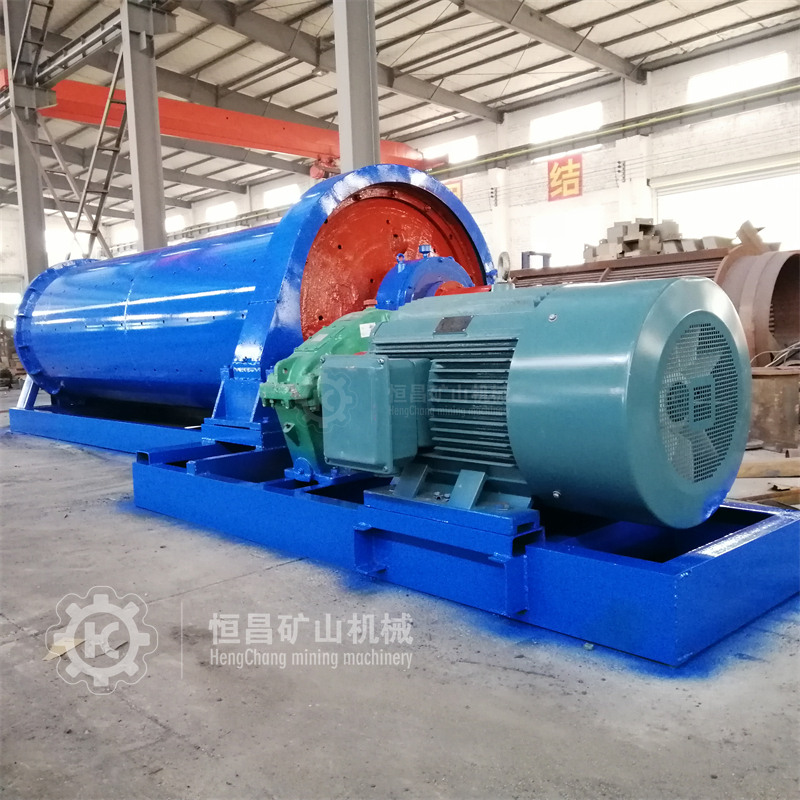
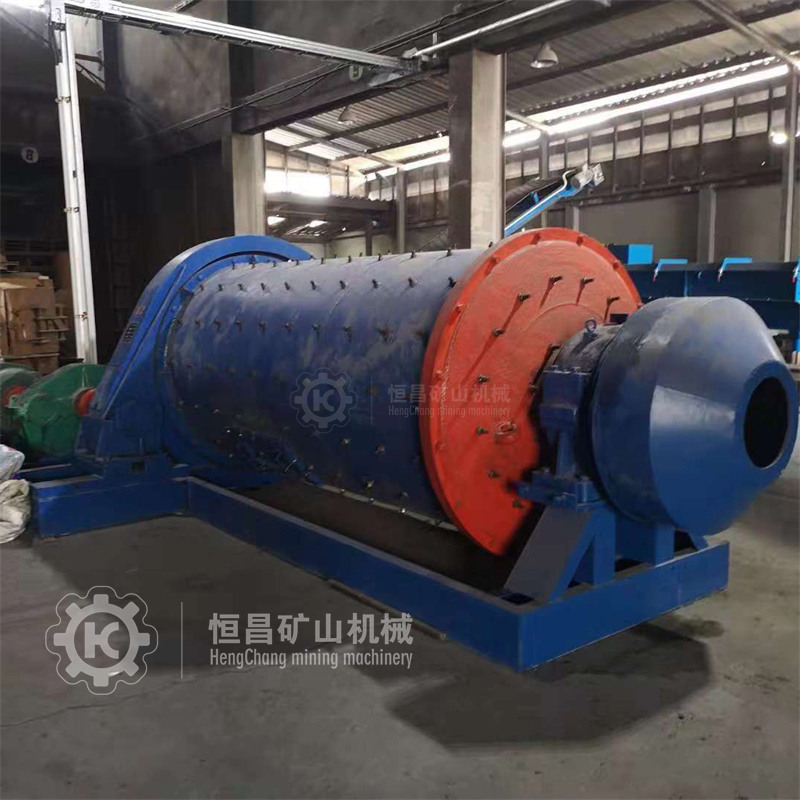
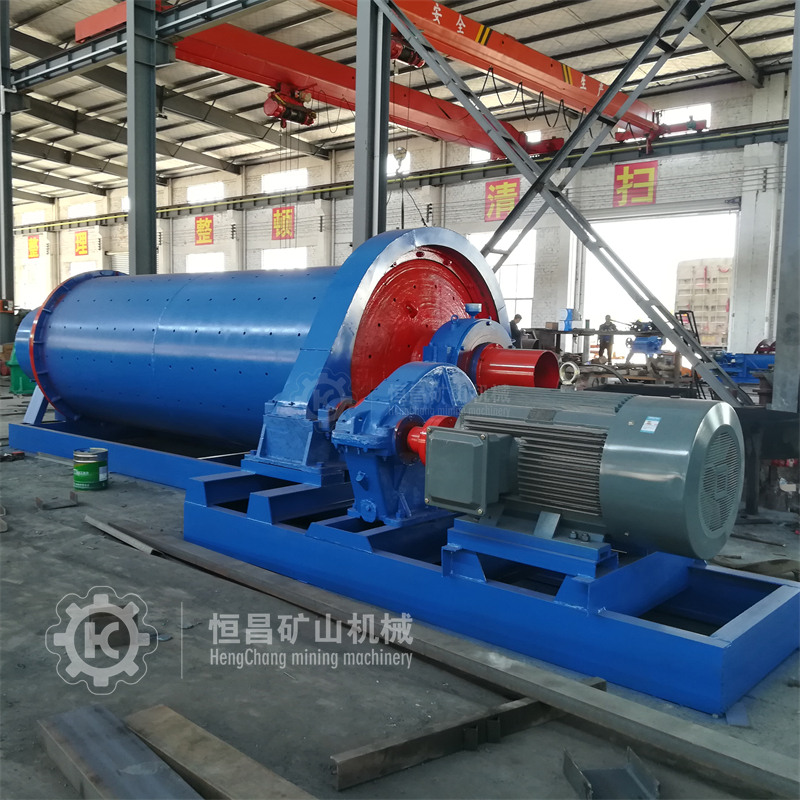
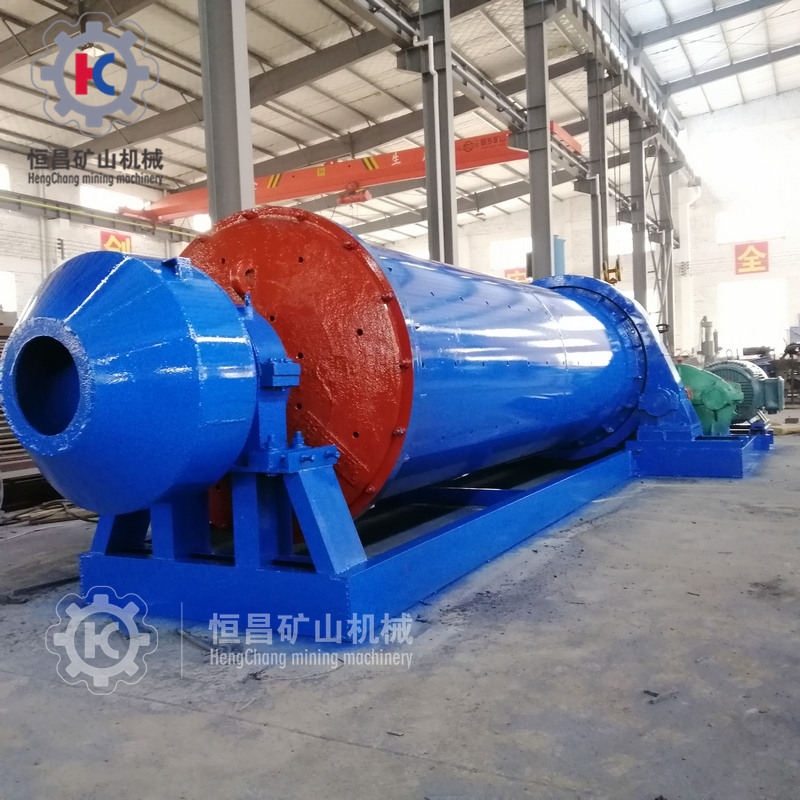
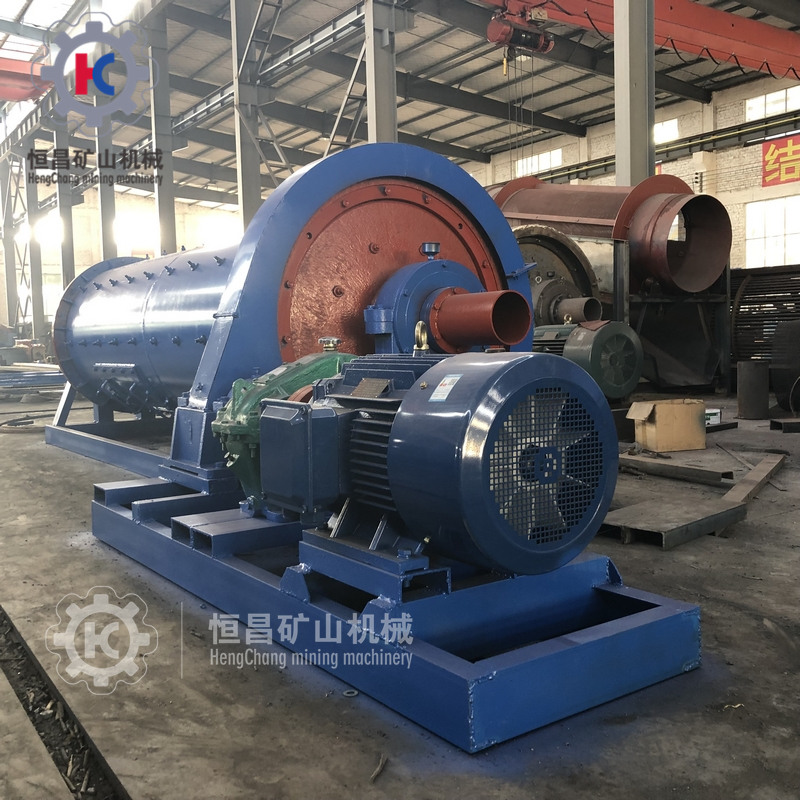
Crushing: jaw crusher, cone crusher, vibrating screenGrinding: ball mill, spiral classifier, hydrocyclone
Gravity separation: jig, spiral chute, shaking table
Flotation: rougher, scavenger, cleaner cells, reagent system
Magnetic/electrostatic separation: if your ore needs it
Thickening & filtering: tailings thickener, filter press, dryer
Pumps, pipes, electrical, automation
Spare parts and wear liners
For wolframite, gravity is king. For scheelite, flotation is the main game. Mixed ores often need both.
A simple gravity-only line can start around $850k. A complex scheelite flotation line with magnetic separation and automation can hit $2.2M+.
This is where supplier choice matters. You want a partner who can design the flowsheet, not just sell you a ball mill. Jiangxi Hengchang Mining Machinery Equipment is one name many investors shortlist because they handle crushing, grinding, gravity, flotation, and tailings equipment as one integrated line. That reduces the finger-pointing when something doesn’t run right.
2. Water: You Need Less Than You Think If You Recycle
Tungsten processing uses water mainly for grinding, gravity separation, and flotation. A 1,000 TPD plant can use 1,000–3,000 m³/day if you run once-through.
But you shouldn’t.
With a closed-loop system and tailings thickener, you can recycle 80–90% of your water. Make-up water drops to 200–500 m³/day.
What you’ll spend:
Water well or river intake: $20k – $80kPipelines and pumps: $30k – $100k
Recycling pond and thickener: $30k – $70k
Permits and testing: $10k – $30k
Total water CAPEX: $80k – $250k.
OPEX is usually $0.2 – $0.8 per tonne of ore. In dry regions, water can cost more than equipment. In wet regions, it’s mostly pumping and treatment.
One more thing: water discharge rules are getting tighter. Build the recycling system from day one. It’s cheaper than retrofitting later.
3. Labor: Don’t Copy a 5,000 TPD Staffing Plan
A 1,000 TPD tungsten plant doesn’t need 200 people. With good automation, you can run it with 20–50 workers across three shifts.
Typical roles:
Plant managerMetallurgist
Shift supervisors
Crusher/grinder operators
Flotation operators
Maintenance technicians
Lab technicians
Electricians
Security and admin
Labor cost depends heavily on where you are:
China: $8k – $15k per worker/yearSoutheast Asia: $4k – $9k
South America: $10k – $20k
So your annual labor OPEX can range from $300k to $800k. Add training and safety programs. A well-trained local team will save you more than a cheap, inexperienced crew.
4. Land & Infrastructure: The Hidden Cost
You need land for the plant, stockpiles, tailings storage, offices, workshops, and roads.
For 1,000 TPD:
Plant site: 2–5 hectaresTailings storage: 3–10 hectares depending on dam design
Total land: 5–15 hectares
Land cost varies wildly. In some countries, you lease from the government. In others, you buy from private owners.
Site preparation and earthworks: $80k – $250k
Roads and drainage: $30k – $100k
Power supply (transformer, lines): $50k – $200k
Workshop, warehouse, office, lab: $40k – $150k
Total land & infrastructure CAPEX: $200k – $800k.
Don’t forget power. Tungsten grinding and flotation are energy-hungry. A 1,000 TPD plant can draw 500–1,200 kW. If you’re off-grid, add diesel or solar hybrid costs.
5. Compliance: Pay Now or Pay Later
This is the bucket that kills projects. Not because it’s expensive, but because investors underestimate the time.
You’ll need:
Mining licenseEnvironmental Impact Assessment (EIA)
Water discharge permit
Tailings dam permit
Safety and health approvals
Tax registration
Community agreements
Rehabilitation bond
In stable jurisdictions, compliance CAPEX runs $100k – $500k. Annual compliance OPEX is $50k – $200k for monitoring, reporting, and community programs.
In some countries, permitting can take 12–24 months. That’s 12–24 months of no revenue. Plan your cash flow accordingly.
6. Domestic & International Success Cases
Domestic Case: Ganzhou, Jiangxi – 1,000 TPD Wolframite Gravity + Flotation
A wolframite project in Ganzhou processes quartz-vein ore at 1,000 TPD. Feed grade is around 0.28% WO₃.
Flowsheet:
Jaw crusher + cone crusherBall mill + spiral classifier
Spiral chute + shaking table
Flotation for sulfide removal
Tailings thickener with water recycling
Results:
Recovery: 78%Water recycling: 85%
Equipment: mainly from Jiangxi Hengchang Mining Machinery Equipment
Payback: about 2.5 years at 2024–2025 tungsten prices
The key win was pre-concentration before flotation. It cut reagent use and reduced grinding costs.
International Case: Vietnam – 1,000 TPD Scheelite Flotation
A skarn-type scheelite mine in Vietnam runs 1,000 TPD with feed grade around 0.35% WO₃.
Flowsheet:
Crushing and grindingBulk sulfide flotation
Scheelite flotation with sodium silicate depression
Tailings thickening and water recycle
Results:
Recovery: 82%Water recycling: 90%
Local labor: 35 people
Payback: about 3 years
The plant was built in 10 months. Most delays came from permitting, not equipment.
International Case: Rwanda – 1,000 TPD Tungsten Tailings Reprocessing
A tailings reprocessing project in Rwanda treats old tungsten tailings at 1,000 TPD.
Flowsheet:
Scrubber and screeningSpiral chute and shaking table
Cleaner flotation
Results:
Low CAPEX: around $1.6MPayback: 1.8 years
Feed grade from tailings: 0.22% WO₃
Recovery: 70%
This shows that tailings reprocessing can be a lower-risk entry point. But you must test the tailings carefully.
7. Payback Period: Do the Math Before You Buy
Here’s the simple formula:
Annual WO₃ = 1,000 t/day × 300 days × feed grade × recovery
Example: 1,000 × 300 × 0.003 × 0.75 = 675 tonnes WO₃ per year
If tungsten concentrate sells at $25,000–$30,000 per tonne WO₃, gross revenue is $16.9M – $20.3M.
Now subtract OPEX. At $40/t ore, annual OPEX = $12M. Gross profit = $4.9M – $8.3M.
If CAPEX is $3M, payback is under 1 year. But that’s only if you have consistent feed and high recovery.
Real projects face grade variation, equipment downtime, and price swings. So a realistic payback is 2–4 years.
| Scenario | Feed Grade WO₃ | Recovery | Annual WO₃ | Payback Estimate |
|---|---|---|---|---|
| Low grade | 0.15% | 65% | 293 t | 5+ years |
| Medium grade | 0.25% | 75% | 563 t | 2–3 years |
| High grade | 0.40% | 80% | 960 t | 1–2 years |
The lesson: grade and recovery matter more than equipment price. A cheap plant that loses 10% recovery will cost you millions.
8. How to Cut Cost Without Killing Recovery
Phase your investment. Start with crushing, grinding, and gravity. Add flotation later if needed.Buy core equipment from a reliable supplier. Jiangxi Hengchang Mining Machinery Equipment offers flowsheet design, manufacturing, installation, and commissioning. That one-stop approach can reduce integration headaches.
Fabricate tanks, chutes, and platforms locally. Save 15–30% on steel.
Recycle water. It cuts OPEX and helps with permits.
Automate grinding and flotation. Fewer operators, more stable recovery.
Train local labor early. Don’t wait until commissioning.
Keep critical spares on site. A $500 pump part can stop a $50,000/day plant.
Final Takeaway
A 1,000 TPD tungsten ore processing line in 2025 needs $1.5M – $4.5M CAPEX and $25 – $60/t OPEX. Payback is typically 2–4 years, but it swings hard with feed grade, recovery, and tungsten price.
Don’t shop on equipment price alone. Shop on flowsheet fit, after-sales support, and spare parts availability. That’s why many investors put Jiangxi Hengchang Mining Machinery Equipment on their shortlist — not because they’re the cheapest, but because they understand tungsten ore and can keep the line running.
If you’re serious about a 1,000 TPD project, start with a proper ore test. Then build your cost model. The numbers will tell you if the project is worth it.
SEO keywords: 1000-ton tungsten ore processing line, tungsten ore processing plant cost, tungsten mining investment 2025, wolframite processing, scheelite flotation, tungsten ore beneficiation equipment, mining equipment, Jiangxi Hengchang Mining Machinery Equipment.