Chinese


200 TPD Copper Ore Processing Plant Layout: Save Land, Cut CAPEX, Avoid Costly Flow Mistakes, Boost Recovery for New Miners
If you’re building a 200 TPD copper ore processing plant, the biggest money mistake usually isn’t buying the wrong ball mill. It’s the layout.
I’ve seen new miners spend months comparing crusher prices, then squeeze the whole plant into a bad footprint. The result? Long conveyors, extra slurry pumps, terrible maintenance access, and recovery that never hits the test report numbers. Land costs go up. CAPEX goes up. And the plant becomes a headache before it even starts making concentrate.
A 200 TPD copper plant is a sweet spot. It’s small enough to be modular and affordable, but big enough to make real money if the flow is right. Let’s break down how to design the layout properly, avoid costly flow mistakes, and get the most copper out of your ore.
What Does 200 TPD Really Mean?
200 TPD means 200 tonnes per day. If you run 24 hours, that’s about 8.3 tonnes per hour. If you run two shifts, it’s closer to 12.5 TPH. So your design capacity should usually be 10–12 TPH to leave some breathing room.
For copper sulfide ore, the typical flow is:
CrushingGrinding and classification
Flotation (rougher, scavenger, cleaner)
Thickening
Filtration
Tailings handling
For copper oxide ore, you may need leaching or gravity separation, but many small mines still use flotation if the ore has enough sulfide. The key is: test your ore first, then design the layout around the ore—not around a equipment catalog.
5 Costly Layout Mistakes New Miners Make
1. Copying a 1,000 TPD Plant on a 200 TPD Budget
A large plant has long conveyor belts, multiple transfer points, and big slurry pumps. If you copy that layout at 200 TPD, you waste land and CAPEX. You don’t need a 40-meter conveyor if a 12-meter one will do.
2. Oversized Equipment
A 200 TPD plant does not need a giant jaw crusher or a 2,000-liter flotation cell. Oversizing raises power costs, foundation costs, and spare parts costs. It also makes the plant harder to operate efficiently.
3. Ignoring Gravity Flow
Slurry is heavy. Every time you use a pump instead of gravity, you add wear, power, and maintenance. A good copper ore processing plant layout uses terraces or a slope so slurry flows naturally from grinding to flotation to thickening.
4. No Maintenance Access
If your ball mill liners need changing and there’s no room for a crane or forklift, you’ll lose days of production. Leave at least 1.5–2 meters around major equipment. Think about how you’ll change screens, pumps, and flotation stator/rotor parts.
5. Tailings and Water Treated as an Afterthought
Tailings thickener, filter press, and water recycling need space too. If you push them into a corner, you’ll get overflow, environmental problems, and expensive rework.
Layout Principles That Save Land and Cut CAPEX
A 200 TPD copper flotation plant can fit into a surprisingly small footprint—often 20 m × 30 m for the main process area, not counting tailings storage. Here’s how:
Build on a slope or terraces. Let gravity move ore and slurry. This alone can cut 2–3 slurry pumps.Use modular steel structures. They’re faster to build, cheaper to expand, and easier to relocate.
Share platforms. Put flotation cells on one concrete pad. Put thickener and filter press side by side.
Leave smart space. Leave room for a second ball mill or additional flotation cells, but don’t waste land on empty space you’ll never use.
Design for water recycling. A small thickener and return water tank can save fresh water and reduce tailings volume.
A Practical 200 TPD Copper Flotation Flow
Here’s a proven, compact flow for copper sulfide ore:
Primary crushing: Jaw crusher (e.g., PE 400×600)Secondary crushing: Cone crusher or fine jaw crusher
Screening: Vibrating screen to close the circuit
Fine ore bin: Buffer storage before grinding
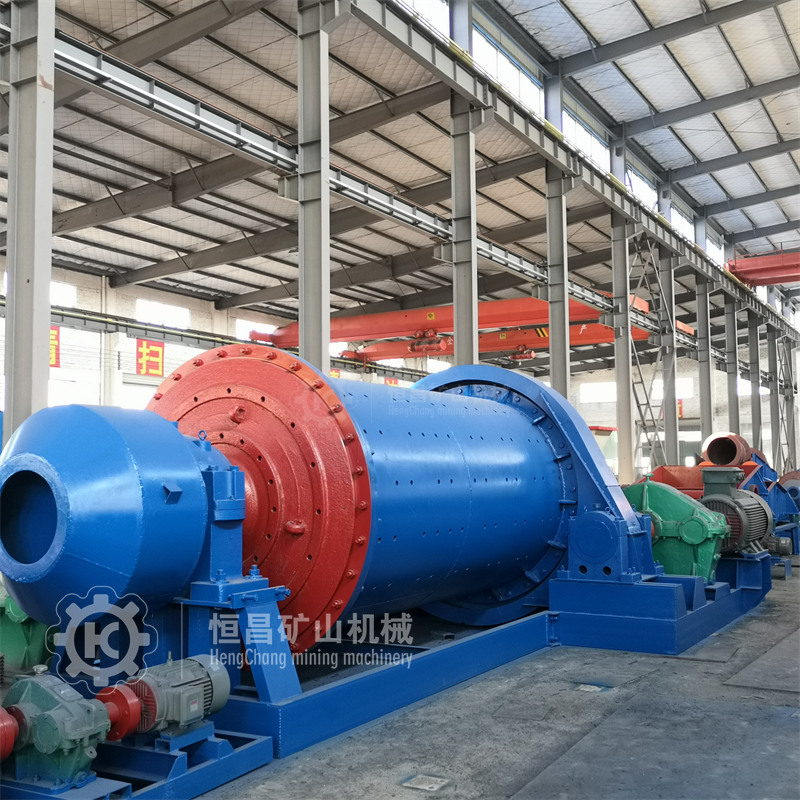
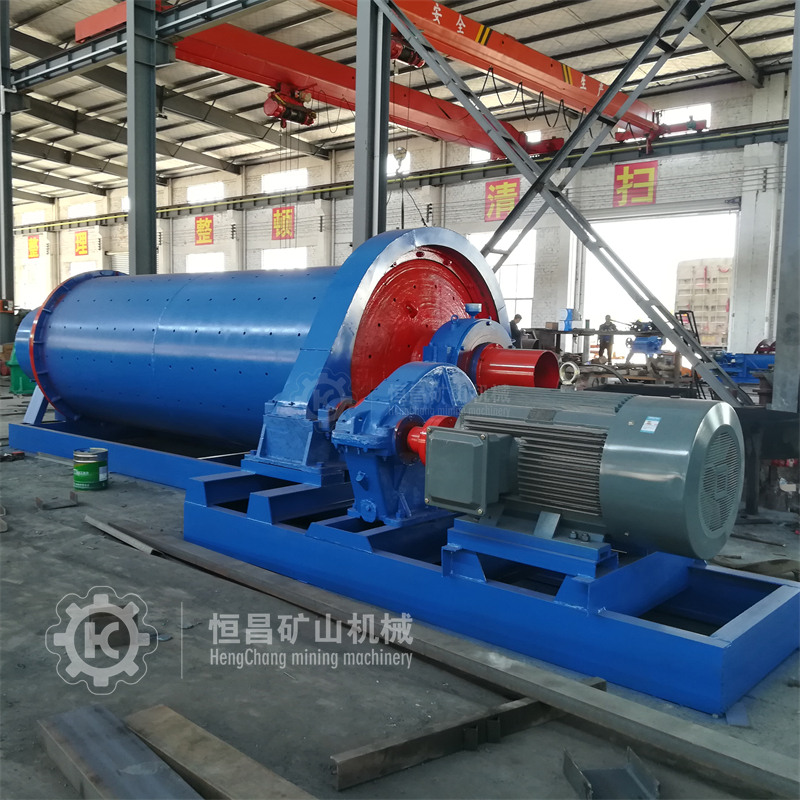
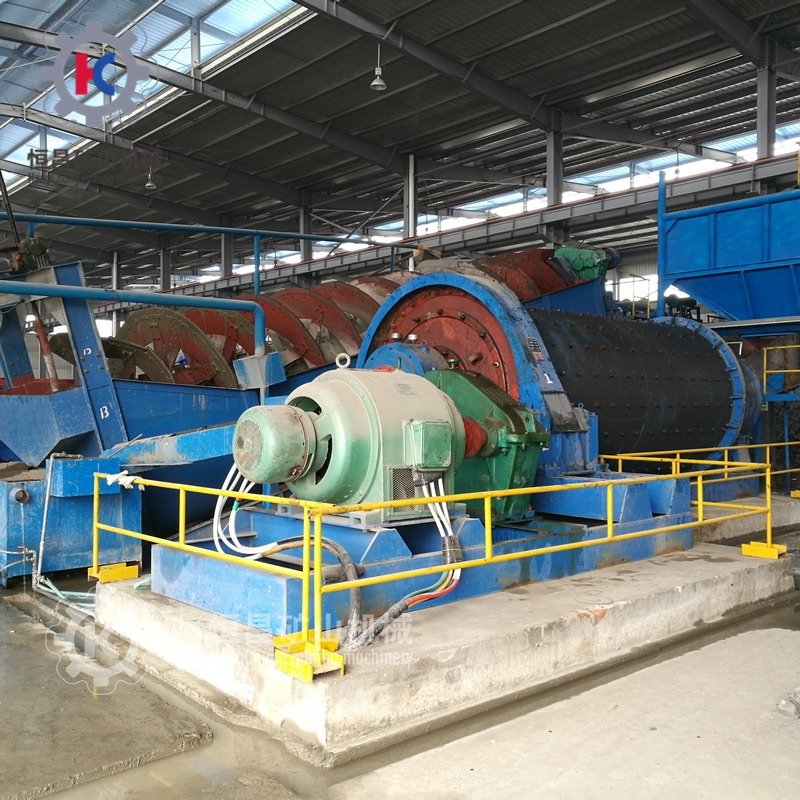
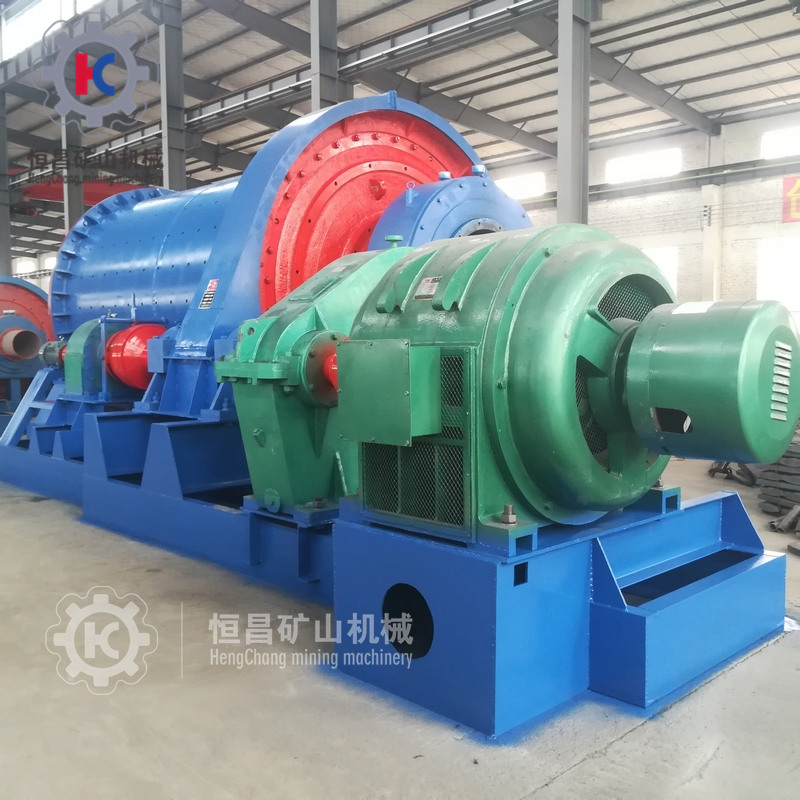
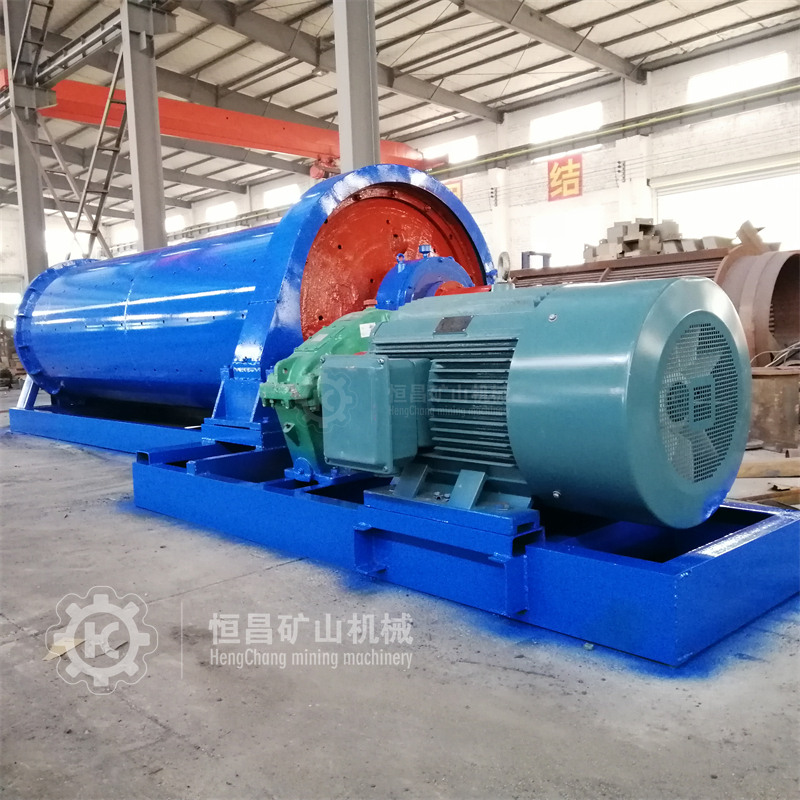
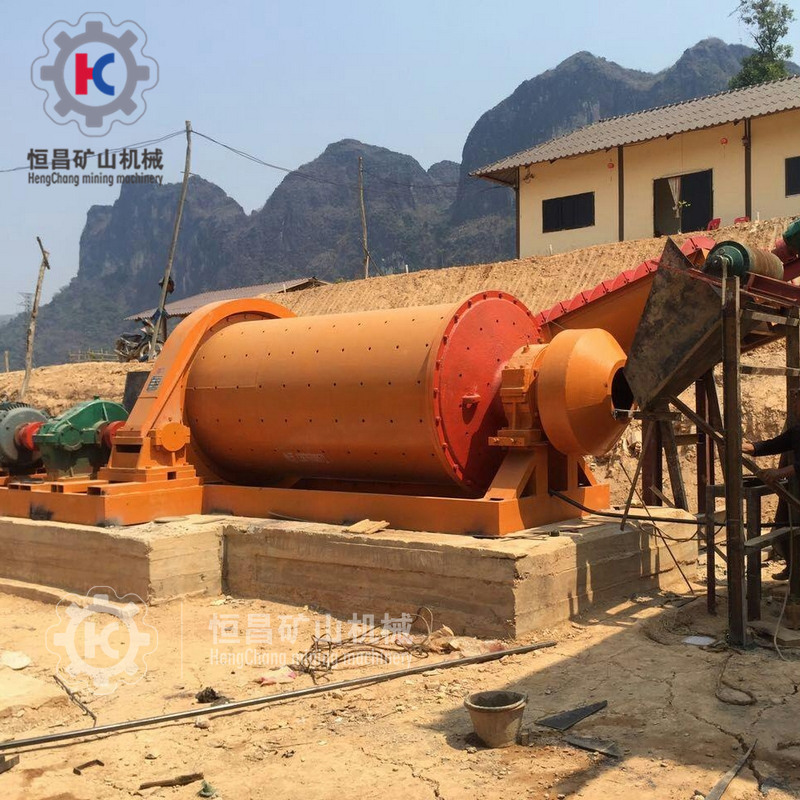
Grinding: Ball mill (e.g., 1200×2400 or 1500×3000) with spiral classifier or hydrocyclone
Flotation: Rougher, scavenger, cleaner cells (e.g., XJK or SF flotation machines)
Thickening: High-efficiency thickener
Filtration: Filter press for concentrate
Tailings: Pump to tailings pond or dry stack
This flow is simple, but the layout must be tight. Jiangxi Hengchang Mining Machinery Equipment has supplied compact 200 TPD copper processing plants with exactly this kind of modular design—jaw crusher, ball mill, flotation machine, thickener, and filter press all matched to the ore.
Real Cases: What Works in China and Abroad
Domestic Case: Yunnan, China – 200 TPD Copper Sulfide
A small copper mine in Yunnan had a chalcopyrite ore with about 1.2% Cu. The original plan was a sprawling layout with long conveyors and three slurry pumps. We redesigned it on a hillside terrace.
Primary jaw crusher on top terraceCone crusher and screen on middle terrace
Ball mill and flotation on lower terrace
Gravity flow from grinding to flotation
Result: 35% less land, 18% lower CAPEX, and recovery stabilized at 90–92% with a concentrate grade of 22% Cu. The plant was commissioned in four months using equipment from Jiangxi Hengchang Mining Machinery Equipment.
International Case: Zambia Copperbelt – 200 TPD Mixed Copper Ore
In Zambia’s Copperbelt, a new miner was struggling with a 200 TPD plant that had been copied from a larger design. The layout had too many transfer points and a poorly placed thickener. Recovery was stuck at 82%.
After a layout review, we shortened the conveyor, moved the thickener closer to flotation, and added a gravity return line. The plant used a Hengchang ball mill and flotation cells. Within six weeks, recovery climbed to 89%, and power consumption dropped by about 12%.
International Case: Peru – 200 TPD Copper Sulfide at High Altitude
A small mine in Peru, at 3,800 m altitude, needed a compact plant that could be built quickly. The layout used a single steel module for grinding and flotation. The ball mill and flotation cells were pre-assembled before shipping.
Result: 4 months from delivery to production, recovery of 91%, and a footprint that fit into a narrow valley. The equipment package came from Jiangxi Hengchang Mining Machinery Equipment, including jaw crusher, ball mill, hydrocyclone, and flotation machines.
Where a 200 TPD Copper Plant Makes Sense
A 200 TPD layout is ideal for:
Small underground mines that need a quick, affordable processing solutionSatellite deposits far from a central concentrator
Tailings reprocessing where you’re recovering leftover copper
Contract mining projects with a 3–5 year mine life
Remote areas with limited power, water, or land
In all these cases, a compact, gravity-friendly layout is not just nice—it’s the difference between profit and shutdown.
How to Choose the Right Equipment and Layout Partner
Don’t buy equipment piece by piece. You’ll end up with mismatched sizes and a flow that doesn’t work.
Instead, ask for:
Ore testing – hardness, liberation size, oxidation rateA 3D layout drawing – not just a list of machines
References from 200 TPD copper plants – especially in similar ore types
Commissioning and training – the best layout still needs good operators
Jiangxi Hengchang Mining Machinery Equipment provides complete 200 TPD copper ore processing plant design, equipment manufacturing, installation, and commissioning. They can help you avoid the common flow mistakes and build a plant that fits your land, your budget, and your ore.
Final Checklist for New Miners
Before you pour concrete, remember:
Design for 10–12 TPH, not exactly 8.3 TPHUse gravity flow wherever possible
Keep maintenance access wide enough
Don’t oversize equipment “just in case”
Test your ore before finalizing the flow
Plan tailings and water from day one
Work with an experienced layout partner like Jiangxi Hengchang
A 200 TPD copper ore processing plant can be a great business. But only if the layout saves land, cuts CAPEX, and lets the metallurgy do its job. Get the flow right, and recovery will follow.