Chinese


1000 TPD Gold Plant Water Costs
If you run a 1000 TPD gold plant, water is not just a utility bill. In dry regions, water can be one of your top three operating costs—right up there with power and reagents. Ask ten managers what water costs at 1000 TPD, and you'll get ten different answers. Some pay $0.30/m³ from a borehole. Others pay $6/m³ or more for trucked water in the dry season.
So what should you actually expect? And how do you bring the number down without hurting gold recovery? Let's break it down in plain language.
What Does 1000 TPD Mean for Water Demand?
A 1000 TPD gold plant processes 1,000 tonnes of ore per day. Water use depends on the flowsheet—CIL, CIP, flotation, or gravity—but most gold plants fall into a similar range.
Here's a typical water balance for a 1000 TPD gold CIL/CIP plant:
| Area | Typical Water Use (m³/t ore) | Daily Range at 1000 TPD |
|---|---|---|
| Crushing & dust suppression | 0.03–0.10 | 30–100 m³/day |
| Grinding & classification | 0.40–0.80 | 400–800 m³/day |
| Leaching / CIL / CIP | 0.80–1.50 | 800–1,500 m³/day |
| Tailings transport | 0.50–1.20 | 500–1,200 m³/day |
| Thickener overflow recycle | -0.60 to -1.50 | -600 to -1,500 m³/day |
| Net makeup water | 0.20–0.60 | 200–600 m³/day |
The key number is net makeup water. That's the fresh water you must add every day after recycling. A well-designed plant with a good thickener and tailings dewatering system can often keep makeup water between 200 and 400 m³/day. A poorly designed plant without recycling can easily pull 800–1,500 m³/day.
That difference is where your money goes.
The Real Cost Components of Water at 1000 TPD
Water cost is not just the price per cubic meter. You need to add pumping, treatment, discharge, and maintenance.
| Cost Item | Typical Range |
|---|---|
| Fresh water purchase / royalty | $0.20–$3.00/m³ |
| Pumping energy | $0.05–$0.25/m³ |
| Treatment / flocculant / lime | $0.05–$0.40/m³ |
| Discharge / environmental fees | $0–$1.00/m³ |
| Maintenance & labor | $0.03–$0.15/m³ |
| All-in typical cost | $0.40–$2.50/m³ |
If water is trucked in, the fresh water cost alone can jump to $5–$15/m³. That changes everything.
Let's run a simple example:
Net makeup water: 300 m³/dayAll-in water cost: $1.20/m³
Operating days: 350 per year
Daily cost = 300 × $1.20 = $360/day
Annual cost = $360 × 350 = $126,000/year
If you cut makeup water to 200 m³/day, the annual cost drops to $84,000/year. That's a $42,000 saving—just from better recycling. If water is trucked at $6/m³, the same 100 m³/day reduction saves $210,000/year.
Why Water Costs Vary So Much Between Gold Plants
Not all 1000 TPD gold plants are equal. Here are the biggest factors:
Ore type: Clay-rich ore holds water and is harder to thicken. It often needs more flocculant and more makeup water.Flowsheet: CIL and CIP use more water than flotation or gravity. But they also allow thickener overflow to be recycled.
Tailings management: Slurry tailings to a pond lose water to evaporation and seepage. Dry stacking with a filter press can cut losses dramatically.
Climate: In the Sahel or Atacama, evaporation can take 30–50% of your pond water. In wet regions, rainwater can help.
Regulations: Zero-discharge permits may force you to recycle more—but also add treatment costs.
Energy price: Pumping 1,000 m³/day against 50–80 m head adds up, especially with diesel power.
How to Reduce 1000 TPD Gold Plant Water Costs
You don't need exotic technology. Most savings come from blocking leaks in the water circuit.
1. Install a High-Rate Thickener
A good thickener recovers 70–85% of the water from tailings. The overflow goes back to grinding or leaching. The underflow becomes much denser, so less water is lost to the tailings pond.
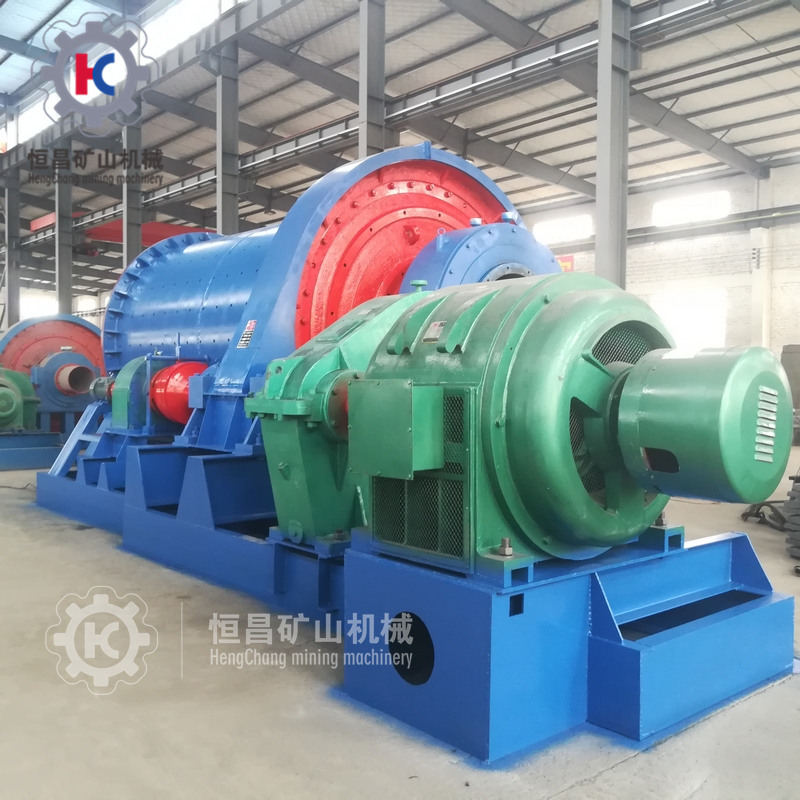
If your thickener is undersized or your flocculant dosing is wrong, you're paying for fresh water you don't need.
2. Use Hydrocyclones and Closed-Circuit Grinding
Over-dilution in grinding is common. Hydrocyclones and proper density control keep the mill discharge thick enough for the next stage. That reduces water demand and pump wear.
3. Separate Process Water from Gland Water
Clean water should go to glands, seals, and reagent mixing. Dirty water can go to grinding and tailings. Mixing them wastes clean water and can raise treatment costs.
4. Meter Everything and Fix Leaks
A 1000 TPD plant can lose 20–50 m³/day through small leaks, overflowing tanks, and worn valves. Flow meters on every major line pay for themselves fast.
5. Dewater Tailings with a Filter Press
If you can dry-stack tailings, you recover more water and reduce pond evaporation. The filter press cake can be 10–15% moisture, compared to 40–60% in slurry. That water goes back to the plant.
6. Harvest Rainwater and Line Your Ponds
In wet seasons, capture runoff. In dry seasons, line your ponds to stop seepage. Both lower fresh water intake.
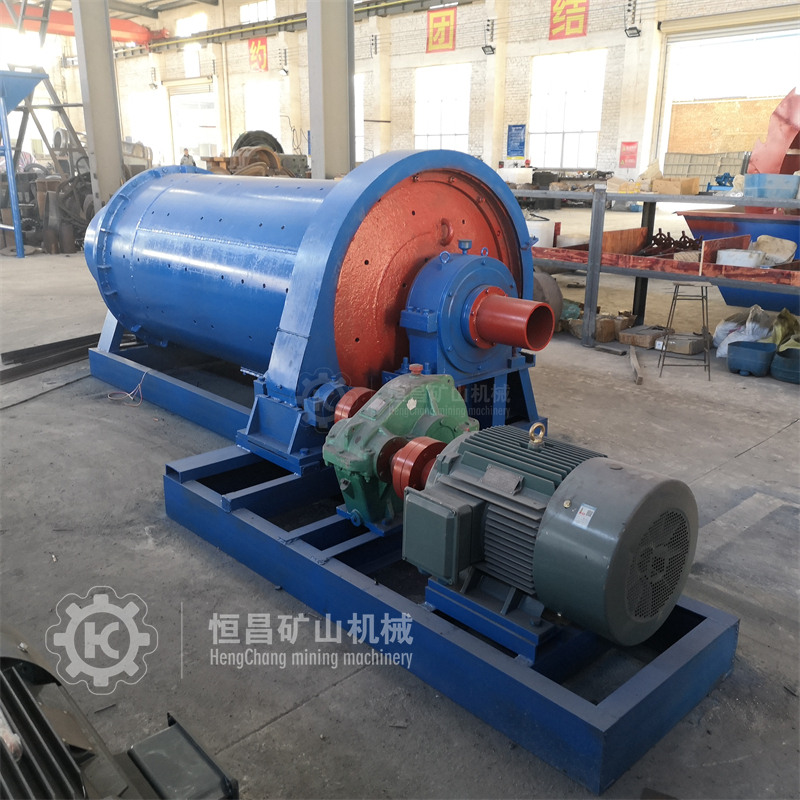
7. Work with an Equipment Supplier Who Understands Water Balance
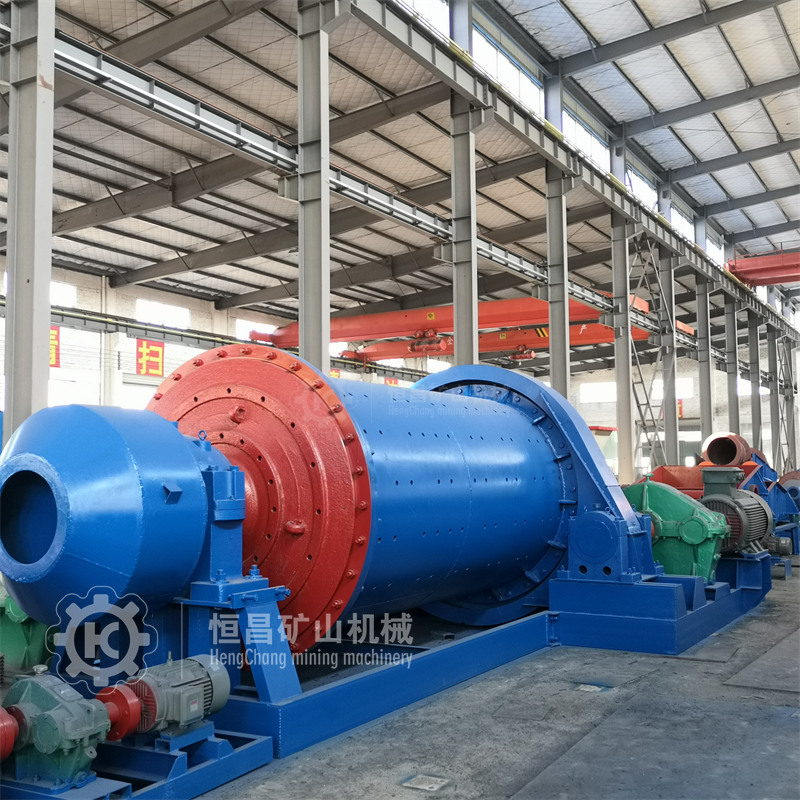
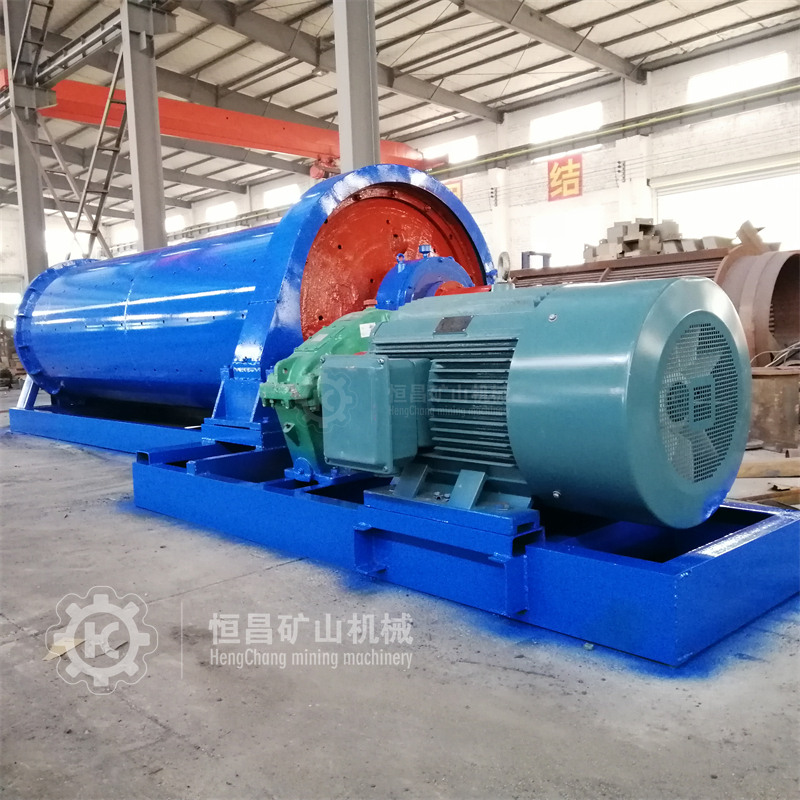
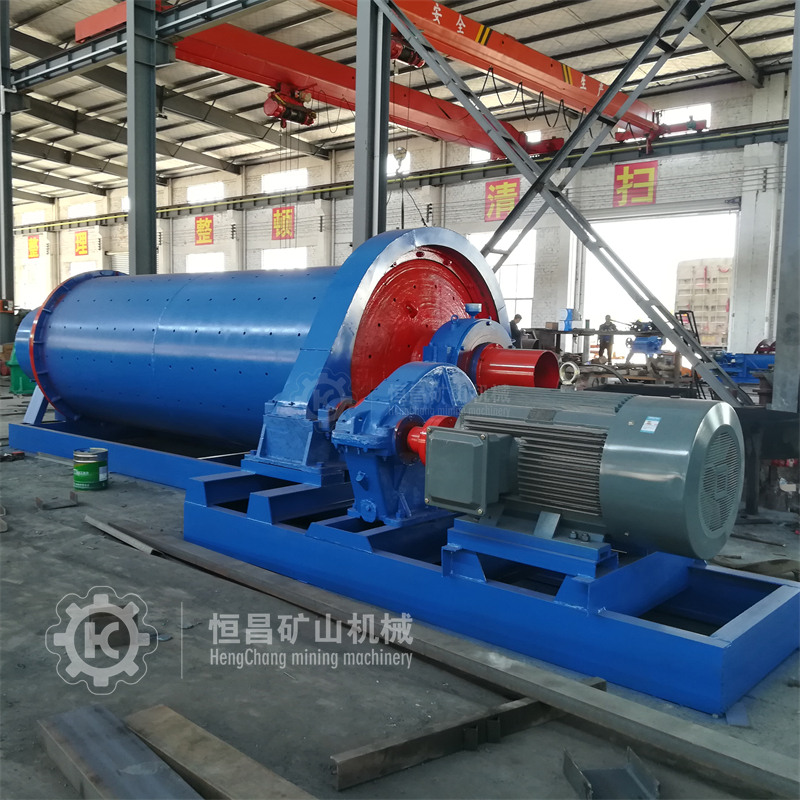
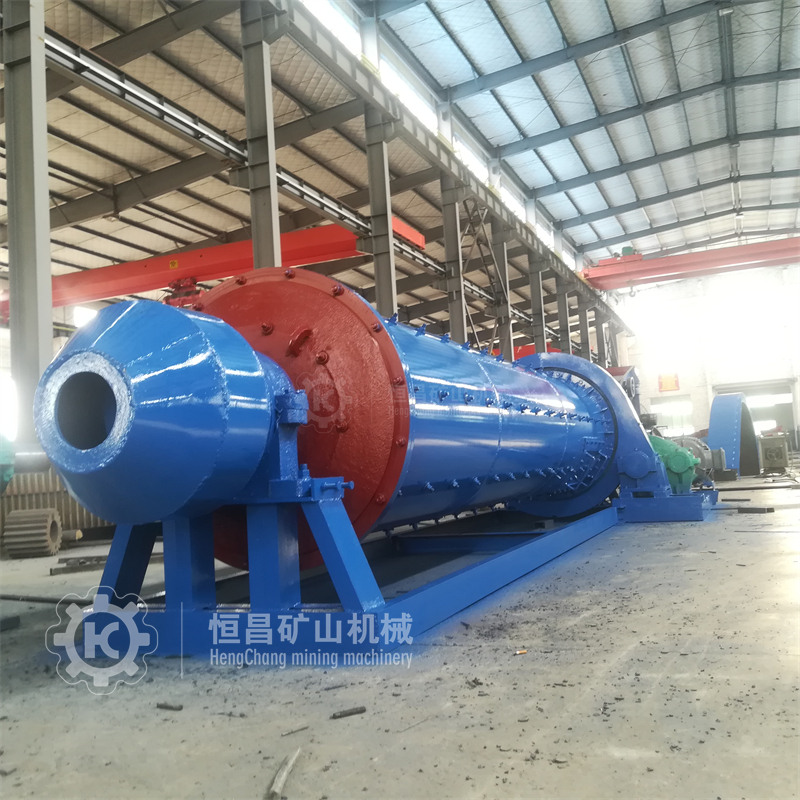
This is where a partner like Jiangxi Hengchang Mining Machinery Equipment can help. They build thickeners, hydrocyclones, ball mills, CIL/CIP tanks, filter presses, and complete water recycling systems for 1000 TPD gold plants. Instead of guessing, you get a proper water balance based on your ore and climate.
Success Cases: Domestic and International
Domestic Case: 1000 TPD Gold CIL Plant in Shandong, China
One 1,000 TPD gold CIL plant in Shandong had clay-rich ore and an undersized tailings thickener. Net makeup water was around 550 m³/day. The operator upgraded to a high-rate thickener, added a filter press for tailings dewatering, and recycled thickener overflow back to grinding.
After the upgrade, net makeup dropped to about 260 m³/day. At an all-in water cost near $0.90/m³, annual water cost fell from roughly $173,000 to $82,000—about $91,000 saved per year. Payback on the dewatering equipment was under two years.
International Case: 1000 TPD Gold Plant in Tanzania
A 1,000 TPD gold plant in Tanzania faced dry-season water trucking at $5–$7/m³. The plant was sending thickener overflow to the tailings pond, where it evaporated. Makeup water was about 500 m³/day.
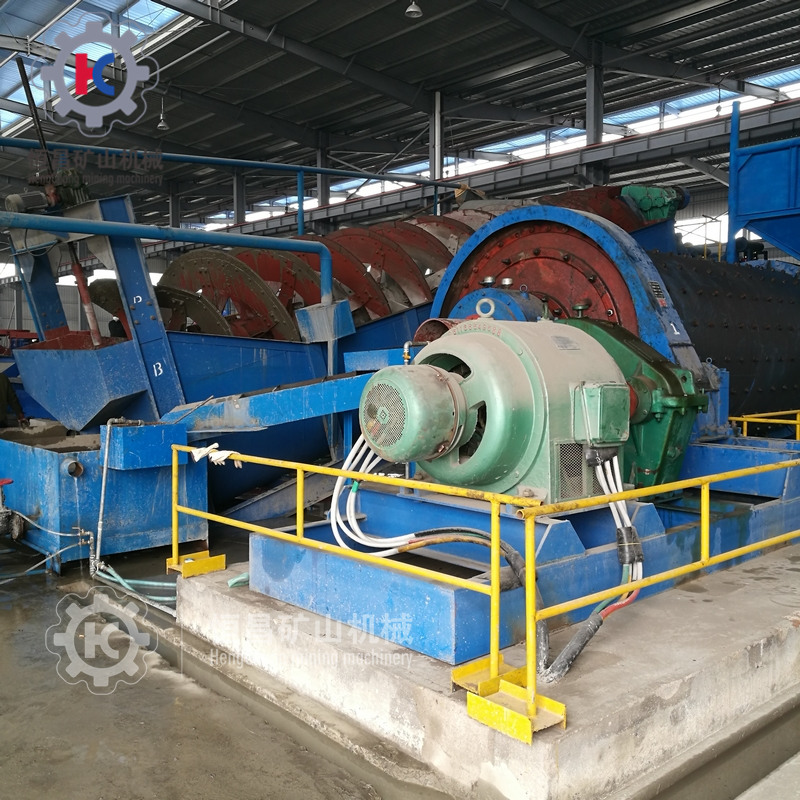
After installing a Hengchang thickener, cyclone cluster, and water return system, makeup water fell to around 250 m³/day. Even at $5/m³, that's roughly $437,500 saved per year in trucking and purchase costs. The plant also reduced its environmental risk and improved process stability.
Common Application Scenarios
Arid regions: Closed-loop recycling is not optional. Thickener + filter press is the standard.Remote mines: Trucked water is expensive. Every 10 m³/day saved is real money.
CIL/CIP plants: Thickener overflow is usually good for grinding water. Watch for reagent buildup.
Flotation gold plants: Recycling is possible, but water quality affects flotation selectivity. Testing matters.
Dry-stack tailings: Filter presses cut water loss and reduce dam risk.
High-clay ore: High-rate thickeners and correct flocculant dosing are essential.
Quick Budget Worksheet for Your 1000 TPD Plant
Use this simple formula:
Annual water cost = Net makeup water (m³/day) × Operating days × All-in cost ($/m³)
Then ask:
What is my current net makeup water?What is my true all-in cost—including pumping, treatment, and discharge?
How much water can I recycle with a better thickener?
What would a filter press save in evaporation and seepage?
How fast would the upgrade pay back?
Bottom Line
For a 1000 TPD gold plant, water costs often land between $50,000 and $300,000 per year. If water is trucked, it can be much higher. The biggest lever is not the price per cubic meter—it's net makeup water. Thickening, recycling, and tailings dewatering usually pay for themselves in one to three years.
If you're planning a new 1000 TPD gold plant or fixing an old one, don't guess at your water balance. Talk to Jiangxi Hengchang Mining Machinery Equipment. They can help you size thickeners, hydrocyclones, filter presses, and CIL/CIP circuits so your water cost stays under control—and your gold recovery stays strong.