Chinese


500 TPD Gold Ore Production Line: Avoid Costly Equipment Mistakes with the Right Crushing, Grinding, and CIL Setup for Maximum Recovery and Faster ROI
A 500 TPD gold ore production line is not a small toy plant. It is also not a giant mine. It sits right in the sweet spot for many small and medium miners.
But this is exactly where costly mistakes happen.
One undersized ball mill. One wrong crusher. One poorly designed CIL setup. Any of these can kill your recovery and push your ROI far into the future.
If you are planning a 500 TPD gold processing plant, this article is for you. We will break down the crushing, grinding, and CIL stages, share real application scenarios, and explain how to avoid equipment mistakes from the start. We will also look at how Jiangxi Hengchang Mining Machinery Equipment helps miners get the setup right.
Why 500 TPD Is a Sweet Spot—and a Trap
500 TPD means 500 tonnes per day.
If you run 24 hours, that is about 20.8 tonnes per hour. If you run 20 hours, it is about 25 tonnes per hour.
Many miners choose this capacity because it is manageable. It does not require a huge capital budget like a 2,000 TPD plant, but it can still generate solid profit if the gold recovery is good.
The trap is simple: people buy equipment by looking at the price tag, not the ore.
Gold ore is not the same everywhere. Some ores are soft. Some are hard. Some have clay. Some have coarse gold. Some have fine gold locked in sulfide. If your equipment is not matched to your ore, you will pay for it every day.
That is why ore testing and flow design must come before you buy any crusher, ball mill, or CIL tank.
Crushing: The First Place Money Leaks
Crushing looks simple. Feed rock in, crush it small, send it to grinding.
But in a 500 TPD gold ore production line, crushing mistakes show up fast.
Common mistakes include:
Using a hammer crusher for hard gold ore, causing high wear and too much fines.No vibrating screen, so the crusher keeps recrushing already-small material.
Product size too coarse, which overloads the ball mill.
No metal detector or iron remover, leading to broken crusher parts.
For most 500 TPD gold plants, a good crushing setup is:
Primary jaw crusherSecondary cone crusher
Vibrating screen in closed circuit
Product size around 10–15 mm before grinding
This setup gives you stable throughput and less downtime.
Take a 500 TPD gold project in Tanzania. The raw ore came in at 0–350 mm. The mine used a jaw crusher, a cone crusher, and a vibrating screen. The final crushed product was about 12 mm. The plant ran smoothly, with fewer blockages and lower maintenance. Jiangxi Hengchang Mining Machinery Equipment supplied the crushing line and helped with the layout.
In Yunnan, China, another 500 TPD plant had high clay content. The ore stuck in the crusher and chutes. The solution was to add a trommel scrubber before crushing. After washing, the crushing circuit ran much better.
The lesson? Do not copy a crushing flow from another mine. Match it to your ore.
Grinding: Where Recovery Is Won or Lost
If crushing is the first place money leaks, grinding is where recovery is won or lost.
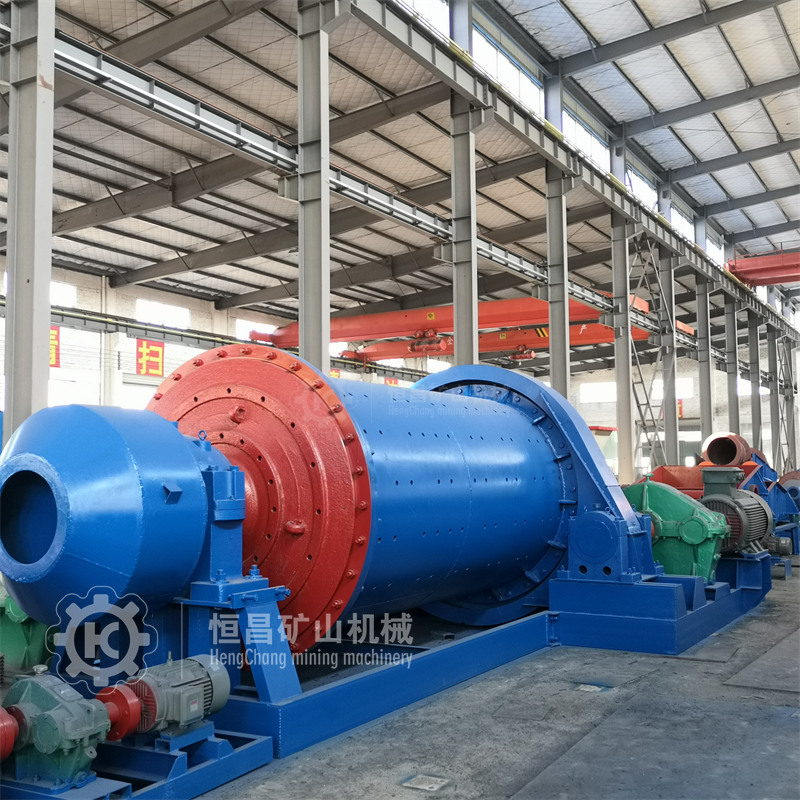
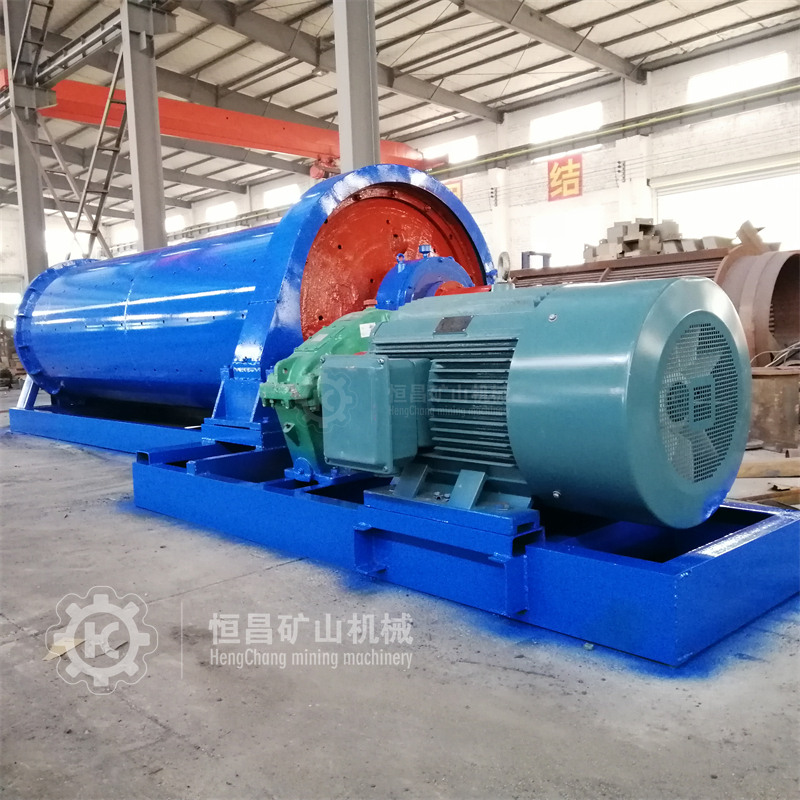
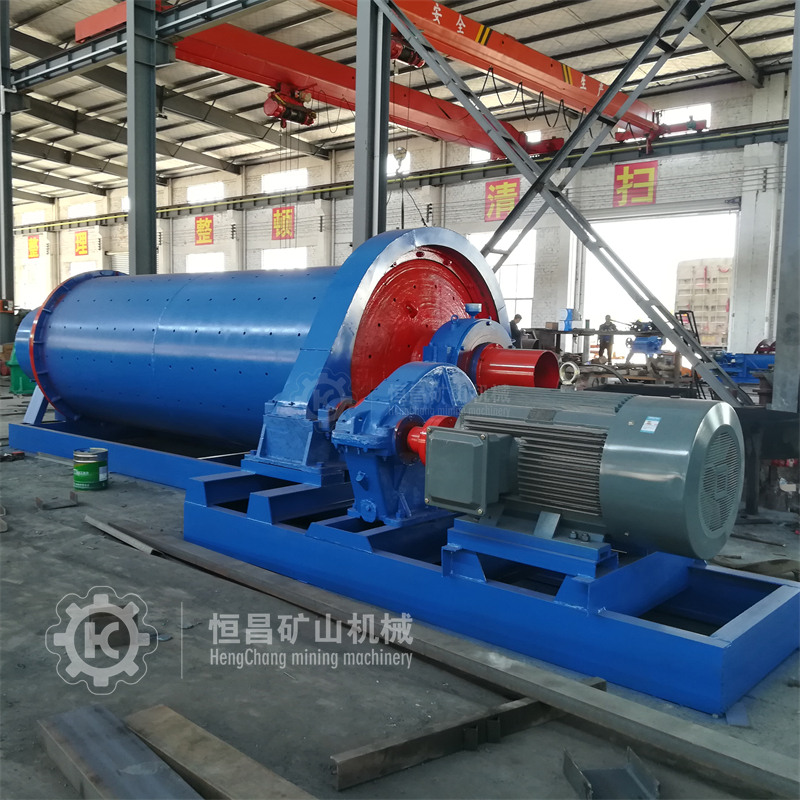
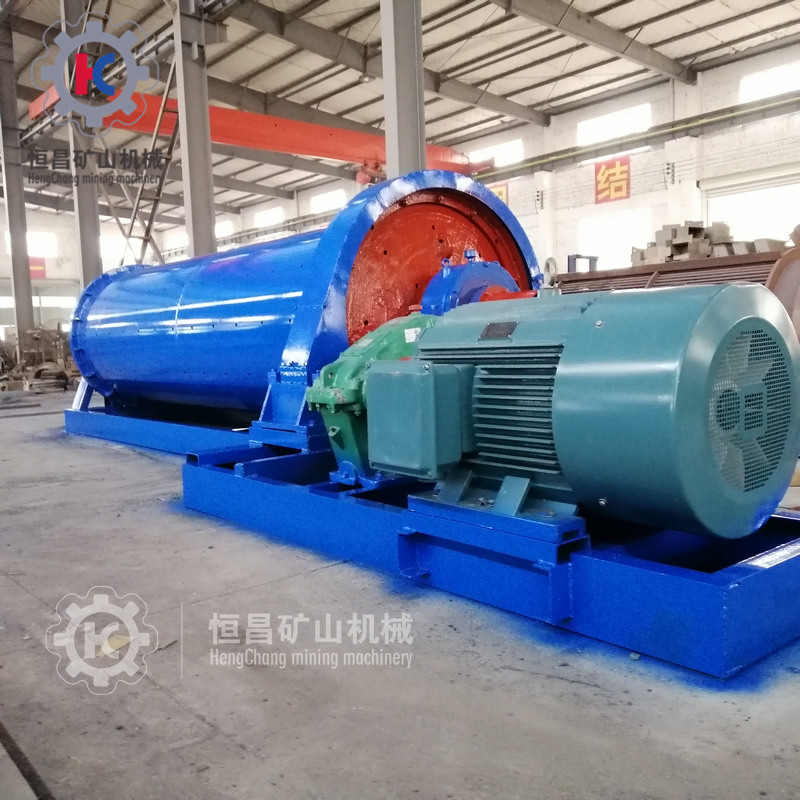
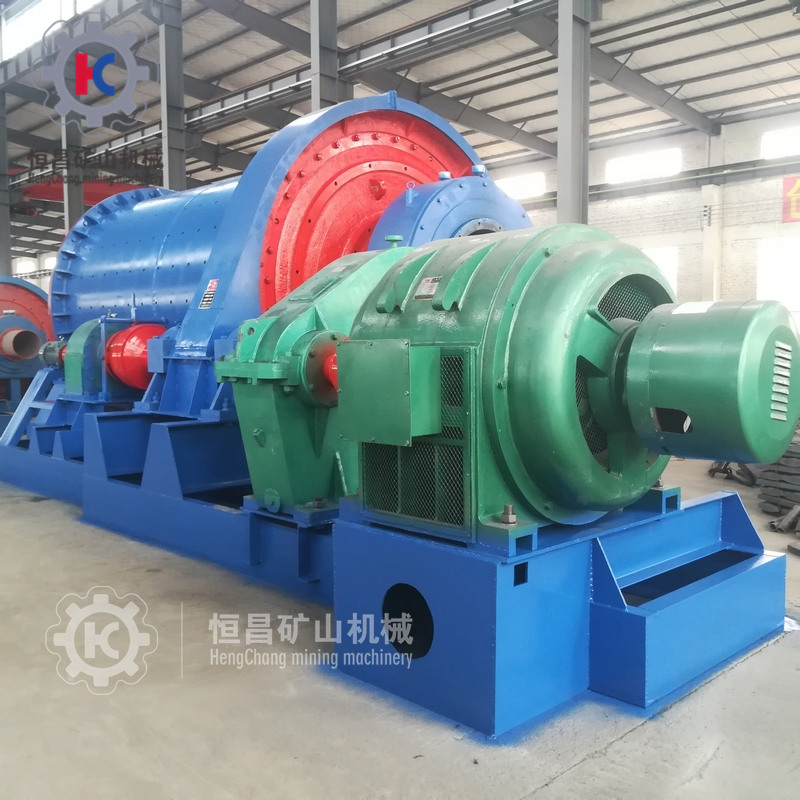
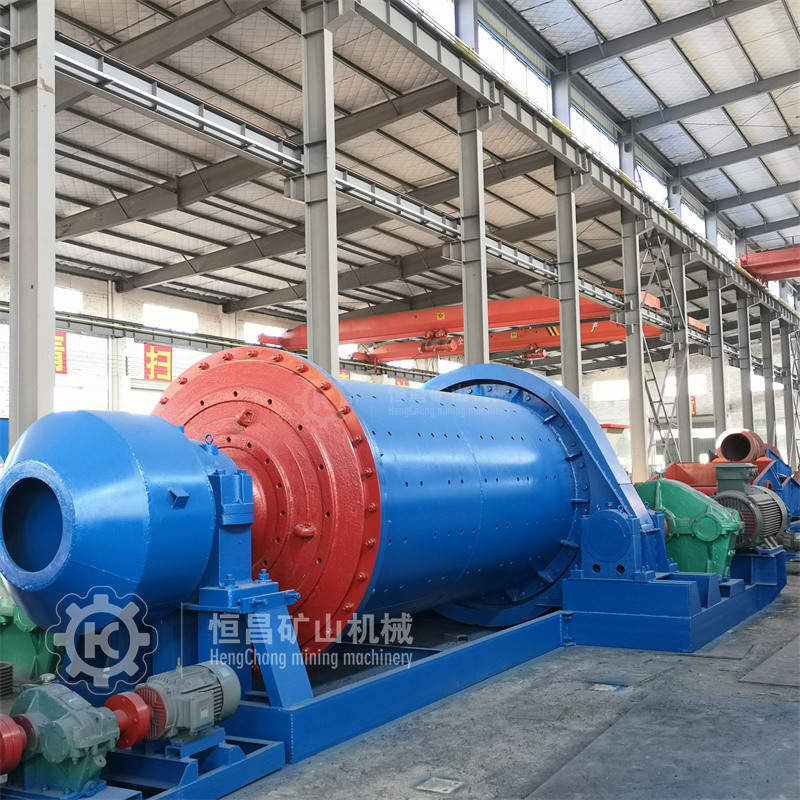
In a 500 TPD gold ore production line, the grinding stage usually uses a ball mill in closed circuit with a spiral classifier or hydrocyclone.
The target grind size depends on your gold. For many gold ores, P80 around 75 microns is common. But some ores need finer grinding. Some need coarser.
Mistakes in grinding include:
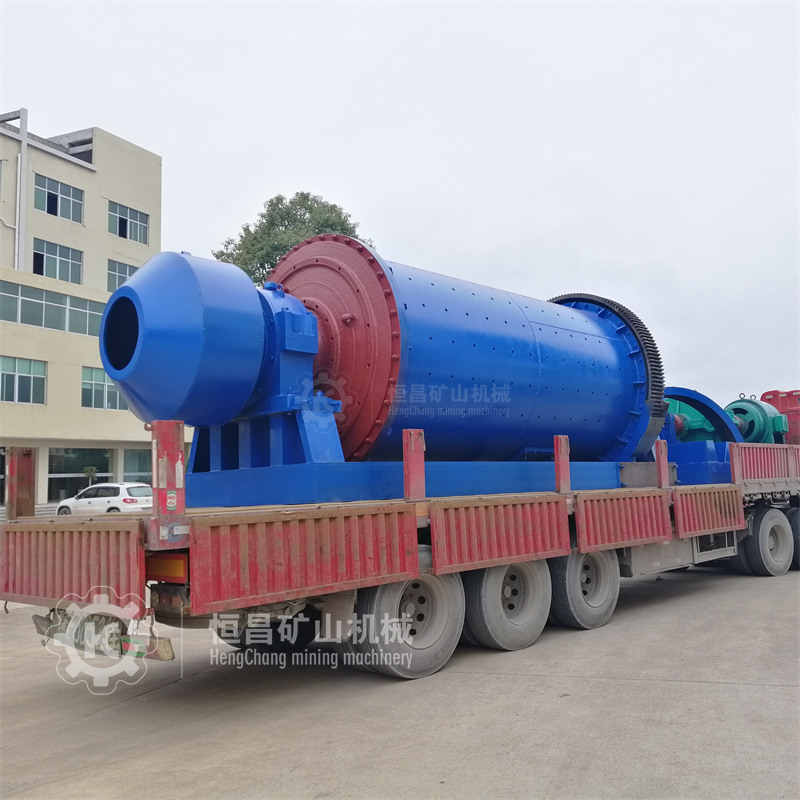
Ball mill too small for 500 TPD, so you never reach capacity.No classification, causing overgrinding and slime.
Ignoring gravity recovery for coarse gold.
Coarse gold is a big deal. If your ore has free coarse gold, a CIL plant alone may not recover it well. Gravity separation before CIL can catch that gold early.
Take a 500 TPD gold plant in Zimbabwe. The ore had visible coarse gold. At first, the plant sent everything to CIL. Recovery was lower than expected. Then they added a gravity concentrator before CIL. It recovered about 15–20% of the gold early. This reduced the load on the CIL circuit and pushed overall recovery to around 92%.
In Inner Mongolia, China, a 500 TPD plant faced cold winters. The ball mill and slurry pipes needed insulation and heating. With the right design from Hengchang, the plant ran through winter without freezing issues.
So before you buy a grinding mill, ask:
How hard is my ore?What is my target grind size?
Is there coarse gold?
Do I need gravity separation?
CIL Setup: The Heart of Gold Recovery
CIL stands for Carbon-in-Leach. It is one of the most common methods for gold recovery in 500 TPD plants.
In a CIL setup, cyanide leaching and carbon adsorption happen in the same tanks. Gold dissolves, then attaches to activated carbon. The loaded carbon is then sent to desorption, electrowinning, and smelting.
For a 500 TPD gold CIL plant, you typically need:
ThickenerPre-aeration or leach tanks
6–8 CIL tanks
Carbon transfer system
Desorption and electrowinning unit
Smelting furnace
Tailings pond and cyanide control
Mistakes in CIL design are expensive:
Too few tanks, so leaching time is too short.Poor agitation, so carbon and slurry do not mix.
Wrong carbon size, causing carbon loss or poor adsorption.
No pH control, wasting cyanide.
No elution system, so you cannot reuse carbon.
A good CIL setup for 500 TPD usually gives 24–48 hours of total retention time. pH is kept around 10.5–11. Carbon concentration is often 10–20 g/L. Carbon moves counter-current to the slurry.
In Indonesia, a 500 TPD gold CIL plant treated oxidized gold ore. The original design had only 4 CIL tanks. Recovery was unstable. After upgrading to 7 tanks with better agitation, recovery reached about 93%. Cyanide consumption also dropped.
In the Philippines, a 500 TPD plant had a similar problem. The agitators were not strong enough. Carbon was not suspending well. After replacing the agitation system and improving carbon management, recovery went from around 82% to over 90%.
These are not rare cases. They happen because CIL is not just tanks. It is a chemical and mechanical system.
Equipment Mistakes That Cost You ROI
Here is a quick checklist of mistakes that slow down ROI in a 500 TPD gold ore production line:
No ore test before equipment selection.Buying the cheapest crusher, then paying for downtime.
Mismatched capacity between crushing, grinding, and CIL.
Ignoring slurry pumps and piping design.
No spare parts plan.
No local service or training.
Underestimating power and water needs.
Skipping automation and monitoring.
Every one of these can add months to your payback period.
How to Build a 500 TPD Gold Line the Right Way
Step 1: Test your ore.
Do chemical analysis, mineralogy, grind curve, gravity test, and cyanidation test.
Step 2: Design the flow.
Crushing → grinding → gravity (if needed) → CIL → desorption → smelting → tailings.
Step 3: select equipment.
This is where Jiangxi Hengchang Mining Machinery Equipment can help. Hengchang provides jaw crushers, cone crushers, vibrating screens, ball mills, spiral classifiers, hydrocyclones, agitation tanks, CIL tanks, desorption electrolysis systems, and complete gold processing plants.
Step 4: Plan layout and installation.
Good layout reduces piping, pumping, and maintenance.
Step 5: Commission and train.
A plant is only as good as the people running it. Training matters.
Domestic and International Cases at a Glance
Tanzania, 500 TPD: Jaw + cone + screen crushing, ball mill grinding, CIL. Stable operation, recovery around 91%.Zimbabwe, 500 TPD: Gravity + CIL. Coarse gold recovered early. Overall recovery around 92%.
Yunnan, China, 500 TPD: High clay ore. Trommel scrubber + CIL. Reduced blockages and stable throughput.
Indonesia, 500 TPD: CIL upgrade from 4 to 7 tanks. Recovery up to about 93%, lower cyanide use.
Philippines, 500 TPD: Improved agitation and carbon management. Recovery from 82% to over 90%.
These cases show one thing: the right equipment setup matters more than the brand name on the machine.
Final Takeaway
A 500 TPD gold ore production line can be a highly profitable project. But only if you avoid the common equipment mistakes.
Do not guess. Test your ore.
Do not undersize your ball mill. Do not skip gravity if you have coarse gold. Do not cut corners on CIL tanks and agitation. Do not buy equipment without a proper flow design.
Work with a partner who understands gold ore, not just machinery. Jiangxi Hengchang Mining Machinery Equipment has helped miners in China and overseas build reliable crushing, grinding, and CIL plants. The goal is simple: maximum recovery, lower downtime, and faster ROI.
Get the setup right from the start. Your future profit depends on it.