Chinese


200 TPD Tin Ore Processing Line Equipment Configuration: Top 5 Layout Mistakes That Kill Recovery and Raise Costs for New Miners
So you’ve got a 200 TPD tin ore project. Maybe it’s alluvial, maybe hard rock. You’ve bought a jaw crusher, a ball mill, a few shaking tables. You think you’re ready.
Then you start running. Recovery comes in at 55%. Concentrate grade is messy. Pumps choke. Water is everywhere. And you’re already losing money.
Here’s the truth: at 200 TPD, the problem is rarely the equipment itself. It’s the layout. You don’t have the buffer of a 2,000 TPD plant. Every misplaced chute, every undersized pump, every missing screen costs you real tin.
This article breaks down the top 5 layout mistakes we see all the time at Jiangxi Hengchang Mining Machinery Equipment (江西恒昌矿山机械设备) when new miners set up 200 TPD tin ore processing lines — and how to fix them.
Why 200 TPD Is a Tough Size for Tin
Tin is heavy. Cassiterite has a specific gravity around 6.8–7.0. Gravity separation is king.
But tin is also brittle. It slimed easily. At 200 TPD, feed variation hits you hard. A small change in feed size or slime content can swing recovery by 10% or more.
You need a layout that stages three things:
LiberationSize classification
Gravity concentration
If you treat the whole 200 TPD as one stream, you’ll lose fine tin to tailings and coarse tin to over-grinding.
Mistake #1: Crushing and Grinding Without Liberation Control
Many new miners copy a gold plant: jaw crusher → ball mill → straight to tables. For tin, that’s a trap.
Tin minerals are often locked with quartz. If you grind too coarse, you leave locked particles. If you grind too fine, you create slimes that shaking tables can’t catch.
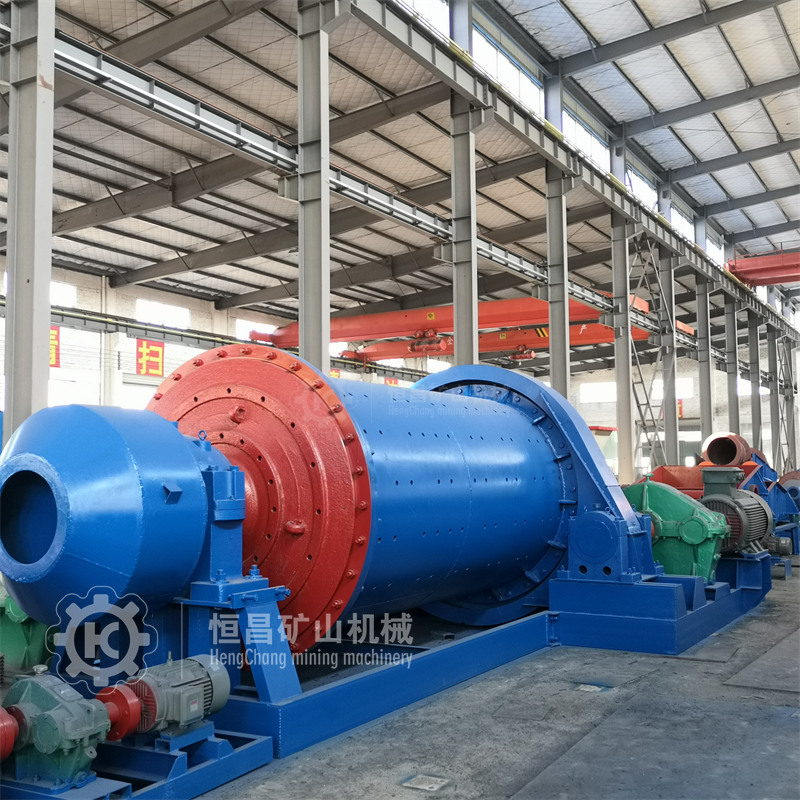
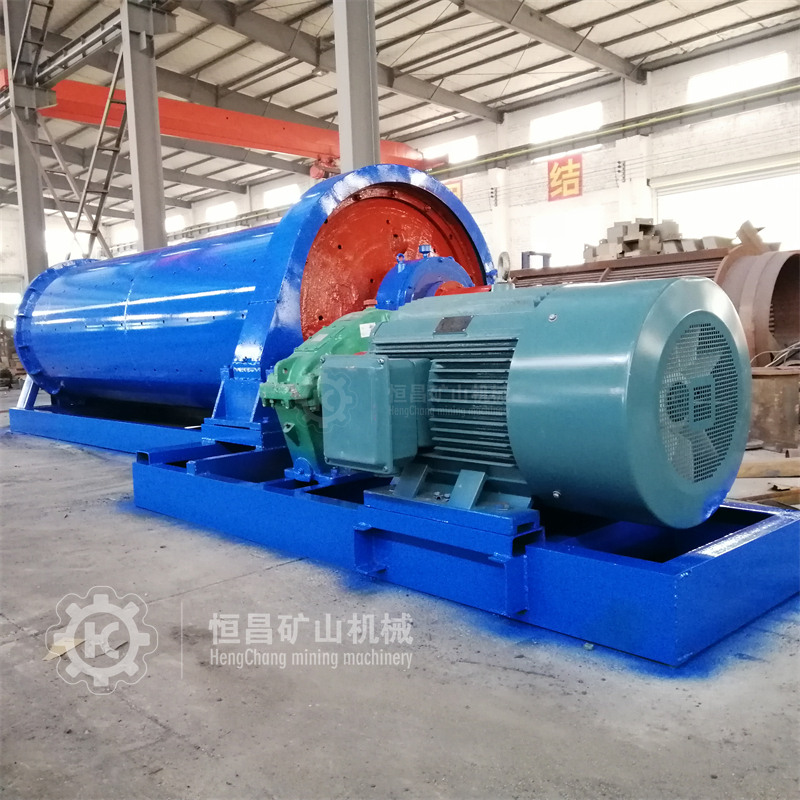
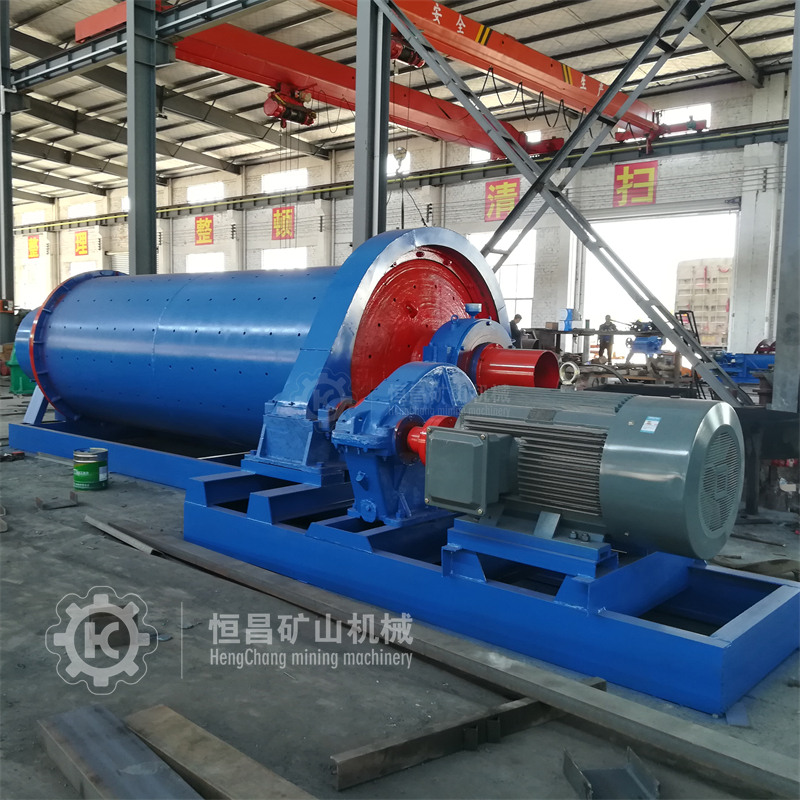
At 200 TPD, you need two-stage crushing — jaw + cone — and a closed-circuit ball mill with a spiral classifier or hydrocyclone. The target is usually 0.2–2 mm for gravity, but it depends on your ore.
Fix: Run a grind curve test. Use a cone crusher to reduce to -10 mm before the ball mill. Use a spiral classifier to return coarse sands. Don’t let the mill run wild.
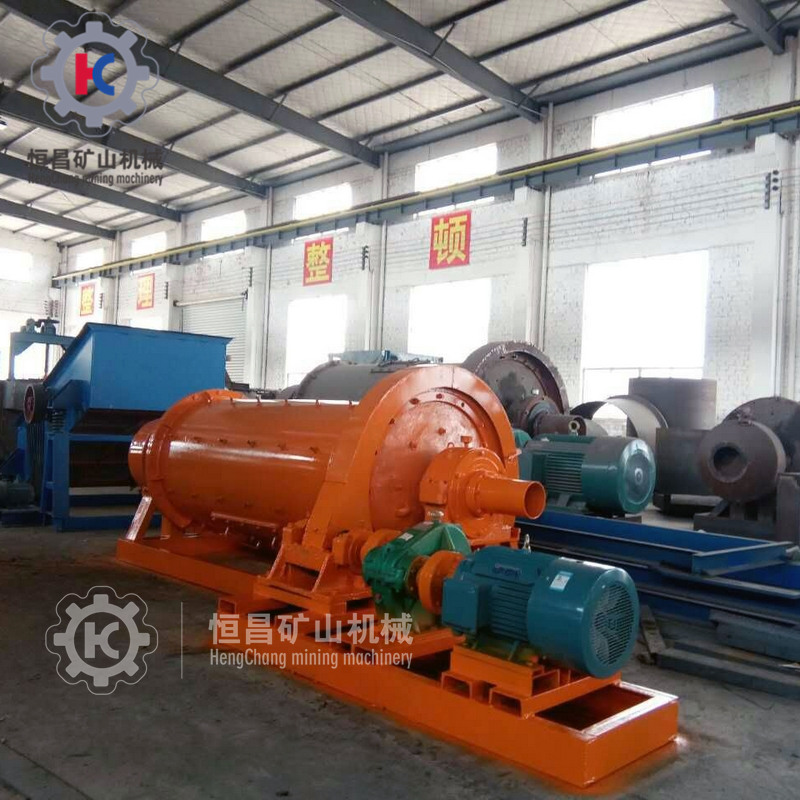
Success note: In a 200 TPD hard rock tin project in Yunnan, China, the original layout used a single-stage ball mill and open circuit. Over 30% of cassiterite was lost as -10 µm slime. After Hengchang reconfigured with a cone crusher, closed-circuit ball mill, and spiral classifier, the plant reported recovery jumping from the low 60s to around 74%. Not magic — just liberation control.
Mistake #2: Feeding Jigs and Tables Without Proper Size Classification
Tin gravity equipment has a narrow sweet spot.
A jig likes 0–10 mm, but not if 50% is already -0.074 mm.A shaking table works best on 0.037–2 mm.
A spiral chute handles 0.074–2 mm.
If you dump everything on one shaking table, you’ll get poor separation and high concentrate recirculation.
The common mistake: no vibrating screen or hydraulic classifier before the gravity circuit. At 200 TPD, you should split feed into at least three size fractions:
Coarse: +2 mm goes back to grinding or to a coarse jig.Medium: 0.5–2 mm to jigs or spirals.
Fine: 0.037–0.5 mm to shaking tables.
Slime: -0.037 mm to centrifugal concentrator or slime table.
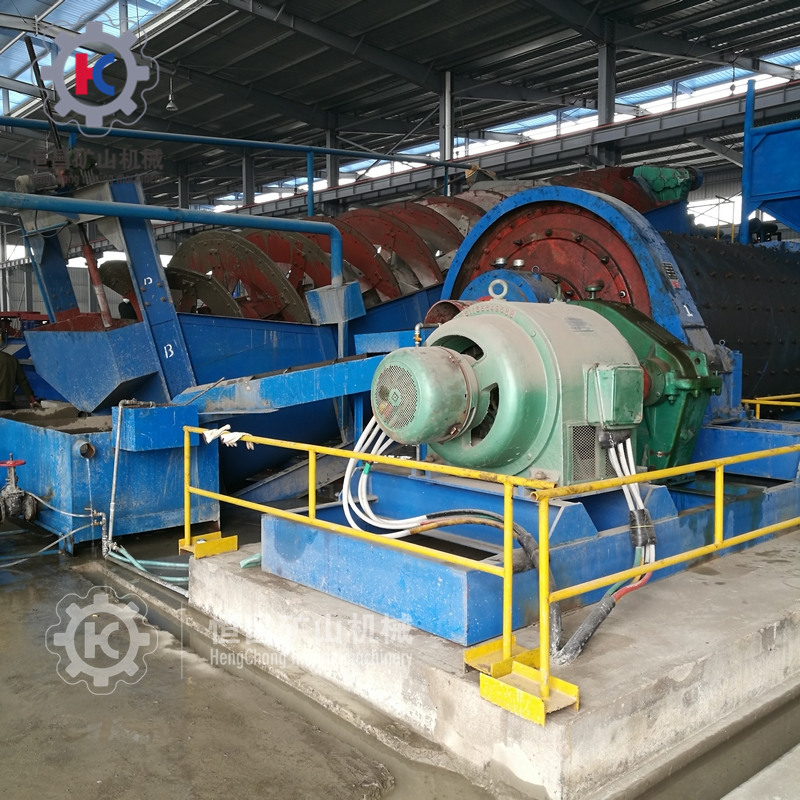
Fix: Put a double-deck vibrating screen and a hydraulic classifier before the jigs and tables. This one change often adds 5–10% recovery.
Success note: A 200 TPD alluvial tin plant in Nigeria was using one 6-S shaking table for all feed. Recovery was 48%. Hengchang added a trommel scrubber, vibrating screen, and two-stage jig + table layout. The plant reached 70%+ recovery with a cleaner concentrate. The miner said the biggest win was “not sending mud to the table.”
Mistake #3: Slurry Pump and Water Layout That Creates Surging
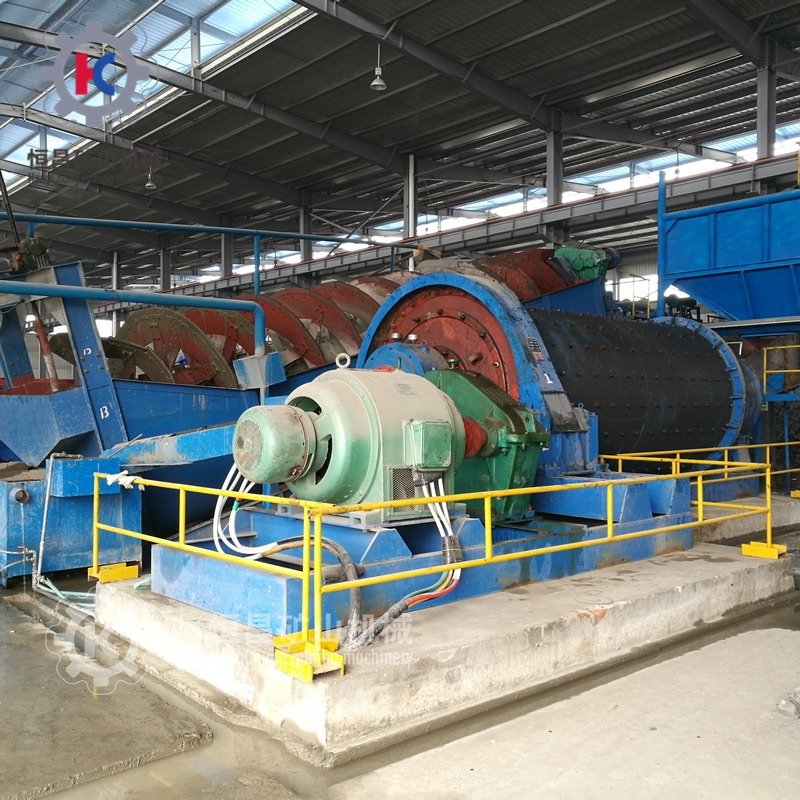
Tin plants are water hogs. At 200 TPD, you might move 400–600 m³ of slurry per day. If pumps are undersized or placed after every unit, you get surging.
Surging kills gravity separation. Jigs need a steady bed. Tables need a steady film.
Common mistakes:
One pump feeding multiple jigs with no splitter box.Pump sumps too small, causing vortex and air entrainment.
Discharge pipes going uphill, forcing pump speed changes.
Fix: Use a central distribution box with adjustable splitters. Size sumps for at least 2–3 minutes of retention. Keep pipes as straight and downhill as possible. Use variable frequency drives (VFDs) on key pumps.
Cost impact: A surging layout can increase pump maintenance by 30–40% and reduce recovery by 3–8%. That’s real money at 200 TPD.
Mistake #4: Treating Slimes as Waste or Ignoring Them
New miners often send -0.037 mm slime straight to tailings. But in tin ore, a big chunk of cassiterite can report to slimes — especially if you over-grind.
If you ignore slimes, you’re throwing away tin.
Fix: Add a slime recovery step. Options include:
Centrifugal concentrator for -0.037 mm.Slime shaking table.
Flotation if you have sulfide-associated tin (rare but possible).
At 200 TPD, a small centrifugal concentrator and one slime table can pay for themselves in months.
Success note: In a 200 TPD tin tailings project in Indonesia, the previous owner sold the slimes as waste. Hengchang added a centrifugal concentrator and slime table. The slime circuit recovered an extra 0.3–0.5% Sn in the final concentrate, which was enough to improve overall recovery by 8%. The client called it “the cheapest tin we ever recovered.”
Mistake #5: No Bypass, Sampling, or Maintenance Access
This is the boring mistake that kills plants. If your layout has no bypass, one jam stops everything. If you have no sampling points, you’re flying blind. If you can’t reach the shaking table riffles, maintenance takes all day.
Fix:
Add bypass chutes around the ball mill and jigs.Install sampling points at feed, concentrate, and tailings.
Leave 1–1.5 m walkways around tables and jigs.
Use modular frames and skid-mounted units so you can move equipment later.
At 200 TPD, downtime is expensive. A well-laid-out plant can run 20–22 hours per day. A cramped plant runs 14–16 hours. That difference is your profit.
What a Smart 200 TPD Tin Ore Layout Looks Like
Here’s a typical equipment configuration for a 200 TPD tin ore processing line, depending on ore type. This is the kind of flowsheet Jiangxi Hengchang Mining Machinery Equipment builds:
Feeding: Vibrating feeder + grizzly.Crushing: Jaw crusher + cone crusher (closed circuit with vibrating screen).
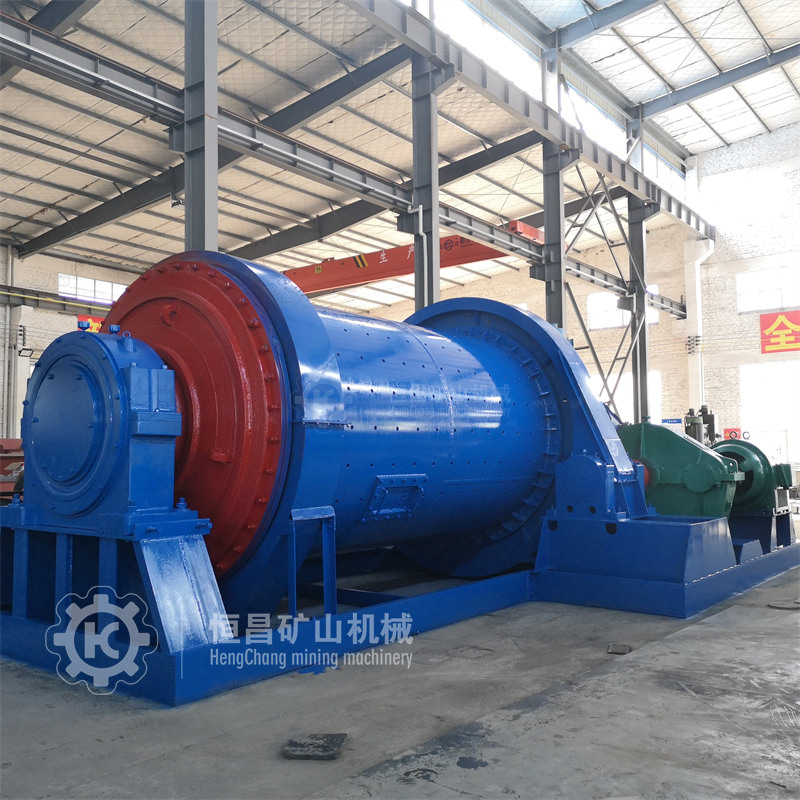
Gravity roughing: Jig concentrator for coarse, spiral chute for medium.
Gravity cleaning: Shaking tables for fine, centrifugal concentrator for slime.
Dewatering: Thickener + filter press or dewatering screen.
Water: Recycling pump and settling pond.
Control: VFDs, flow meters, sampling points.
This layout isn’t fancy. It’s staged. It separates by size before separation by density. That’s how you protect recovery.
Domestic and Overseas Cases: What Worked
Yunnan, China (200 TPD hard rock tin): Two-stage crushing + closed-circuit grinding + jig + shaking table + slime table. Recovery improved from ~62% to ~74%. The key was not over-grinding and classifying before tables.Nigeria (200 TPD alluvial tin): Trommel scrubber + vibrating screen + jigs + shaking tables. Reduced slime to tables. Recovery moved from 48% to over 70%. Low water use, simple operation.
Indonesia (200 TPD tin tailings): Added centrifugal concentrator + slime table. Recovered 8% more tin from previous waste. Low capex, quick payback.
Bolivia (150–200 TPD small tin mine): Hengchang provided a modular gravity plant with jaw crusher, ball mill, jigs, and tables. The miner reported stable 70% recovery and lower reagent costs because it’s all gravity — no flotation.
These aren’t unicorns. They are plants that fixed layout mistakes.
Final Thoughts
A 200 TPD tin ore processing line is not a mini version of a big plant. It’s a precision operation.
The top 5 layout mistakes — poor liberation control, no size classification, surging slurry, ignoring slimes, and no bypass/sampling — will kill your recovery and raise your costs.
Fix them with staged crushing, closed-circuit grinding, proper classification, steady pumping, slime recovery, and maintenance access.
If you’re planning a 200 TPD tin plant, talk to Jiangxi Hengchang Mining Machinery Equipment. They’ve built tin gravity plants in China, Nigeria, Indonesia, Bolivia, and beyond. They can help you size equipment, design the layout, and avoid the mistakes that cost new miners the most.
Remember: in tin, recovery is won or lost before the concentrate hits the table. Get the layout right, and the tables will do their job.