Chinese


Cut 250 TPD Tin Ore Plant Costs
If you run a 250 TPD tin ore plant, you already know the truth: tin ore is tricky. The grade may look fine, but if your flow is wrong, money leaks out everywhere—crushing, grinding, pumping, water, power, labor, downtime.
Let’s be honest. A 250 TPD tin ore processing plant is a sweet spot for many small and medium miners. It’s big enough to make money, but small enough that waste can kill you. Cut the right costs, and the plant pays. Cut the wrong costs, and you lose tin in the tailings.
At Jiangxi Hengchang Mining Machinery Equipment (江西恒昌矿山机械设备), we work with tin miners who want to cut 250 TPD tin ore plant costs without killing recovery. Here’s what actually works in the field.
First, Know Where the Money Goes
In a typical 250 TPD tin plant, costs usually sit in these areas:
Crushing and grinding: often 35–50% of power costWater and slurry pumping: 10–20%
Labor and maintenance: 15–25%
Downtime and spare parts: the silent killer
Reagents: only if you have sulfide minerals
Transport and loader work: easy to underestimate
The biggest mistake? Treating a 250 TPD plant like a mini 500 TPD plant. Oversized equipment eats power, wears faster, and over-grinds your tin into slime.
1. Size Equipment for 250 TPD, Not 500 TPD
250 TPD is about 10–12 tons per hour if you run 20–24 hours. That’s not huge.
For hard rock tin, a common setup is:
Jaw crusher PE 400×600 or similarFine jaw crusher or hammer crusher
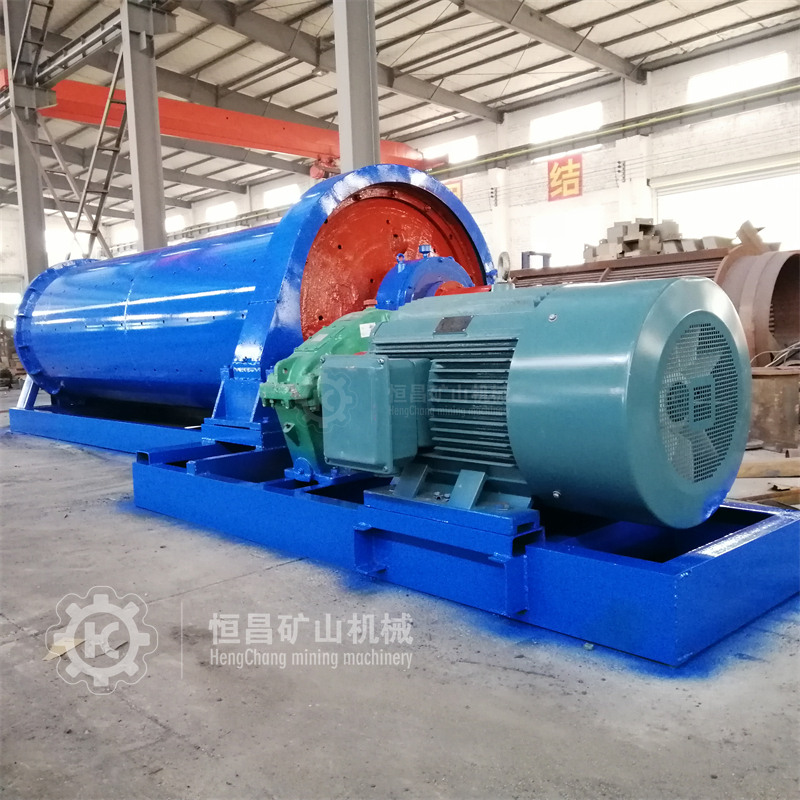
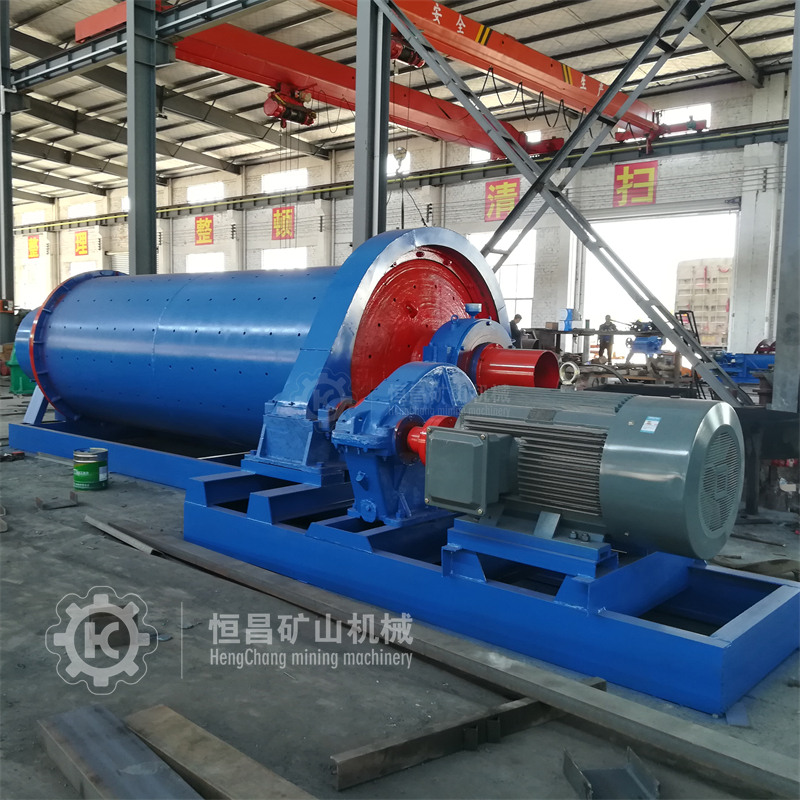
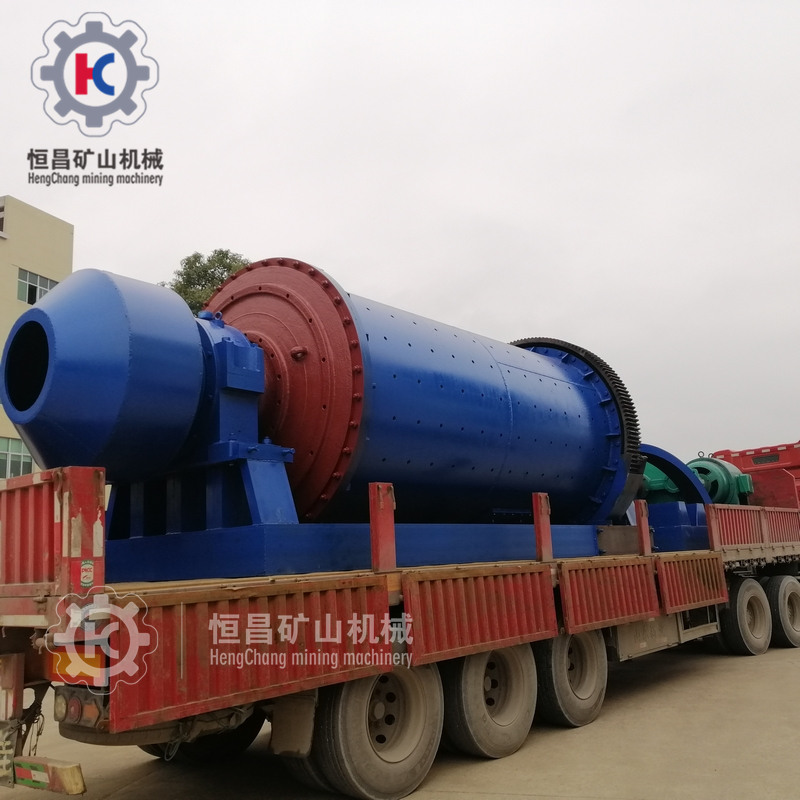
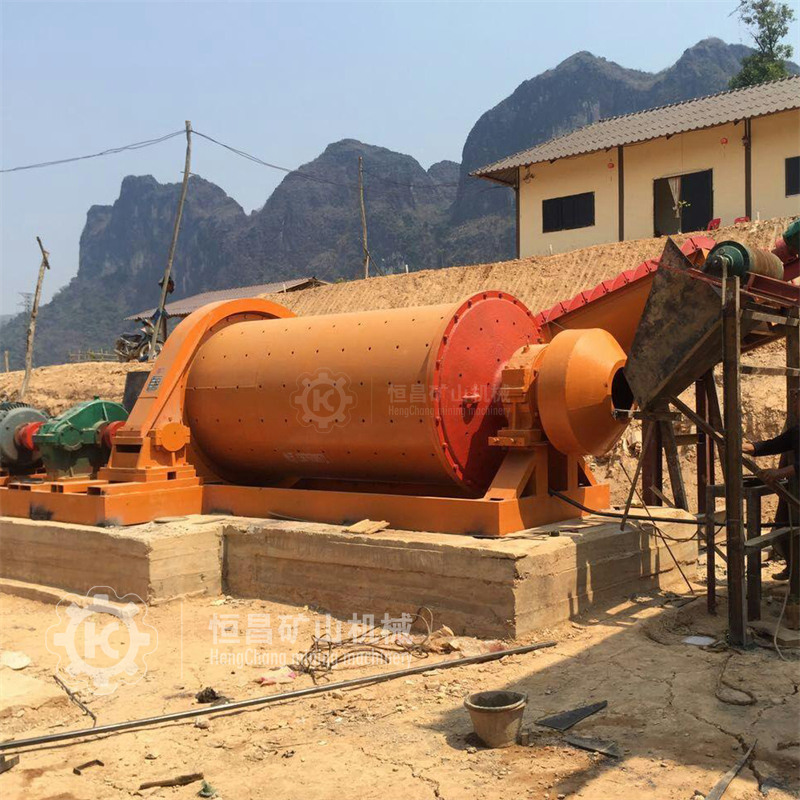
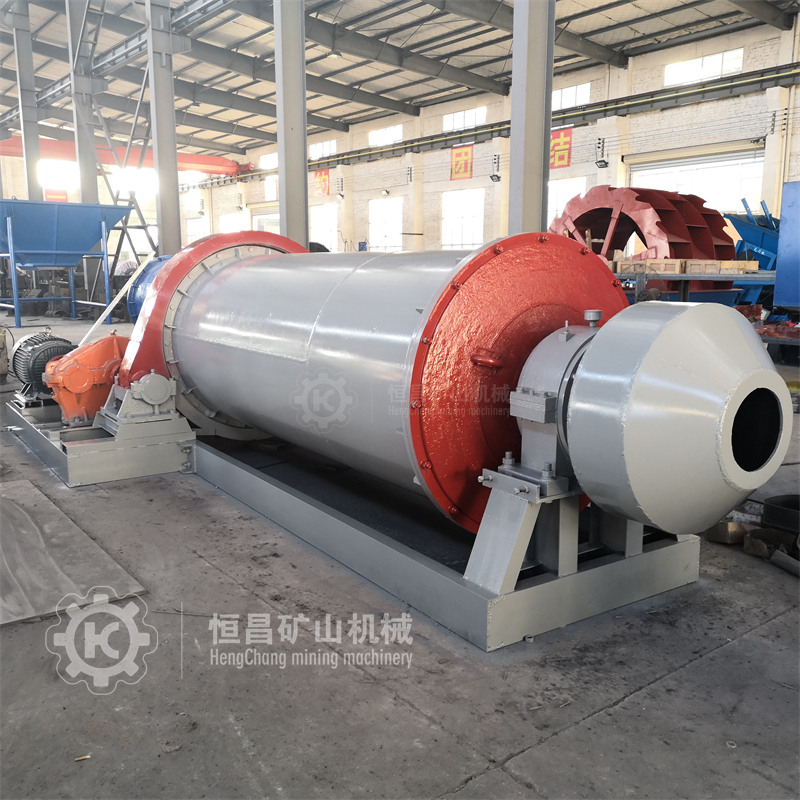
Ball mill 900×1800 or 1200×2400, depending on hardness
Spiral classifier
Shaking tables
Dewatering screen or thickener
If you buy a much bigger ball mill “just in case,” you’ll pay for it every month. More power, more wear, more over-grinding. Tin is heavy—around 6.8–7.0 specific gravity—but once it becomes slime, gravity separation struggles.
Jiangxi Hengchang builds modular tin ore beneficiation equipment matched to 250 TPD. Not too small, not too big. Right-sized.
2. Reject Waste Early—Before Grinding
This is one of the fastest ways to cut 250 TPD tin ore plant costs.
If your tin ore has coarse barren rock or clay, don’t send everything to the ball mill. Use washing, screening, and jig pre-concentration first.
In alluvial or placer tin, a trommel scrubber plus jig can reject 20–30% of waste before the shaking tables. That means less water, less pumping, less table area, and less power.
In hard rock tin, pre-screening and coarse jigging can pull out a chunk of waste before fine grinding. Every ton you reject early is a ton you don’t grind.
3. Gravity Separation Is Your Best Friend
Tin responds well to gravity. For most 250 TPD tin plants, gravity is the core—not flotation, not cyanide, not complex chemicals.
Use a staged gravity flow:
Jig for coarse tin: roughly 0–10 mmSpiral chute for medium fines: roughly 0.1–1 mm
Shaking table for fine tin: roughly 0–2 mm
Slime table for ultra-fines if needed
A tin jig concentrator handles coarse liberation. A tin shaking table cleans up fine concentrate. Spiral chutes help pre-concentrate before tables.
The key is stage grinding and stage separation. Don’t grind everything to 200 mesh at once. Liberate, separate, then grind the middlings again.
4. Control Water and Slurry Density
Water costs money—pumping, heating in cold areas, recycling, tailings ponds. In a 250 TPD plant, slurry density matters a lot.
If slurry is too thin, you waste water and lose fine tin. If it’s too thick, separation gets messy and recovery drops.
Typical ranges:
Jig feed: 20–30% solidsShaking table feed: 15–25% solids
Spiral chute feed: 20–35% solids
Use a thickener and recycle process water. A simple settling pond plus pump back can cut fresh water use by half in many tin plants.
5. Save Power With Smart Layout and VFDs
Power is a top cost. You can’t avoid crushing and grinding, but you can avoid stupid power waste.
Put equipment on a slope so slurry flows by gravity where possible.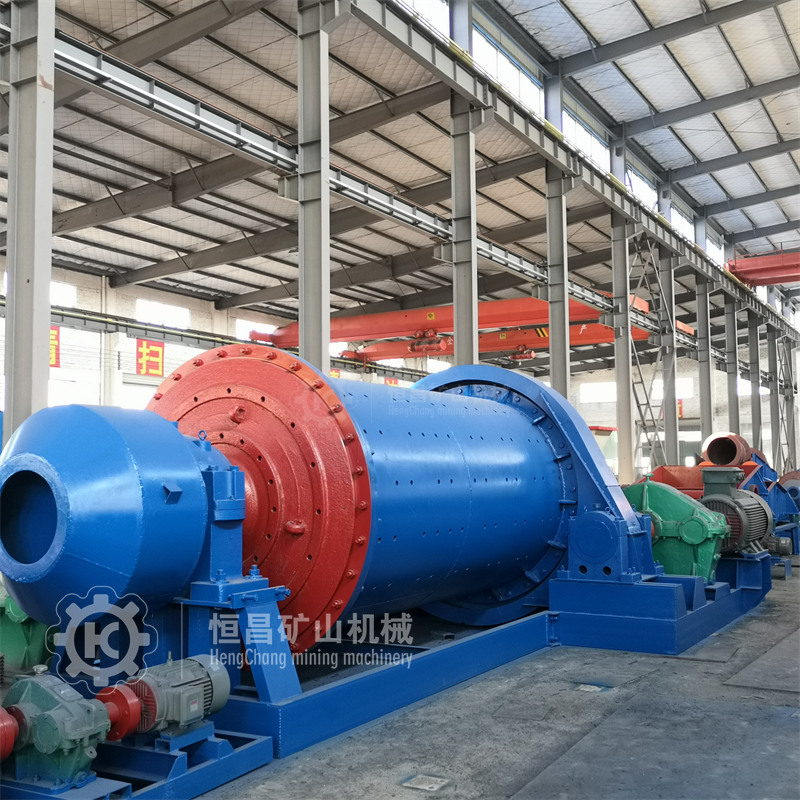
Use high-efficiency motors.
Avoid long pipe runs and unnecessary lifts.
Keep belts aligned and crushers fed evenly.
A compact layout from Jiangxi Hengchang can cut piping, foundations, and civil work. Less concrete, less steel, less installation time.
6. Go Modular and Cut Installation Cost
Remote tin mines often pay too much for site construction. Modular plants change that.
Pre-assembled skids, containerized control rooms, and bolt-together frames reduce:
Site weldingConstruction labor
Installation time
Commissioning problems
For a 250 TPD tin plant, a modular gravity separation plant can be shipped, installed, and started much faster than a fully custom stick-built plant.
Real Cases: Domestic and International
Yunnan Gejiu, China—250 TPD Hard Rock Tin
A 250 TPD hard rock tin plant in the Gejiu area was struggling with over-grinding. The ball mill was too large, and fine cassiterite was reporting to tailings.
After switching to a two-stage crushing + ball mill + jig + shaking table flow from Jiangxi Hengchang, the plant rejected more coarse waste before grinding. The owner reported lower power per ton, more stable concentrate grade, and less slime loss. Not magic—just right-sized equipment and staged gravity separation.
Guangxi Dachang, China—250 TPD Tin Tailings Retreatment
In the Dachang tin field, old tailings still carry fine tin. A 250 TPD retreatment plant used spiral chutes and slime shaking tables. Because there was no mining or crushing, costs stayed low. The operation recovered additional tin from material that was once considered waste.
Indonesia—Bangka-Belitung Alluvial Tin
On Bangka-Belitung, many small tin plants run 200–300 TPD. Diesel power is expensive, and wet clay ore is sticky.
A 250 TPD alluvial tin plant used a trommel scrubber, jig, and shaking table. By rejecting barren sand early with the jig, they cut the volume going to fine tables. Less diesel, less labor, less water. The plant was supplied in modular form, so installation was fast.
Nigeria—Jos Plateau Hard Rock Tin
On the Jos Plateau, a 250 TPD tin project faced remote site challenges: bad roads, unstable grid power, and limited skilled labor.
The solution was a containerized gravity plant: jaw crusher, ball mill, jig concentrator, and shaking tables. Standard bearings and local spares kept maintenance simple. The modular design cut site work and made commissioning easier.
Bolivia—250 TPD Tin Tailings Project
In Bolivia, old tin tailings were reprocessed at 250 TPD. Fine cassiterite needed careful gravity separation. Spiral chutes plus shaking tables recovered tin without grinding. Low capex, low opex, and a second chance at old waste.
Application Scenarios for 250 TPD Tin Plants
Alluvial/placer tin: washing, screening, jig, shaking tableHard rock tin: crushing, grinding, staged gravity separation
Tin tailings retreatment: spiral chute, slime table, low-cost flow
Tin-polymetallic ore: gravity first, then flotation for sulfides
Each ore is different. A quick lab test can save you months of guesswork.
Quick Cost-Cutting Checklist
Test your ore before buying equipment.Design around liberation size, not habit.
Reject waste before grinding.
Use stage grinding and stage separation.
Recycle water and control slurry density.
Use VFDs and gravity-flow layout.
Choose modular construction for remote sites.
Keep local spares and train your team.
Buy from a manufacturer with tin experience.
Why Jiangxi Hengchang Mining Machinery Equipment?
Jiangxi Hengchang Mining Machinery Equipment (江西恒昌矿山机械设备) doesn’t just sell one machine. They help with ore testing, flow design, equipment manufacturing, installation, and training.
For a 250 TPD tin ore processing plant, they can customize the gravity separation circuit—jaw crusher, ball mill, jig, spiral chute, shaking table, dewatering, and water recycling.
If you want to cut 250 TPD tin ore plant costs, start with the right flow. Then buy the right equipment. Then keep it running.
Cheapest is not always best. But right-sized, well-designed, and well-maintained? That’s how a 250 TPD tin plant makes money.