Chinese


200 TPD Copper Ore Production Line Equipment Configuration: Avoid 5 Costly Mistakes in Crusher, Ball Mill, and Flotation Circuit Selection for Small Mines
If you are planning a 200 TPD copper ore production line, you are in a tricky spot. It is not a tiny 20 TPD pilot plant, but it is also not a 2,000 TPD monster. A 200 TPD copper processing plant runs about 8.3 tons per hour. That means every piece of equipment — crusher, ball mill, flotation cell, pump, thickener — has to be sized correctly. Get it wrong, and you either lose copper recovery or spend months fixing bottlenecks.
In this article, we will walk through 5 costly mistakes small mines make when choosing equipment for a 200 TPD copper ore production line. We will also show what a practical configuration looks like, with real-world examples from China and overseas. And we will explain where Jiangxi Hengchang Mining Machinery Equipment fits into the picture.
Mistake 1: Picking a Crusher by Price, Not by Feed Size and Product Size
This is the most common mistake. An operator sees a used jaw crusher for sale and thinks, “It’s cheap, it will work.” But a 200 TPD copper plant needs a crusher that can handle your actual ROM ore size and reduce it to 10–15 mm for the ball mill.
If your feed size is 300–500 mm, a small PE250×400 jaw crusher will choke. If you buy a huge PE600×900, you waste power and money. Neither is ideal.
What works for 200 TPD copper ore:
Primary crushing: PE400×600 jaw crusherSecondary crushing: PEX250×1200 fine jaw crusher or PYB900 cone crusher
Screening: 2YK1237 vibrating screen with closed-circuit return
This two-stage crushing plus screening circuit gives you a stable 8–9 TPH and a ball mill feed size of 10–15 mm.
Success case: In a 200 TPD copper project in Yunnan, China, the operator first used a single small jaw crusher. The ball mill was always hungry, and the plant ran at 60% capacity. After switching to a PE400×600 + PEX250×1200 + 2YK1237 setup from Jiangxi Hengchang Mining Machinery Equipment, throughput stabilized, and downtime dropped sharply.
Application scenario: Small underground copper mine with hard, abrasive ore. You need a crusher that can take lumps but not over-crush.
Mistake 2: Sizing the Ball Mill by “200 TPD” Alone
A ball mill is not a one-size-fits-all machine. Two 200 TPD copper ores can behave completely differently. One might grind easily; another might be hard and need more power. If you buy a ball mill based only on the 200 TPD label, you will either under-grind or over-grind.
What you must check:
Ore grindability (Bond Work Index)Feed size to the mill
Target grind size (P80)
Ball load and mill speed
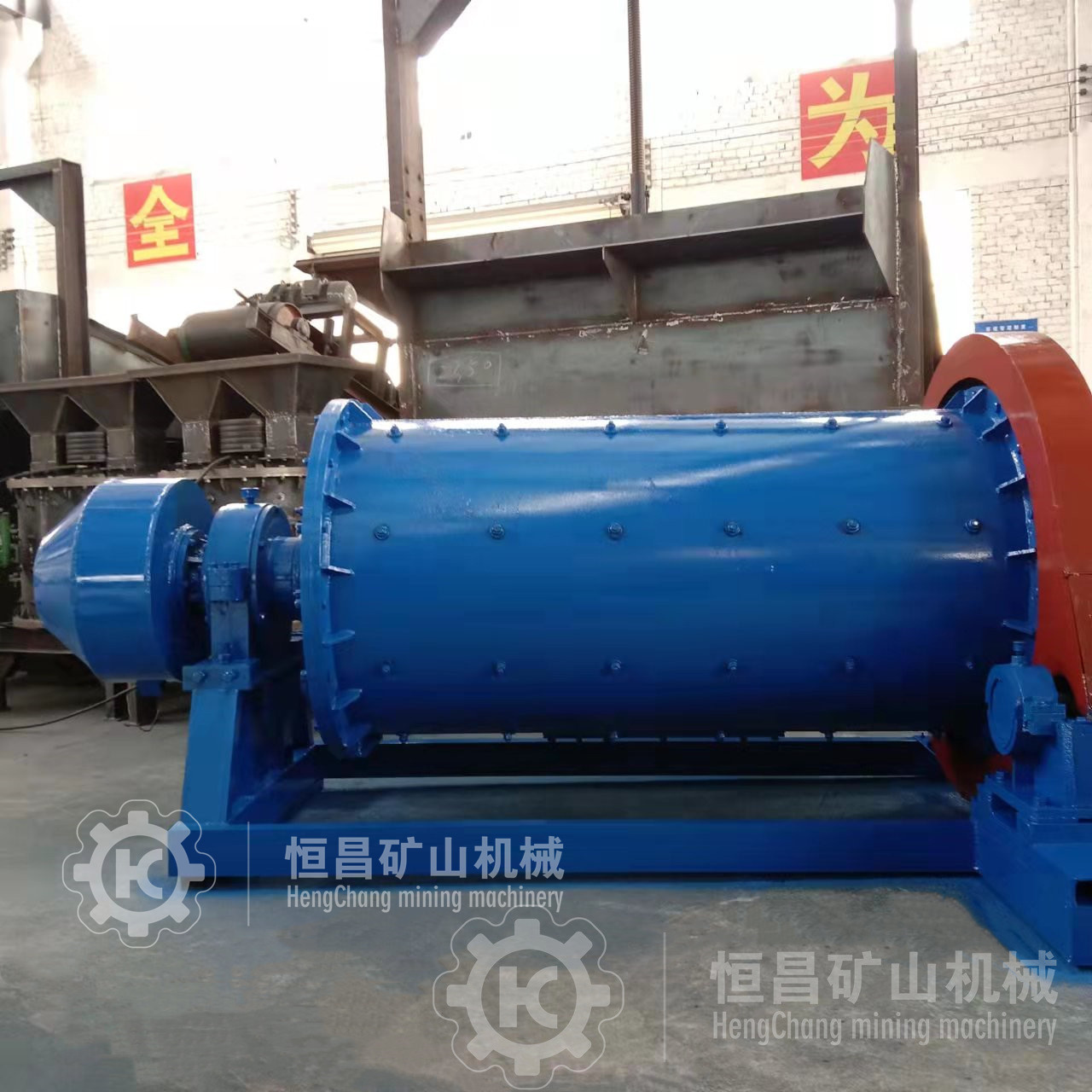
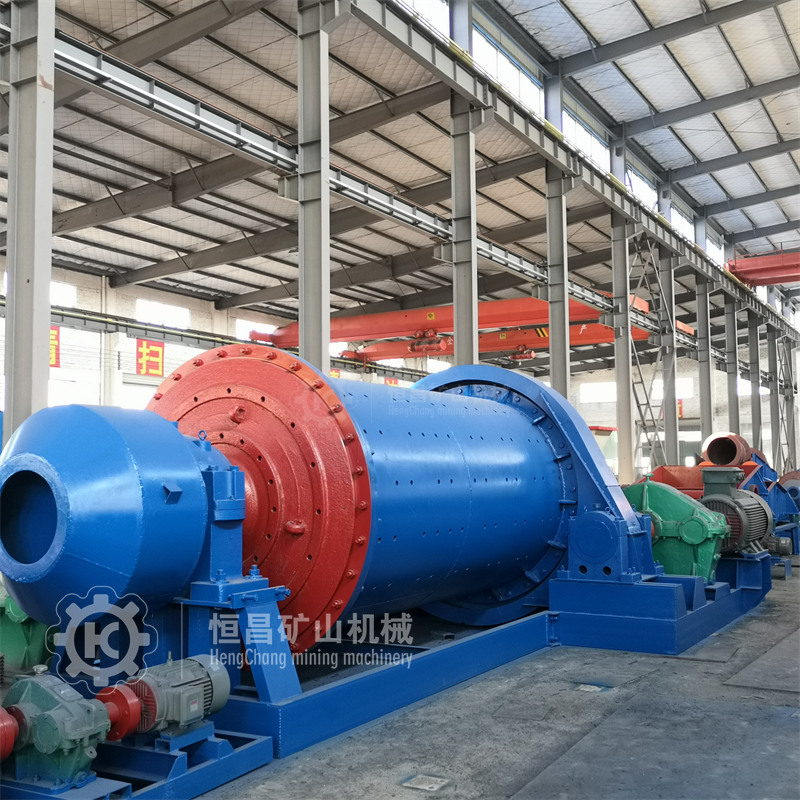
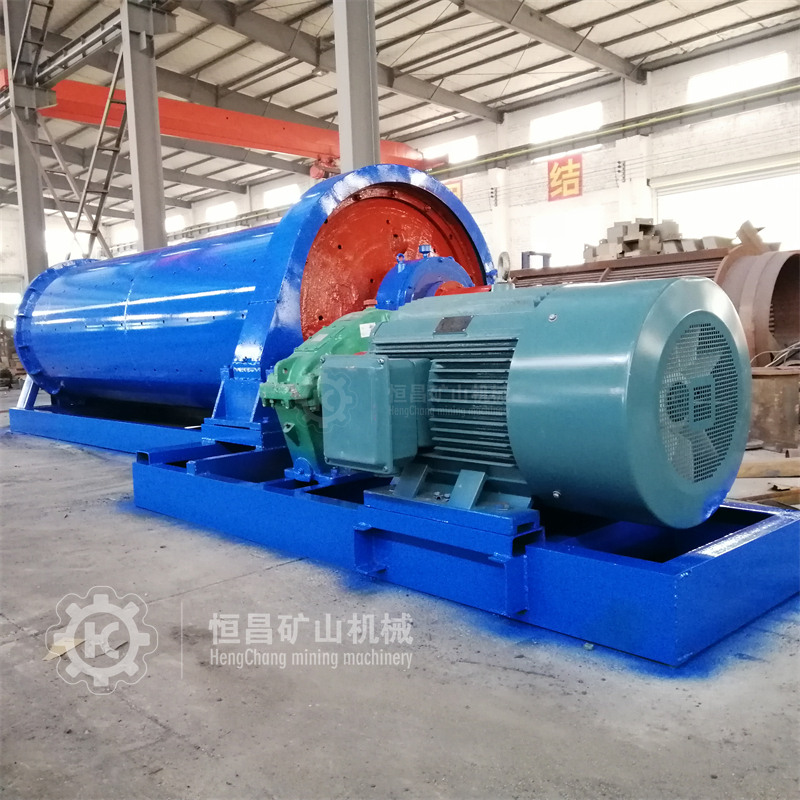
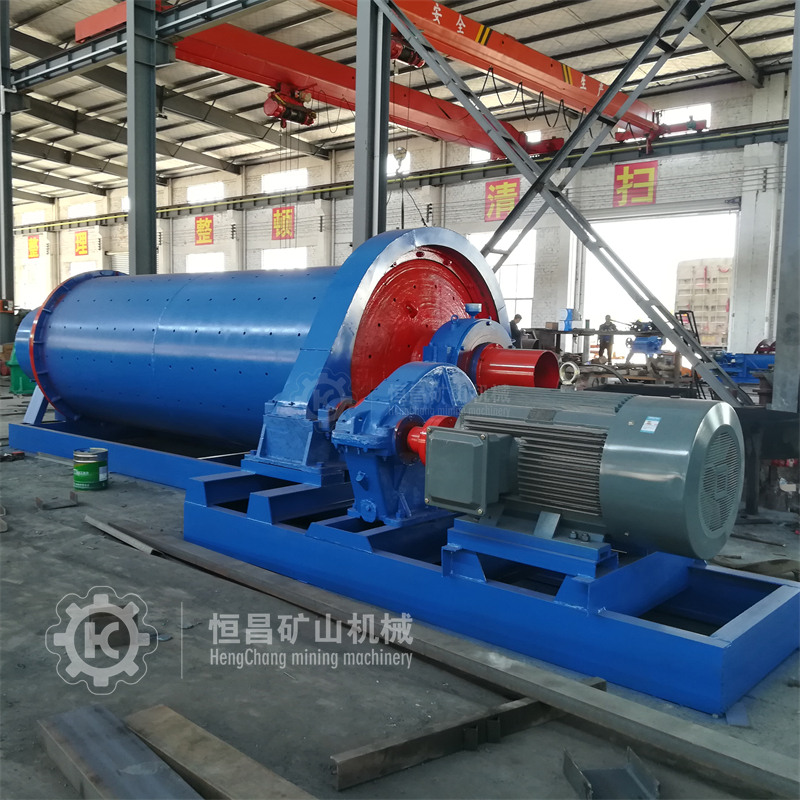
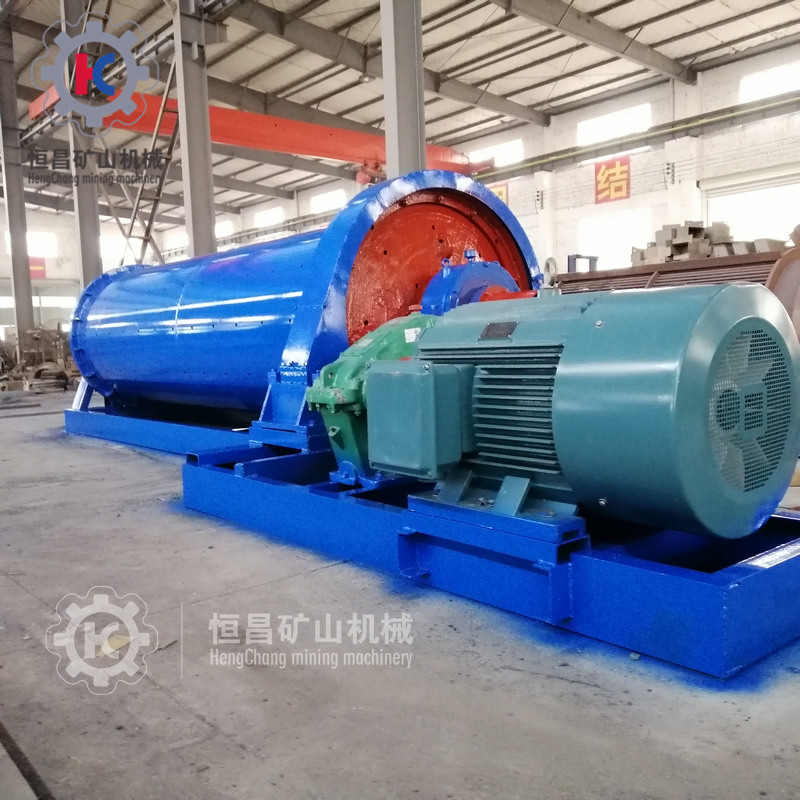
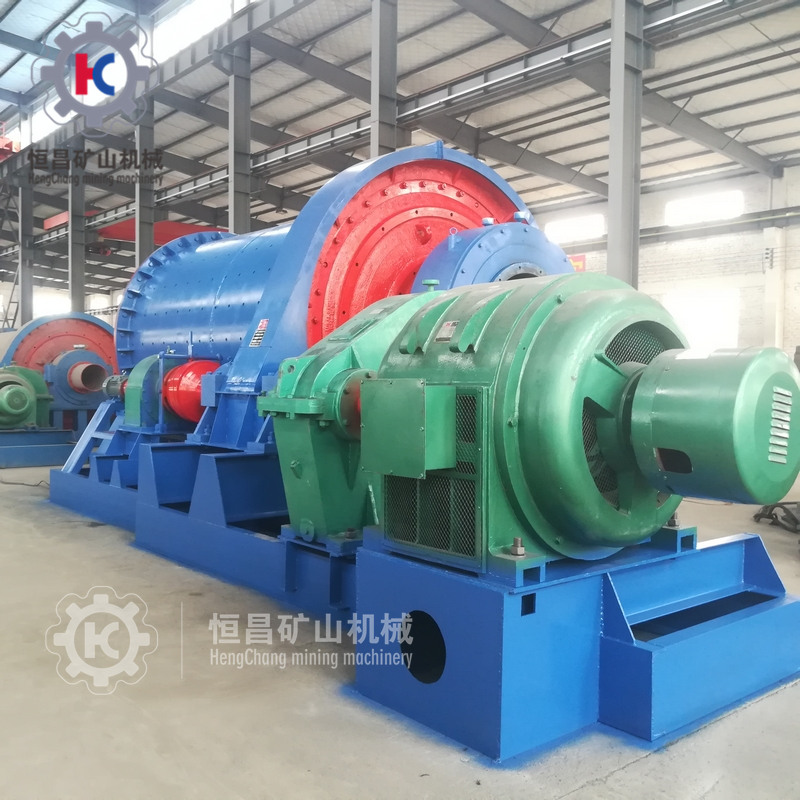
For most 200 TPD copper sulfide ores, a wet overflow ball mill like MQG1500×3000 or MQG1830×3000 is a good starting point. Pair it with a hydrocyclone or spiral classifier for closed-circuit grinding.
Mistake to avoid: Buying a dry ball mill for a copper flotation plant. Flotation needs water. Dry grinding creates dust, and you will still have to mix it into slurry later. Also, avoid used mills with worn liners and unknown gear condition.
Success case: A 200 TPD copper sulfide plant in Zambia used an old ball mill with a spiral classifier. The grind was inconsistent, and flotation recovery suffered. After upgrading to a 1830×3000 wet ball mill + hydrocyclone from Jiangxi Hengchang Mining Machinery Equipment, the P80 became stable at 75 μm. Reported recovery improved by 3–5%.
Application scenario: Copper flotation plant where liberation size is around 75–100 μm.
Mistake 3: Designing a Flotation Circuit That Is Too Simple
Many small mines try to save money by using only one roughing bank. That is a false economy. Copper flotation usually needs roughing, scavenging, and cleaning to get a saleable concentrate and decent recovery.
For a 200 TPD copper ore production line, you typically need:
Conditioning tank for reagent mixingRoughing cells: 4 cells
Scavenging cells: 4 cells
Cleaning cells: 2 cells
Total flotation time: 15–25 minutes
Cell models like SF-1.2 or XJK-1.1 are common for this scale. Do not use too few cells. If your flotation time is only 5 minutes, you will lose copper to tailings.
Mistake to avoid: Ignoring pH and reagent dosage. Copper flotation often runs at pH 10–11 with lime, plus a collector and frother. Without proper conditioning, even good cells will underperform.
Success case: A small copper plant in Peru ran a 200 TPD circuit with only roughing. Concentrate grade was around 18%, and recovery was 85%. After adding scavenging and cleaning cells from Jiangxi Hengchang Mining Machinery Equipment, the plant reported concentrate grade up to 22% and recovery around 89%.
Application scenario: Copper sulfide ore with chalcopyrite and pyrite. You need selective flotation, not just a quick rough.
Mistake 4: Ignoring Slurry Pumps, Cyclones, and Piping
This mistake is silent but deadly. You spend money on crushers, ball mills, and flotation cells, then you use an undersized pump. The slurry settles in the pipe. The cyclone feed pressure drops. The ball mill discharge backs up.
What to check:
Pump flow and head match the circuitVariable speed drive for control
Correct pipe diameter to avoid settling
Wear-resistant materials for abrasive copper slurry
Hydrocyclone size and apex
For 200 TPD, a slurry pump with adequate head and a hydrocyclone cluster are not optional. They are the heart of the grinding circuit.
Success case: A 200 TPD copper mine in Hunan, China, kept losing throughput because the pump could not handle the cyclone feed. After replacing the pump and cyclone with a matched set from Jiangxi Hengchang Mining Machinery Equipment, ball mill throughput increased by about 10%, and maintenance costs fell.
Application scenario: Any copper plant using closed-circuit grinding. If your cyclone is surging, your flotation is suffering.
Mistake 5: Treating Dewatering and Tailings as an Afterthought
The copper concentrate is not the only product. You also have tailings. If you ignore dewatering, you will face:
Dirty recycle waterHigh water consumption
Tailings dam pressure
Environmental complaints
For a 200 TPD copper plant, a simple dewatering circuit can include:
Filter press: for concentrate dewatering
Tailings thickener: to recycle water
Success case: A 200 TPD copper project in Zambia added a thickener and filter press from Jiangxi Hengchang Mining Machinery Equipment. Water reuse reached about 80%, and the plant moved to dry stacking for tailings. That reduced dam risk and improved community relations.
Application scenario: Small copper mine in a dry area or with strict environmental rules.
What a Sensible 200 TPD Copper Ore Production Line Looks Like
Here is a practical equipment configuration you can use as a reference:
| Stage | Equipment | Notes |
|---|---|---|
| Feeding | Vibrating feeder | Smooth feed to jaw |
| Primary crushing | PE400×600 jaw crusher | Feed ≤ 350 mm |
| Secondary crushing | PEX250×1200 or PYB900 | Close to 10–15 mm |
| Screening | 2YK1237 | Closed circuit |
| Grinding | MQG1830×3000 wet ball mill | With hydrocyclone |
| Flotation | SF-1.2 roughing 4, scavenging 4, cleaning 2 | pH 10–11 |
| Thickening | NXZ-6 or NXZ-9 | Water recycle |
| Filtering | XMZ filter press | Concentrate cake |
| Tailings | Dry stacking or dam | Environmental control |
This is not a “one size fits all” list. Your ore test will decide the final numbers. But it is a solid starting point.
Why Jiangxi Hengchang Mining Machinery Equipment?
When you are building a 200 TPD copper ore production line, you need a supplier who understands the whole flow — not just one machine. Jiangxi Hengchang Mining Machinery Equipment focuses on small and medium mineral processing plants, including copper, gold, lead-zinc, and fluorite.
They can help with:
Ore testing and flowsheet designEquipment selection for crusher, ball mill, and flotation circuit
Complete 200 TPD plant configuration
Installation guidance and operator training
Spare parts and after-sales support
Their equipment has been used in projects in China, Africa, Southeast Asia, and South America. For small mines, that kind of practical experience matters more than a glossy brochure.
Final Words: Avoid the 5 Mistakes, Save Your Project
A 200 TPD copper ore production line can be profitable — but only if the equipment matches the ore. Do not buy a crusher by price alone. Do not size a ball mill by a label. Do not skip scavenging and cleaning in flotation. Do not ignore pumps and cyclones. And do not forget dewatering and tailings.
Get a proper ore test. Design the flowsheet. Then choose equipment from a supplier like Jiangxi Hengchang Mining Machinery Equipment who can support the whole line.
If you are planning a 200 TPD copper plant, start with the ore, not the machine. Your recovery and your budget will thank you.