Chinese


Tin Ore Processing Line Process Selection for 50 Ton Plant: Gravity Separation vs Flotation vs Magnetic Separation Comparison, Which One Delivers Higher Recovery and Lower Cost?
So you’re planning a 50-ton tin ore processing plant. Maybe it’s 50 tons per day, maybe 50 tons per hour. Either way, the first big question is always the same:
Gravity separation, flotation, or magnetic separation?
Ask five engineers, and you’ll get five different answers. But the truth is not that complicated. Tin ore usually tells you what it wants. You just need to listen to the ore instead of forcing a flowsheet on it.
Here’s the short answer up front:
Gravity separation is the backbone of most tin ore processing lines. It’s cheap, simple, and works great for coarse, liberated cassiterite.Flotation is the specialist for fine tin, sulfide-associated tin, and complex ores. It costs more but can rescue values that gravity loses.
Magnetic separation is rarely the main tin recovery method. It’s a helper — mainly for removing magnetic gangue like magnetite and pyrrhotite, or separating wolframite from cassiterite.
If you want the highest recovery at the lowest cost, the real winner is usually a combined flowsheet: gravity first, flotation for fines, magnetic for cleaning. The exact mix depends on your ore.
Let’s break it down in plain English.
Why Tin Ore Is a Different Animal
Tin’s main mineral is cassiterite (SnO₂). It has a high specific gravity — around 6.8 to 7.1. That’s much heavier than most gangue minerals, which sit around 2.6 to 3.0. That big gravity difference is why gravity separation has been the go-to method for tin for centuries.
But cassiterite is also brittle. It breaks into fines easily during crushing and grinding. And those fines are where gravity starts to struggle. Tin ore often comes with sulfides, iron oxides, wolframite, and other heavy minerals that can confuse a simple gravity circuit.
So the question is not “which method is best?” It’s “which method fits my ore’s liberation size and mineralogy?”
Gravity Separation for Tin: The Workhorse
Gravity separation uses the density difference between cassiterite and waste rock. For a 50-ton tin plant, this is almost always the first choice.
Common gravity equipment for tin:
Jigs – for coarse tin, usually 2–30 mm.Spiral chutes – for medium-size tin, roughly 0.1–2 mm.
Shaking tables – for fine tin, often 0.02–2 mm.
Centrifugal concentrators – for recovering fine and ultrafine cassiterite, especially from slimes.
Pros:
Low operating cost — no expensive reagents.Environmentally friendly.
Simple to operate and maintain.
High recovery for coarse, free cassiterite.
Cons:
Poor recovery below about 0.037 mm.Needs good liberation.
Can be sensitive to slimes and clay.
For a 50 t/d plant, a jig plus shaking table circuit is often enough. For a 50 t/h plant, you’ll likely need multiple jigs, spirals, and tables, plus a proper classification system.
Flotation for Tin: The Fine-Tin Specialist
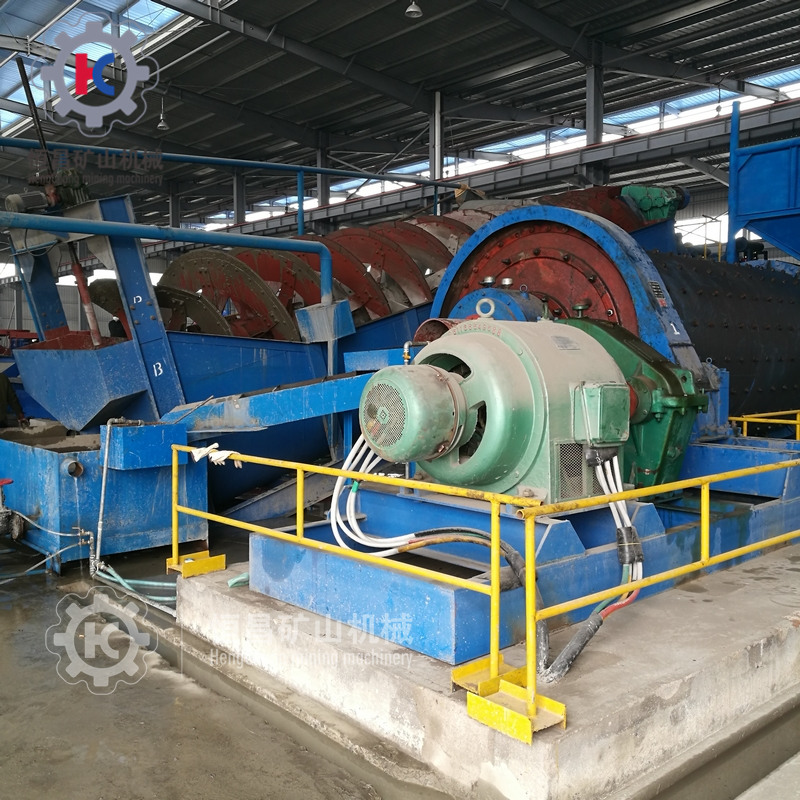
Flotation is not the first choice for all tin ore. But when cassiterite is fine, locked with sulfides, or mixed with complex gangue, flotation earns its place.
In many tin processing lines, flotation is used in two ways:
Sulfide flotation first – to remove pyrite, pyrrhotite, arsenopyrite, and other sulfides before tin recovery.Cassiterite flotation – using collectors like fatty acids, phosphonic acids, or hydroxamic acids to float fine tin.
Pros:
Can recover fine cassiterite that gravity loses.Good for complex, sulfide-rich tin ores.
Flexible for different ore types.
Cons:
Higher operating cost due to reagents.More complex circuit and more operator skill.
Sensitive to slimes, water quality, and reagent dosage.
For a 50-ton plant, flotation is usually not the only method. It’s part of a hybrid flowsheet — gravity for coarse tin, flotation for fine tin.
Magnetic Separation for Tin: The Supporting Actor
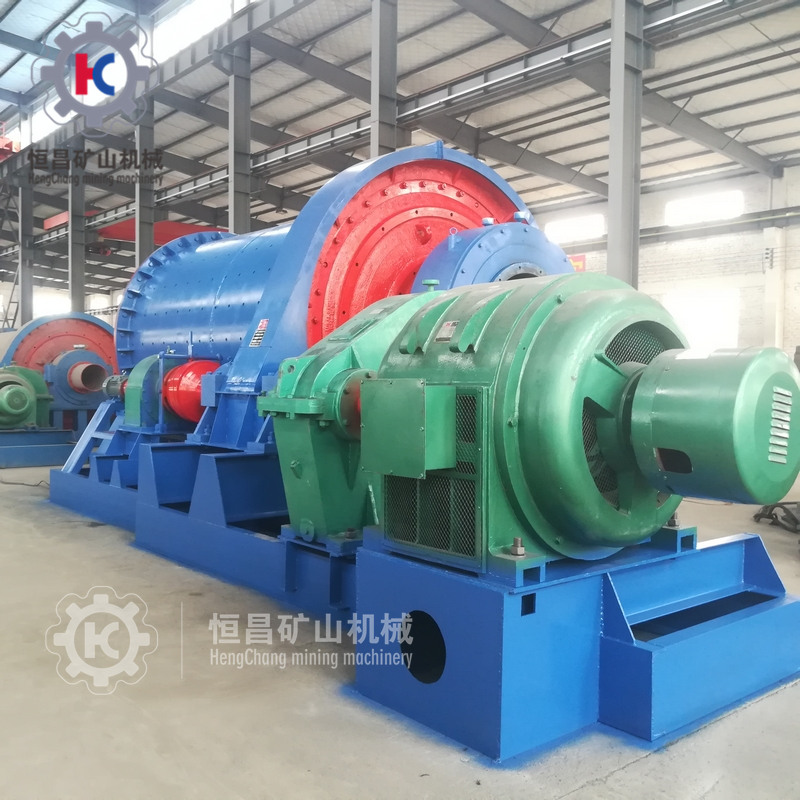
Here’s the key fact: cassiterite is nonmagnetic. So magnetic separation will not directly recover tin from a simple tin ore.
But magnetic separation is still useful in a tin processing line because:
It removes magnetite and pyrrhotite, which can report to tin concentrate and lower its grade.It can separate wolframite (weakly magnetic) from cassiterite.
It helps clean gravity or flotation concentrates before final smelting.
Pros:
Low operating cost.Simple and reliable.
Good for concentrate cleaning.
Cons:
Not a primary tin recovery method.Limited use if your ore has no magnetic minerals.
In a 50-ton tin plant, a magnetic separator is usually placed after gravity or flotation to upgrade the final concentrate.
Quick Comparison Table
| Process | Best Feed Size | Tin Recovery Role | Operating Cost | Reagents | Role in 50-Ton Plant |
|---|---|---|---|---|---|
| Gravity | 0.02–30 mm | Primary for coarse/free tin | Low | No | Main recovery |
| Flotation | < 0.15 mm | Fine tin, sulfide-associated tin | Medium–High | Yes | Fine recovery / sulfide removal |
| Magnetic | < 3 mm | Auxiliary cleaning | Low | No | Remove magnetic gangue |
Which One Delivers Higher Recovery and Lower Cost?
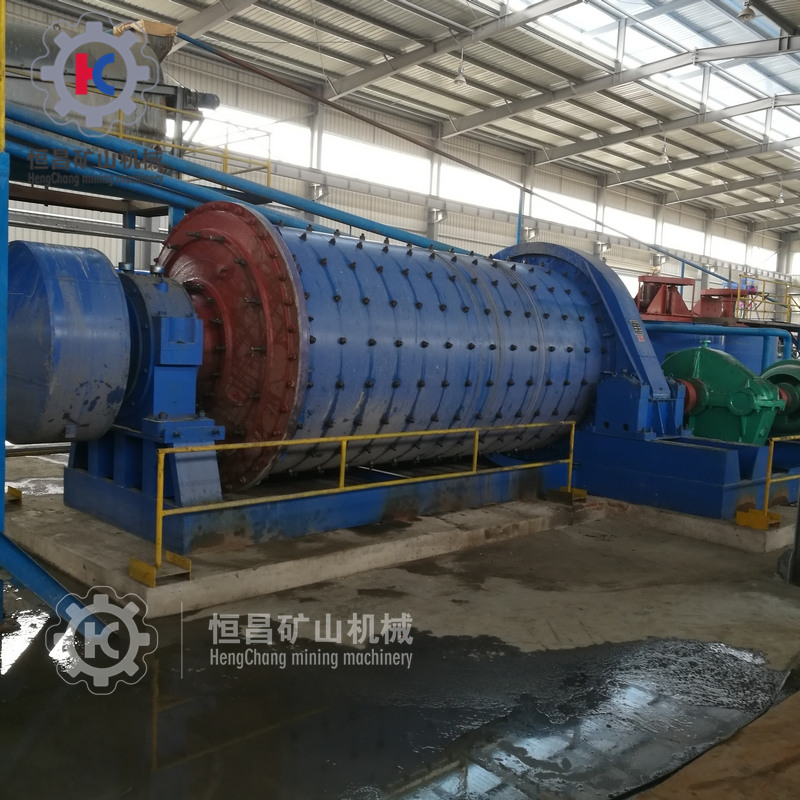
Let’s be practical.
If your tin ore is alluvial, placer, or coarse-grained hard rock: Gravity separation wins. It gives the highest recovery at the lowest cost. No reagents, no complex circuits, and equipment is easy to maintain.
If your tin ore is fine-grained, sulfide-rich, or complex: A hybrid flowsheet wins. Gravity recovers the coarse tin cheaply. Flotation picks up the fine tin. Magnetic separation cleans the concentrate. This gives higher overall recovery, but the cost is higher than gravity alone.
If you try magnetic separation alone: You will not recover cassiterite. Magnetic separation is a cleaner, not a primary tin recovery method.
So the real answer is:
Lowest cost: Gravity separation.Highest recovery for simple ore: Gravity separation.
Highest recovery for complex ore: Gravity + flotation + magnetic separation.
Best overall value: Match the flowsheet to your ore, not to a generic design.
50-Ton Plant Flowsheets You Can Actually Use
1. Alluvial / Placer Tin — 50 t/h
Flow: Trommel scrubber → vibrating screen → jig → centrifugal concentrator → shaking table.
This is the classic low-cost tin line. It works well in Indonesia, Nigeria, and many Southeast Asian tin fields. Water recycling is important. No chemicals needed.
2. Hard Rock Tin — 50 t/d
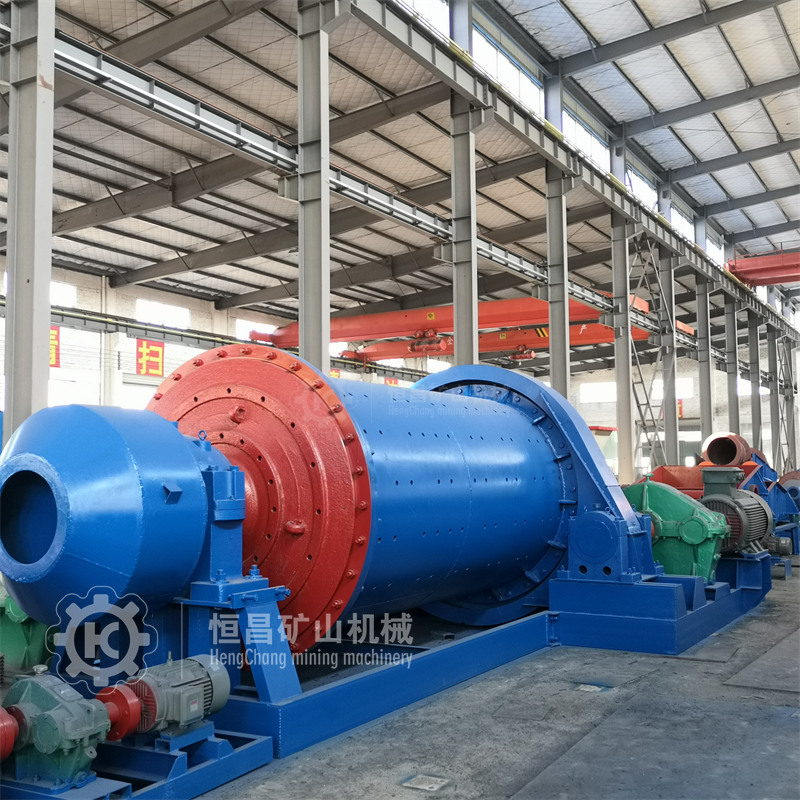
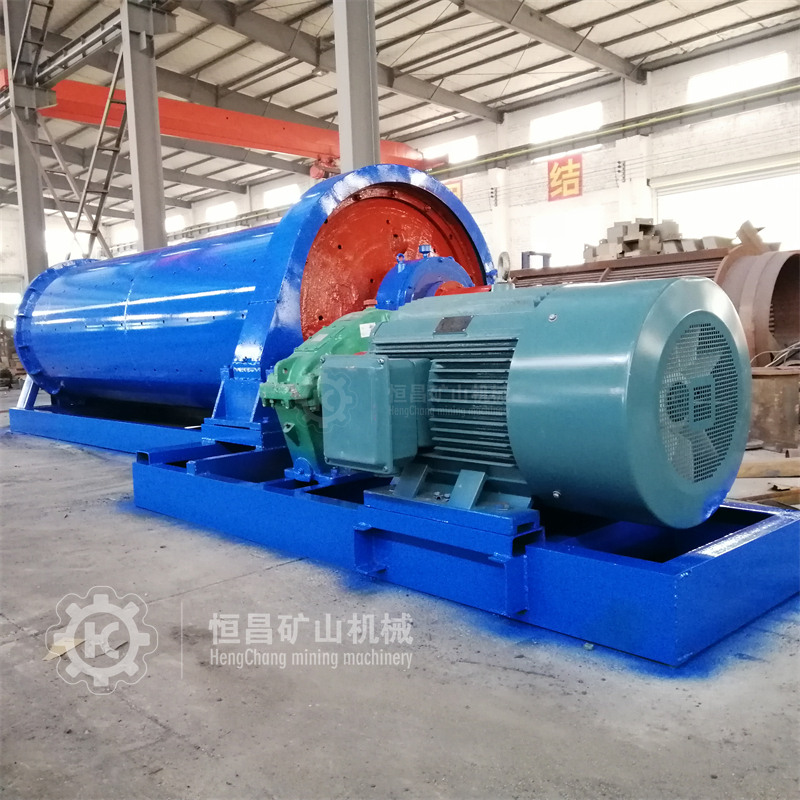
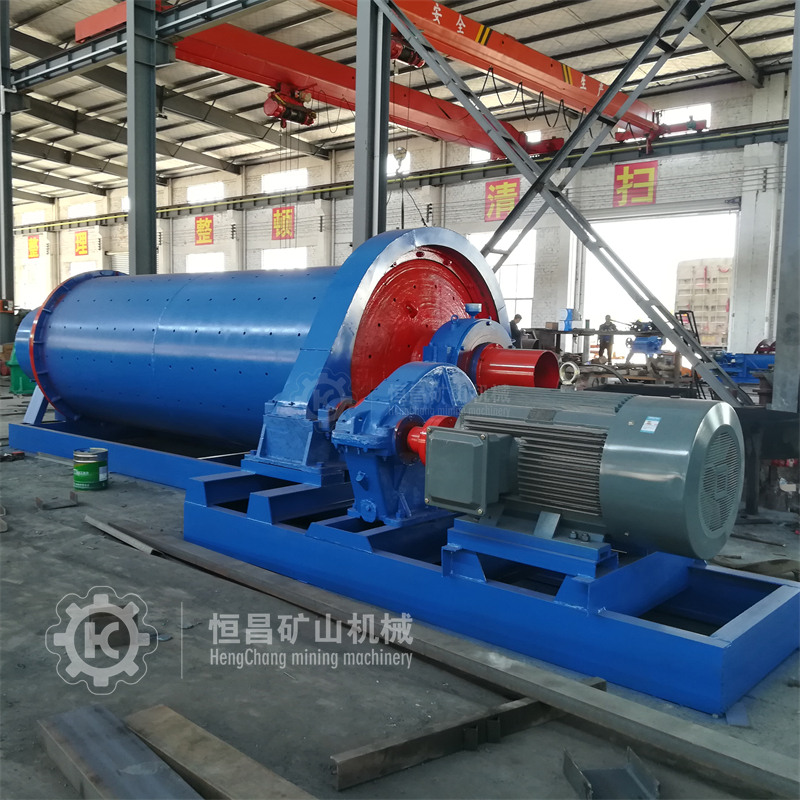
Flow: Jaw crusher → cone crusher → ball mill → spiral classifier → jig → spiral chute → shaking table → middling regrind.
This is common for vein-type tin deposits. Gravity does the heavy lifting. The key is to liberate cassiterite without over-grinding it into slimes.
3. Complex Sulfide Tin — 50 t/d
Flow: Crushing → grinding → sulfide flotation → gravity separation → magnetic separation → fine tin flotation.
This is for ores like those in some Chinese and Australian tin mines. It costs more, but it recovers tin that a simple gravity plant would lose.
Real-World Cases: What Mines Actually Do
Domestic China cases:
Yunnan Gejiu Tin Mine – One of China’s largest and oldest tin bases. It typically uses gravity separation as the core, with flotation and magnetic separation for associated minerals. Coarse cassiterite is recovered by jigs and tables, while fine slimes go to centrifugal concentrators and flotation.Guangxi Dachang Tin Mine – A complex tin-polymetallic deposit. Plants often use gravity + flotation + magnetic separation. Gravity recovers coarse tin, flotation handles fine tin and sulfides, and magnetic separation removes pyrrhotite and magnetite.
International cases:
Indonesia – PT Timah – Offshore alluvial tin operations rely heavily on gravity separation. Bucket chain dredges, trommels, jigs, spirals, and shaking tables are the standard. The cassiterite is liberated and high-specific-gravity, so gravity alone gives strong recovery at low cost.Peru – San Rafael Tin Mine – One of the world’s largest underground tin mines. It commonly uses gravity preconcentration plus flotation to handle fine cassiterite and sulfide gangue. This is a classic example of why hybrid flowsheets matter for complex ore.
Australia – Renison Bell Tin Mine – A well-known tin mine with cassiterite in a sulfide matrix. Reported flowsheets use gravity and flotation to recover tin and manage sulfides. Magnetic separation may also be used in concentrate cleaning.
Nigeria – Jos Plateau – Alluvial and eluvial tin deposits. Small to medium plants typically use trommel + jig + shaking table. Gravity is king here because the tin is coarse and easy to liberate.
What About Equipment and Plant Design?
If you’re building a 50-ton tin ore processing line, don’t copy a flowsheet from the internet and hope it works. Tin ore varies too much. A simple lab test can save you tens of thousands of dollars in wrong equipment.
This is where Jiangxi Hengchang Mining Machinery Equipment comes in. They specialize in mineral processing equipment and complete plant design for tin, tungsten, gold, and other ores. Their equipment range includes:
Jigs, shaking tables, spiral chutes, and centrifugal concentrators for gravity separation.Flotation machines for fine tin and sulfide flotation.
Magnetic separators for concentrate cleaning.
Crushers, ball mills, classifiers, and trommel scrubbers for the full line.
More importantly, Jiangxi Hengchang Mining Machinery Equipment can run ore tests and design a flowsheet based on your actual tin ore — not a generic template. That means you get the right mix of gravity, flotation, and magnetic separation for your 50-ton plant.
Final Takeaway: Keep It Simple, But Match the Ore
Here’s the bottom line for your 50-ton tin plant:
Gravity separation is the cheapest and most effective method for coarse, free cassiterite. Start here.Flotation is for fine tin and sulfide-associated ores. Add it only when gravity loses too much.
Magnetic separation is a cleaner, not a primary tin recovery method. Use it to remove magnetic minerals and upgrade concentrate.
The best recovery at the lowest cost usually comes from a combined flowsheet designed around your ore’s liberation size and mineralogy.
If you want to get it right the first time, work with a supplier who understands tin ore. Jiangxi Hengchang Mining Machinery Equipment is a solid place to start — whether you need a single shaking table or a complete 50-ton tin ore processing line.
Don’t guess. Test your ore, size your equipment properly, and let the tin tell you which process it wants.