Chinese


100 TPD Copper Ore Production Line Equipment Selection: Avoid These 5 Costly Mistakes for Small Mines in Africa and Asia Before You Buy
If you run a small copper mine in Zambia, DRC, Tanzania, Philippines, Indonesia, Myanmar, or Laos, a 100 TPD copper ore production line sounds manageable. But equipment selection is where many small mines lose money. I have seen operators buy a jaw crusher that is too small, a ball mill that cannot handle hard ore, or flotation cells that look cheap but recover only half the copper.
Before you spend a dollar, here are the 5 costly mistakes to avoid. This guide is practical, based on real project patterns, and includes cases from Africa, Asia, and China. I will also mention where Jiangxi Hengchang Mining Machinery Equipment fits in as a complete-line supplier.
Mistake #1: Sizing Equipment by “100 TPD” Alone
100 TPD means 100 tonnes per day. But that number is not enough.
Ask yourself:
Will you run 8 hours, 12 hours, or 24 hours?Is the ore hard quartz, soft clay, or mixed?
What is the max feed size?
How much moisture is in the ore?
For example, 100 TPD over 24 hours is about 4.17 tonnes per hour. Over 8 hours, it is 12.5 tonnes per hour. If you buy a crusher for 4 t/h but run only one shift, you will never reach 100 TPD.
Also, hard copper ore needs more grinding power. Clay ore can block your crusher. Without a mineral test, you are guessing.
Case: In Zambia’s Copperbelt, a small mine bought a hammer mill for hard sulfide copper ore. The hammers wore out every 2–3 weeks. Production stopped often. After switching to a jaw crusher + cone crusher + ball mill from Jiangxi Hengchang Mining Machinery Equipment, the circuit ran steadily and reached the target feed size.
Takeaway: Do a ore test first. Size equipment by hourly capacity and ore hardness, not just the daily number.
Mistake #2: Using the Wrong Process for Sulfide vs Oxide Copper
Not all copper ore behaves the same.
Sulfide copper ore usually goes to flotation.Oxide copper ore often needs leaching or sulfidization flotation.
Mixed ore needs a combined flowsheet.
If you buy flotation cells for oxide ore without the right reagent scheme, recovery can be very low. You may think the equipment is bad, but the process is wrong.
Case: In Indonesia, a 100 TPD copper project first used simple flotation on oxide-heavy ore. Recovery was poor. After a proper mineral test, the operator changed to sulfidization flotation with the correct reagents and added better conditioning. The plant finally ran at a practical recovery rate.
Case: In the Philippines, a 100 TPD sulfide copper mine used Jiangxi Hengchang flotation cells and a matched reagent system. The line ran at stable recovery, and the operator avoided over-buying big cells that would waste power.
Takeaway: Test your ore. Choose flotation, leaching, or a combined route based on the actual mineral type.
Mistake #3: Cutting Corners on Crushing and Grinding
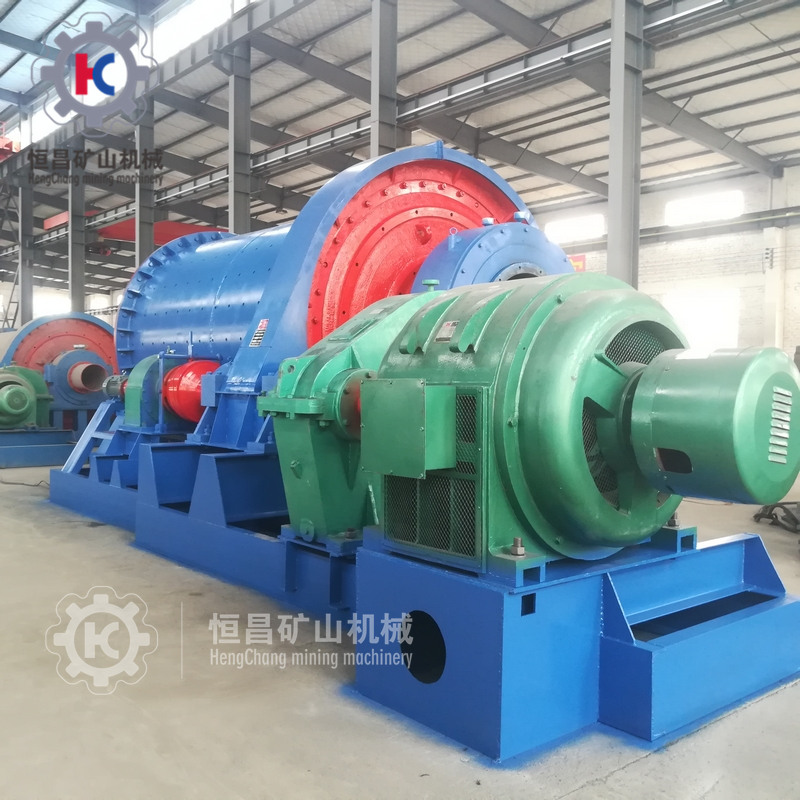
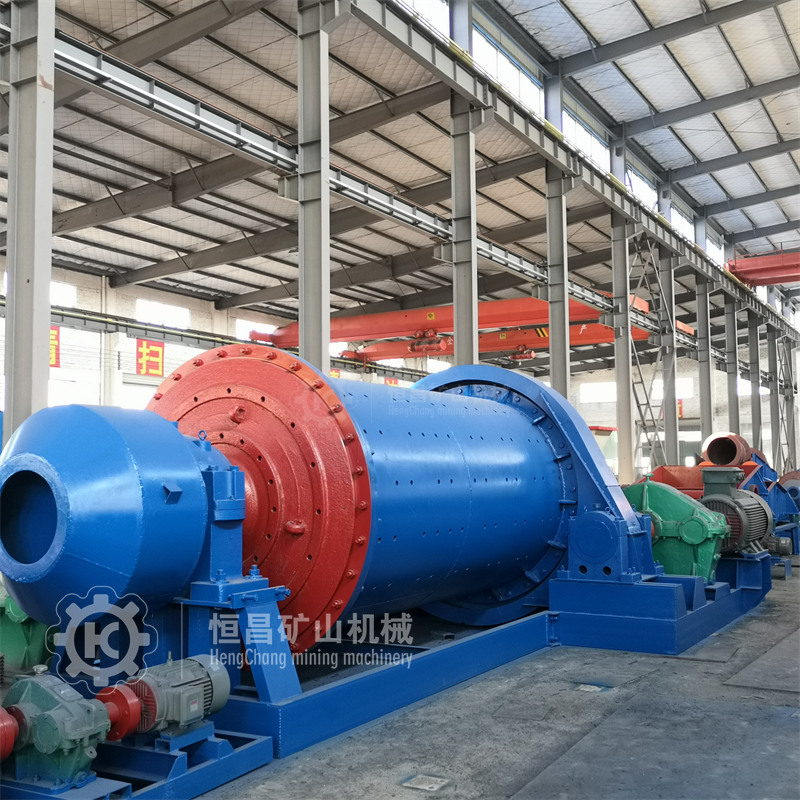
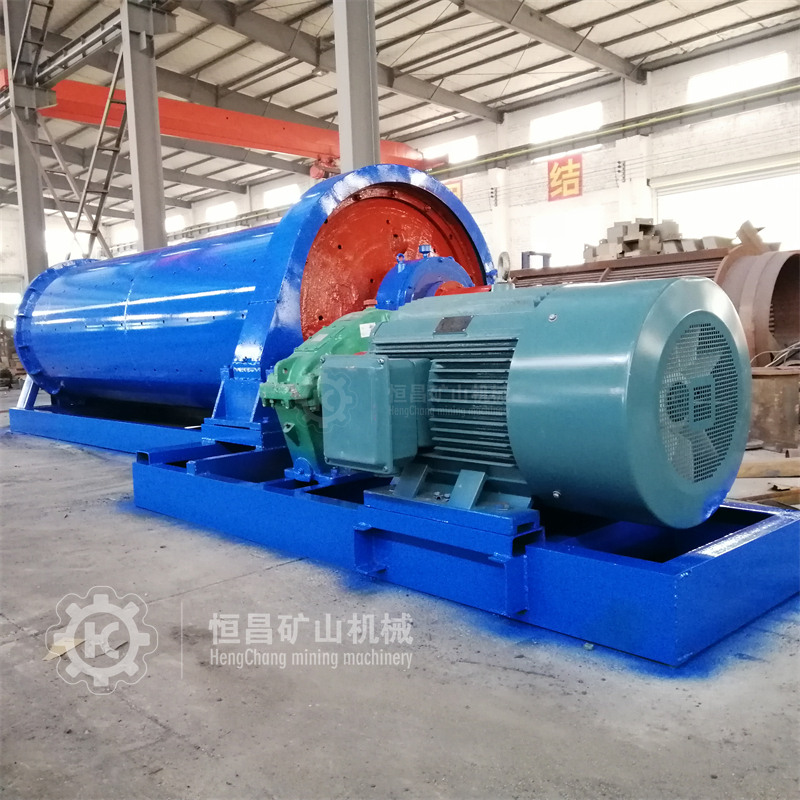
Grinding is the most expensive part of a copper ore processing plant. If you undersize the ball mill, you will lose capacity and increase wear.
Common bad choices:
One-stage crushing feeding a ball mill directly.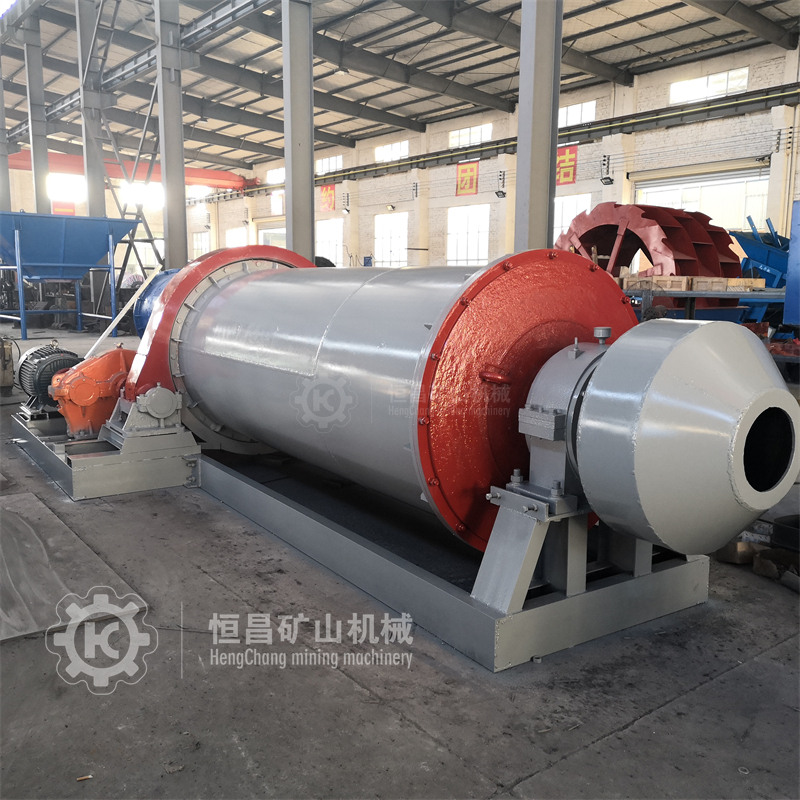
A hammer mill for hard copper ore.
A ball mill that is too small for 100 TPD.
No vibrating screen before grinding.
For a 100 TPD copper ore production line, a sensible circuit often looks like this:
Jaw crusher for primary crushing.Cone crusher or fine jaw crusher for secondary crushing.
Vibrating screen to close the circuit.
Ball mill + spiral classifier for grinding.
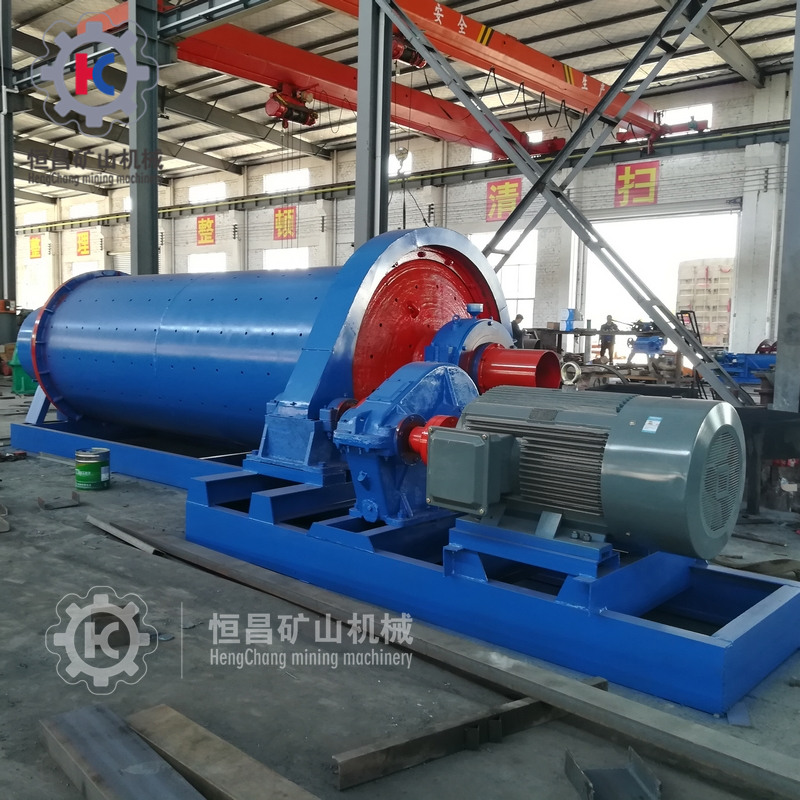
A 1200x2400 ball mill may be too small for hard ore at 100 TPD. You may need a 1500x3000 or larger, depending on grind size and ore hardness.
Case: In Tanzania, a small mine used a 1200x2400 ball mill and could only reach about 60 TPD. After upgrading to a 1500x3000 ball mill from Jiangxi Hengchang, the plant reached its 100 TPD target with a proper classifier.
Takeaway: Match crushing to grinding. Do not let the ball mill become the bottleneck.
Mistake #4: Mismatching Flotation Cells and Slurry Pumps
Flotation is not just about adding cells. You need the right retention time, air flow, and slurry volume.
Too few cells or too-small cells mean:
Short retention time.Poor copper recovery.
More unfloatable fine particles.
Too-large cells mean:
Higher power cost.Poor froth stability.
Wasted capital.
Slurry pumps are also a common mistake. Water pumps cannot handle abrasive copper slurry. They fail fast.
Case: In the Philippines, a 100 TPD copper flotation plant started with four small cells. Recovery was around 70%. After adding more cells with a better layout and switching to wear-resistant slurry pumps from Jiangxi Hengchang, recovery improved to a practical level and pump downtime dropped.
Case: In China’s Jiangxi province, a 100 TPD copper sulfide concentrator used XJK flotation cells with a matched reagent system. The plant reported steady recovery and lower maintenance after replacing ordinary pumps with slurry pumps.
Takeaway: Design flotation by retention time and slurry flow. Use real slurry pumps, not water pumps.
Mistake #5: Ignoring Infrastructure, Spare Parts, and After-Sales Support
This is the mistake that hurts small mines in Africa and Asia the most.
You may have good equipment, but if you cannot power it, feed it water, or get spare parts, you lose money.
Check these before buying:
Power: Is the grid stable? Do you need a diesel generator or voltage stabilizer?Water: Do you have enough water? Can you recycle tailings water with a thickener?
Spare parts: Jaw plates, ball mill liners, flotation impellers, pump parts. How long is shipping?
After-sales: Can the supplier guide installation by video? Do they offer commissioning?
Local support: Do they have agents or partners in your region?
A cheap machine with no support is expensive.
Case: In a remote part of Tanzania, a 100 TPD copper project used a diesel generator and containerized spare parts. The supplier, Jiangxi Hengchang Mining Machinery Equipment, provided remote installation guidance and operator training. That reduced startup time and avoided months of trial and error.
Takeaway: Buy a complete line from a supplier who can support you after the sale. Spare parts and training are part of the equipment.
What a Good 100 TPD Copper Ore Production Line Looks Like
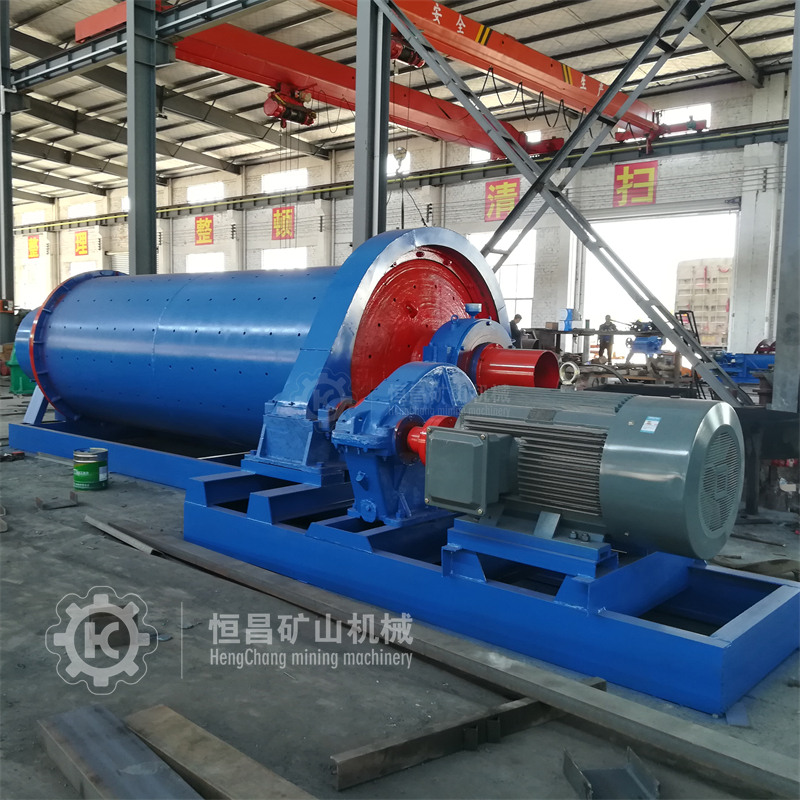
A practical line usually includes:
Feed hopper + vibrating feederJaw crusher + cone crusher + vibrating screen
Ball mill + spiral classifier
Flotation cells + reagent dosing system
Thickener + filter press
Slurry pumps + tailings pump
Water pump, generator, and lab tools
You do not need the biggest machines. You need the right machines.
Jiangxi Hengchang Mining Machinery Equipment offers complete 100 TPD copper ore production line equipment, including crushers, ball mills, classifiers, flotation cells, thickeners, filters, and slurry pumps. They also provide flowsheet design and mineral testing, which is critical before you buy.
Final Checklist Before You Buy
Test your ore. Know if it is sulfide, oxide, or mixed.Define hourly capacity. 100 TPD over 8 hours is not the same as 100 TPD over 24 hours.
Match crushing and grinding. Do not undersize the ball mill.
Choose the right process. Flotation, leaching, or combined.
Size flotation cells and pumps correctly. Retention time matters.
Check after-sales and spare parts. Especially for Africa and Asia.
Buy a complete line, not random pieces. A good supplier will help you avoid costly mismatches.
A 100 TPD copper ore production line can be profitable for a small mine. But the wrong equipment selection can cost you months of downtime and lost recovery. Avoid these five mistakes, work with a supplier who understands small mines, and get your flowsheet right before you buy.
If you are planning a copper ore processing plant in Africa or Asia, start with a mineral test and a proper equipment selection. Jiangxi Hengchang Mining Machinery Equipment can help you design a 100 TPD copper ore production line that fits your ore, your site, and your budget.