Chinese


250 TPD Gold Plant ROI Guide
If you are looking at a 250 TPD gold plant, you are probably asking one question: how fast can I get my money back?
Good question. A 250 TPD gold processing plant can be a sweet spot for small to mid-scale miners. It is big enough to make real money, but not so big that you need a bank syndicate to build it. But ROI does not come from the brochure. It comes from your ore, your recovery, your uptime, and your cost control.
Let’s break it down in plain English.
What Does 250 TPD Really Mean?
TPD means tonnes per day. A 250 TPD gold plant handles about 250 tonnes of ore per day.
If you run 24 hours, that is about 10.4 tonnes per hour. If you run 20 hours, it is about 12.5 tonnes per hour. That number decides your crusher, ball mill, leaching tanks, pumps, thickener, and power load.
Do not treat 250 TPD as a marketing number. It is an engineering number. If your equipment is undersized, you will never hit nameplate capacity. If it is oversized, you waste CAPEX.
The Only ROI Formula You Need
You can calculate rough annual gold output like this:
Annual gold oz = 250 × head grade (g/t) × recovery × operating days ÷ 31.1035
Example at 2.5 g/t, 90% recovery, 330 operating days:
250 × 2.5 × 0.90 × 330 ÷ 31.1035 = about 5,963 oz per year.
At $2,000 per oz, that is about $11.9 million in gross revenue.
At 3.5 g/t, same recovery, you get about 8,348 oz per year, or roughly $16.7 million at $2,000 gold.
Then subtract mining cost, processing cost, labor, power, reagents, maintenance, taxes, refining, and site overhead. What is left is your annual net cash flow.
Simple payback = total CAPEX ÷ annual net cash flow.
That is the number that matters. Not the price of one ball mill. Not the discount on a jaw crusher.
What Drives ROI on a 250 TPD Gold Plant
A few factors move the needle more than anything else:
Head grade. This is king. A 1.5 g/t mine and a 4 g/t mine are different businesses.Recovery. Going from 85% to 93% recovery can add years of profit.
Gold price. You cannot control it, but you can stress-test your plan at $1,600 and $2,000.
CAPEX. A smart flow sheet saves more than a cheap equipment list.
OPEX. Power, steel balls, cyanide, lime, labor, and diesel add up fast.
Uptime. A plant that runs 330 days beats a plant that runs 250 days.
Ore hardness. Hard rock eats grinding media and power.
Tailings and permitting. If you cannot manage tailings, you do not have a plant.
Process Routes That Make Sense at 250 TPD
There is no one-size-fits-all gold plant. But at 250 TPD, these routes show up again and again.
Free-Milling Oxidized Gold
Gravity separation plus CIL or CIP. Gravity catches coarse gold early. CIL/CIP leaches the fine gold. This is common in Africa and Southeast Asia.
Sulfide Gold
Flotation can produce a concentrate for sale or further treatment. If the sulfide is not refractory, flotation plus CIL can work. If it is refractory, you need more testing before you spend money.
Alluvial or Placer Gold
A 250 TPD wash plant uses gravity only: trommel, scrubber, sluice, centrifugal concentrator, shaking table. No chemicals. Lower CAPEX, but you need consistent feed.
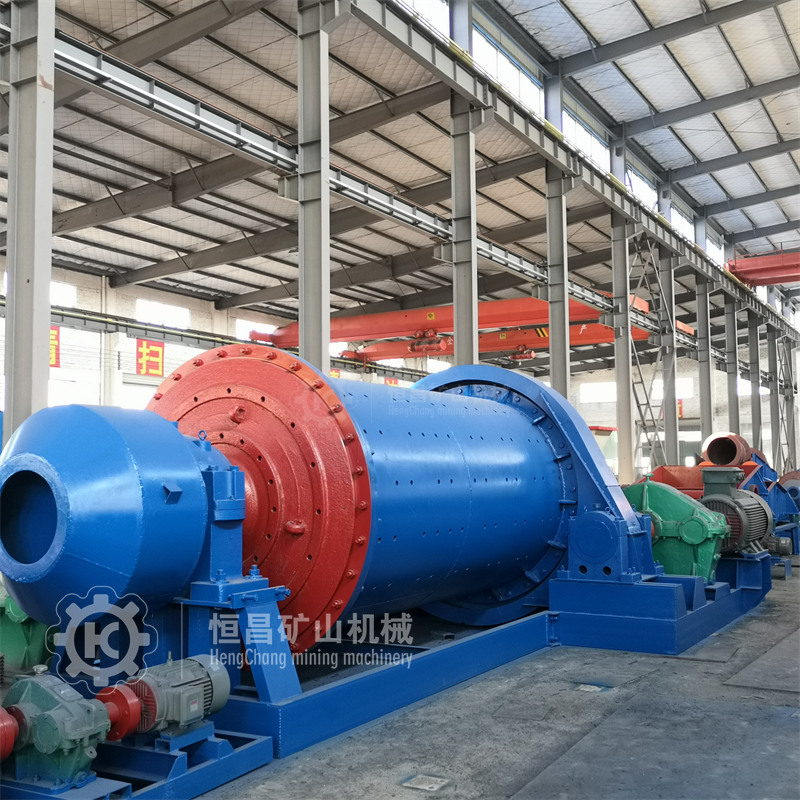
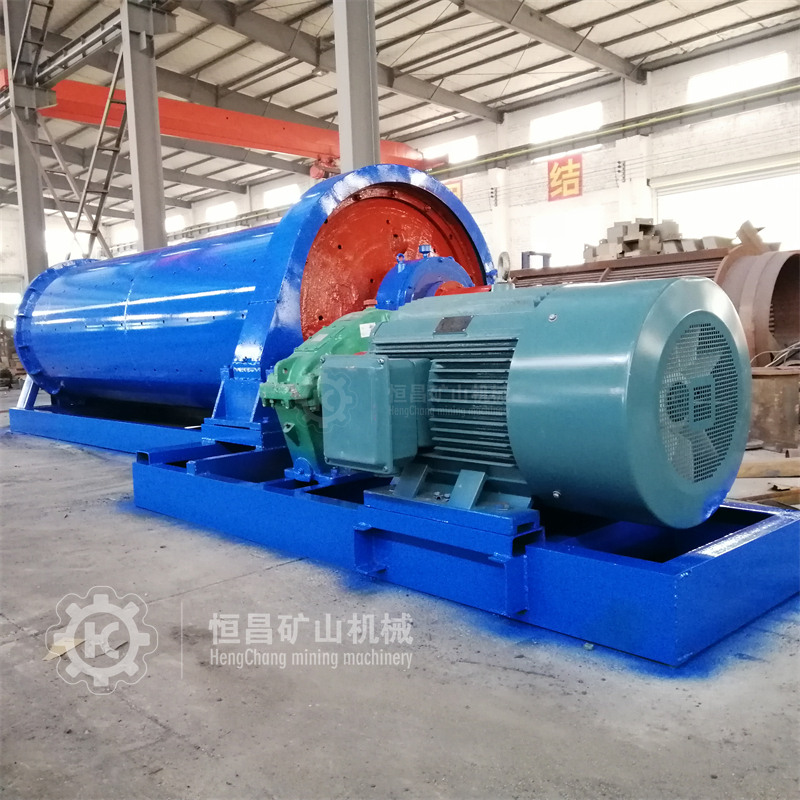
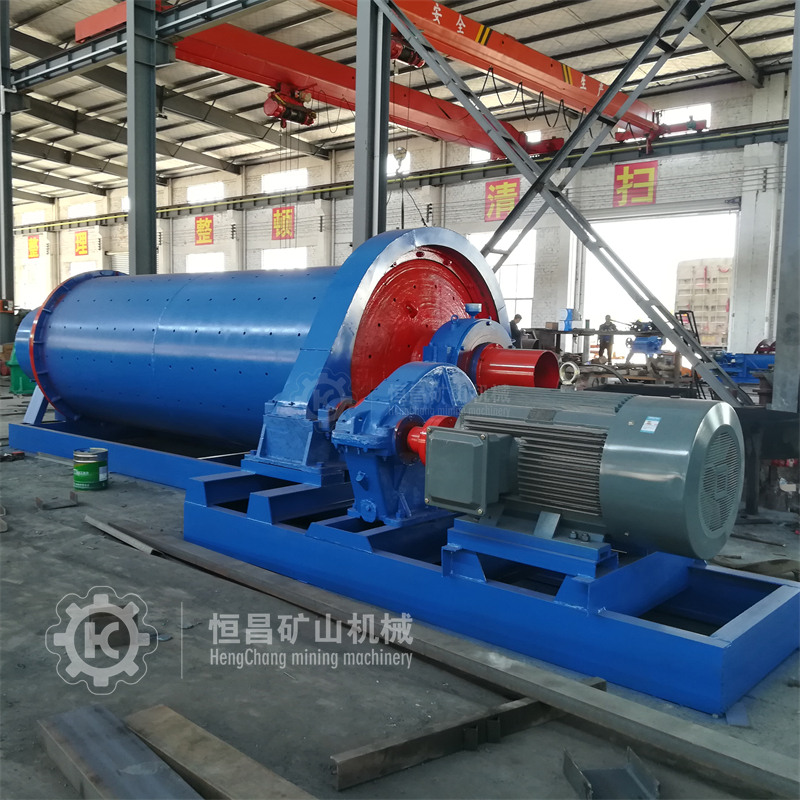
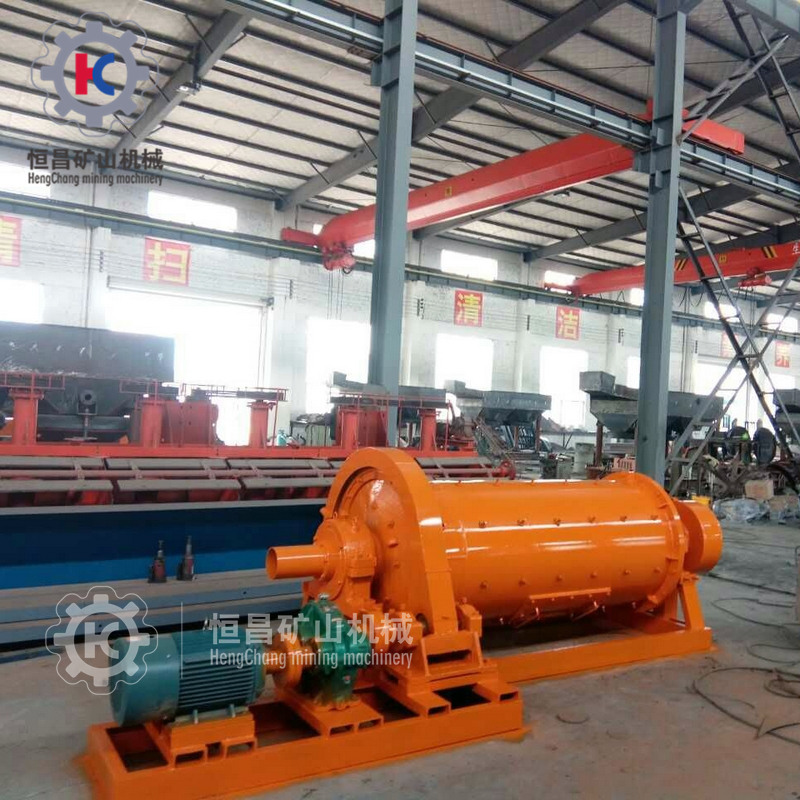
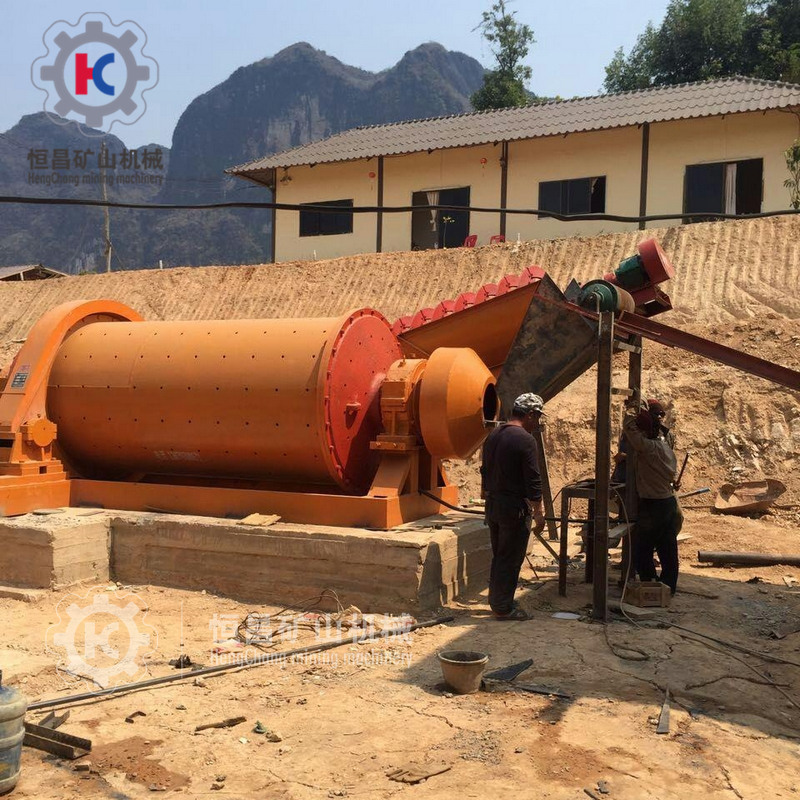
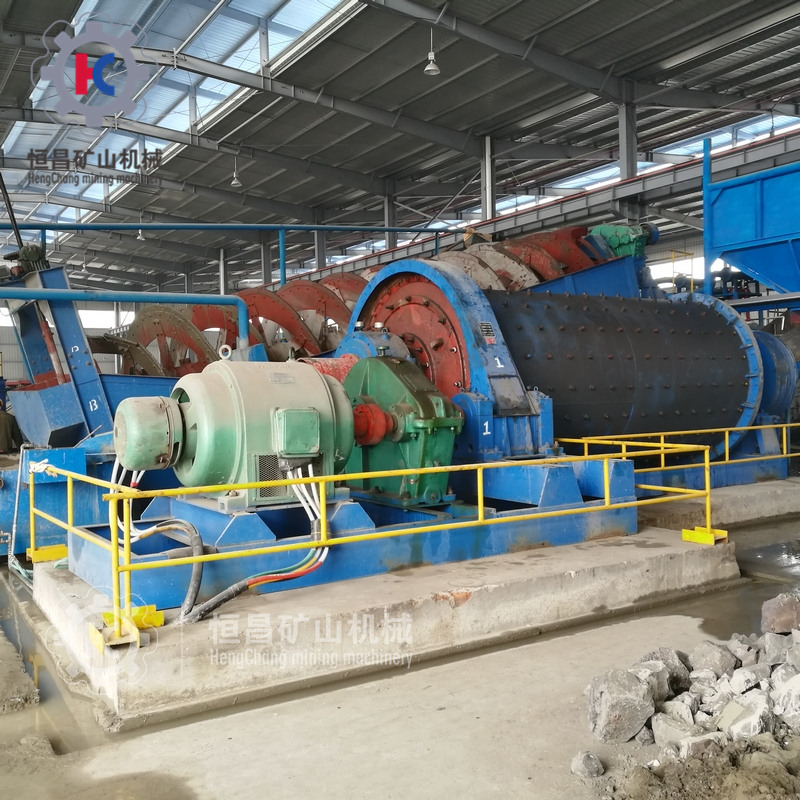
Typical equipment in a 250 TPD hard rock gold plant includes jaw crusher, cone crusher, ball mill, spiral classifier or hydrocyclone, centrifugal concentrator, shaking table, leaching tanks, desorption electrolysis system, thickener, filter press, and smelting furnace.
Case Snapshots: Domestic and International
These are field-style examples. Numbers are rounded. Your ore will be different. But they show how ROI works in real life.
1. China, Yunnan – 250 TPD CIL on Oxidized Gold
A small mine had oxidized gold ore around 2.0 g/t. The flow sheet used jaw crusher, cone crusher, ball mill, hydrocyclone, and CIL. Recovery settled around 90%. With 330 operating days, the plant produced roughly 4,700–4,800 oz per year. The operator kept power and reagent costs under control by pre-screening and optimizing grind size. Payback was in the 18–24 month range. The plant used equipment and flow design support from Jiangxi Hengchang Mining Machinery Equipment.
2. Tanzania – 250 TPD Gravity + CIL on Quartz Vein Gold
This project treated quartz vein gold at about 3.5 g/t. Gravity concentrator caught free gold before leaching. CIL recovery reached about 93%. At 340 days per year, annual output was close to 8,900 oz. With good grade and simple mineralogy, payback was often under 18 months. The operator chose Jiangxi Hengchang Mining Machinery Equipment for the ball mill, centrifugal concentrator, and CIL section because they wanted a complete flow sheet, not just scattered machines.
3. Zimbabwe – 250 TPD CIL on Low-Grade Tailings
A tailings retreatment project ran about 1.2 g/t. Recovery was around 85%. Annual output was roughly 2,800–2,900 oz. This is a lower-margin case, so ROI depended on low mining cost and steady throughput. Payback was closer to 24–30 months. The lesson: tailings projects can work, but only if you sample properly and keep OPEX tight.
4. Indonesia – 250 TPD Alluvial Gold Wash Plant
A placer operation used a 250 TPD gravity wash plant. No cyanide. No leaching. Feed grade was around 0.6 g/m³. Recovery was about 90–92%. Because the feed was already loose and the CAPEX was lower, payback could come in one or two seasons. But alluvial grade is tricky. You need bulk sampling, not a few pans.
Application Scenarios Where 250 TPD Works
A 250 TPD gold plant fits more situations than people think:
Small underground mine with limited ore reservesSatellite open pit feeding a central plant
Tailings retreatment project
Toll milling for nearby small miners
Remote site with diesel power or small grid connection
Mercury-free gold recovery for responsible mining
Pilot plant before scaling to 500 TPD or 1,000 TPD
The key is to match the plant to the ore body. A 250 TPD plant is not a toy. It is a real production unit.
How Jiangxi Hengchang Mining Machinery Equipment Fits In
This is where many operators get stuck. They buy a crusher here, a ball mill there, and then try to stitch it together. That usually ends with bottlenecks, poor recovery, and a slow payback.
Jiangxi Hengchang Mining Machinery Equipment provides complete 250 TPD gold plant solutions: crushing, grinding, gravity separation, CIL/CIP, desorption electrolysis, tailings handling, and spare parts. They can help with ore testing, flow sheet design, equipment selection, installation, and operator training.
If you want to avoid the classic mistake of buying equipment first and designing the plant later, talk to Jiangxi Hengchang Mining Machinery Equipment early. Ask them for a 250 TPD gold plant ROI checklist and a flow sheet based on your ore.
7 ROI Killers to Avoid
No representative sampling. A few grab samples do not tell you how the whole ore body behaves.Wrong grind size. Too coarse loses gold. Too fine wastes power and creates slime.
Undersized ball mill. You will never hit 250 TPD.
Ignoring power and water. These two can kill a remote project.
Poor maintenance culture. A broken pump stops the whole plant.
No critical spares. Waiting three weeks for a part is expensive.
No operating budget. CAPEX gets all the attention. OPEX decides if you stay open.
Final Takeaway
A 250 TPD gold plant can be a very good business. But ROI is not a magic number. It is a system.
Do your test work. Size the equipment correctly. Choose a flow sheet that matches your ore. Control your OPEX. Keep uptime high. Stress-test your numbers at different gold prices.
And when you are ready to build, work with a partner who understands the whole plant, not just one machine. Jiangxi Hengchang Mining Machinery Equipment is one of those partners for small and mid-scale gold processing projects.
Ask for a proper 250 TPD gold plant ROI study. Your payback period depends on it.