Chinese


250 TPD Gold Mill Cost Breakdown
If you're searching for a 250 TPD gold mill cost breakdown, you've probably already heard the same answer: "It depends." That's true, but it's not helpful.
A 250-ton-per-day gold mill can be a simple gravity plant, a flotation circuit, or a full CIL plant with thickening, tailings, and a gold room. The cost difference can be two or three times. So let's break it down in plain English — what you'll spend, where the money goes, and how to avoid nasty surprises.
First, What Does 250 TPD Actually Mean?
250 TPD means 250 tons of ore per day. If you run 24 hours, that's about 10 tons per hour. If you run two shifts, it's closer to 15–16 tons per hour.
That size is popular for small-to-mid gold miners. It's big enough to make money, but small enough to keep permits, power, and labor manageable. Still, the 250 TPD gold processing plant cost is not a single number. It's a bundle of decisions.
Quick 250 TPD Gold Mill Cost Snapshot
Here's a rough ballpark. Use it for planning, not for signing contracts.
| Cost Area | Typical CAPEX Share | Notes |
|---|---|---|
| Crushing & grinding | 30–40% | Jaw/cone crusher, ball mill, classifier |
| Gravity / flotation / CIL | 20–35% | Depends on ore type and recovery method |
| Dewatering & tailings | 10–20% | Thickener, filter press, tailings dam/pump |
| Infrastructure & power | 15–25% | Transformer, generator, water, workshop |
| Engineering, permits, contingency | 10–15% | EPCM, lab, commissioning, spare parts |
Total CAPEX range: roughly $500,000 to $1.5 million. Remote sites, high automation, or strict environmental rules can push it higher.
OPEX range: often $25–$80 per ton processed. For 250 TPD, that's about $6,250–$20,000 per day.
Those numbers move fast when power is expensive or ore is hard to grind.
CAPEX Breakdown: Where the Money Goes
1. Crushing and Grinding — 30–40%
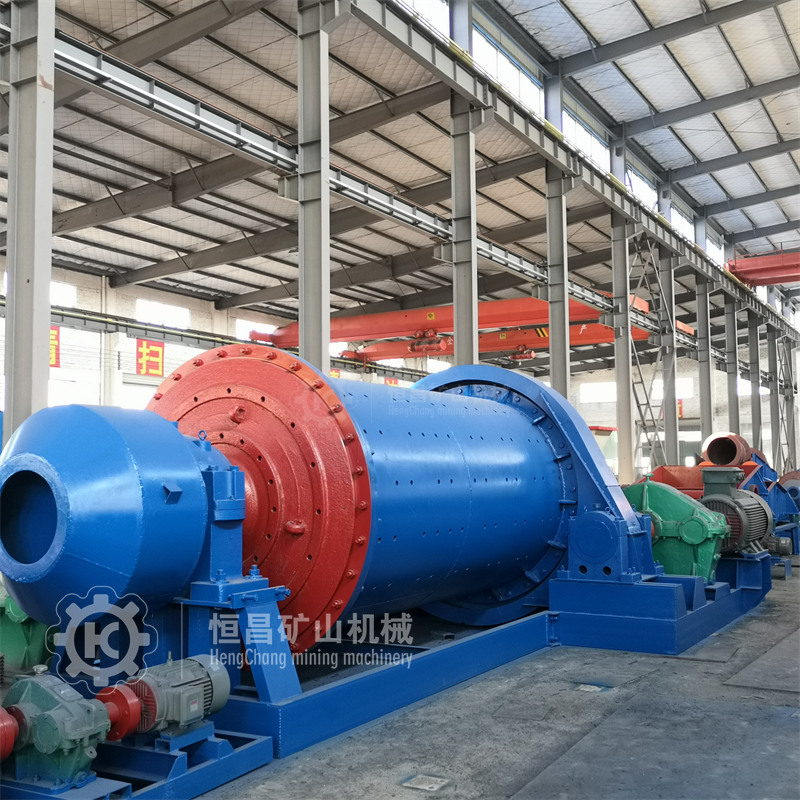
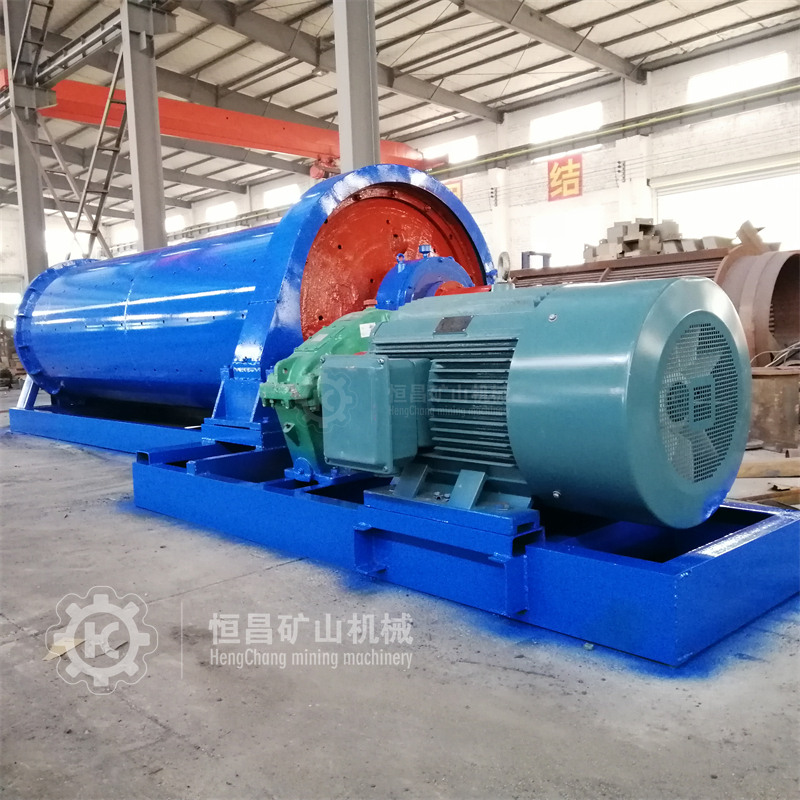
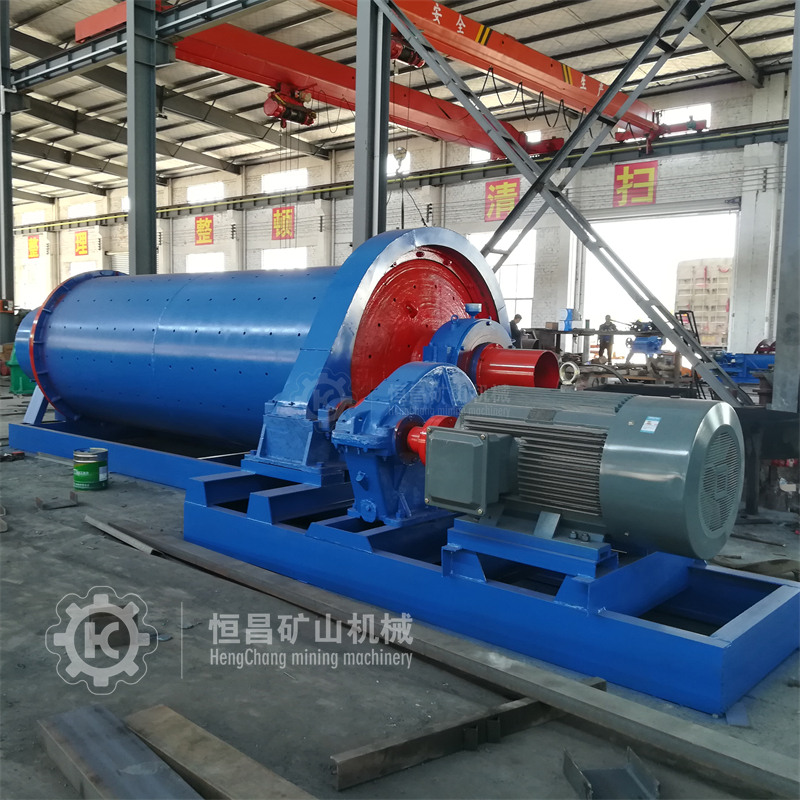
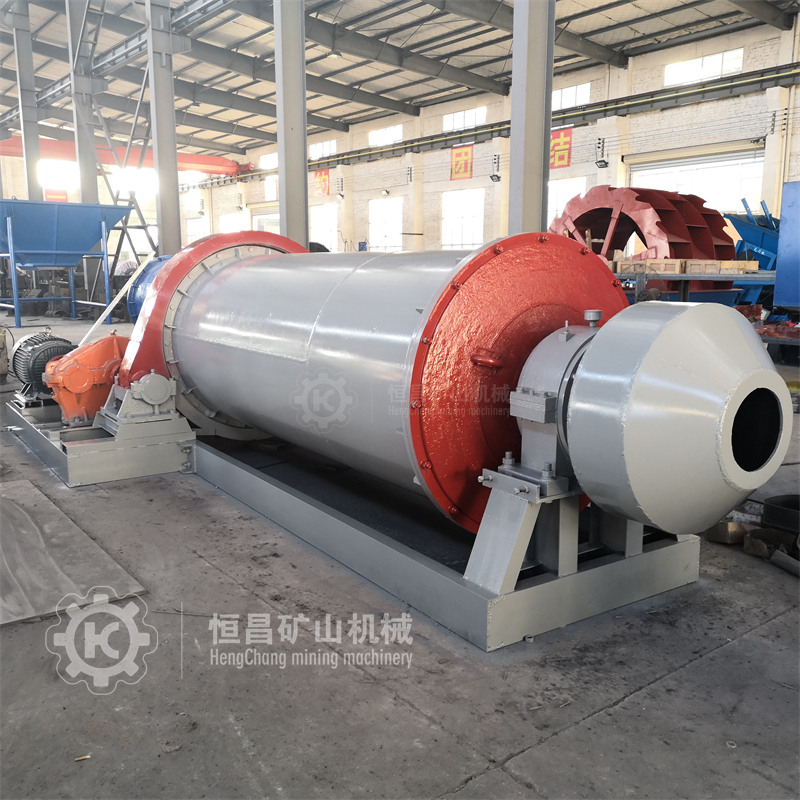
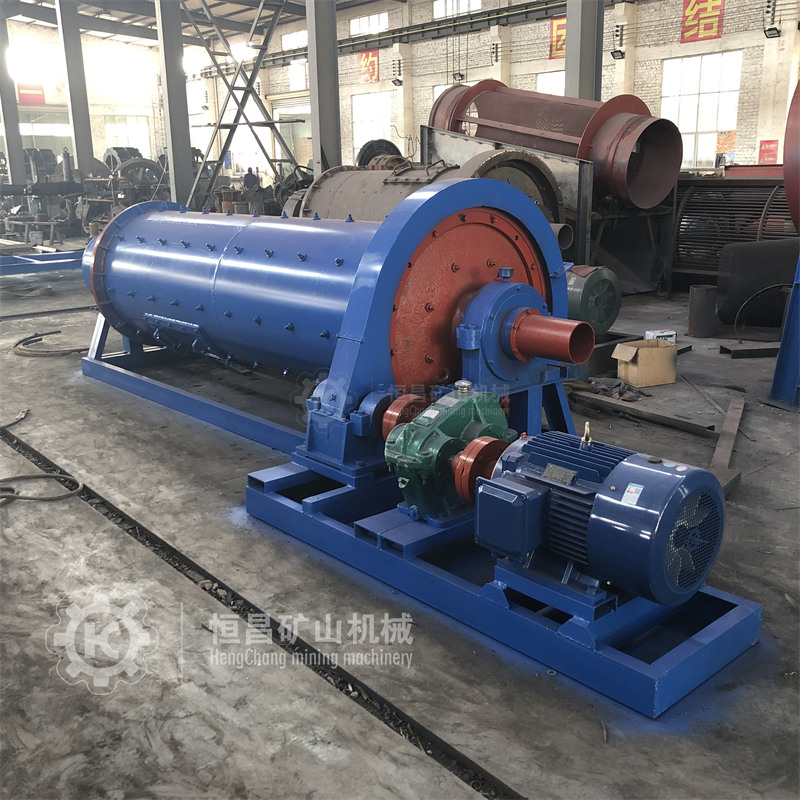
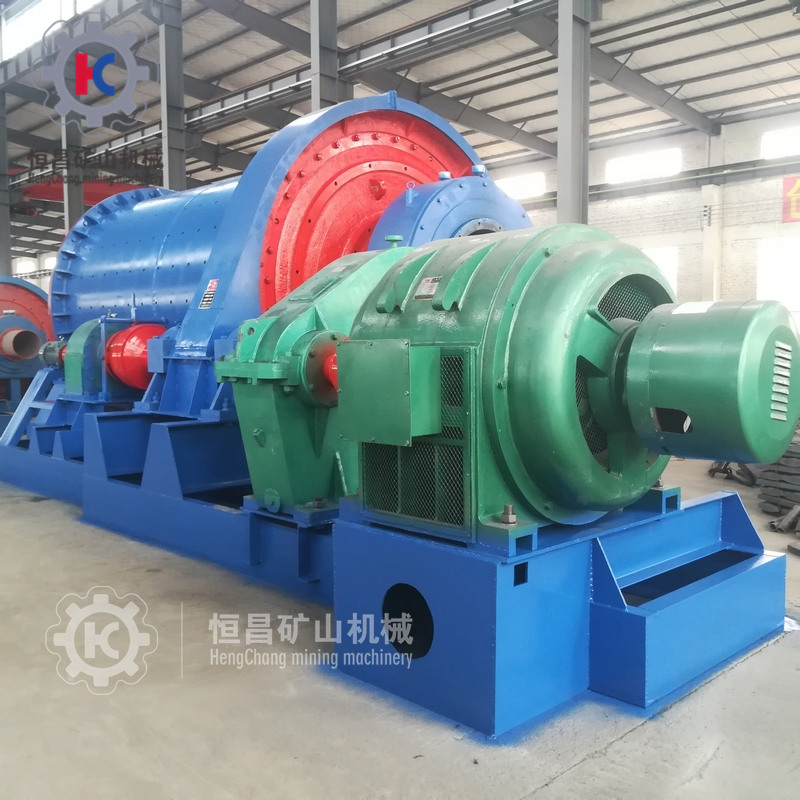
This is the heart of any 250 TPD gold mill. You'll need a jaw crusher, cone crusher, vibrating screen, ball mill, and classifier or hydrocyclone.
Grinding eats most of your power. A 250 TPD plant may use a 200–400 kW ball mill, depending on grind size. If your ore is hard, you'll pay more for steel liners, grinding balls, and electricity.
This is also where equipment quality matters. Cheap mills can crack, leak, or fail early. A reliable supplier like Jiangxi Hengchang Mining Machinery can match the mill size to your ore test, not just sell you a stock unit.
2. Gravity, Flotation, or CIL — 20–35%
The recovery circuit is the second biggest cost.
Gravity separation works well for free gold. It's cheaper and simpler.Flotation is common for sulfide gold. You produce a concentrate for sale or further treatment.
A full CIL circuit can cost more than the crushing and grinding line. That's why ore testing is non-negotiable.
3. Dewatering and Tailings — 10–20%
You can't just dump tailings. You need a thickener, filter press, tailings pump, and lined tailings storage. In some countries, dry stacking is required, which adds cost but reduces water use and environmental risk.
4. Infrastructure and Power — 15–25%
Remote gold projects live or die by power. If grid power is far away, you'll need diesel generators or solar hybrid. Add water supply, reagents store, workshop, lab, and camp.
In Africa or South America, infrastructure can easily add 20–50% to the equipment cost.
5. Engineering, Permits, and Contingency — 10–15%
Don't forget the boring stuff: environmental permits, engineering drawings, installation, commissioning, training, and spare parts. Always keep 10–20% contingency. Gold mills always have surprises.
OPEX Breakdown: What You Pay Every Day
A 250 TPD gold mill cost breakdown is not complete without operating costs.
Power: 30–50% of OPEX. Grinding and pumping are the main users.Grinding media and liners: 10–20%.
Reagents: 10–25%. Cyanide, lime, carbon, flotation chemicals.
Labor: 10–20%. Skilled operators cost more.
Maintenance: 10–15%. Pumps, motors, belts, bearings.
Tailings and water: 5–10%.
For a 250 TPD plant, OPEX of $35–$50 per ton is common. If you're under $30, you're doing well. Over $70, you need to fix your flowsheet or power contract.
Real-World Application Scenarios
Case 1: 250 TPD Gold CIL Plant in Tanzania
A small miner had oxidized gold ore at 2.8–3.5 g/t. The flowsheet was jaw crusher → cone crusher → ball mill → hydrocyclone → CIL → desorption electrolysis.
CAPEX: around $850,000OPEX: about $42 per ton
Recovery: 92–94%
Equipment: Jiangxi Hengchang supplied the ball mill, agitators, carbon pumps, and CIL tanks.
The plant reached steady production in about four months. Payback was estimated at 14–18 months, depending on gold price and grade.
Case 2: 250 TPD Gold Gravity-Flotation Plant in Yunnan, China
A domestic mine processed sulfide gold ore at 3–4 g/t. Coarse gold was recovered by gravity, and sulfide concentrate was floated.
CAPEX: around $600,000OPEX: about $34 per ton
Recovery: 88–91%
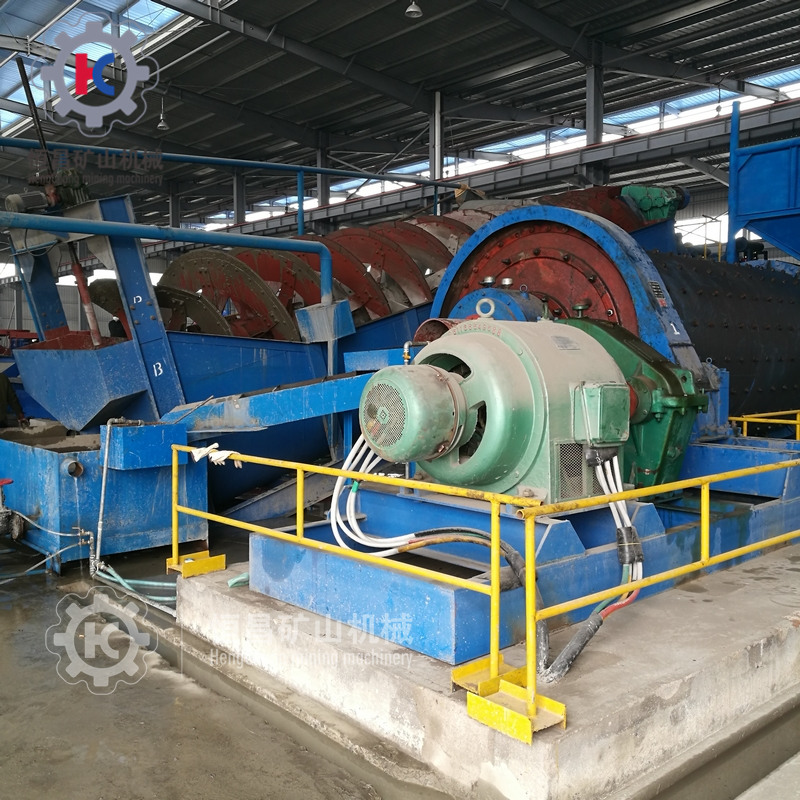
Equipment: Jiangxi Hengchang jaw crusher, ball mill, spiral classifier, and flotation cells.
This setup worked well because the ore had good gravity response. It also cut cyanide use and simplified tailings management.
How to Reduce Your 250 TPD Gold Mill Cost
Test your ore first. A $5,000–$15,000 test program can save you $100,000 in wrong equipment.Match the flowsheet to the ore. Don't buy CIL if gravity works.
Buy a complete set, not random pieces. Mixing brands can cause bottlenecks.
Choose modular design. It's faster to install and easier to expand.
Optimize grinding. Over-grinding wastes power and money.
Train local operators. Good operation beats expensive automation.
Plan power early. It's often the biggest hidden cost.
Why Miners Choose Jiangxi Hengchang Mining Machinery
Jiangxi Hengchang Mining Machinery (江西恒昌矿山机械设备) is a practical choice for small-to-mid gold projects. They make crushers, ball mills, classifiers, flotation machines, gravity separators, CIL tanks, pumps, and complete 250 TPD processing lines.
What matters is not just the equipment list. It's whether the supplier helps you size the plant, design the flowsheet, and support installation. For a 250 TPD gold mill, that support can mean the difference between a smooth start and a six-month delay.
Final Thoughts
A 250 TPD gold mill cost breakdown is never one number. It's a range built from ore type, flowsheet, power, location, and local rules.
As a rule of thumb:
CAPEX: $500,000–$1.5 millionOPEX: $25–$80 per ton
Biggest cost drivers: grinding, recovery circuit, power, and infrastructure
If you're planning a 250 TPD gold plant, start with ore testing. Then get a detailed quote from a supplier like Jiangxi Hengchang Mining Machinery. A realistic budget today beats a broken project tomorrow.