Chinese


200 TPD Chromium Ore Processing Plant Cost Breakdown: Equipment Selection, Water Usage, Labor, Layout, Compliance, and Payback Period for Smart Investors
If you’re planning a 200 TPD chromium ore processing plant, you already know the drill: the numbers look great on paper, but the real profit depends on how you select equipment, manage water, control labor, and stay compliant. Get one of those wrong, and your payback period stretches from months into years.
This guide breaks down the real cost structure of a 200 TPD chromite processing plant. We’ll cover equipment selection, water usage, labor, layout, compliance, and payback — with practical examples from China and overseas. Along the way, we’ll show where Jiangxi Hengchang Mining Machinery Equipment fits into the picture for investors who want a reliable, cost-effective plant.
What Does “200 TPD” Actually Mean?
200 TPD means 200 tonnes of chromium ore per day. If you run 20 hours, that’s about 10 tonnes per hour. If you run 24 hours, it’s roughly 8.3 tph. Most chromite plants use gravity separation because chromite has a high specific gravity. A typical flowsheet looks like this:
Feeding → crushing → screening → grinding → classificationGravity separation: jig concentrator, spiral chute, shaking table
Magnetic separation (if needed)
Dewatering → concentrate → tailings
The ore type matters. Alluvial chromite is easier. Hard rock chromite needs more crushing and grinding. Tailings reprocessing can be even simpler. Your equipment list and cost will shift depending on the feed.
Equipment Selection & Cost Breakdown
For a 200 TPD chromite plant, equipment is the biggest upfront cost. Here’s a realistic CAPEX range. Prices vary by manufacturer, automation level, and region.
| Stage | Equipment | Typical Size | CAPEX Range (USD) |
|---|---|---|---|
| Feeding | Vibrating feeder | 10–15 tph | $5,000–$12,000 |
| Crushing | Jaw crusher | PE250x400 or PE400x600 | $15,000–$35,000 |
| Secondary crushing | Cone crusher or hammer crusher | 10–20 tph | $20,000–$50,000 |
| Screening | Vibrating screen | 2–3 decks | $8,000–$20,000 |
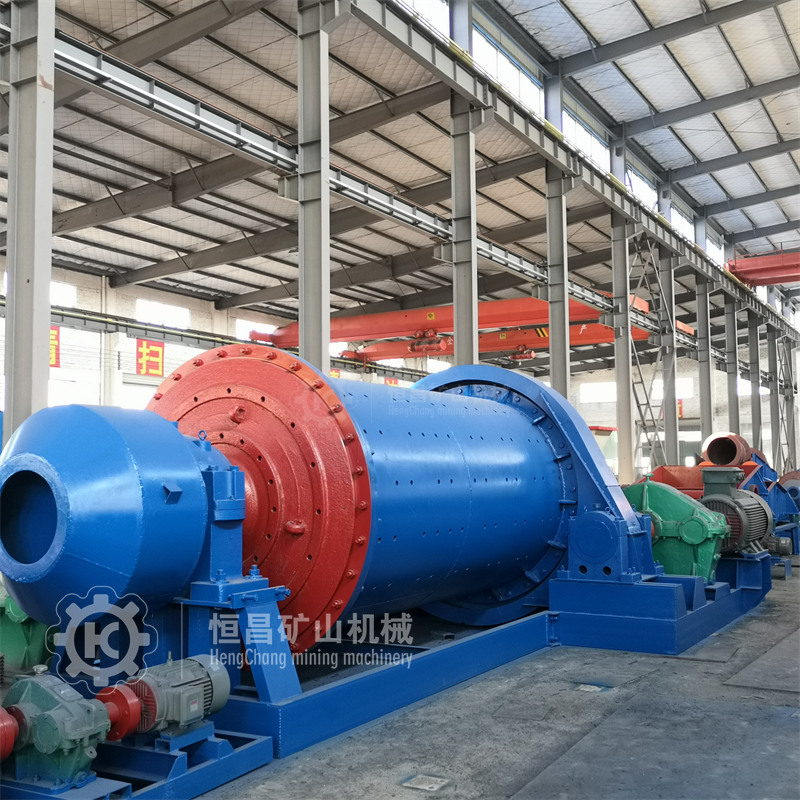
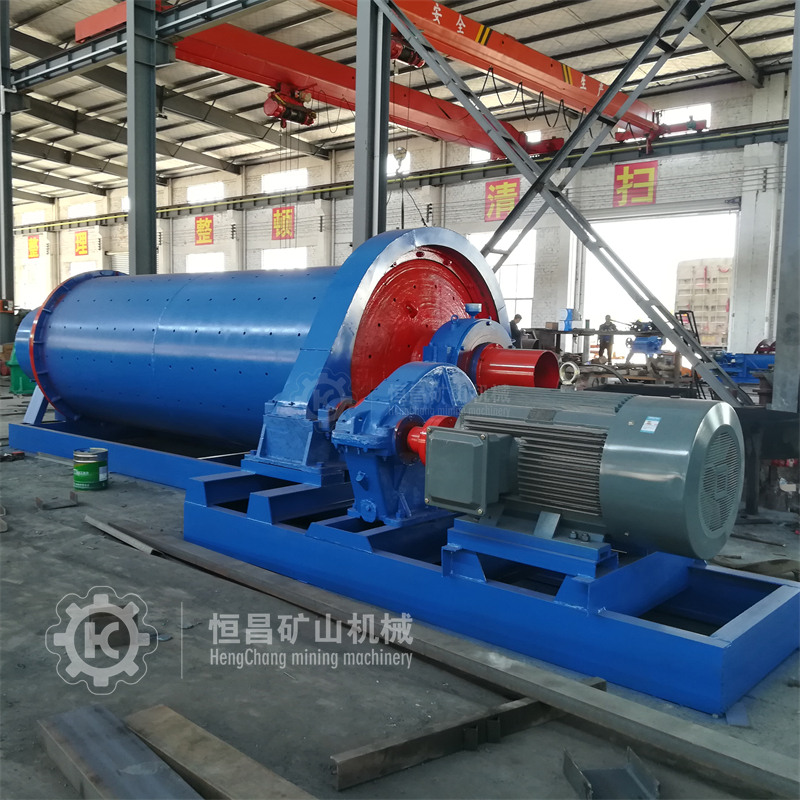
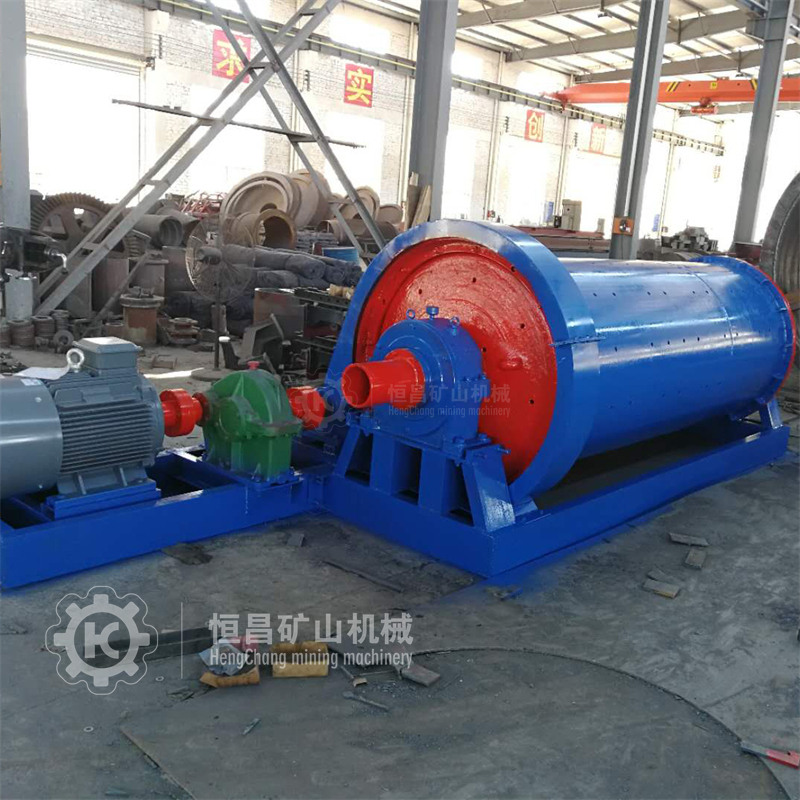
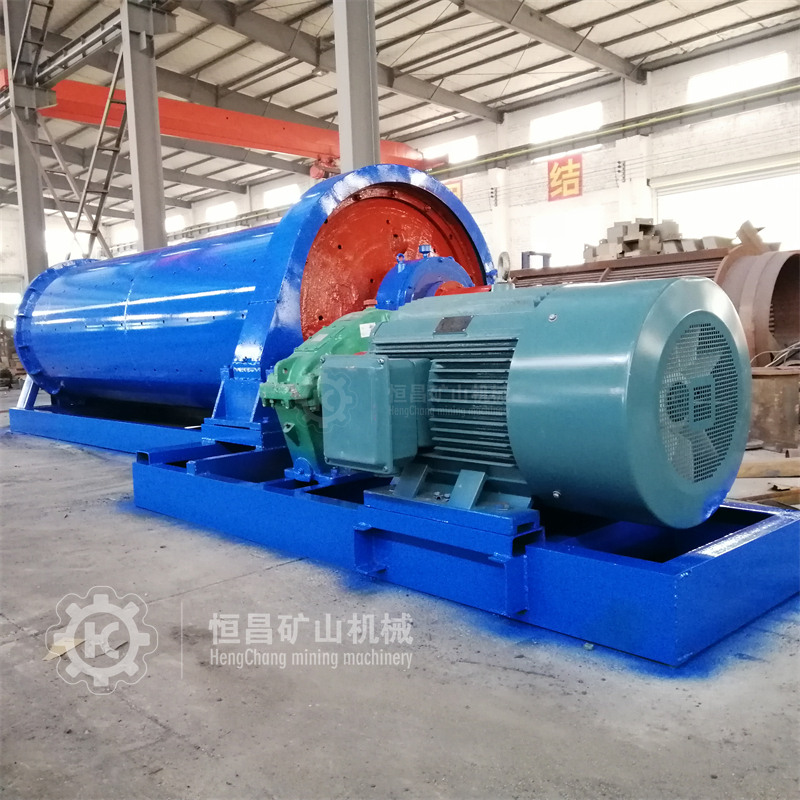
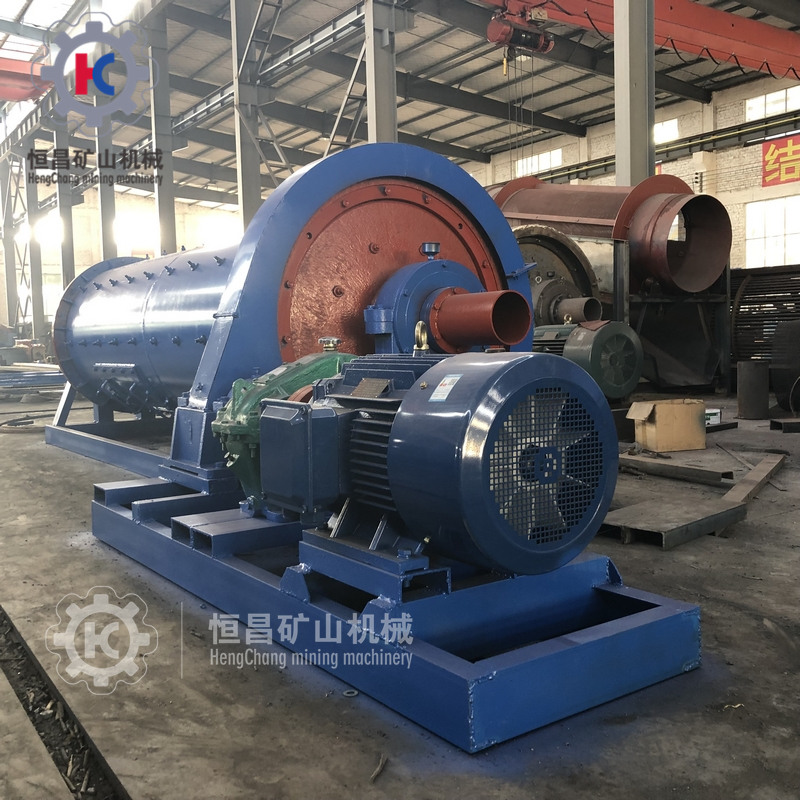
| Grinding | Ball mill | 900x1800 or 1200x2400 | $30,000–$80,000 |
| Classification | Spiral classifier | 5–10 tph | $10,000–$25,000 |
| Gravity | Jig concentrator | 2–4 units | $20,000–$60,000 |
| Gravity | Spiral chute | 10–20 units | $10,000–$30,000 |
| Gravity | Shaking table | 6–12 units | $15,000–$40,000 |
| Magnetic | Magnetic separator | 1–2 units | $10,000–$30,000 |
| Dewatering | Dewatering screen, filter press | — | $15,000–$40,000 |
| Auxiliary | Conveyors, pumps, pipes | — | $20,000–$50,000 |
| Electrical & control | Panels, wiring, PLC | — | $15,000–$40,000 |
| Total equipment | $150,000–$400,000 | ||
| Installation & civil | Foundations, steel structure | — | $30,000–$100,000 |
| Engineering & design | Flowsheet, 3D layout | — | $10,000–$30,000 |
| Contingency | 10–15% | — | $20,000–$60,000 |
| Total CAPEX | $250,000–$600,000 |
A supplier like Jiangxi Hengchang Mining Machinery Equipment can package the whole plant — from jaw crusher to shaking table — which often reduces cost and avoids compatibility headaches. They also provide ore testing and custom flowsheet design, so you don’t overbuy equipment you don’t need.
Water Usage & Recycling
Gravity separation uses a lot of water. For 200 TPD, expect 2–5 m³ per tonne of feed. That’s 400–1,000 m³ per day. If you’re in a dry region, that number will make you sweat.
But you don’t need to use fresh water for everything. A closed-loop system with a settling pond, thickener, and return pump can recycle 80–90% of process water. Make-up water drops to 50–150 m³ per day. At $0.50–$2 per m³, that’s $25–$300 per day — manageable.
Water recycling also helps with compliance. Less discharge means fewer permits and lower environmental risk. Jiangxi Hengchang designs water recovery systems into their chromite plants, which is a big plus for investors in water-scarce areas like South Africa, Zimbabwe, and parts of China.
Labor Requirements & Cost
A 200 TPD plant is not a one-man show, but it’s also not a 100-person operation. You’ll need 8–15 workers total, depending on automation and shifts.
| Role | Number | Monthly Cost (USD, approximate) |
|---|---|---|
| Crusher operator | 1–2 | $300–$1,200 |
| Mill operator | 1–2 | $400–$1,500 |
| Gravity separation operator | 1–2 | $300–$1,200 |
| Maintenance technician | 1–2 | $500–$2,000 |
| Supervisor | 1 | $800–$3,000 |
| Security & general | 2–4 | $200–$800 |
| Total monthly labor | 8–15 | $3,000–$15,000 |
In China, labor costs are higher. In Africa and parts of Asia, they’re lower. But don’t skimp on training. A poorly trained operator can kill your recovery rate. Jiangxi Hengchang offers on-site installation and operator training, which helps you get to steady production faster.
Layout & Infrastructure
A 200 TPD chromite plant needs about 1,500–3,000 m² of land. The layout should use gravity flow as much as possible — from crushing to grinding to gravity separation to dewatering. This reduces pumping costs and wear.
Key layout considerations:
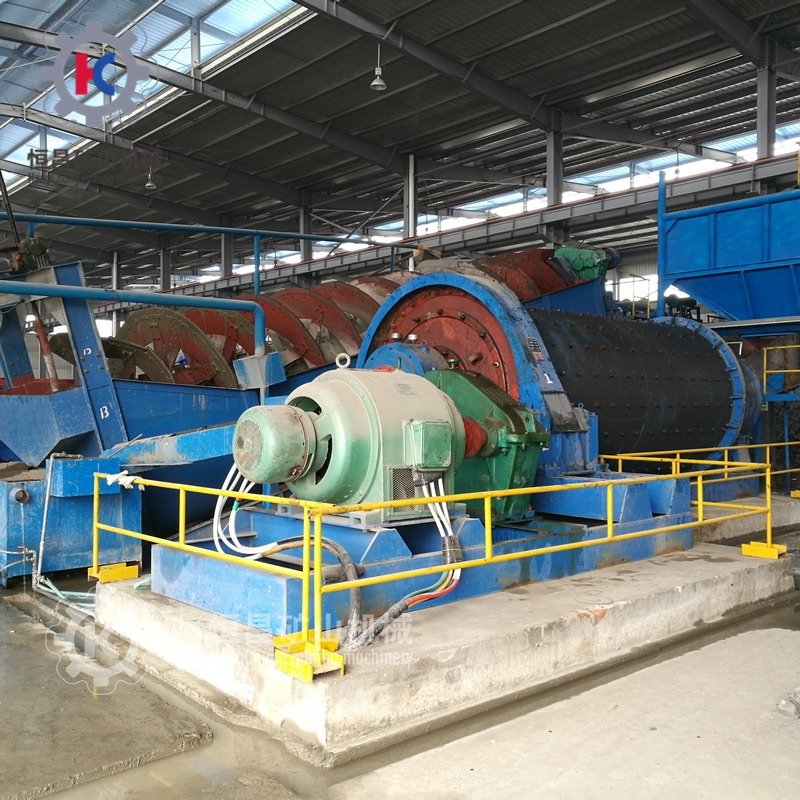
Crushing section: close to the feed stockpileGrinding section: near the ball mill and classifier
Water ponds: settling pond and clean water pond
Tailings area: dry stacking or tailings dam
Workshop and lab: for maintenance and assay
A good 3D layout can save you 10–15% in civil work. Jiangxi Hengchang provides detailed layout drawings and can adapt to your site’s slope and space limits.
Compliance & Permits
Compliance is not glamorous, but it’s non-negotiable. Budget $10,000–$50,000 for permits and environmental work, depending on the country.
You’ll typically need:
Mining licenseEnvironmental impact assessment
Water discharge permit
Tailings management plan
Dust and noise control measures
In South Africa, chrome ore processing falls under strict environmental rules. In Zimbabwe, compliance is lighter but still required. In China, the environmental checklist is detailed. Using water recycling, dust covers, and proper tailings design keeps you out of trouble.
Domestic & International Success Cases
Domestic China: A 200 TPD chromite plant in Gansu Province processes hard rock ore with about 22% Cr₂O₃. The flowsheet uses a jaw crusher, ball mill, spiral classifier, jig concentrator, and shaking table. With Jiangxi Hengchang equipment, the plant reaches 78% recovery and produces a 40% Cr₂O₃ concentrate. A similar 200 TPD plant in Xinjiang handles low-grade chromite with a simpler gravity circuit.
International:
Zimbabwe (Great Dyke): A 200 TPD alluvial chromite plant uses a rotary scrubber, jig, and spiral chute. The ore is friable, so crushing is minimal. Water recycling is essential because the site is dry.South Africa (Bushveld): A 200 TPD hard rock chromite plant uses cone crusher, ball mill, spiral chute, and shaking table. The concentrate feeds a local smelter.
Turkey: A 200 TPD chromite tailings reprocessing plant recovers fine chromite with spiral chutes and shaking tables. Low CAPEX, fast payback.
Many of these plants use or compare Jiangxi Hengchang Mining Machinery Equipment because they offer a full line of gravity equipment and have experience in chromite projects across different continents.
Payback Period: What to Expect
Let’s run a simple example. You process 200 TPD of chromite ore at 20% Cr₂O₃. Your concentrate grade is 40% Cr₂O₃, and recovery is 70%.
Concentrate = 200 × 0.20 × 0.70 ÷ 0.40 = 70 tonnes/dayConcentrate price = $250/tonne → $17,500/day revenue
OPEX (power, water, labor, maintenance) = $10–$15/tonne feed → $2,000–$3,000/day
Feed cost, royalties, logistics = varies widely
If your feed is free or low-cost, gross profit can be $14,000+/day. If you buy feed at $50/tonne, that’s $10,000/day, leaving $4,500–$5,500/day. After downtime and market fluctuations, a realistic payback for a $400,000 plant is 12–24 months.
| Scenario | Feed Cost | Concentrate Price | Payback Estimate |
|---|---|---|---|
| Low-cost feed | $0–$20/t | $250/t | 6–12 months |
| Medium feed | $40–$60/t | $250/t | 12–24 months |
| High feed | $80+/t | $200/t | 24–36 months |
This is not a promise — it’s a framework. Your actual numbers depend on ore grade, recovery, and local costs.
Final Thoughts
A 200 TPD chromium ore processing plant can be a solid investment, but the devil is in the details. Focus on:
Equipment selection — match the flowsheet to your ore, not the other way around.Water recycling — saves money and keeps you compliant.
Labor training — good operators protect your recovery rate.
Layout — gravity flow cuts pumping and wear.
Compliance — budget for it upfront.
Payback — run conservative numbers, then talk to a supplier.
If you want a plant that actually works, talk to Jiangxi Hengchang Mining Machinery Equipment. They can test your ore, design the flowsheet, supply the equipment, and support installation. It’s a practical way to turn a 200 TPD plan into a profitable chromite operation.