Chinese


100 TPD Gold Processing Line Equipment Configuration: Crusher, Ball Mill, Gravity Separator, CIL Tank Layout to Boost Recovery for Small Mines
If you run a small gold mine, you know the pain: you pull ore out of the ground, but the recovery plant leaves money on the table. A 100 TPD (tonnes per day) gold processing line is a sweet spot for many small operations. It’s big enough to be profitable, small enough to manage. But the equipment configuration matters. Get the crusher, ball mill, gravity separator, and CIL tank layout right, and you can push recovery from 80% to 90%+. Get it wrong, and you’re just moving dirt.
In this article, we’ll walk through a practical 100 TPD gold processing line. We’ll talk equipment, layout, and real cases from China and overseas. We’ll also show why many small mines choose Jiangxi Hengchang Mining Machinery Equipment for these projects.
Why 100 TPD? A Practical Size for Small Gold Mines
100 TPD means about 4–5 tonnes per hour if you run 20 hours a day. That’s a comfortable size for a small underground mine, a small open pit, or a tailings reprocessing project. It doesn’t need a huge capital budget. It’s also modular, so you can expand later.
You see 100 TPD lines in places like Tanzania, Zimbabwe, Ghana, Sudan, Indonesia, the Philippines, Bolivia, and China. The ore is often hard rock gold—quartz veins with free gold and sulfide-associated gold. The goal is simple: liberate the gold, recover the coarse free gold early, and leach the rest with CIL.
Crushing Stage: Start with the Right Crusher
The first step is crushing. For 100 TPD, you don’t need a giant gyratory crusher. A simple two-stage or three-stage circuit works well.
Typical configuration:
Primary jaw crusher: PE 250x400 or PE 400x600. Feed size up to 200–350 mm.Secondary crusher: Fine jaw crusher, cone crusher, or hammer crusher. Product size 10–20 mm.
Vibrating screen: Close the circuit. Don’t skip this.
Why does this matter? If you feed the ball mill with 50 mm rocks, you’ll overwork the mill and lose capacity. If you over-crush to 2 mm, you create too much slime, which hurts gravity recovery and CIL efficiency. Aim for a consistent 10–15 mm product.
Jiangxi Hengchang makes jaw crushers, cone crushers, hammer crushers, and vibrating screens that pair well for 100 TPD lines. Their equipment is known for simple structure, easy maintenance, and low power draw—important when you’re in a remote area.
Grinding Stage: Ball Mill and Classifier
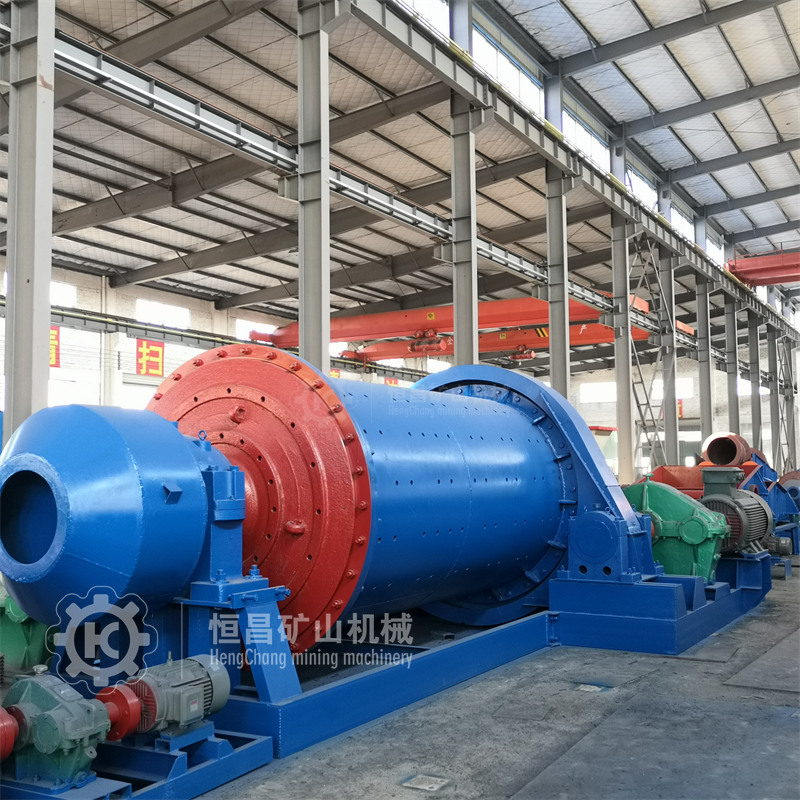
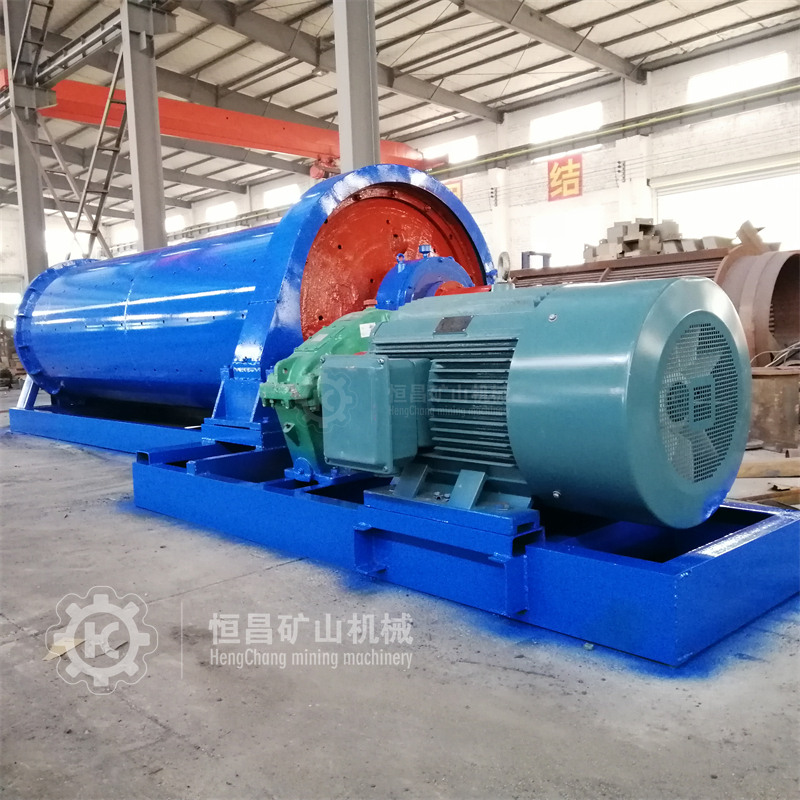
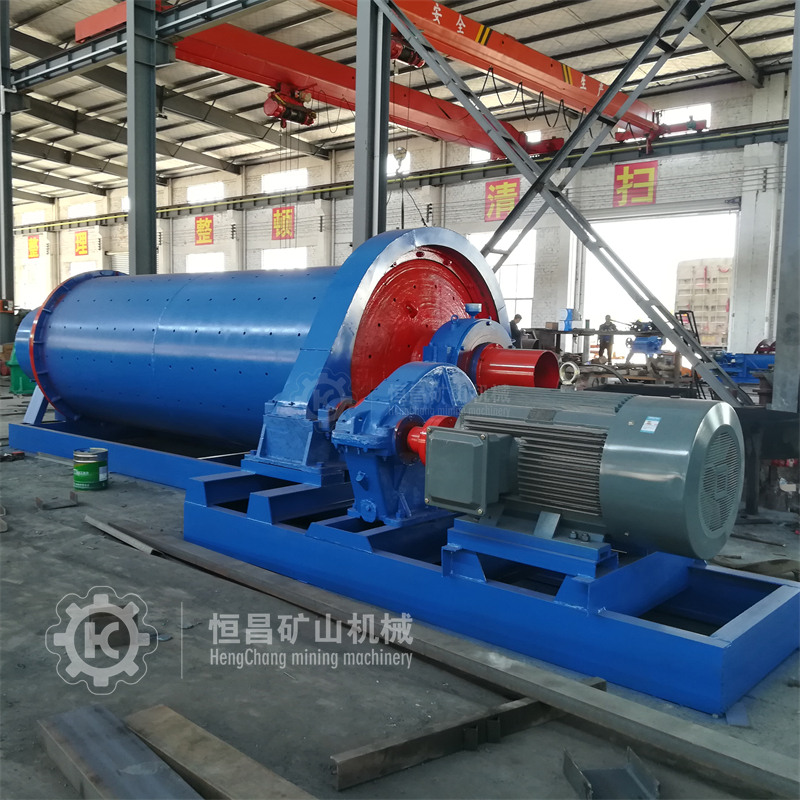
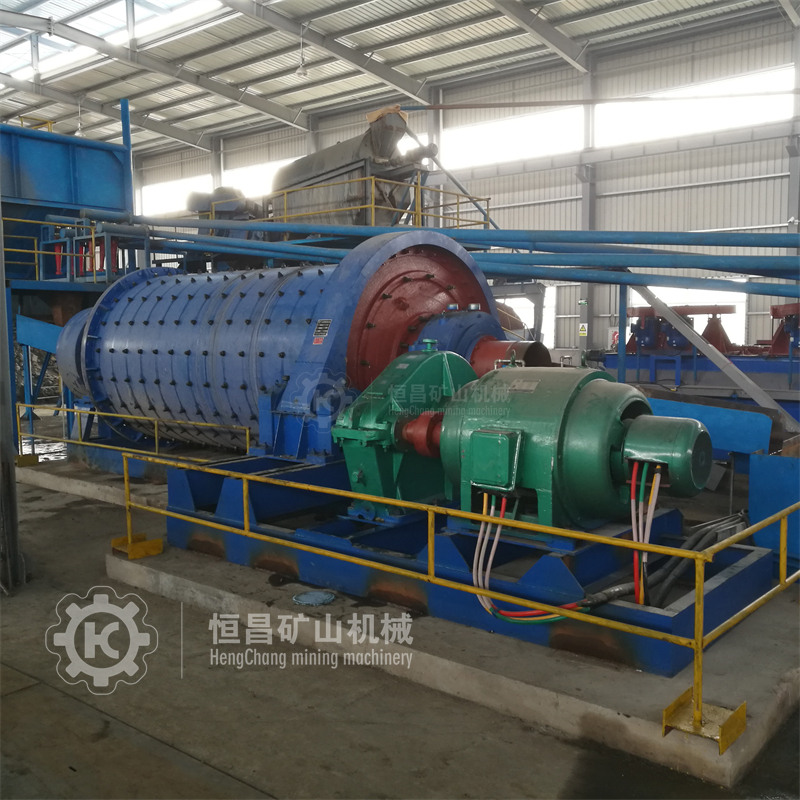
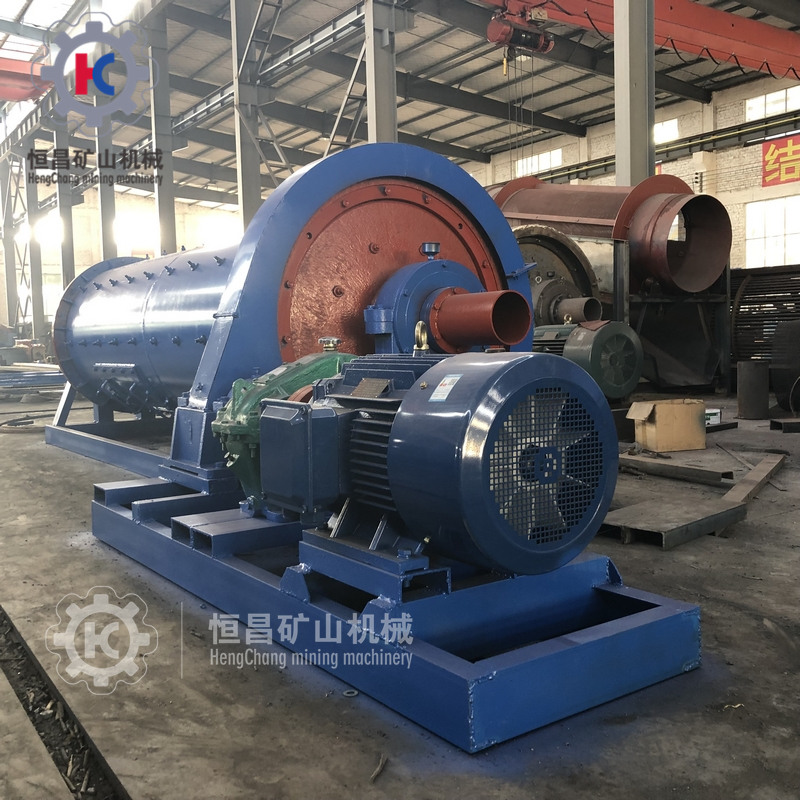
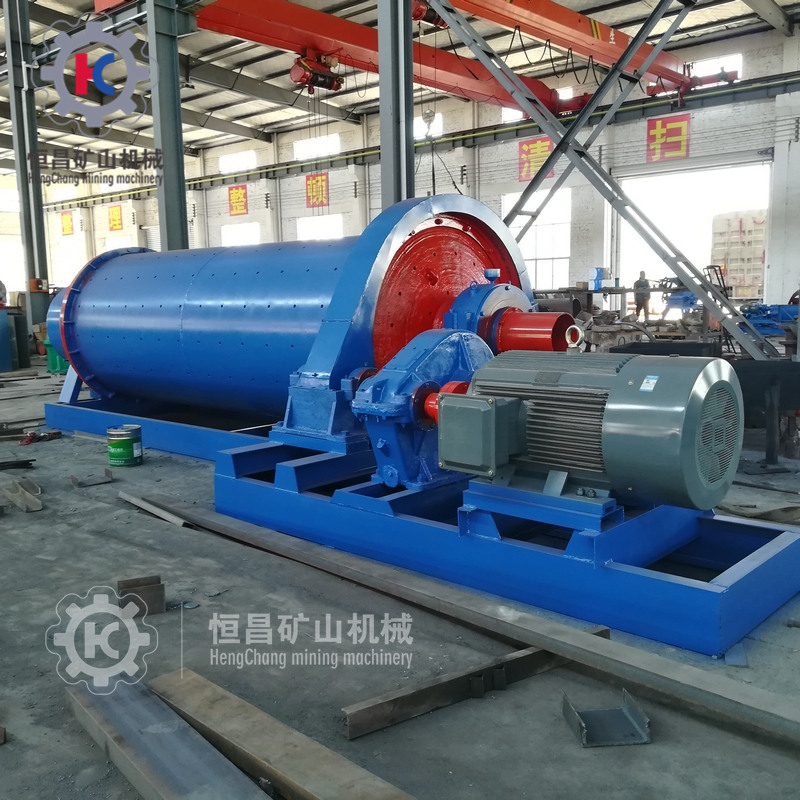
After crushing, the ore goes to the ball mill. For 100 TPD, a ball mill with a capacity of 100–150 TPD is common. Models like 1200x2400, 1500x3000, or 900x1800 (if you have soft ore) are used.
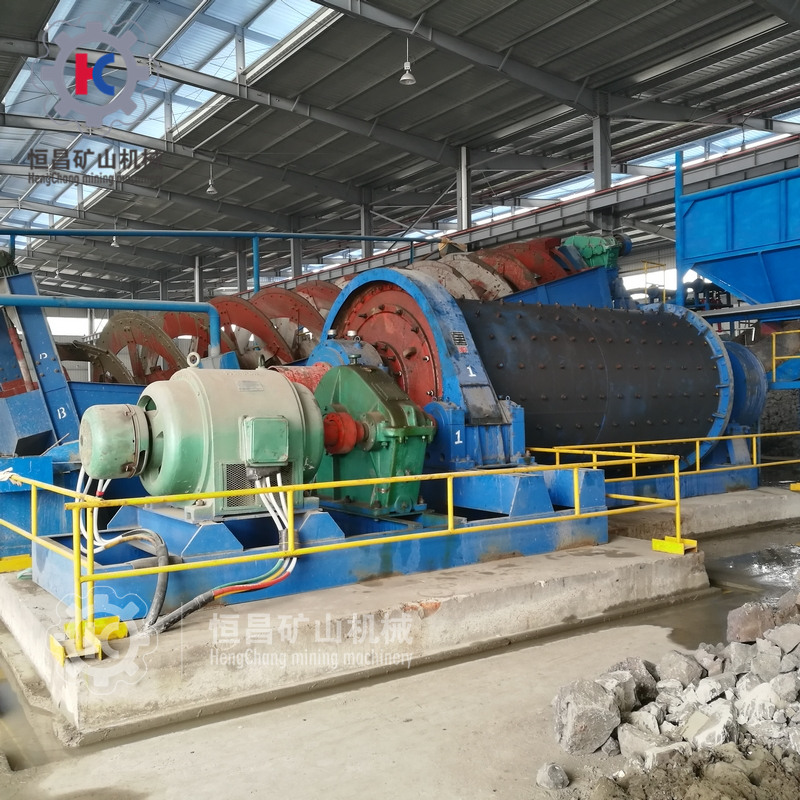
You want to grind to about 80% passing 200 mesh (75 microns). That’s usually the sweet spot for gold liberation. Too coarse, and gold stays locked in rock. Too fine, and you lose gold in slimes and increase reagent consumption.
Use a spiral classifier or hydrocyclone in closed circuit with the ball mill. This controls the grind size and sends coarse particles back for more grinding. Hengchang’s ball mills come with wear-resistant liners and can be configured with motor and reducer for stable operation.
A quick tip: if your ore has a lot of clay or is very hard, tell your supplier. They can adjust the mill speed, liner type, and ball charge.
Gravity Separation: Catch the Free Gold Early
This is where many small mines leave money on the table. If your ore has free gold—and many small gold mines do—you should install a gravity separator before CIL.
Why? Because free gold is heavy. It settles fast. If you send it straight to CIL, it may not leach completely in time. It can also get coated with cyanide or pass through the tanks. Gravity recovery catches that coarse gold early, and it’s cheap to operate.
Typical gravity equipment for 100 TPD:
Knelson concentrator or Falcon concentrator: For fine free gold.Shaking table: For cleaning the concentrate.
Jig or spiral chute: For pre-concentration in some ores.
Place the gravity separator after the ball mill and classifier. The underflow or cyclone underflow goes to the gravity unit. The concentrate goes to a shaking table, then to smelting. The tailings go to CIL.
Jiangxi Hengchang supplies gravity separators that are easy to adjust and don’t need much water. In a 100 TPD line, a gravity circuit can recover 20–60% of the gold before cyanidation. That’s a big win.
CIL Tank Layout: The Heart of Recovery
CIL stands for Carbon in Leach. It’s a proven method for small gold mines. The idea is simple: you leach gold with cyanide, and at the same time, activated carbon absorbs the gold. This saves time and improves recovery.
For a 100 TPD CIL plant, you typically need 6 to 8 tanks in series. The layout is important.
Here’s a common setup:
Leach tanks: 2–4 tanks. Here, cyanide dissolves gold.Adsorption tanks: 4–6 tanks. Here, carbon absorbs gold.
Total retention time: 24–48 hours. Longer for ores with slow leaching gold.
Tank sizing: 100 TPD solids at 40% pulp density gives about 250 m³/day of slurry. For 24 hours retention, you need about 250 m³ of tank volume. That could be 6 tanks of 3m diameter x 6m height (about 42 m³ each). Or 8 tanks of 3m x 5m.
The tanks are arranged in a stepwise or cascade layout. Slurry flows by gravity from one tank to the next. Carbon moves counter-current—from the last tank to the first. This means fresh carbon meets the lowest-grade solution, and loaded carbon exits from the first tank.
Key design points:
Agitators: You need efficient agitators to keep carbon and slurry suspended. Don’t use cheap agitators that settle. Hengchang CIL tanks use low-speed, high-efficiency agitators.Aeration: Some tanks need air to keep oxygen levels up for leaching.
Carbon transfer: Use air lifts or pumps to move carbon between tanks.
pH control: Keep pH 10.5–11.5 with lime. This protects cyanide and helps carbon.
Cyanide concentration: Usually 0.05–0.1% NaCN. Test your ore.
After CIL, the loaded carbon goes to elution, electrowinning, and smelting. You can also add a cyanide destruction step if needed.
Real Cases: 100 TPD Gold Lines That Work
Let’s look at some practical examples. These are based on typical projects and feedback from operators.
Domestic case – Yunnan, China A small underground gold mine had a 100 TPD line with a jaw crusher, ball mill, and simple CIL. Recovery was around 82%. They added a gravity separator (Knelson) before CIL and upgraded the CIL tank agitation. The new setup from Jiangxi Hengchang included a PE 400x600 jaw crusher, 1200x2400 ball mill, gravity concentrator, and 6 CIL tanks. Recovery went to 92–93%. The mine reported payback in under a year.
International case – Tanzania A 100 TPD hard rock gold project in Tanzania used a crushing circuit, ball mill, gravity separator, and CIL. The ore had coarse free gold. With Hengchang equipment, they achieved 91% recovery. The gravity circuit alone captured about 35% of the gold. The CIL tanks were 3m x 6m, 6 tanks, with a retention time of 28 hours. The plant runs 20 hours a day.
International case – Zimbabwe A small gold mine in Zimbabwe installed a 100 TPD line with a hammer crusher, ball mill, shaking table, and CIL. They had issues with over-grinding and carbon fouling. After switching to a closed-circuit ball mill and proper CIL tank layout from Hengchang, recovery improved from 78% to 88%. The key was controlling grind size and keeping carbon moving.
International case – Philippines A 100 TPD gold tailings reprocessing project used gravity separation and CIL. The tailings had fine gold. With a Falcon concentrator and 8 CIL tanks, they recovered 90% of the gold. The CIL layout used a cascade flow, and carbon was moved with air lifts.
These cases show a pattern: the right equipment configuration and tank layout can add 8–15 percentage points of recovery. That’s real money.
Application Scenarios for 100 TPD Gold Lines
A 100 TPD line fits many small-scale situations:
Small underground mines: Where you need a compact plant near the shaft.Small open-pit mines: Where ore is trucked to a central plant.
Tailings reprocessing: Old tailings often have 1–3 g/t gold left. A 100 TPD CIL plant can be very profitable.
Remote areas: Modular design, low power, easy to transport.
Start-up mines: Low capital, quick payback, room to expand.
If your ore has high clay, high sulfide, or preg-robbing carbon, tell your supplier. You may need pre-treatment or different CIL conditions.
Tips to Boost Recovery in Your 100 TPD Line
Test your ore first. A simple bottle roll test and gravity test will tell you how much free gold you have and how much cyanide you need.Don’t skip gravity. Even 20% gravity recovery reduces load on CIL and improves overall recovery.
Control grind size. 80% passing 200 mesh is a good target. Adjust with your classifier.
Design CIL tanks for enough retention time. 24–48 hours. Don’t rush it.
Keep carbon clean and active. Use good quality coconut shell carbon, 6–16 mesh. Regenerate it.
Use reliable equipment. Downtime kills small mines. Brands like Jiangxi Hengchang Mining Machinery Equipment have a track record in small gold plants worldwide.
Final Thoughts
A 100 TPD gold processing line is a practical, profitable size for small mines. The equipment configuration—crusher, ball mill, gravity separator, and CIL tank layout—must work together. If you get it right, you can boost recovery from 80% to 90%+.
Jiangxi Hengchang Mining Machinery Equipment has supplied complete 100 TPD gold lines to projects in China, Africa, Southeast Asia, and South America. They offer jaw crushers, ball mills, gravity separators, CIL tanks, and full plant design. If you’re planning a small gold plant, start with a good ore test, then talk to a supplier who understands small mines.
Remember: recovery is not just about one machine. It’s about the whole flow. Get the layout right, and your gold will end up in the smelting room—not in the tailings.