Chinese


500 TPD Tin Ore Processing Plant: Optimize Gravity Separation Flow to Recover Fine Tin and Lower Costs by 30% for Profitable Mining
Tin ore is not gold. You can’t just crush it, run it over a shaking table, and expect to make money. Tin cassiterite is brittle, often fine-grained, and loves to report to the slime fraction. If your 500 TPD tin ore processing plant is losing fine tin, you are literally washing profit into the tailings pond.
The good news? A well-designed tin ore gravity separation flow can recover more fine tin, cut water and power costs, and in many cases reduce overall operating costs by around 20–30% compared with a poorly optimized layout. That is the difference between a marginal tin project and a profitable mine.
This article breaks down how to optimize a 500 TPD tin processing plant, with real-world application scenarios and success cases from China and overseas. We’ll also show where Jiangxi Hengchang Mining Machinery Equipment fits into the picture.
Why 500 TPD Is a Sweet Spot for Tin Mining
A 500 TPD tin ore processing plant is a practical size for small to medium mines. It is big enough to generate serious cash flow, but not so big that you need a massive capex or years of permitting. It also works well for tailings reprocessing and alluvial tin projects.
But 500 TPD also means you cannot afford waste. Every ton of ore you process has a cost. Every gram of tin you lose is lost revenue. So the flow sheet must be tight.
The Real Problem: Fine Tin Loss
Tin is heavy—specific gravity around 6.8–7.0. Gravity separation is the most cost-effective way to recover it. No chemicals, no expensive reagents, low environmental impact.
The problem is fine tin. When cassiterite is ground too fine, it becomes slime. Slime is hard to recover with classic jigs and tables. Many 500 TPD tin plants lose 20–40% of their fine tin in the slime fraction.
Common mistakes include:
Overgrinding the ore and creating too many slimes.Using only one shaking table for all size fractions.
Not desliming before gravity separation.
Poor water control and inconsistent feed density.
Ignoring middlings and recirculating loads.
Fix these, and your recovery and cost numbers change fast.
Optimized Gravity Separation Flow for a 500 TPD Tin Plant
Here is a practical flow that works for hard rock tin, alluvial tin, and tin tailings. It is not a copy-paste layout—your ore test will decide the final numbers—but it gives you the right structure.
1. Crushing and Screening: Don’t Over-Crush
Use a jaw crusher for primary crushing, then a cone crusher or hammer crusher for secondary crushing. Close the circuit with a vibrating screen. The goal is to liberate tin without making too many fines too early.
For 500 TPD, a two-stage crushing circuit is usually enough. If your ore is clay-rich alluvial tin, start with a trommel scrubber instead.
2. Grinding: Control the Size, Protect the Tin
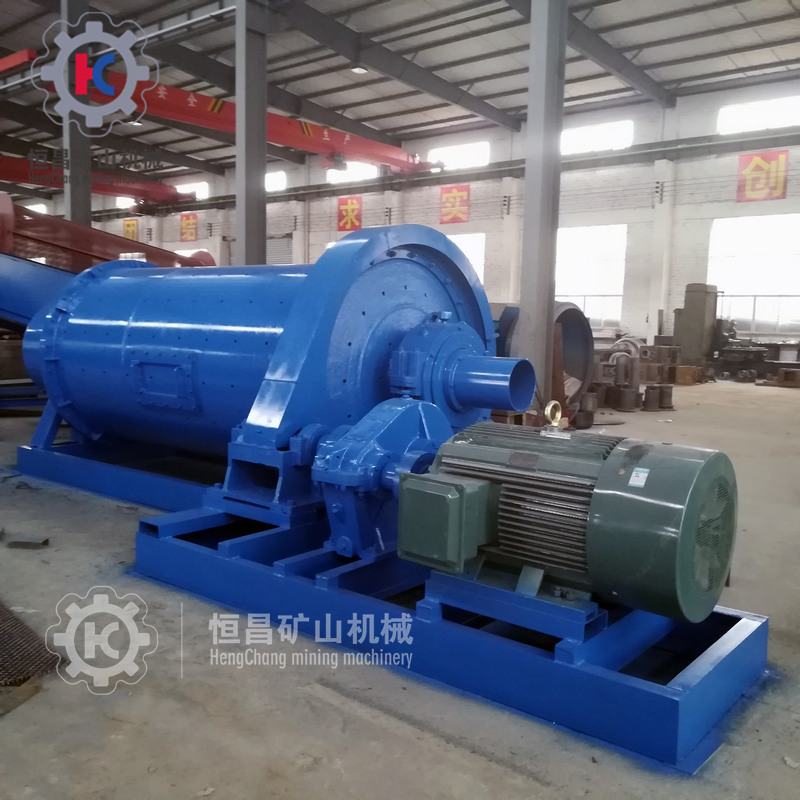
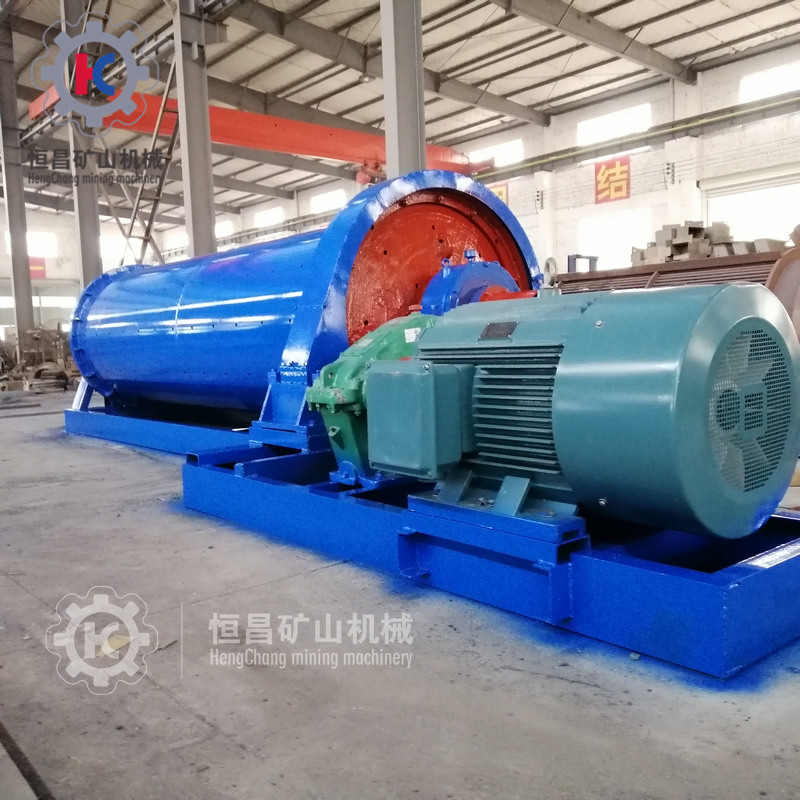
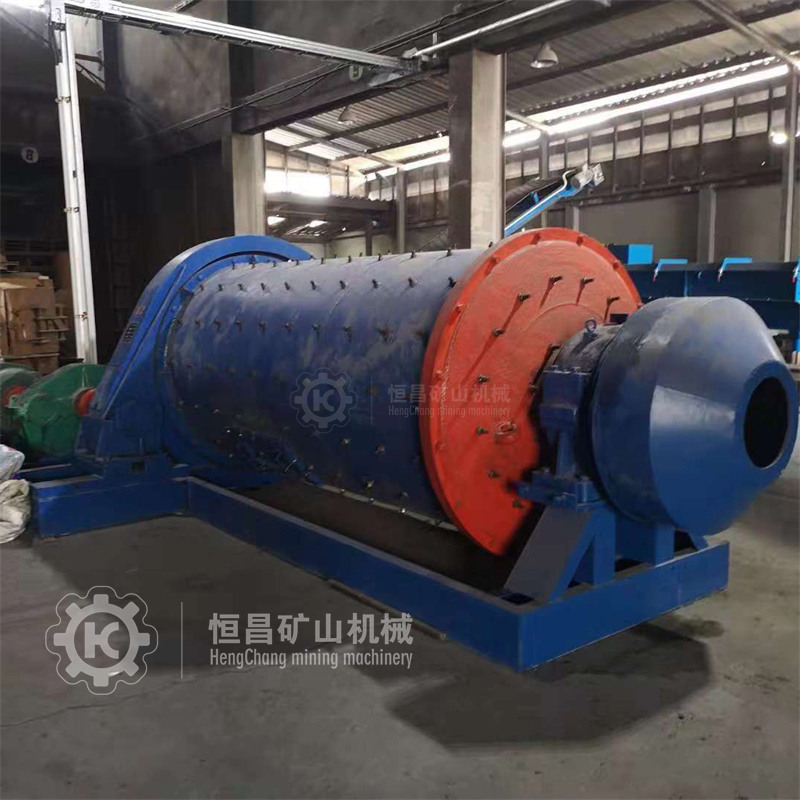
Tin cassiterite is brittle. A rod mill or ball mill in closed circuit with a spiral classifier or hydrocyclone works, but you must control the grind size. Target liberation, not powder.
If you grind to -200 mesh when you only need -100 mesh, you create slimes and your cost per ton goes up. Jiangxi Hengchang Mining Machinery Equipment often recommends a rod mill for tin because it produces less slime than a ball mill.
3. Desliming and Classification: The Step Most Plants Skip
Before gravity separation, remove the ultra-fine slimes and split the feed into size fractions. Use a hydrocyclone, spiral classifier, or vibrating screen deck.
Why? Because a jig works best on coarse particles. A shaking table works best on fine sand. A centrifugal concentrator works on slimes. If you feed everything to one unit, you lose tin in every size range.
4. Coarse Tin Recovery: Jig Separator
For particles from about 30 mm down to 0.5 mm, a jig separator is a workhorse. It handles high capacity, uses little water, and recovers coarse tin efficiently. A trapezoid jig from Jiangxi Hengchang is a common choice for 500 TPD tin plants.
5. Fine Tin Recovery: Shaking Table
For 2 mm to 0.037 mm, the 6-S shaking table is still the best gravity concentrator for tin. It gives a clean concentrate and is easy to operate. But you need the right feed density and stroke. Many plants run tables too fast or too slow and lose fine tin.
Use multiple tables in series or parallel depending on your tonnage. Rougher, cleaner, and scavenger stages make a big difference.
6. Slime Tin Recovery: Centrifugal Concentrator + Slime Table
This is where the money is. For -0.037 mm slimes, use a centrifugal concentrator to grab fine tin, then clean the concentrate on a slime shaking table. Some plants also use spiral chutes for middlings.
If you skip this step, you are throwing away fine tin. In many 500 TPD tin projects, adding a centrifugal concentrator and slime table increases overall recovery by 8–15%.
7. Middlings and Tailings: Recirculate, Don’t Dump
Middlings from the tables and jigs should be reground or re-processed. Tailings should go to a thickener. Recycle the water back to the plant. This alone can cut water costs by 50–70%.
Where Jiangxi Hengchang Mining Machinery Equipment Fits In
Jiangxi Hengchang Mining Machinery Equipment is not just selling one machine. They design complete tin ore processing plants, from crushing and grinding to gravity separation and dewatering.
Their product line for tin mining includes:
Jaw crushers, cone crushers, hammer crushersRod mills, ball mills, spiral classifiers, hydrocyclones
Jig separators, spiral chutes, 6-S shaking tables
Centrifugal concentrators, sluice boxes
Trommel scrubbers for alluvial tin
Thickeners, filter presses, water recycling systems
What makes Hengchang useful for a 500 TPD tin plant is their ore testing and flow design. They will test your ore, check the liberation size and slime content, then recommend a flow that targets your specific tin size range. That is how you avoid buying the wrong equipment.
Domestic Success Case: Yunnan Hard Rock Tin Plant
In Yunnan, China, a 500 TPD hard rock tin plant was struggling with low recovery. The feed grade was around 0.4% Sn, and about half the tin was in the -0.074 mm fraction. The old flow used a single jaw crusher, ball mill, and one shaking table. Recovery was stuck at 60–65%.
After redesign with Jiangxi Hengchang equipment, the plant added:
A rod mill to reduce overgrindingA hydrocyclone for desliming
A jig separator for coarse tin
A centrifugal concentrator and slime table for fine tin
Water recycling from the thickener
The result: tin recovery increased to around 78–82%, and operating cost per ton dropped by roughly 28%. The payback on the new gravity equipment was under 12 months.
International Success Case: Indonesia Alluvial Tin
In Indonesia’s Bangka-Belitung region, a 500 TPD alluvial tin operation had clay-rich feed. The old plant used a simple sluice box and lost a lot of fine tin. The clay blinded the screen and made gravity separation unstable.
Jiangxi Hengchang supplied a trommel scrubber, jig separator, and shaking table combination. The scrubber broke up the clay. The jig recovered coarse tin. The tables cleaned the fine concentrate. Water recycling cut fresh water use by more than half.
Recovery improved from around 65% to 85–88%. The mine reported lower diesel and pumping costs, with overall plant operating costs down about 25–30%.
Another Case: Nigeria Tin Tailings Reprocessing
In Nigeria’s Jos Plateau, a 500 TPD tin tailings project was reprocessing old tailings. The tin was very fine and oxidized. A spiral chute and shaking table alone only recovered 45–50%.
With Hengchang’s recommendation, the plant added a centrifugal concentrator before the tables. Recovery climbed to around 70%, and the cost per ton of tin concentrate dropped because the plant processed less waste. This is a classic example of fine tin recovery turning a tailings pile into a profitable resource.
How Costs drop by 30%
You do not cut costs by buying cheap equipment. You cut costs by designing the flow right.
Power: Less overgrinding and proper conveyor layouts reduce mill and pump load.Water: Recycling thickener overflow cuts fresh water and pumping costs.
Maintenance: Wear-resistant linings and correct equipment sizing reduce downtime.
Recovery: Every 1% extra tin recovery adds significant revenue at 500 TPD.
Labor: A simple, well-instrumented gravity plant needs fewer operators.
When these add up, a 20–30% reduction in operating cost is realistic for many tin mines. Not a magic number, but a practical target when the flow is optimized.
Application Scenarios
A 500 TPD tin ore processing plant can be applied to:
Hard rock tin mines: Cassiterite in quartz veins, often with wolframite or tantalum.Alluvial/placer tin: River sand and gravel with clay, common in Southeast Asia and Africa.
Tin tailings reprocessing: Old mine dumps and concentrator tailings.
Polymetallic tin: Gravity pre-concentration before flotation or magnetic separation.
Each scenario needs a different balance of scrubbing, crushing, grinding, and fine tin recovery.
Final Tips Before You Buy
Test your ore first. Do not buy equipment based on a photo or a price list.Plan for slimes. If your ore has fine tin, budget for centrifugal concentrators and slime tables.
Do not overgrind. Tin is brittle. Liberate, don’t pulverize.
Work with a complete plant supplier. Jiangxi Hengchang Mining Machinery Equipment can design, manufacture, install, and train your team.
Focus on recovery, not just capex. A cheaper plant that loses fine tin is the most expensive plant you can buy.
Bottom Line
A 500 TPD tin ore processing plant can be highly profitable—if you optimize the gravity separation flow and recover fine tin. Use the right combination of jigs, shaking tables, spiral chutes, and centrifugal concentrators. Recycle water. Control grind size. And work with a partner who understands tin, not just generic mining equipment.
Jiangxi Hengchang Mining Machinery Equipment has the experience and the full equipment line to help you build a 500 TPD tin plant that recovers more, costs less, and runs reliably. If you are planning a tin project, start with an ore test and a proper flow design. Your profit is in the fine tin. Go get it.