Chinese


500 TPD Tin Ore Processing Plant Investment Cost and Payback Period: Key Budget Items Miners Must Know Before Equipment Selection
So you're planning a 500 TPD tin ore processing plant. Maybe you've got a deposit, maybe you're upgrading an old operation. The first question is always the same: how much will it cost, and how fast can I get my money back?
Here's the truth—no honest supplier can give you a real number until they know your ore. But there are budget items every miner should understand before signing an equipment contract. Get these wrong, and your payback period can double.
Let's break it down.
What Does 500 TPD Actually Mean?
500 TPD means 500 tonnes per day of feed. Run 300 days a year, and that's 150,000 tonnes per year. For tin, that's a small-to-medium plant.
Alluvial tin? Lower capex. Hard rock tin? Higher capex. A simple alluvial gravity plant might cost $180,000–$450,000. A hard rock plant with crushing, grinding, and tailings handling can run $500,000–$1.2 million. Add full automation, power, and a tailings dam, and you're looking at $1.5 million or more.
These are ballpark figures. Your ore test work will move the number.
Key Budget Items Before Equipment Selection
Don't just compare jig prices. The plant is a system. Here's where the money goes.
1. Test Work and Engineering
This is 5–10% of your capex, and it's the best money you'll spend. Tin is brittle. If you overgrind it, you create slime and lose fine tin. Mineralogy, liberation size, and slime content decide your flowsheet. Skip this, and you'll buy the wrong equipment.
2. Feed Preparation
Alluvial ore needs a trommel scrubber or rotary scrubber to wash clay. Hard rock needs jaw crusher, cone crusher, and screening. If your feed is sticky, add water and a scrubber. This stage can be 15–25% of equipment cost.
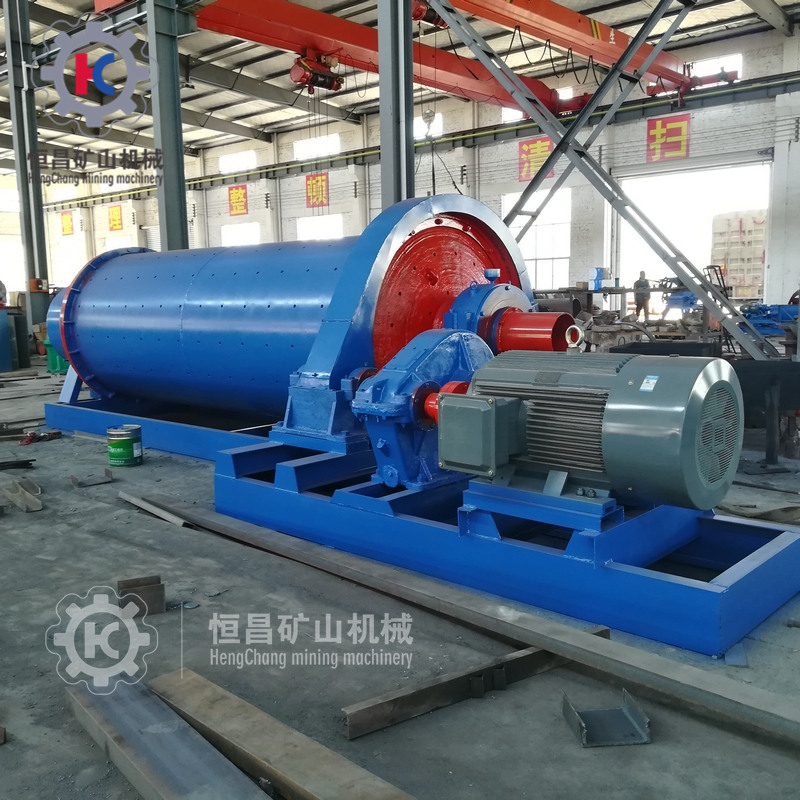
3. Grinding and Classification
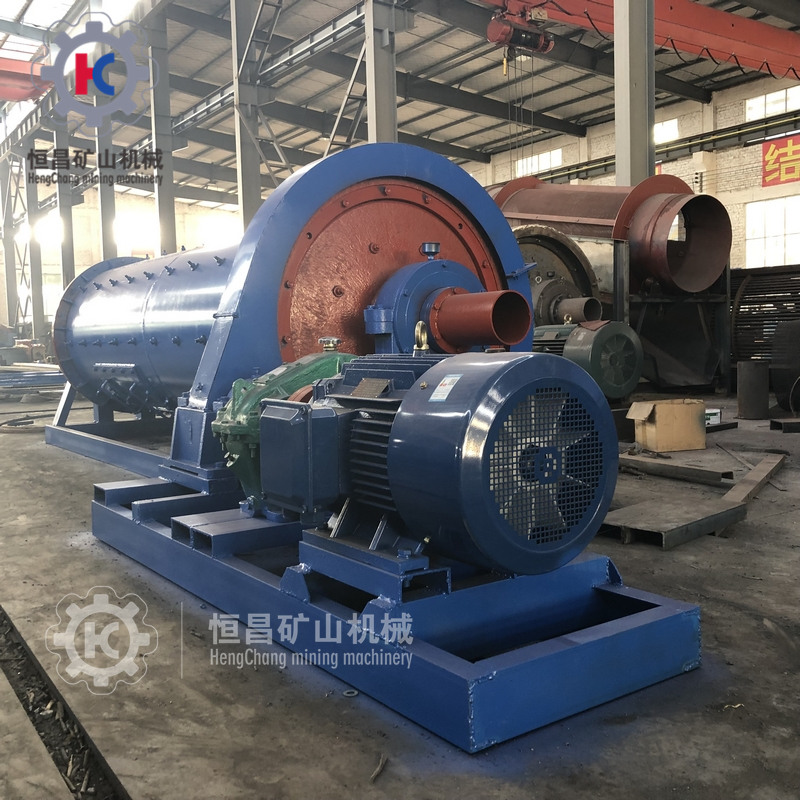
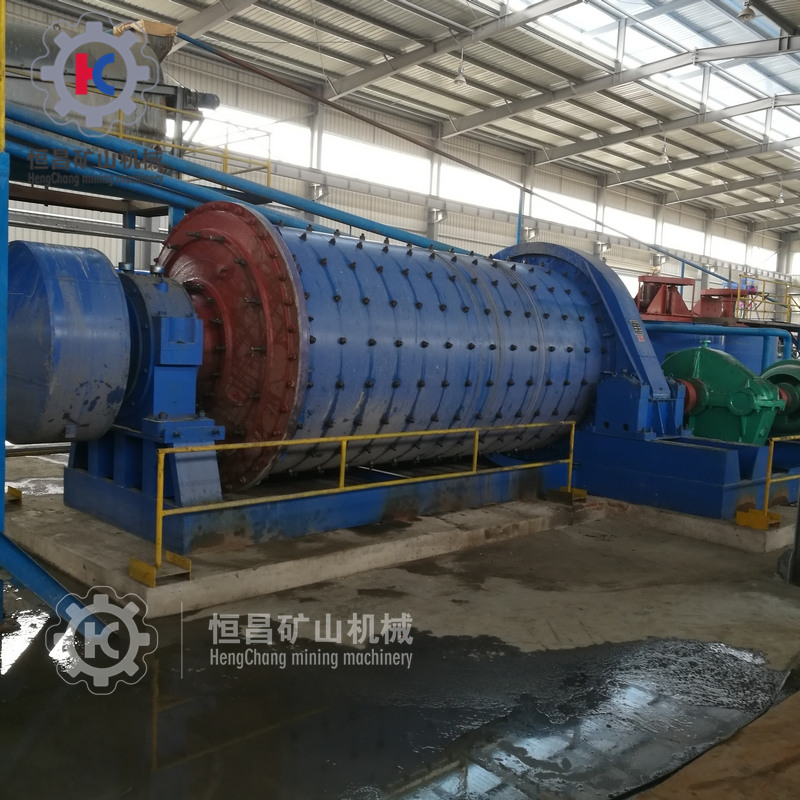
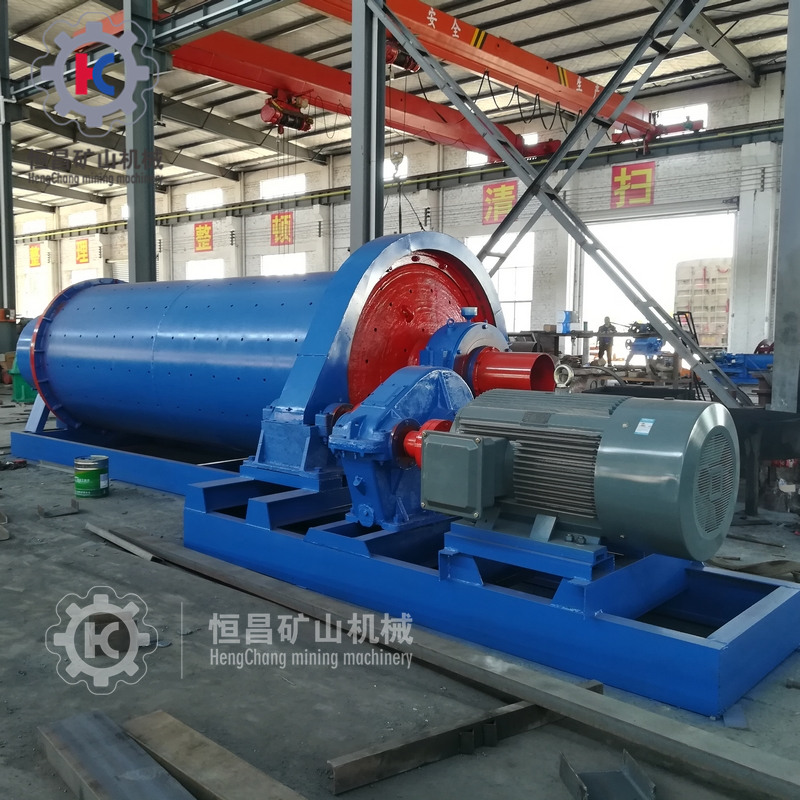
Ball mill, spiral classifier, hydrocyclone. For tin, stage grinding is better than one big mill. You want to liberate cassiterite without turning it into dust. A 500 TPD plant might use a 900×1800 ball mill or similar, depending on hardness.
4. Gravity Separation Circuit
This is the heart of tin processing. Coarse tin: jig concentrator. Medium: spiral chute. Fine: shaking table. Ultra-fine: centrifugal concentrator. A typical 500 TPD tin plant uses jigs plus shaking tables. Jigs handle 0–30 mm, tables handle 0–2 mm. Budget 20–30% of equipment cost here.
5. Magnetic and Electrostatic Separation
If your tin is mixed with magnetite, ilmenite, or monazite, you'll need magnetic separation or electrostatic separation to clean the concentrate. Not every project needs it, but it's a line item.
6. Slurry, Water, and Power
Pumps, pipes, water recycling, generators, transformers. Water is a big cost in dry regions. A 500 TPD plant needs roughly 100–300 m³/h of water, depending on recycling. Power can be 100–300 kW. Don't forget this.
7. Tailings and Environmental
Thickener, filter press, tailings pond, permits, closure cost. This can be 10–20% of capex. Regulators will ask. Budget for it early.
8. Civil Works, Installation, and Commissioning
Foundations, steel structure, erection, piping, electrical. This often equals 20–30% of equipment cost. If you buy equipment only and forget installation, you'll blow your budget.
9. Spares, Training, and Working Capital
Wear parts: jig beds, table decks, screens, pump liners. Budget 5–10% of equipment cost per year. Working capital: 3–6 months of operating costs. Many miners forget this and run out of cash.
Payback Period: The Math That Matters
Payback is simple in theory:
Annual revenue = 500 tpd × 300 days × head grade × recovery × tin price
Annual profit = revenue – operating cost – royalties – taxes
Payback = total investment ÷ annual profit
Let's run a realistic example. Head grade 0.25% Sn, recovery 65%, tin price $28,000/t. Annual revenue = 150,000 × 0.0025 × 0.65 × 28,000 = $6.825 million. Operating cost at $35/t = $5.25 million. Profit before tax = $1.575 million. If total investment is $800,000, payback is about 6 months.
But if grade drops to 0.15%, revenue falls to $4.1 million, and payback can stretch to 3–4 years. That's the risk.
For most 500 TPD tin projects, a reasonable payback is 1–3 years if grade is decent and recovery is over 65%. Low-grade or complex ore can take 4–6 years. Don't let anyone promise 3 months without test work.
Real-World Cases: Domestic and International
China, Yunnan Province – Hard Rock Tin
In the Gejiu tin mining area, a 500 TPD hard rock plant processes fine-grained cassiterite. The circuit uses jaw crusher, cone crusher, ball mill, jig concentrator, and shaking tables. The operator switched to Jiangxi Hengchang Mining Machinery Equipment for the gravity separation section. Jigs recover coarse tin before grinding, and tables clean the fine concentrate. Recovery stabilized around 68%, and payback was about 2 years. The key was stage grinding—avoiding overgrinding.
Nigeria, Jos Plateau – Alluvial Tin-Columbite
A 500 TPD alluvial tin-columbite plant on the Jos Plateau uses a rotary scrubber, trommel, jigs, and shaking tables. Feed grade is relatively high, and the plant runs 300 days a year. Total investment was around $350,000. With good recovery, the owner reported payback within 14–18 months. Jiangxi Hengchang supplied the jig and table package, plus a water recycling system.
Indonesia, Bangka-Belitung – Alluvial Tin
In Bangka-Belitung, a 500 TPD alluvial tin operation uses a scrubber, trommel, and jig circuit. The area has a long history of tin mining. The plant uses Jiangxi Hengchang jigs for coarse recovery and shaking tables for fines. Payback was around 18 months, helped by low stripping ratio and easy washing.
Bolivia – Underground Hard Rock Tin
A 500 TPD underground tin mine in Bolivia has harder ore and higher capex—over $1.2 million. Recovery is around 60% due to fine dissemination. Payback is longer, around 4 years. This shows why ore type matters more than plant size.
Equipment Selection Tips to Protect Your Payback
Test first. Never buy a jig or table without a lab test. Tin ore varies wildly.Recover coarse tin early. Jigs before ball mill can save energy and reduce slime.
Avoid overgrinding. Use stage grinding and classification. Fine tin is hard to recover.
Size the plant right. 500 TPD is about 20–25 t/h if you run 20 hours. Don't buy a 50 t/h mill "just in case."
Choose a supplier with tin experience. Jiangxi Hengchang Mining Machinery Equipment has built many tin gravity plants. They can help with flowsheet design, equipment selection, and commissioning. Ask for references in similar ore.
Budget hidden costs. Installation, spares, working capital, permits. These can be 40% of your total investment.
Final Thoughts
A 500 TPD tin ore processing plant is not a fixed-price item. Alluvial projects can start under $450,000. Hard rock projects often need $800,000–$1.5 million. Payback usually falls between 1 and 3 years for good ore, but it can be longer. The biggest budget killers are wrong equipment, overgrinding, and missing working capital.
Before you buy any tin mining equipment, do test work, design the flowsheet, and talk to a supplier who knows tin. Jiangxi Hengchang Mining Machinery Equipment is a good place to start—they offer jigs, shaking tables, scrubbers, ball mills, and complete plant design. Get a realistic quote, then run your own payback numbers. That's how you turn a 500 TPD tin plant into a profitable operation.