Chinese


1000 TPD Copper Ore Processing Plant Cost Breakdown: Equipment Selection, Water Use, Labor, Layout, Investment, Payback, and Hidden Fees for New Investors
If you are planning a 1000 TPD copper ore processing plant, the biggest mistake is to look only at the price of a ball mill or a set of flotation cells. The real cost lives in water, power, labor, layout, and the hidden fees that never appear in the first quotation.
This guide breaks down the numbers in plain English. Whether you are in Zambia, Peru, Chile, Indonesia, or Yunnan, China, the same cost logic applies. And if you want a supplier who can help you control the whole line, Jiangxi Hengchang Mining Machinery is one name worth putting on your shortlist.
What Does 1000 TPD Really Mean?
1000 TPD means 1,000 tonnes of ore per day. If you run 24 hours, that is about 42 tonnes per hour. If you run 20 hours, it is 50 tonnes per hour.
But the cost does not depend on tonnage alone. It depends on:
Copper grade: 0.3% vs 1.0% changes everything.Ore type: oxide, sulfide, mixed, clay-heavy, hard rock.
Recovery: 80% vs 90% is a huge money difference.
Water and power distance: near a river or in the desert.
Local labor cost and skills.
A 1000 TPD plant is a sweet spot for new investors. It is small enough to control, but big enough to make real money if the grade is decent.
Equipment Selection & Cost
For a 1000 TPD copper sulfide ore, a typical flow is: crushing → grinding → flotation → thickening → filtering → tailings.
Here is a rough equipment budget:
| Stage | Typical Equipment | Cost Range (USD) |
|---|---|---|
| Crushing | Jaw crusher + cone crusher + screen | $80,000 – $150,000 |
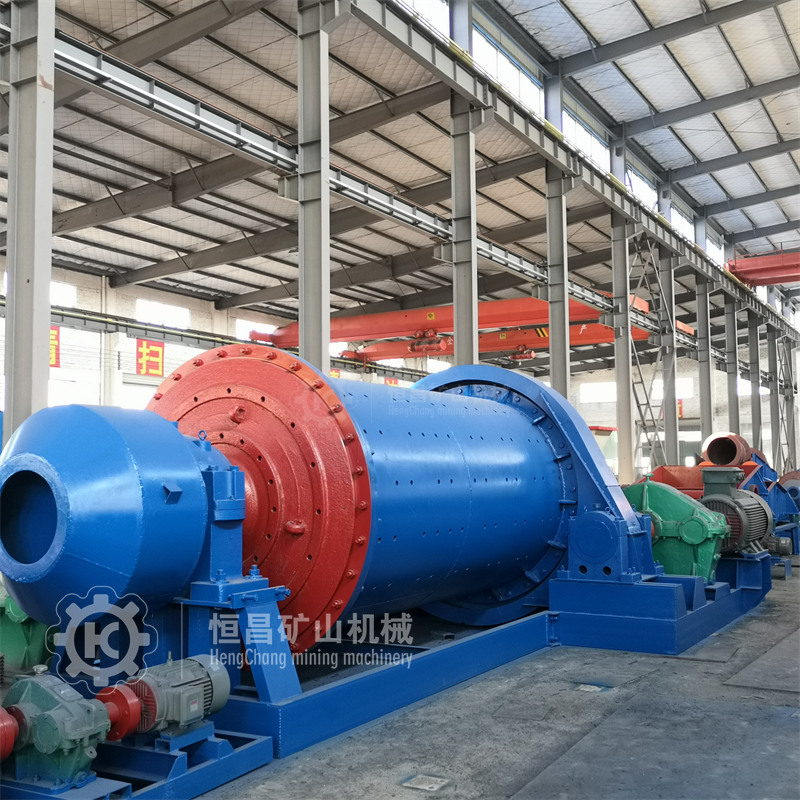
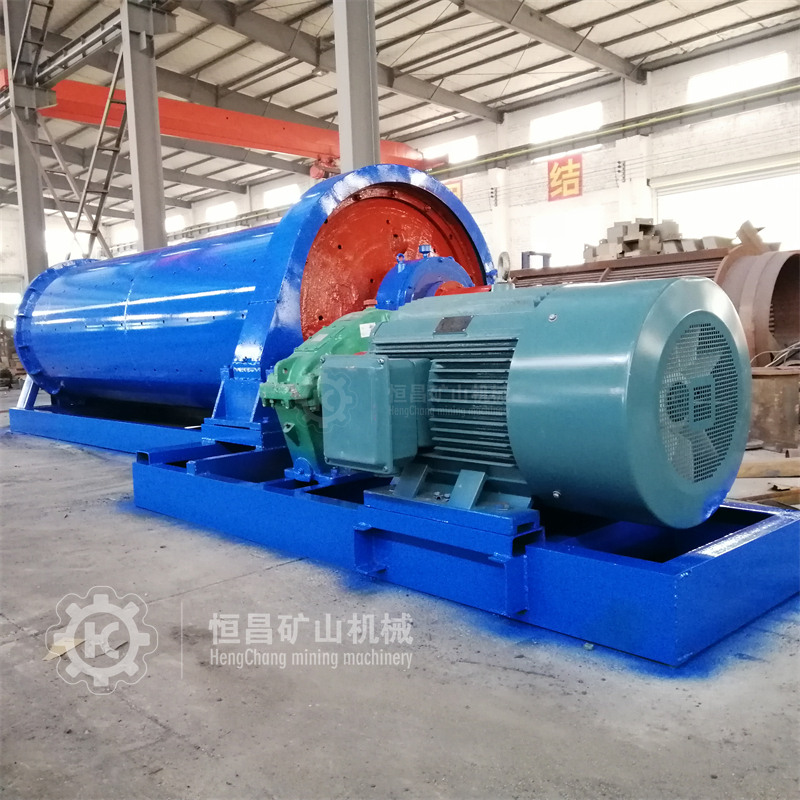
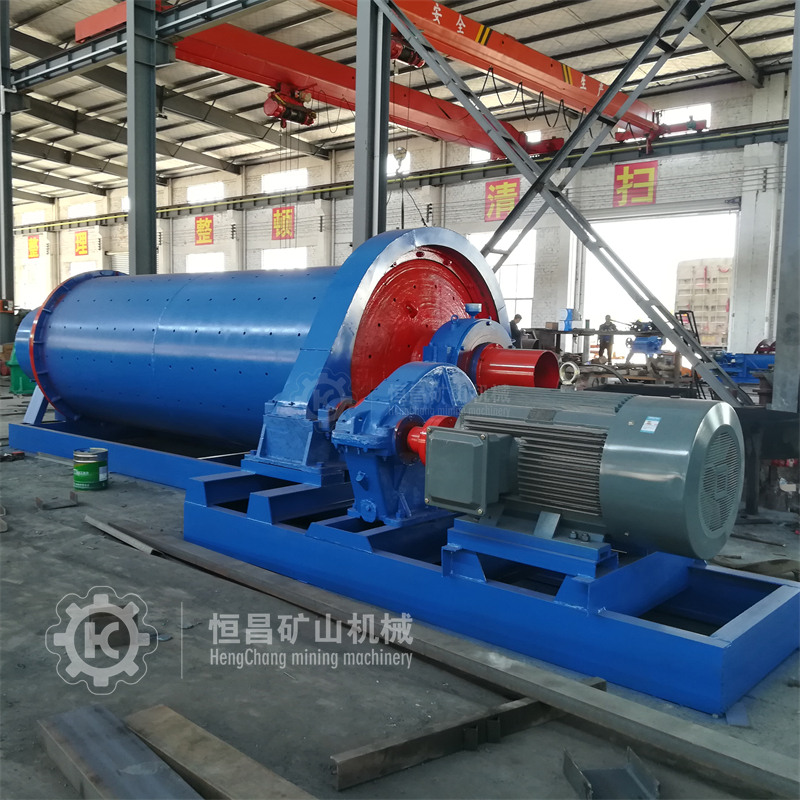
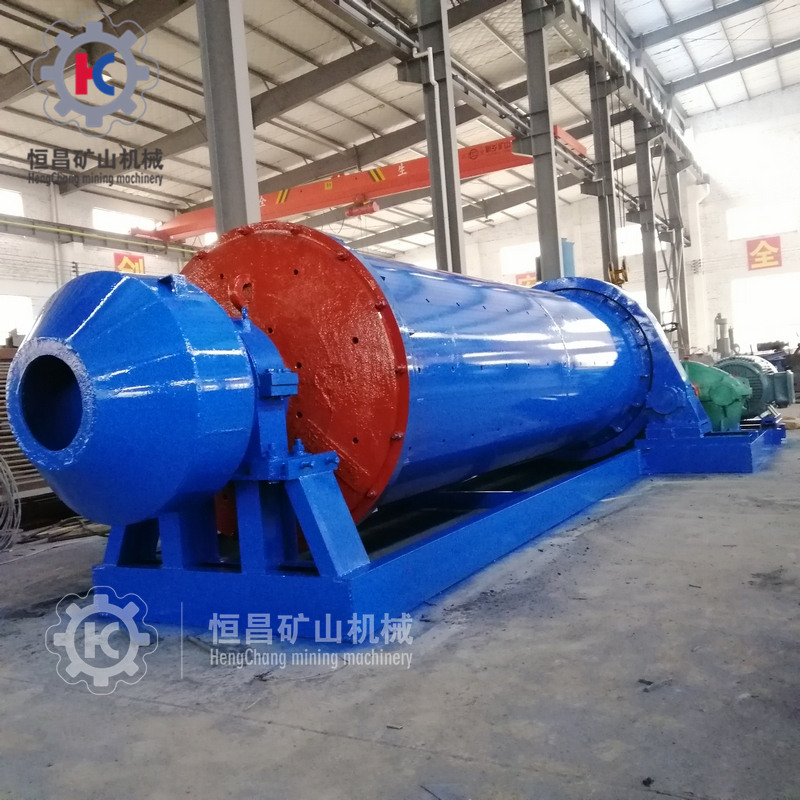
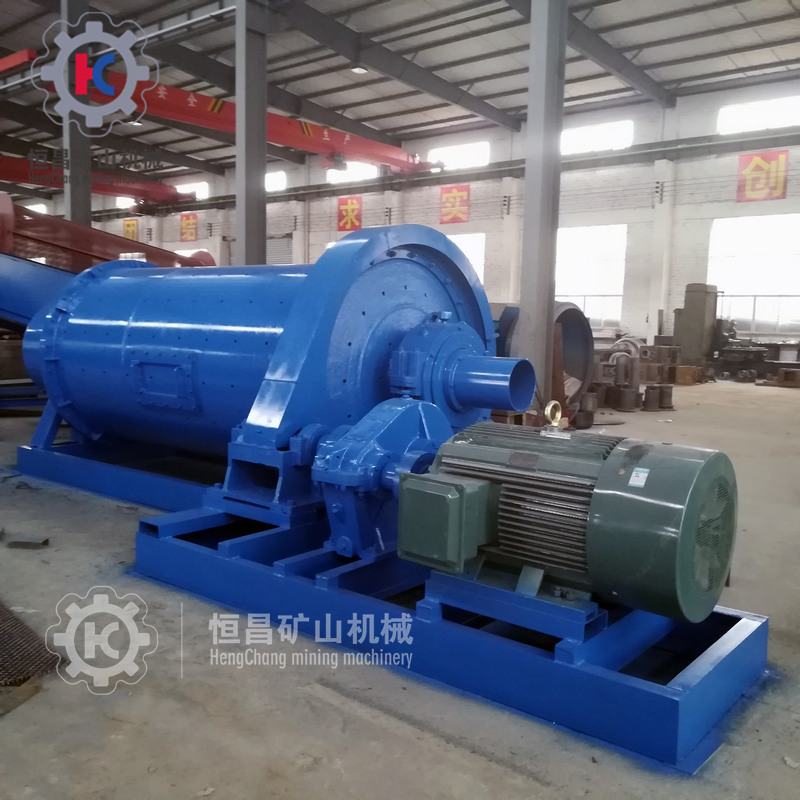
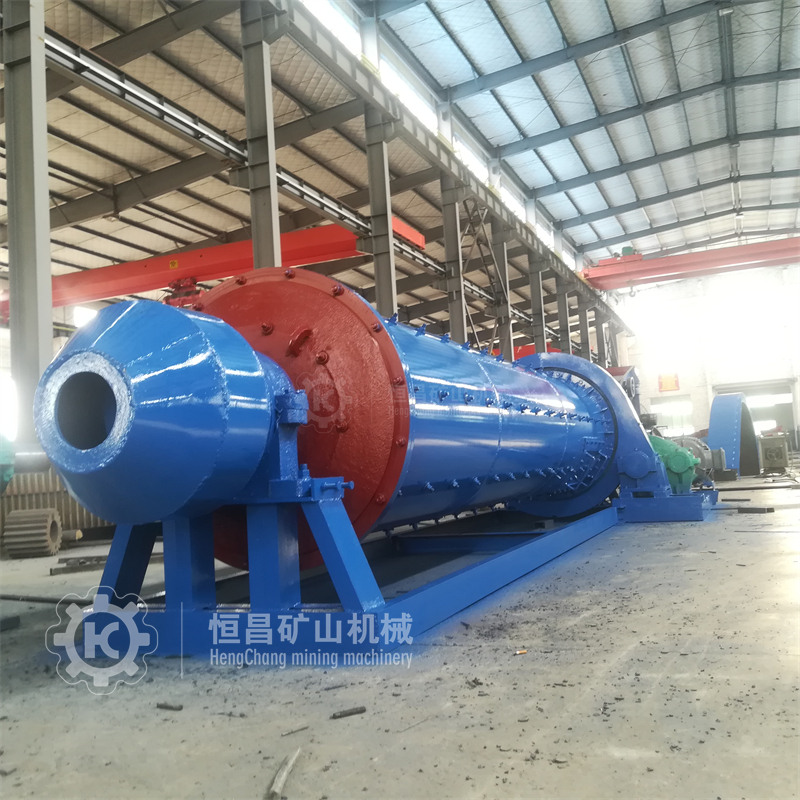
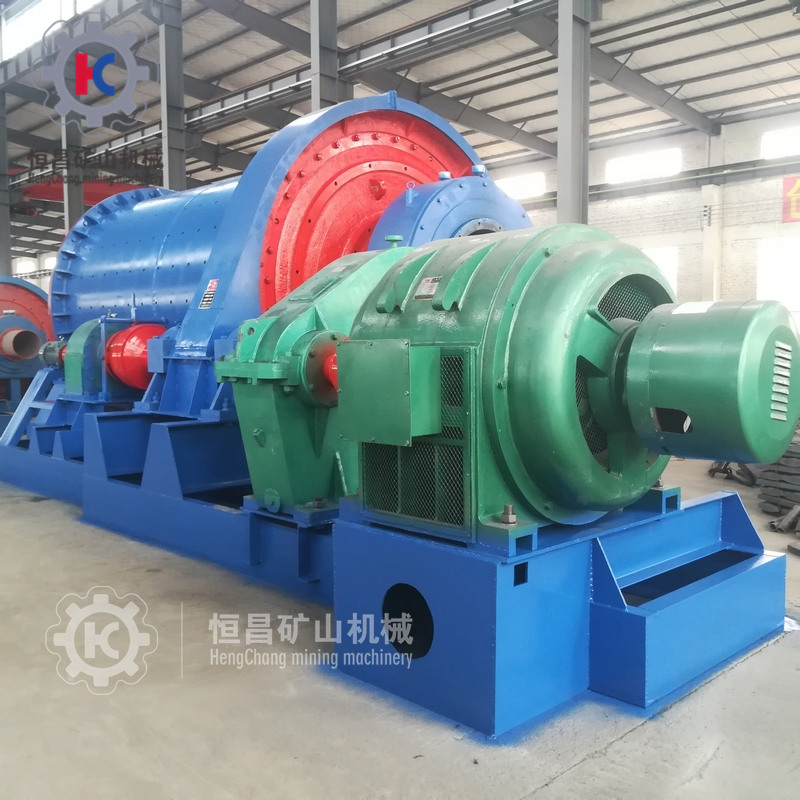
| Grinding | Ball mill + classifier or hydrocyclone | $150,000 – $300,000 |
| Flotation | Rougher, scavenger, cleaner cells | $60,000 – $150,000 |
| Thickening | Concentrate thickener, tailings thickener | $50,000 – $120,000 |
| Filtering | Disc filter or filter press | $30,000 – $80,000 |
| Pumps & pipes | Slurry pumps, water pumps, piping | $30,000 – $80,000 |
So the main equipment alone runs $400,000 to $880,000. If you choose a turnkey supplier like Jiangxi Hengchang Mining Machinery, you can often get the whole line designed, manufactured, and shipped together. That saves money on mismatched parts and costly rework.
For copper oxide ore, you may need leaching tanks, agitators, and a different recovery circuit. That usually adds 20–40% to the equipment cost.
Water Use: The Cost You Cannot Ignore
Copper flotation uses a lot of water. For 1000 TPD, expect 1.5 to 3.0 m³ per tonne of ore. That is 1,500 to 3,000 m³ per day.
But here is the good news: with a closed-circuit thickener and tailings dam return, you can recycle 70–85% of that water. Make-up water drops to 300–600 m³ per day.
If fresh water costs $0.50–$2.00 per m³, your daily water bill is only $150 to $1,200. But if you are in a dry area and need to pump from far away, the pumping cost can double or triple that number.
Hengchang often helps clients design a water recycling system from day one. That is not just green talk. It directly cuts your monthly operating cost.
Labor: How Many People Do You Need?
A 1000 TPD plant usually needs 20 to 40 workers across three shifts. That includes:
Plant managerMetallurgist / lab technician
Crusher and mill operators
Flotation operators
Maintenance team
Electrician
Security and loaders
In Africa or South America, monthly payroll may be $10,000 to $25,000. In China, it may be $15,000 to $30,000. Add training, housing, and safety gear, and you should budget $120,000 to $350,000 per year.
Do not cut corners on the metallurgist. One good person can improve recovery by 2–3%, which is worth far more than their salary.
Layout & Infrastructure
A 1000 TPD copper plant needs about 3,000 to 8,000 m² of land. The layout should follow gravity as much as possible:
Crushing near the pit or stockpile.Grinding and flotation on a concrete pad.
Thickener and tailings dam downhill.
Water pond and recycle pump nearby.
Power demand is 500 to 1,200 kW. If you are off-grid, a diesel generator set can cost $100,000 to $300,000 and burn a lot of fuel. Grid connection is cheaper in the long run, but the line extension may cost $50,000 to $500,000 depending on distance.
Total Investment: A Realistic Picture
Here is a rough total investment for a 1000 TPD copper flotation plant:
| Item | Cost Range (USD) |
|---|---|
| Equipment | $400,000 – $880,000 |
| Civil works & installation | $150,000 – $400,000 |
| Water & power infrastructure | $100,000 – $300,000 |
| Engineering & EPC | $80,000 – $200,000 |
| Permits, ESIA, land | $50,000 – $150,000 |
| Contingency (10–15%) | $80,000 – $200,000 |
| Total | $860,000 – $2,130,000 |
A simple oxide plant may come in lower. A sulfide plant with high automation may go higher. The key is to get a proper ore test before you buy anything. Jiangxi Hengchang Mining Machinery provides lab testing and flowsheet design, which helps you avoid buying the wrong equipment.
Payback: When Will You Get Your Money Back?
Payback depends on copper price, grade, recovery, and operating cost. Let us use a simple example.
1000 TPDCopper grade: 0.5%
Recovery: 85%
Copper price: $8,500 per tonne
Daily copper produced: 1000 × 0.005 × 0.85 = 4.25 tonnes. Daily revenue: 4.25 × $8,500 = $36,125. Annual revenue: about $13.2 million.
Operating cost is often $20–$35 per tonne of ore. At $25 per tonne, that is $25,000 per day, or $9.1 million per year. Add transport, smelting charges, royalties, and taxes, and your net may be $1.5–$3.5 million per year.
If your total investment is $1.5 million, payback can be 6 to 18 months in a good project. But if grade is lower, water is scarce, or power is expensive, payback can stretch to 3 years or more.
In real projects, a well-run 1000 TPD copper plant often pays back in 12 to 30 months. Anything faster is a bonus. Anything slower needs a hard look at costs.
Hidden Fees New Investors Always Miss
These are the costs that surprise people:
Import duties and freightSpare parts and wear liners
Lab equipment and reagents
Environmental bond and reclamation
Community development fees
Road and site access
Power connection delays
Currency exchange losses
Grade variability and dilution
Tailings dam construction and monitoring
These can easily add 15–30% to your budget. Always keep a contingency of at least 10–15%.
Real Success Cases: Domestic & International
Domestic case – Yunnan, China A 1000 TPD copper sulfide plant used Jiangxi Hengchang Mining Machinery equipment: PE600x900 jaw crusher, 2.7×3.6m ball mill, and XJK flotation cells. The ore had a grade of 0.8% Cu. After commissioning, recovery reached 89%. Water recycling was set at 75%, and the plant paid back in 18 months.
International case – Zambia A 1000 TPD copper oxide project in Zambia had sticky clay and high fines. Hengchang designed a washing + flotation line with agitation tanks. The plant reached 82% recovery and cut make-up water by 80% through thickener return. The investor reported payback in 22 months, even with diesel power.
These cases show one thing: equipment matters, but the flowsheet and water circuit matter just as much.
Final Practical Tips
Test your ore first. Do not buy equipment based on a guess.Plan water and power before you pour concrete.
Choose a supplier who can do more than sell machines. You want flowsheet design, installation, and training.
Budget for hidden fees. They are real.
Keep payback realistic. A 1000 TPD plant can be very profitable, but only if the numbers are honest.
If you want a partner for a 1000 TPD copper ore processing plant, Jiangxi Hengchang Mining Machinery offers jaw crushers, ball mills, flotation machines, thickeners, and complete turnkey solutions. They have served projects in China, Africa, South America, and Southeast Asia. Get a proper quotation, test your ore, and build on solid numbers—not on hype.