Chinese


JXSC Tanzania Tin Ore Processing Plant 5TPH-50TPH Capacity & Full Equipment List
If you're a mine owner or a plant manager in Africa looking to set up a tin ore processing line, you've probably faced this question: "What equipment do I actually need, and can I really process 5 to 50 tons per hour?"
Don't worry. I've been there with many customers from Tanzania, Nigeria, Rwanda, and the DRC. Today, I'm going to walk you through a real-world example: the JXSC Tanzania Tin Ore Processing Plant, from 5TPH to 50TPH capacity, with the full equipment list and how everything works together.
Let's start simple: tin ore is heavy. It's about 6.9-7.1 specific gravity. That's why gravity separation is your best friend. But to get the tin, you need to break down the clay, wash the ore, crush the rocks, and then concentrate the heavy tin particles.
Why Tanzania?
Tanzania is a hotspot for tin mining. The country has rich alluvial tin deposits, especially in the regions of Morogoro, Shinyanga, and Mbeya. Many small to medium-sized miners are looking for efficient, low-cost processing plants that can handle the local clay-rich ores.
Here's a real example: a customer from Morogoro came to us with a 15 TPH alluvial tin ore sample. The ore was 60% clay, mixed with gravel and some small boulders. After testing, we designed a 15 TPH mobile tin processing plant that included trommel scrubbing, jigging, and a shaking table. The result? Over 90% recovery rate.
But this works for other African countries too:
Nigeria: Jos Plateau – alluvial tinRwanda: Rutongo – hard rock tin
DRC (Congo): Katanga – cassiterite
Zimbabwe: Bikita – tin and tantalum
JXSC Tanzania Tin Ore Processing Plant: Standard Designs
5TPH – 10TPH: Alluvial Tin (Low Capacity, Mobile)
This is perfect for:
Artisanal miners upgrading to small-scale commercialStart-up operations
Remote areas with no road access
Fixed or Mobile? We strongly recommend mobile skid-mounted or trailer-mounted for 5-10TPH. It moves with the mining face. No need to rebuild your plant every month.
20TPH – 30TPH: Mixed Alluvial & Hard Rock Tin
This is the sweet spot for mid-scale miners.
Can handle both alluvial and primary (hard rock) tin oreModular design – easy to expand from 20 to 30 TPH later
Suitable for most African tin deposits
40TPH – 50TPH: Medium to Large Scale
This is for serious investors.
Requires more space, more power (diesel or electric)Often installed on permanent concrete foundations
Best for deposits with at least 2-5 years of mining life
Full Equipment List for a 20TPH Tin Plant (Standard)
Let's take a typical 20 TPH alluvial tin processing plant as an example. This is what JXSC typically supplies to Tanzania:
| Equipment | Quantity | Purpose |
|---|---|---|
| Hopper + Vibrating Feeder | 1 set | Even feeding, removes oversize +150mm |
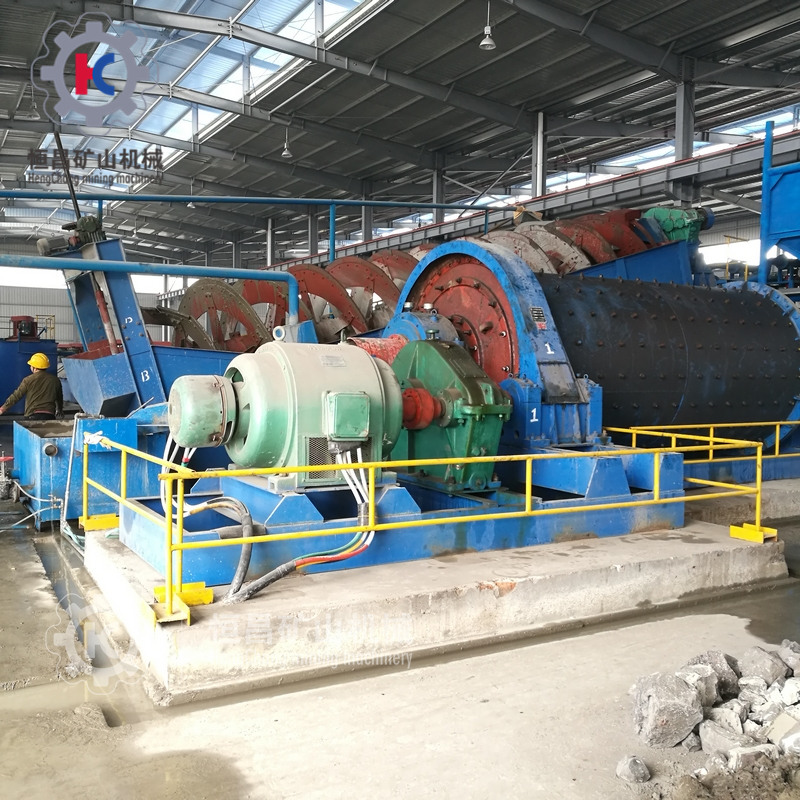
| Trommel Scrubber (1500x4000mm) | 1 set | Break down clay, wash + separate oversize gravel |
| Vibrating Screen (2-layer) | 1 set | Classify: +10mm to waste, -10mm to jig |
| Double-Drum Wet Magnetic Separator | 1 set | Remove magnetic gangue (iron) |
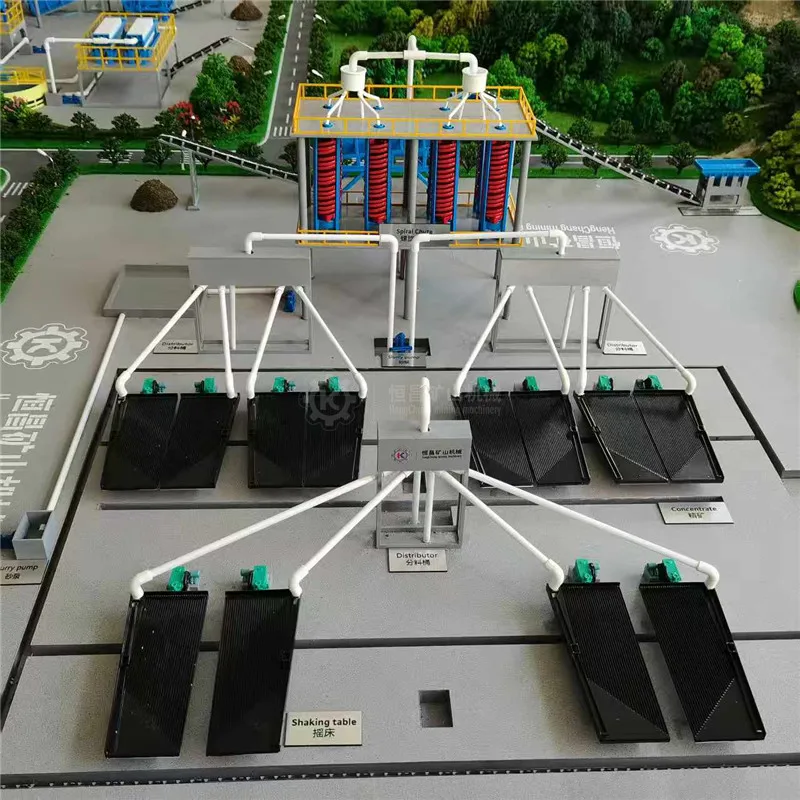
| Sawtooth Jig (2 pcs) | 1 set | Primary gravity concentration |
| Spiral Concentrator (2 sets of 5-turn) | 2 sets | Secondary concentration, upgrade from jig |
| Shaking Table (6S model) | 2 sets | Final clean-up to produce >65% Sn concentrate |
| Slurry Pump + Piping | As needed | Transport slurry between stages |
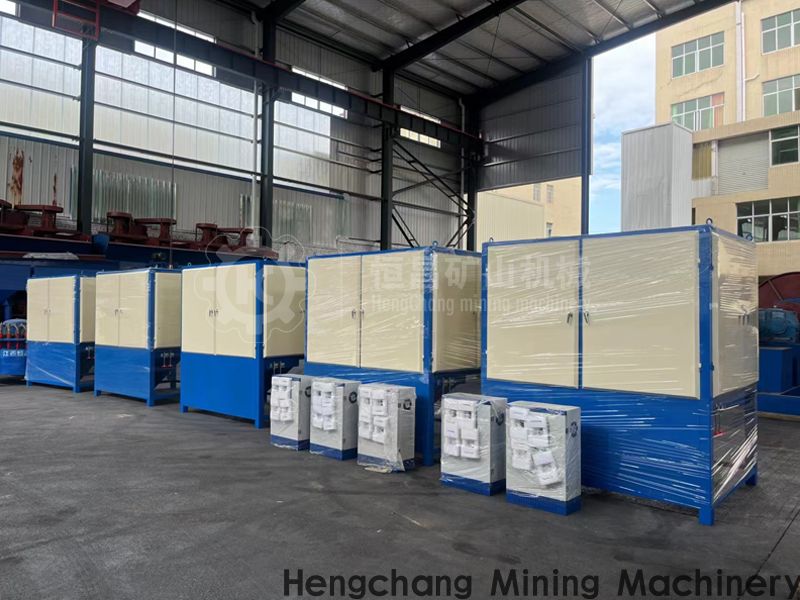
| Control Panel + Cables | 1 set | Centralized control |
Note: For a 5TPH plant, we scale down. For 50TPH, we add multiple stages, sometimes with a primary jaw crusher if there's hard rock.
How It Works: Step-by-Step
Step 1: Feeding & Washing Ore goes into the hopper. Vibrating feeder sends it to the trommel scrubber. Water jets inside the trommel break down the clay. Oversize gravel (+20mm) is rejected. –10mm slurry goes to the screen.
Step 2: Screening & Classification The vibrating screen classifies the material. The +10mm fraction is typically waste (unless it contains coarse tin). The -10mm fraction flows to the jig.
Step 3: Jigging (Primary Concentration) The sawtooth jig is the workhorse. It uses pulsating water to separate heavy tin from light gangue. The heavy concentrate is collected at the bottom. This step recovers about 85-90% of the tin.
Step 4: Spiral Concentration (Upgrading) The jig concentrate goes to spiral concentrators. Spirals are low-cost and efficient. They produce a "middling" and a "concentrate". The concentrate is about 20-30% Sn at this point.
Step 5: Shaking Table (Final Cleanup) This is where the "good stuff" happens. The shaking table produces a high-grade tin concentrate (60-70% Sn) and a tailing. The tailing can be recycled or re-processed.
Which Ores Can This Plant Handle?
This plant is designed for alluvial tin ore primarily. But with small modifications, it handles:
Cassiterite (tin)Wolframite (tungsten)
Tantalum / Columbite
Gold (placer gold)
Zircon / Rutile (rare earths)
If you have hard rock tin ore (primary tin), we add:
Jaw crusher (primary)Cone crusher (secondary)
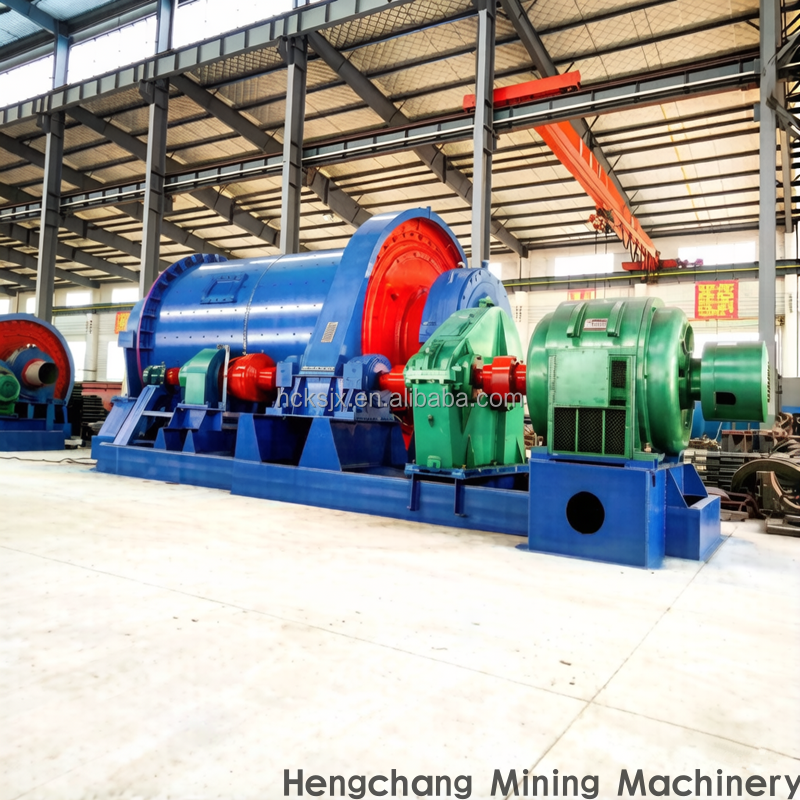
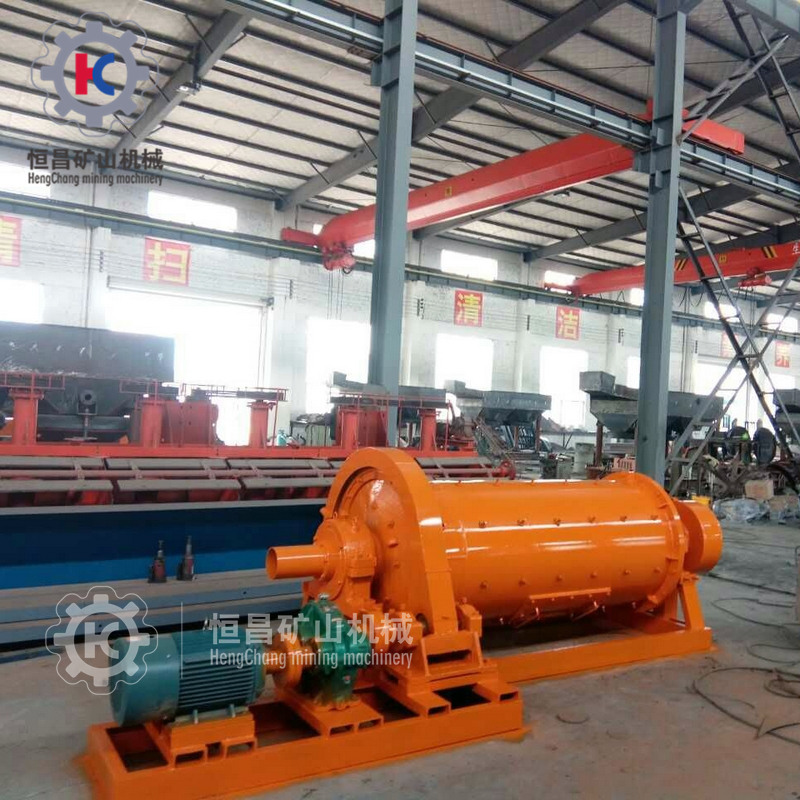
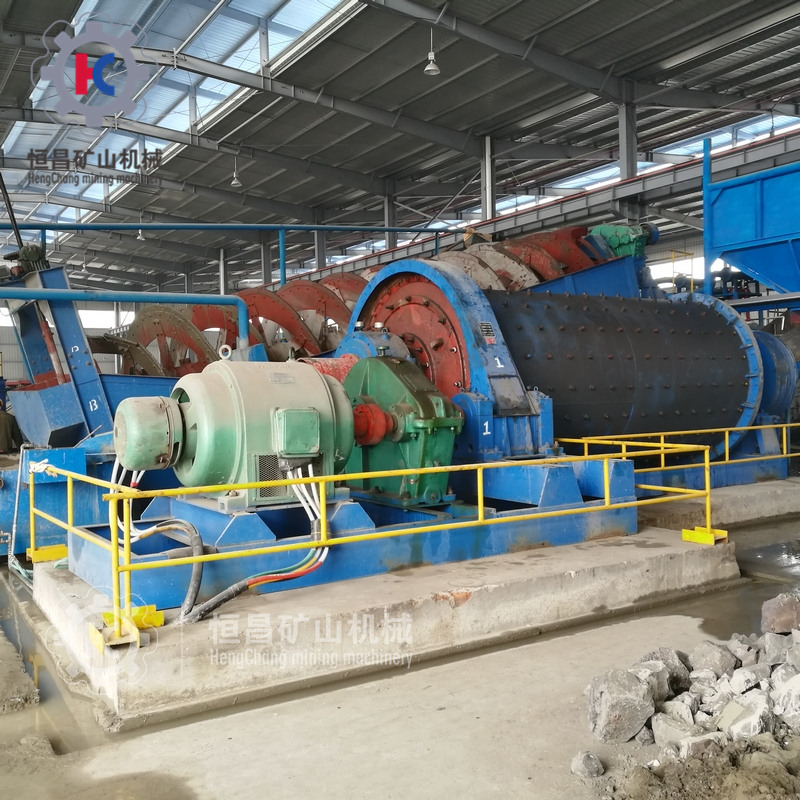
Ball mill (grinding)
The rest is the same gravity circuit.
Advantages of This Design
High recovery: Up to 93% for alluvial tinLow operating cost: No chemicals, no mercury. Just water and gravity.
Modular: Can be expanded from 5TPH to 50TPH by adding modules
Low maintenance: Simple machines, easy to find spare parts in Tanzania
Fast payback: For 20TPH plant, ROI is typically 6-10 months
Daily Operation & Maintenance
Before Each Shift (10 minutes)
Check belt tension on conveyorsInspect screen mesh for tears
Check water pressure – should be 2-4 bar
During Operation
Adjust jig stroke (pulsation) based on feed particle sizeMonitor shaking table angle – should be 1.5-2.5° for tin
Clean jig hutch every 4 hours
Weekly
Grease all bearingsCheck trommel screen scrapers
Monthly
replace worn-out screen panelsCheck jig diaphragms for leaks
Inspect spiral concentrator's splitters
Comparison with Other Equipment
| Feature | JXSC Gravity Plant | All-Spiral Plant | All-Jig Plant |
|---|---|---|---|
| Recovery Rate | 90-93% | 75-85% | 85-90% |
| Final Grade | >65% Sn | 40-55% Sn | 50-60% Sn |
| Operating Cost | Low | Medium | Low |
| Flexibility | High (can tweak each stage) | Low | Medium |
Our combination of jig + spiral + shaking table is the most cost-effective. A "jig-only" or "spiral-only" plant leaves too much fine tin in the tailing.
Application Scenarios Summary
Scenario A: Small Prospector (5TPH)
Budget: $30,000-$50,000Best for: Testing a deposit, small-scale production
Equipment: Trommel scrubber + jig + small table
Scenario B: Mid-Scale Miner (20TPH)
Budget: $80,000-$120,000Best for: Long-term operation, 100-200 tons per day
Equipment: Full line as shown above
Scenario C: Large-Scale Investor (50TPH)
Budget: $200,000-$350,000Best for: Established mines with proven reserves
Equipment: Double lines with automatic control
Final Thoughts
If you're in Tanzania or anywhere in Africa looking to set up a tin ore processing plant, don't just buy random equipment. Your plant's design depends on your ore's unique characteristics: clay content, particle size, mineral association.
That's why I always recommend: send us a 50-100kg sample first. Let JXSC test it in our lab. We'll give you a complete flowchart, equipment list, and budget. Then you decide.
And remember: a 20TPH plant from JXSC, with proper operation, can make you back your investment in less than a year. That's not marketing talk. I've seen it happen in Morogoro, Shinyanga, and Katanga.
Need a quote? Just drop me a message. I'll send you the detailed equipment list and layout drawing tailored for your site.
– From the team at Jiangxi Changshan Mining Equipment Manufacturing Company (JXSC)