Chinese


JXSC Ghana Gold Mining Equipment Prices: 2TPH CIP Plant Cost & Process Analysis
Introduction to JXSC and CIP Plants
Hey there, miners and mining enthusiasts! If you're in the business of extracting gold, you've probably heard about CIP (Carbon-in-Pulp) plants. These are some of the most efficient and widely used methods for gold recovery. Today, we'll dive into the world of CIP plants, specifically focusing on a 2TPH (tons per hour) setup from JXSC Mining Machinery. We'll cover everything from the basics to the nitty-gritty details, so you can make an informed decision for your next project.
What is a CIP Plant?
The Basics
A CIP plant is a type of gold processing facility that uses activated carbon to adsorb gold from a slurry. This process is highly effective and can recover up to 95% of the gold in the ore. The key components include:
Leaching Tanks: Where the gold-bearing ore is mixed with a leaching agent (usually sodium cyanide).Adsorption Tanks: Where activated carbon is added to the slurry to adsorb the gold.
Elution and Electrowinning Systems: To strip the gold from the carbon and recover it as pure metal.
JXSC's 2TPH CIP Plant in Action
Case Studies from Africa
JXSC has a strong presence in Africa, with successful installations in countries like Ghana, Mali, and Burkina Faso. Here are a few examples:
Ghana: A 2TPH CIP plant in the Ashanti region has been running smoothly for over two years, consistently achieving high gold recovery rates.Mali: A similar setup in the Sikasso region has helped a local mining company increase its gold output by 30%.
Working Principle
The 2TPH CIP plant works through a series of steps:
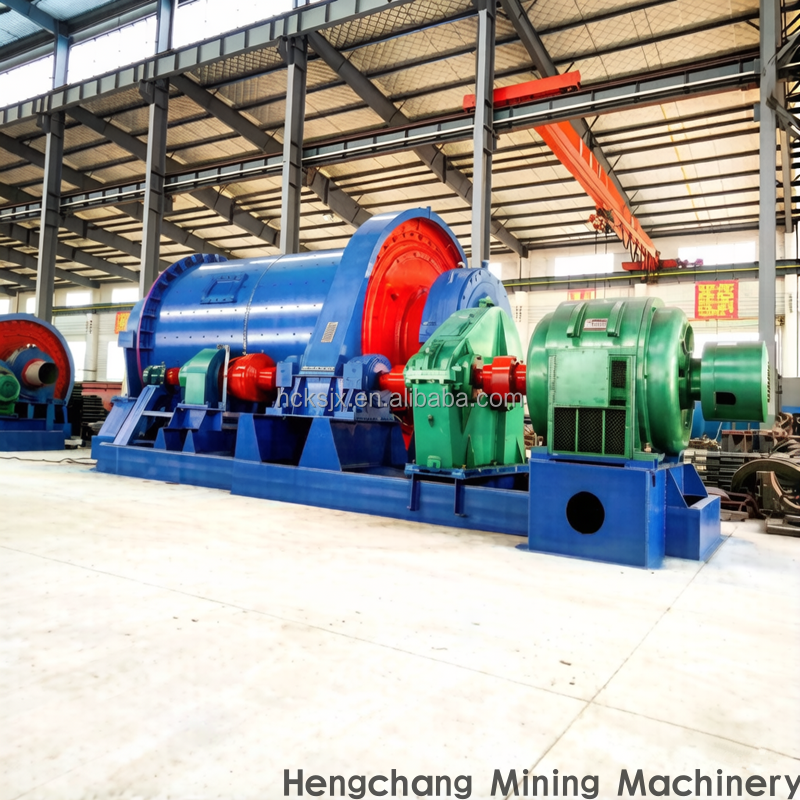
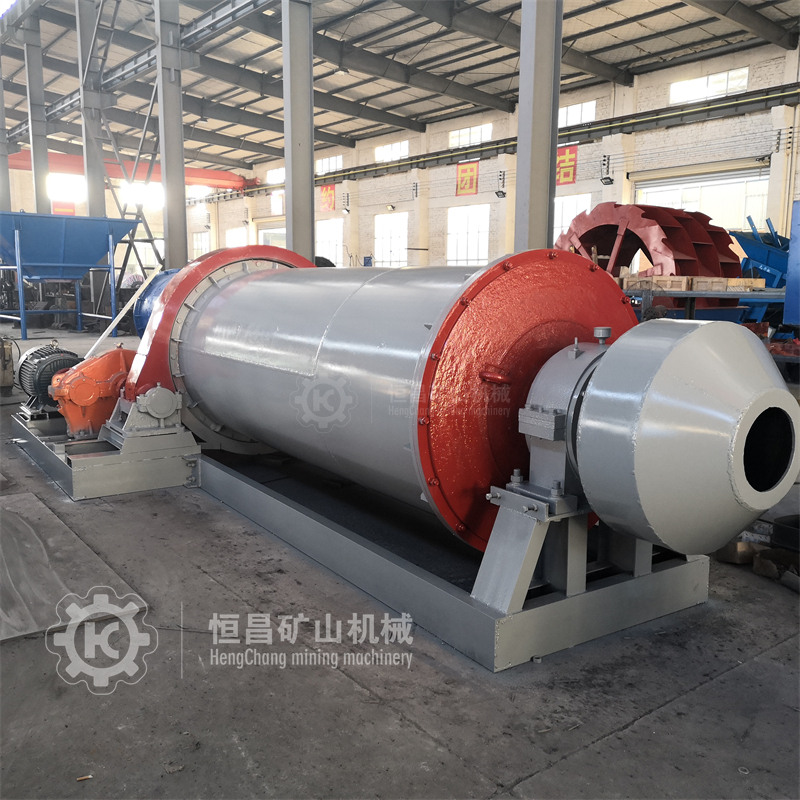
Crushing and Grinding: The ore is first crushed and ground to a fine powder.Leaching: The powdered ore is mixed with a leaching agent in the leaching tanks.
Adsorption: Activated carbon is added to the slurry in the adsorption tanks to adsorb the gold.
Elution: The gold-loaded carbon is then treated with a hot caustic solution to strip the gold.
Electrowinning: The gold is recovered from the eluate using electrowinning cells.
Structure and Features
JXSC's 2TPH CIP plant is designed with several key features:
Compact Design: Ideal for small-scale operations.High Efficiency: Optimized for maximum gold recovery.
Durability: Built to withstand harsh mining environments.
Easy Maintenance: User-friendly design for quick and easy maintenance.
Suitable Ore Types
Which Ores Can Be Processed?
CIP plants are particularly effective for processing:
Gold-Bearing OresSilver-Bearing Ores
Platinum Group Metals (PGMs)
They are especially useful for ores with low gold content, as they can recover even trace amounts of gold.
Advantages of Using a CIP Plant
Why Choose a CIP Plant?
High Recovery Rates: Up to 95% gold recovery.Cost-Effective: Lower operating costs compared to other methods.
Environmentally Friendly: Reduced use of harmful chemicals.
Scalable: Can be easily scaled up or down based on production needs.

Processing Parameters
Capacity: 2 tons per hourRecovery Rate: 85-95%
Power Consumption: Low, thanks to efficient design
Daily Operation and Maintenance
Keeping Your CIP Plant Running Smoothly
Regular Inspections: Check for wear and tear, and replace parts as needed.Cleanliness: Keep the plant clean to prevent contamination.
Training: Ensure operators are well-trained to handle the equipment.
Scheduled Maintenance: Follow a regular maintenance schedule to avoid downtime.
Troubleshooting Tips
Low Recovery Rates: Check the leaching and adsorption processes for any issues.Mechanical Problems: Regularly inspect and lubricate moving parts.
Chemical Imbalance: Monitor the pH and chemical concentrations in the leaching tanks.
Comparison with Other Methods
CIP vs. Other Gold Recovery Methods
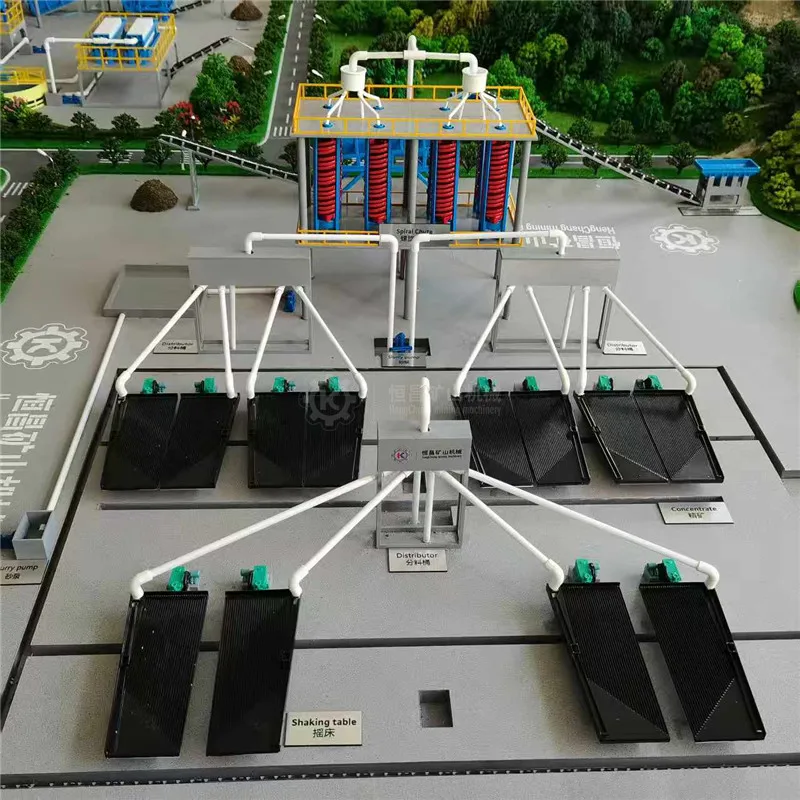
Gravity Separation: Effective for coarse gold but less efficient for fine gold.
Flotation: Good for sulfide ores but not as effective for free gold.
Why CIP Stands Out
Versatility: Works well with a wide range of ore types.Simplicity: Easy to operate and maintain.
Consistency: Provides consistent and reliable gold recovery.
Applications and Scenarios
Where to Use a 2TPH CIP Plant
Small-Scale Mining Operations: Perfect for artisanal and small-scale miners.Remote Locations: Compact and portable, making it ideal for remote sites.
Pilot Projects: Great for testing new deposits before scaling up.
Conclusion
Wrapping It Up
If you're looking for a reliable and efficient way to recover gold, a 2TPH CIP plant from JXSC Mining Machinery is a great choice. With its high recovery rates, cost-effectiveness, and ease of use, it's a top pick for many miners across Africa and beyond. Whether you're a seasoned pro or a newcomer to the industry, this setup can help you maximize your gold recovery and boost your bottom line.
Next Steps
Contact JXSC: Reach out to their team for a personalized quote and more information.Visit Their Website: Explore their full range of mining equipment and services.
Join the Community: Connect with other miners and share your experiences.
Happy mining, and here's to finding those golden nuggets!
Keywords: JXSC, CIP plant, gold mining, 2TPH, Ghana, Mali, Burkina Faso, gold recovery, leaching, adsorption, electrowinning, mining equipment, small-scale mining, artisanal mining, gold processing, gold extraction, mining machinery, mining technology, CIL, gravity separation, flotation.