Chinese


JXSC Zambia Copper Ore Processing Equipment 100TPH Flotation Plant Price & Process Flow
Hey there, fellow miners and plant operators! ?
If you're sitting in Zambia, eyeing that copper ore deposit and wondering how to turn it into cash, you've come to the right place. Today, we're diving deep into the JXSC Zambia 100TPH Copper Ore Flotation Plant – what it costs, how it works, and why it might just be the game-changer your operation needs.
Let's cut through the noise. No fancy jargon. Just real talk about real equipment.
Why Zambia? Why Copper? Why Now?
Zambia is Africa's second-largest copper producer, hands down. The Copperbelt province is literally named after the stuff. But here's the thing – not every deposit is a high-grade, easy-to-process bonanza.
Many Zambian copper ores are:
Mixed oxide-sulfide oresLow-grade (0.5%–2% Cu)
Associated with pyrite or other gangue minerals
That's where flotation comes in. It's the workhorse of copper processing, especially when you need to separate fine-grained sulfides from waste rock.
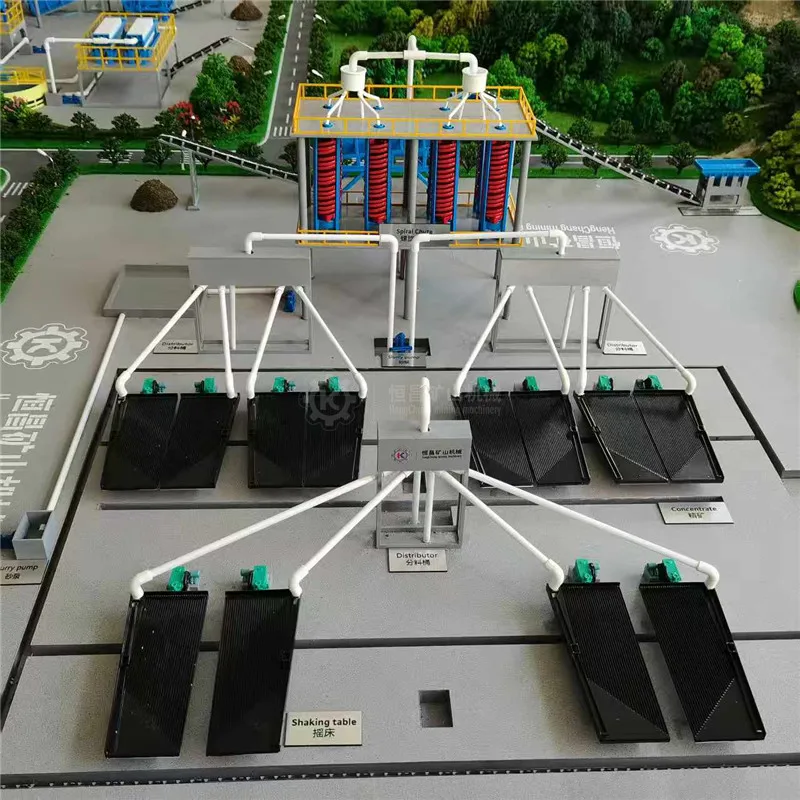
JXSC 100TPH Flotation Plant: The Big Picture
First, let's talk price.
Disclaimer: Prices fluctuate based on raw material costs, shipping to Zambia, and customization. But ballpark? A complete 100TPH flotation plant from JXSC (Jiangxi Hengchang Mining Machinery) typically ranges from $150,000 to $280,000 USD (ex-works). Shipping to Lusaka or Ndola adds another 15–25%.
What you're getting:
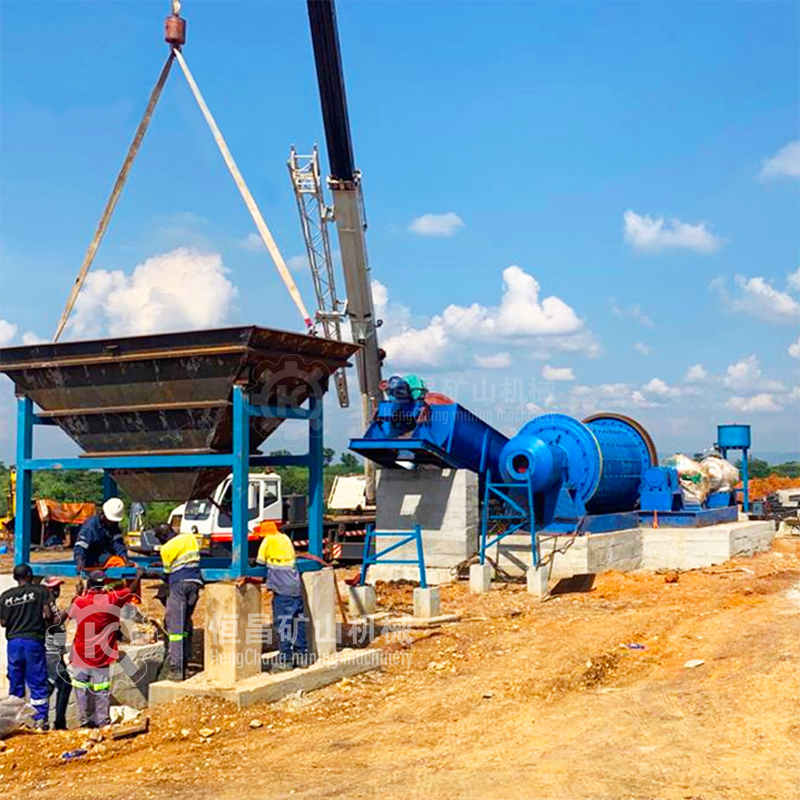
✅ Jaw crusher + cone crusher (crushing stage)
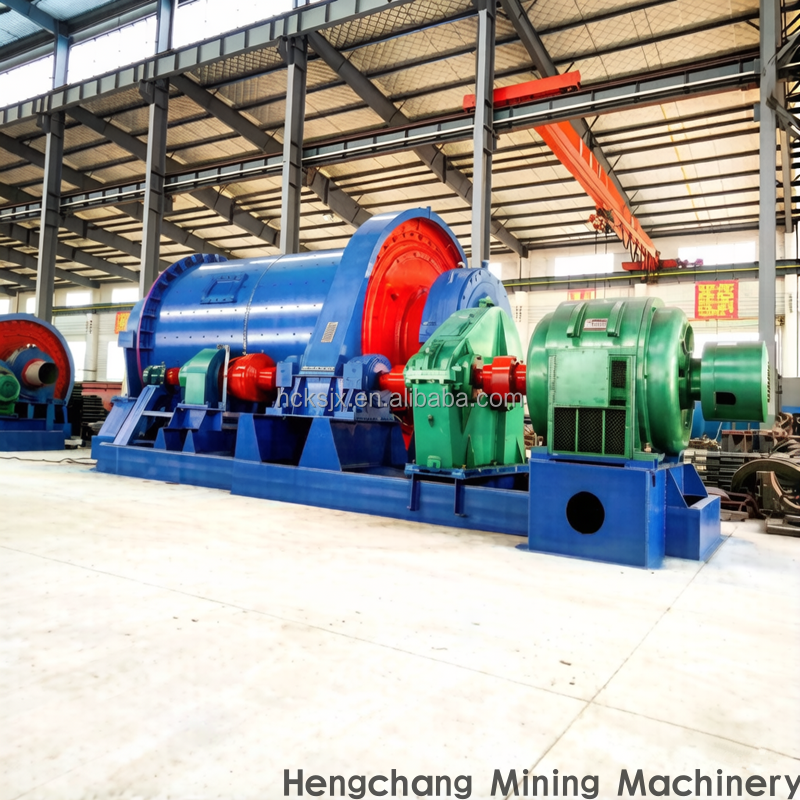
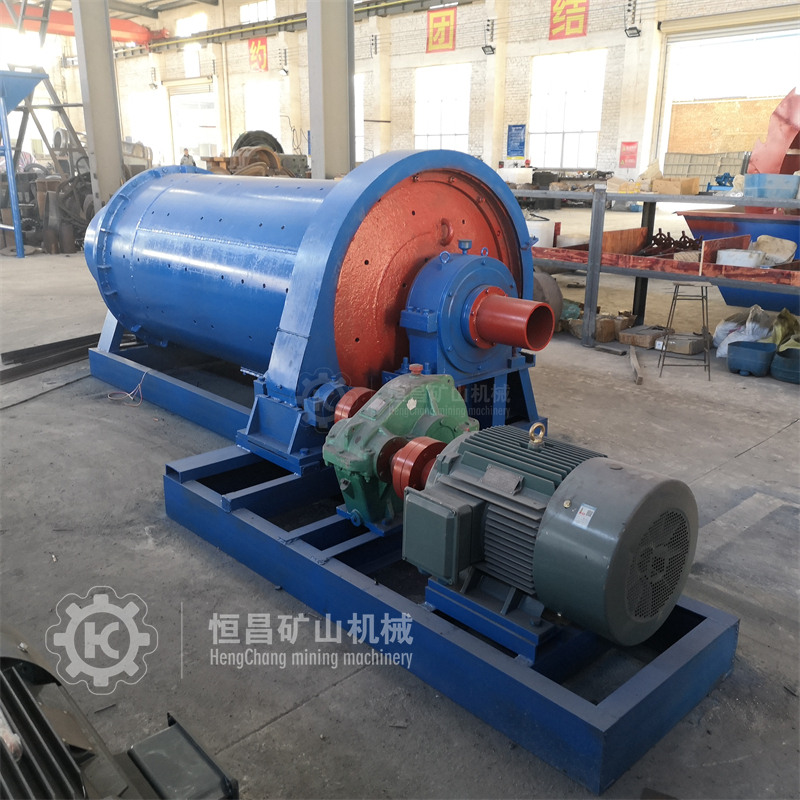
✅ Ball mill (grinding)
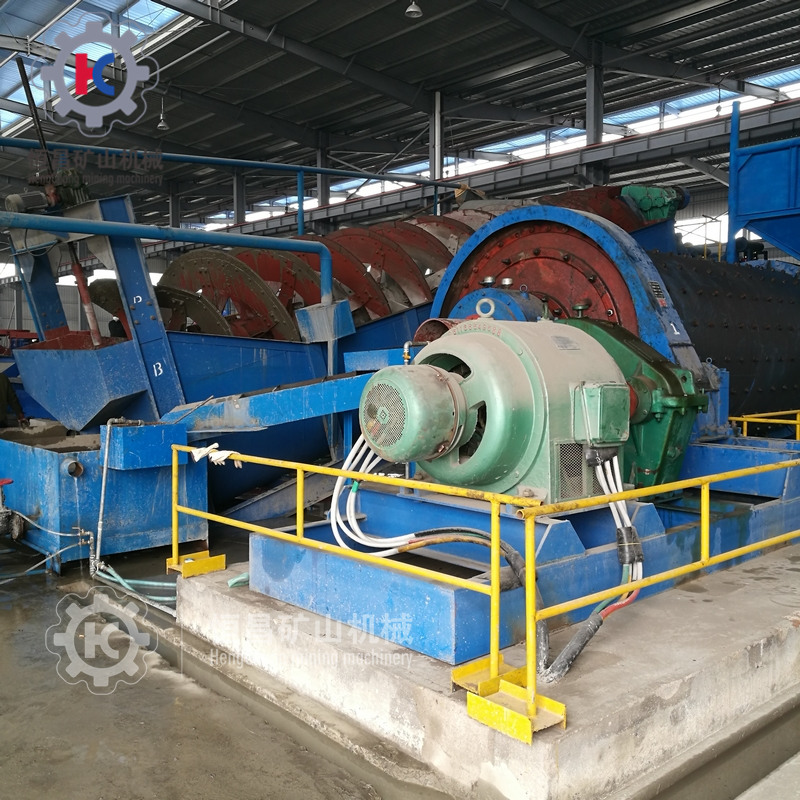
✅ Spiral classifier (size control)
✅ Agitation tank + flotation cells (copper recovery)
✅ Thickener + filter (dewatering)
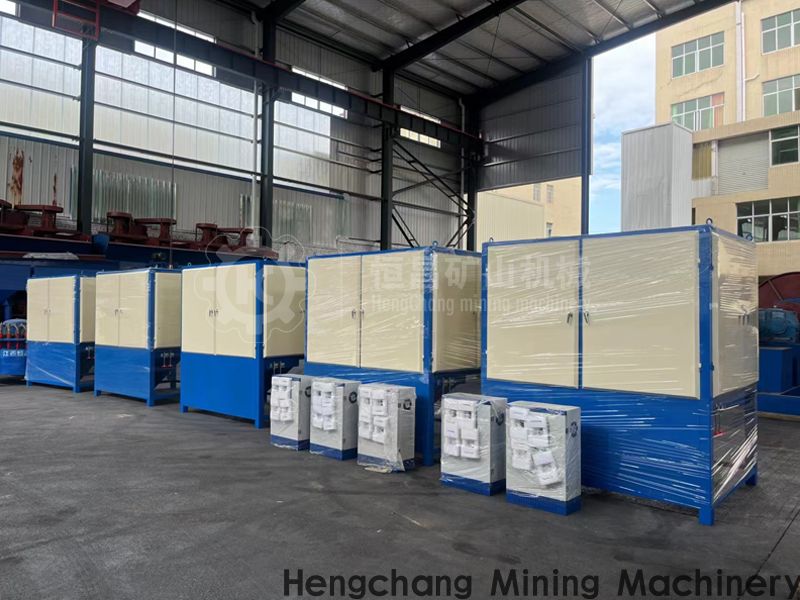
✅ Control panel and piping
It's a turnkey solution – plug and play (mostly).
How Does It Work? Process Flow Step-by-Step
Let's walk through the process flow like a tour guide.
Stage 1: Crushing – Break It Down
Copper ore comes from the mine at 300–500mm chunks. Too big for flotation. So first, we crush.
Primary crushing: Jaw crusher → reduces to 100–150mmSecondary crushing: Cone crusher → reduces to 10–30mm
Why it matters: Proper crushing saves grinding energy. Your ball mill will thank you.
Stage 2: Grinding – Make It Fine
Now the crushed ore enters a ball mill (wet grinding). Water + steel balls + rotation = slurry.
Target particle size: 65–75% passing 200 mesh (0.074mm). That's fine enough for copper minerals to be liberated from gangue.
Stage 3: Classification – Size Control
Slurry flows to a spiral classifier or cyclone. Oversize particles go back to the ball mill. Undersize (the right stuff) moves to flotation.
Stage 4: Flotation – The Magic Happens
This is where copper minerals get separated from everything else.
In the flotation cells, we:
Add collectors (xanthates, dithiophosphates) – they make copper particles "water-repellent"Add frothers – create bubbles
Air is injected – bubbles rise, carrying copper minerals to the surface
The copper-rich froth is skimmed off. The waste (tailings) sinks and is discharged.
For oxide copper ores (common in Zambia), we add sulfidization reagents first.
Stage 5: Dewatering – Dry It Out
Froth concentrate (20–30% Cu) goes to a thickener then filter press. Water is recycled, and you get a filter cake ready for smelting.
What Makes JXSC Equipment Stand Out?
Why choose Jiangxi Hengchang over other brands? Here's the honest truth:
1. Durable Construction
Flotation cells use 304 stainless steel impellers (less corrosion from acidic slurry)Ball mill liners made of manganese steel – last 20–30% longer than cheap alternatives
2. Energy Efficiency
Flotation cells are designed for low power consumption – about 0.8–1.2 kWh per ton processedCompared to older designs, you save 15–20% on electricity
3. Easy Maintenance
Modular design – you can replace impellers, stators, or bearings without dismantling the whole cell
Spiral classifier has replaceable wear-resistant liners
4. Africa-Ready Support
JXSC has service engineers in Zambia and DRC. They offer:
On-site commissioning (2–4 weeks)Remote troubleshooting via video call
Spare parts warehouse in Lusaka
What Ores Can This Plant Handle?
| Ore Type | Suitability | Notes |
|---|---|---|
| Copper sulfide (chalcopyrite, bornite) | ✅ Excellent | Standard flotation works great |
| Copper oxide (malachite, azurite) | ✅ Good (with sulfidization) | Need to add NaHS or Na2S |
| Mixed oxide-sulfide | ✅ Good | Two-stage flotation or gravity pre-concentration |
| Gold-bearing copper ore | ✅ Good | Gold reports to concentrate; extra recovery possible |
| Lead-zinc-copper | ✅ Good | Sequential flotation (need more cells) |
One thing to watch: High clay content ores (like some Zambian deposits) can cause slime issues. JXSC can add a desliming cyclone before flotation.
Daily Operation & Maintenance Tips
Want your plant to run smoothly for 15+ years? Follow these rules:
? Daily Checks (10 minutes)
Check slurry density at feed to flotation (should be 25–35% solids)Inspect froth appearance – too brittle? Add frother. Too stable? Reduce frother.
Listen for knocking sounds in flotation cells – worn impeller = replace soon
?️ Weekly Maintenance
Grease all bearings on crusher and ball millCheck classifier spiral for wear
Clean flotation cell weirs – froth buildup restricts flow
⚠️ Common Problems & Fixes
| Problem | Possible Cause | Solution |
|---|---|---|
| Low copper recovery | pH too low/alkaline | Adjust lime addition to pH 9–10 |
| Froth too thin | Low collector dose | Increase xanthate by 10–20 g/t |
| Ball mill backing up | New liners? Feed too coarse | Adjust feed size or add water |
Flotation Plant vs. Other Methods
| Method | Best For | Recovery Rate | Cost (per ton) |
|---|---|---|---|
| Flotation (this plant) | Sulfide copper, fine grained | 85–95% | Medium |
| Gravity separation | Coarse gold, tin, tungsten | 60–80% | Low |
| Leaching (heap/agitation) | Oxide copper, low grade | 70–90% | High (reagents) |
| Magnetic separation | Iron ore, manganese | 50–70% | Medium |
Bottom line: For Zambian copper, flotation is the king. It gives the best recovery for sulfide ores and works well with oxides after chemical adjustment.
Real-World Application in Zambia
Let's put it in context:
Case Example: A small-scale miner near Chingola had a 1.5% Cu oxide-sulfide mixed ore. They tried:
Heap leaching → recovery only 55%, leaching time 90 daysJXSC 100TPH flotation plant → recovery 88%, concentrate grade 22% Cu
Result: Payback period – 11 months. The plant paid for itself in under a year.
Final Verdict: Should You Buy JXSC?
Yes, if:
You need a reliable, mid-scale plant (50–200 TPH)Your ore is sulfide-dominant or mixed oxide-sulfide
You want African after-sales support (spare parts, engineers on site)
Budget is $150k–$300k
Maybe not, if:
You're processing pure oxide ore (leaching may be better)You need 500+ TPH capacity (consider larger brands)
You can't handle shipping costs from China to Zambia
Ready to Get Started?
If you're serious about copper processing in Zambia, reach out to JXSC (Jiangxi Hengchang Mining Machinery) directly. Ask for:
A detailed quotation (with shipping to Ndola or Lusaka)Process flow diagram customized for YOUR ore
Reference list – customers in Zambia, DRC, and Tanzania
Remember: The cheapest plant isn't always the most profitable. A well-designed flotation circuit with proper maintenance pays dividends for decades.
Good luck, and may your copper grades be high and your costs low! ?
Have questions? drop them in the comments. I've been in the mining game for 15 years – I've seen it all.