Chinese


JXSC Zambia Copper Ore Processing Plant: 100TPH Flotation Machine Model & Daily Output
Hey, fellow miners and plant operators! If you're running a copper ore processing plant in Zambia—or planning to build one—you've come to the right place. Today, I’m breaking down a real-world case: JXSC’s 100TPH copper ore processing plant in Zambia. We’ll talk flotation machine models, daily output, and the nitty-gritty details that actually matter on-site. No fluff, just practical stuff.
Let’s get straight into it.
Why Zambia for Copper?
Zambia is a copper giant. Think of the Copperbelt province—it’s literally named after copper. The ore here is typically sulfide-type, like chalcopyrite and bornite. These ores respond well to flotation, which is why our JXSC plant uses flotation as the core process. The goal? Maximize recovery while keeping costs low.
JXSC 100TPH Copper Plant: Key Specs
Processing Capacity: 100 tons per hour (TPH)
Working Hours: 20 hours per day (standard shift)
Target Recovery: 85-92%
Final Concentrate Grade: 20-25% Cu (depending on feed quality)
That means daily output? Let’s do some quick math. If feed grade is around 1.5% Cu, you’re looking at roughly 18-24 tons of copper concentrate per day. But remember, it varies with ore characteristics.
Flotation Machine Model We Used
For this 100TPH plant, we installed JXSC SF-8 flotation machines. Here’s why:
Model: SF-8Volume per cell: 8 cubic meters
Number of cells: 12 cells across rougher, scavenger, and cleaner stages
Motor power: 22 kW per cell
Key feature: Self-priming air and pulp. No extra blower needed.
These machines are workhorses. They’re built tough for African conditions—high humidity, dust, and variable power supply. The SF series is known for low energy consumption and high recovery.
How We Set Up the Flotation Circuit
We configured it in a standard flow:
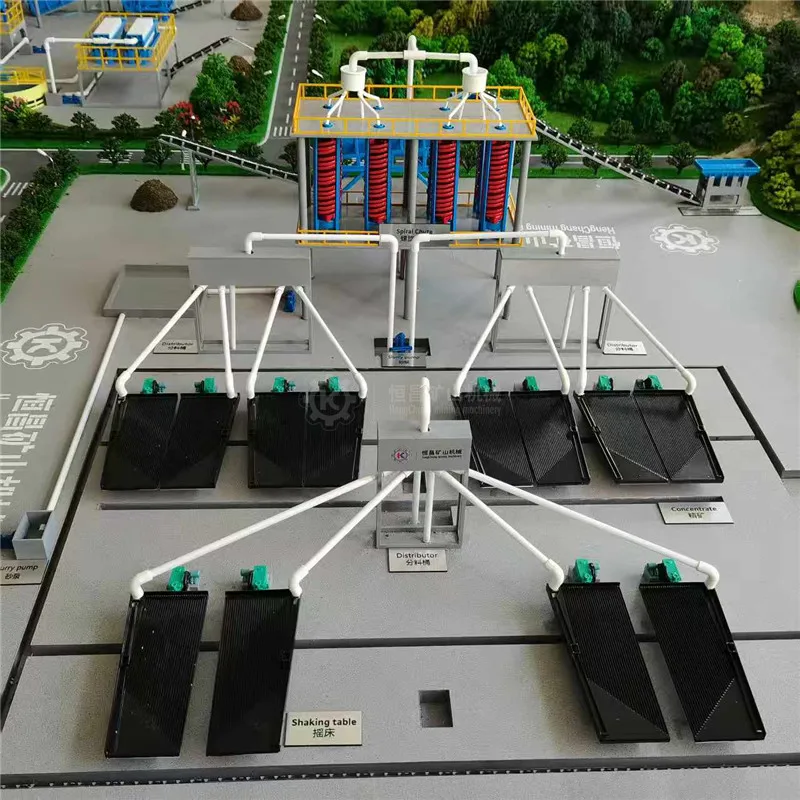
Rougher flotation (6 cells): First pass to collect bulk copper minerals.Scavenger flotation (3 cells): Collect remaining copper from tailings.
Cleaner flotation (3 cells): Upgrade concentrate to final grade.
You can adjust the number of cleaner cells based on your target grade. For Zambia’s ores, 3 is usually enough.
Daily Output Calculation
Let’s make this practical:
Feed rate: 100 TPH x 20 hours = 2,000 tons per dayFeed grade: 1.5% Cu
Recovery: 88%
Formula:
Daily concentrate = (2,000 x 1.5% x 88%) / 22% = 120 tons of concentrate per day
120 tons of concentrate daily. That’s solid for a 100TPH plant. And if you push to 24-hour operation? You’ll hit 144 tons.
But don’t forget: tailings management is equally important. We used a thickener to recycle water—saves costs and meets environmental standards.
Why JXSC Flotation Machines?
Easy maintenance: Impeller and stator are replaceable without disassembling the whole cell.Durable: Wear parts made from high-chrome alloy. They last longer in Zambia’s abrasive ores.
Energy efficiency: SF series uses 15-20% less power than older models.
Simple operation: Local operators can learn in 2-3 days.
Real-World Experience from Our Zambia Site
One of our clients in Kitwe runs this exact setup. Their biggest challenge? Power fluctuations. So we added a soft starter for the flotation motors. Solution cost less than $2,000 but saved them from motor burnout twice already.
Another tip: keep your froth depth consistent. In Zambia’s dry season, water evaporation can change pulp density. Monitor it hourly.
Comparison: SF-8 vs Other Machines
| Feature | SF-8 | XCF-8 (self-priming) | KYF-8 (forced air) |
|---|---|---|---|
| Air system | Self-priming | Self-priming | Forced air (external blower) |
| Power use | Low | Low | Medium |
| Maintenance | Simple | Simple | Need blower maintenance |
| Best for | 100TPH plants | Larger plants | Fine particle flotation |
For 100TPH, SF-8 wins. XCF is good if you have space for extra cells. KYF? Better for ultra-fine grinding plants.
Maintenance Checklist for Zambia’s Conditions
Daily: Check impeller clearance (8-10 mm). Adjust if wear is visible.Weekly: Inspect stator blades for cracks.
Monthly: Test motor bearings for vibration.
Quarterly: replace worn impeller (cost: $200-$300 per cell).
Seasonal: Before rains, seal electrical enclosures.
Cost Breakdown (Approximate)
Flotation machines (12 cells SF-8): $45,000 - $55,000Installation labor: $8,000 - $12,000
Pumps & piping: $5,000 - $8,000
Thickener: $15,000 - $20,000
This is for the flotation section only. Full plant budget? Add another 30-40% for crushing and grinding.
Summary: Is This Setup Right for You?
Yes, if:
You have 1-2% Cu feed gradeYou want 100 TPH capacity
You need low energy and easy maintenance
No, if:
Your ore is oxide-dominant (needs leaching)You have space for larger cells (go XCF or KYF)
Your power is extremely unstable (add UPS or generator)
Final Words
JXSC’s 100TPH copper flotation plant in Zambia is a proven workhorse. It’s simple, reliable, and designed for real-world conditions. The SF-8 machines deliver consistent recovery, and daily output can hit 120 tons of concentrate.
If you’re setting up a similar plant, focus on three things:
Stable froth depthRegular impeller checks
Water quality management
Got questions? drop a comment or reach out. I’ve been on-site in Zambia, and I’m happy to share more details.
This article is for informational purposes. Results vary based on ore characteristics and operating conditions. Always conduct a bench test before finalizing equipment selection.