Chinese


JXSC Zimbabwe Rock Gold Processing Plant 20TPH Ball Mill Flotation Machine Price & Workflow
Hey there, fellow miners and plant operators! If you're reading this, chances are you're tired of those overly technical, jargon-filled articles that feel like they were written by a robot for a Ph.D. class. You want something real, something you can actually use on the ground. You want to know: "What’s the real deal with JXSC’s rock gold processing plant in Zimbabwe? How much does a 20TPH ball mill and flotation machine cost? And how does the whole workflow actually work?"
Well, you've come to the right place. Let’s break it down, no BS, just straight-up practical info that’ll help you make a smart buy for your mine.
1. What is the JXSC 20TPH Rock Gold Processing Plant?
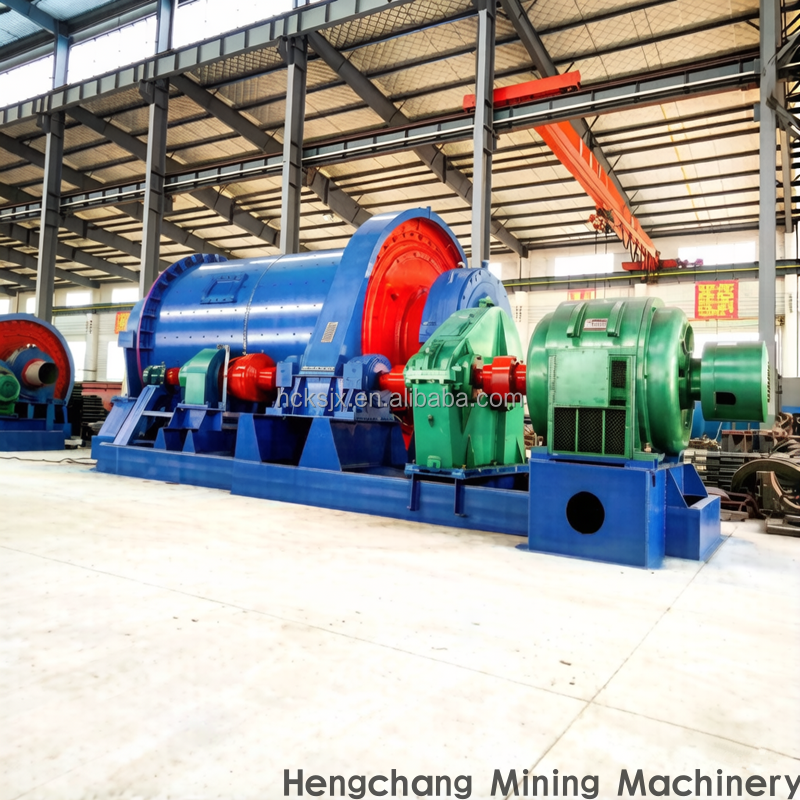
Think of it as your all-in-one gold recovery toolkit. It’s a modular, skid-mounted system designed specifically for hard rock gold ore. The core of this setup is a 20TPH ball mill (that’s tons per hour, for the newbies) paired with a flotation machine. In simple terms, it crushes the rock to a fine powder, then uses a clever chemical process to separate the gold from the worthless stuff.
Key Components:
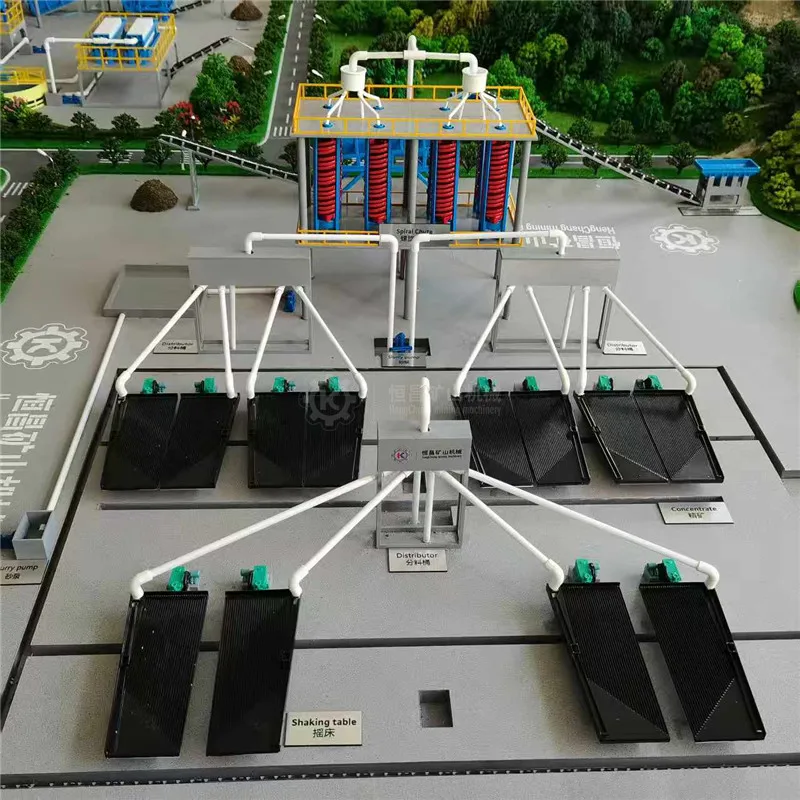
Ball mill (for grinding)Spiral classifier (to control grind size)
Flotation cells (to bubble out the gold)
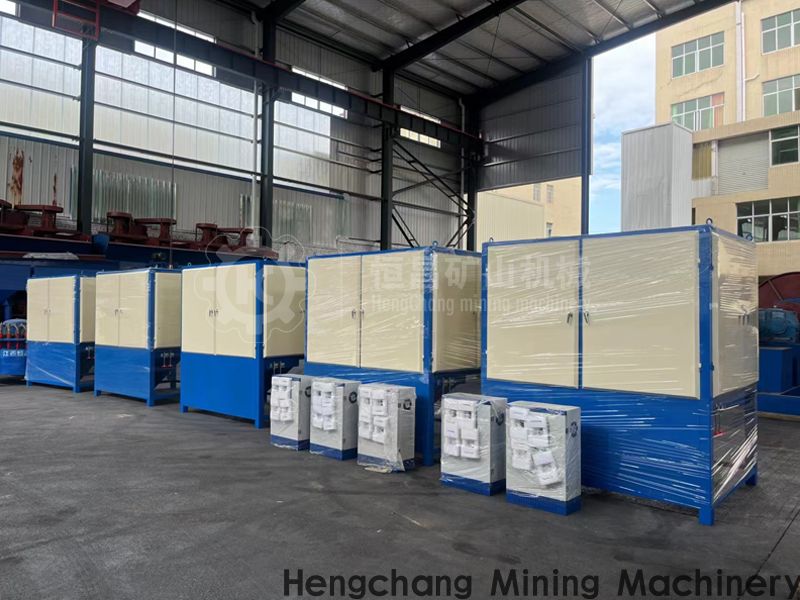
Slurry pumps, pipes, and control panel
2. JXSC in Africa: Real-World Case Studies
We’re not just talking theory here. JXSC equipment is working hard across Africa, especially in countries where gold mining is big business.
Zimbabwe
Zimbabwe’s gold sector is booming, but the ore can be tricky—often high in sulfides. A client near Kwekwe runs a 20TPH ball mill + flotation setup from JXSC. They’re getting consistent 92-95% recovery on their rock gold. That’s money in the bank.
Tanzania
A small-scale miner in Mara Region swapped their old hammer mill for a JXSC ball mill. They told me: “We used to lose over 30% of the gold in the tailings. Now, we’re barely losing 5%.” The flotation machine handles their pyritic gold ore like a champ.
Ghana
Out in the Ashanti Region, a local plant uses a JXSC 2-stage ball mill + flotation circuit for a 20TPH feed. Their key challenge was high clay content. JXSC’s design includes a clay-dispersion system that keeps the flotation stable. They’re crushing and floating 8 hours a day, 6 days a week, with minimal downtime.
Mali
A mid-tier operation in the Kayes region processes quartz-vein gold ore. They report their JXSC ball mill liner lasts 18 months before needing replacement. That’s solid durability for African conditions.
3. How Does It Work? The Step-by-Step Workflow
Let’s walk through the process like you’re standing next to the plant.
Step 1: Primary Crushing
Big rocks come in (up to 200mm). A jaw crusher knocks them down to <20mm. This is like chewing your food before swallowing—it makes the ball mill’s job easier.
Step 2: Grinding in the Ball Mill
The crushed ore enters the ball mill with steel balls inside. The mill rotates, the balls tumble, and the ore gets ground to a fine powder (usually 200 mesh or finer). Water is added to make a slurry.
Step 3: Classification
The slurry goes to a spiral classifier. This machine spins the heavy particles (gold with gangue) to the bottom, while fine particles overflow to the next step. The classifier ensures the ball mill doesn’t get clogged with oversized material.
Step 4: Flotation Separation
Now the fun part. The classified slurry enters the flotation machine. Here’s what happens:
Reagents are added: A collector (like xanthate) makes gold particles “water-hating” so they attach to air bubbles.Air is injected: Bubbles rise, carrying the gold-laden froth to the surface.
Scraping: The froth is scraped off into a concentrate launder.
This gives you a gold-rich concentrate (often with 20-50 g/t gold) and a tailings stream (waste rock).
Step 5: Dewatering (Optional)
For the final concentrate, you might use a thickener or filter press to reduce moisture before shipping to a smelter.
4. Structure and Features of JXSC’s Ball Mill & Flotation Machine
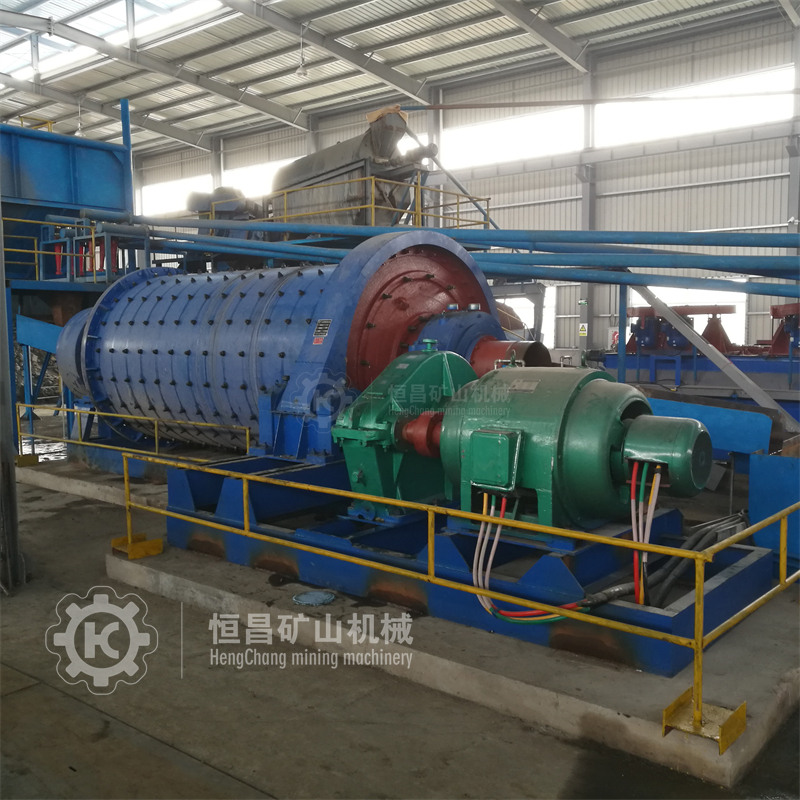
Ball Mill Features
Thickened steel shell: Designed to handle 20 tons per hour continuously.Advanced bearing system: Low friction, low power consumption.
Easy liner replacement: You can change liners without pulling the whole mill apart.
Flotation Machine Features
Energy-efficient impeller: Designed to create fine bubbles with less power.Large froth area: Handles high throughput without flooding.
Easy level control: Each cell has a manual or automatic level control gate.
Corrosion-resistant: Tanks are lined with rubber or polyethylene for long life.
5. What Ores Does This Plant Handle?
This 20TPH setup is not a one-size-fits-all. It works best for:
Hard rock gold ores (quartz veins, sulfide-associated gold)Pyritic gold ores (common in Zimbabwe and Tanzania)
Ores with low to moderate clay content (high clay can mess with flotation)
Ores with fine-grain gold (where gravity separation alone fails)
Not ideal for:
Alluvial gold (use a sluice or trommel instead)High-clay laterite ores (flotation suffers; need a scrubber first)
6. Advantages of JXSC’s Flotation Process Over Other Methods
| Ore Type | JXSC Ball Mill + Flotation | Gravity Only | All-Slime Cyanidation |
|---|---|---|---|
| Coarse gold > 0.2mm | Fair | Excellent | Poor |
| Fine gold < 0.1mm | Excellent | Poor | Excellent |
| Sulfide gold | Excellent | Poor | Good (but risky) |
| High-arsenic ore | Good with proper reagents | Not recommended | Dangerous |
Key Advantage: Flotation gives you a clean, high-grade concentrate without the environmental headaches of cyanide use in some regions.
7. Technical Parameters of a 20TPH JXSC Setup
Here’s a typical configuration:
| Component | Specification | Power (kW) | Approx. Price (USD) |
|---|---|---|---|
| Ball Mill (e.g., 1500×3000mm) | 20 TPH feed, wet grinding | 75-90 | $25,000 - $35,000 |
| Spiral Classifier | Single screw, 2000mm diameter | 7.5 | $6,000 - $9,000 |
| Flotation Cells | 6 cells, 1.1m³ each | 11 each | $8,000 - $12,000 |
| Slurry Pumps | 2 inch, 15 kW | 15 | $2,000 - $4,000 |
| Control Panel & Piping | Entire set | - | $3,000 - $5,000 |
Estimated Total: $65,000 - $95,000 (excluding shipping, installation, and reagents).
Prices vary based on ore type, motor quality, and automation level. For exact pricing, you’ll want to contact JXSC directly with your ore sample and capacity requirements.
8. Daily Operation & Maintenance Tips
Listen, this equipment is tough, but it’s not a rock. Here’s how to keep it running smooth:
Ball Mill
Check liners weekly: Look for cracks or uneven wear.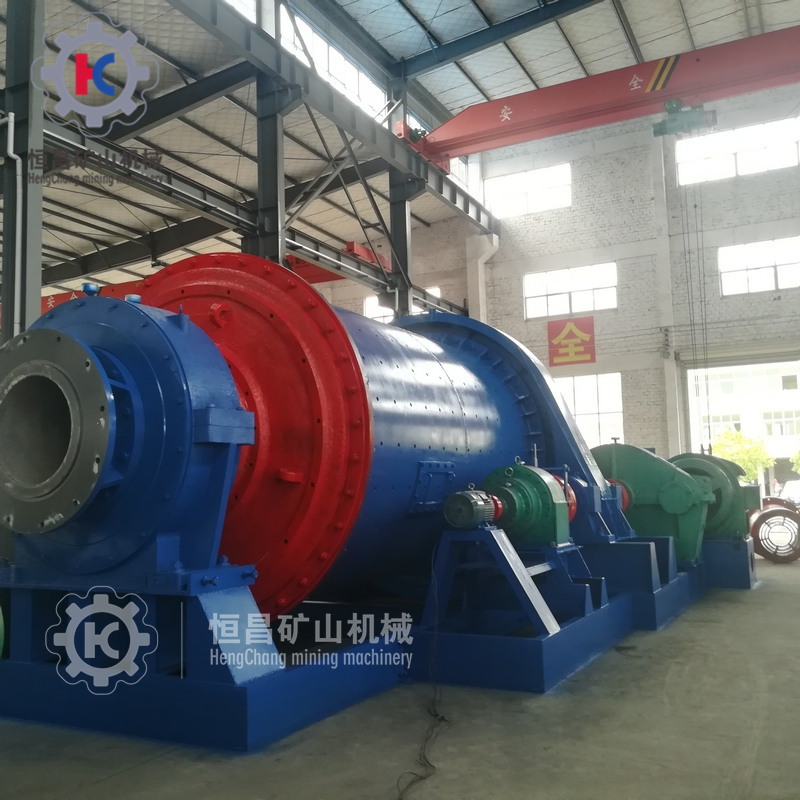
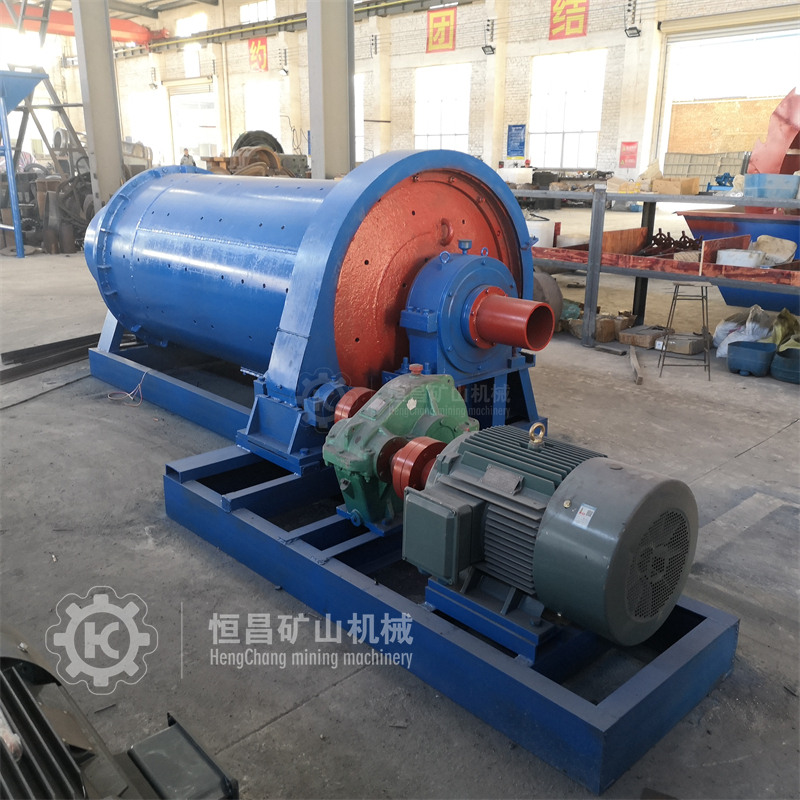
Monitor temperature: Bearings should never feel hot to the touch.
Add balls correctly: Use a ball charger or measure weekly. A good rule: 1” balls for coarse ore, 3/4” for fine grinding.
Lubrication: Nonexistent? Bad idea. Grease the trunnion bearings every shift.
Flotation Machine
Reagent levels: Check your xanthate and frother tanks daily. Running dry = no bubbles = no gold.Impeller clearance: Set it to 8-10mm from the bottom plate. Too tight causes wear, too wide loses efficiency.
Air flow: Listen for a consistent hiss. If it’s quiet, the air sparger might be clogged with grit.
Froth depth: You want about 100-150mm of froth. Too thin → waste gold. Too thick → carryover of gangue.
General
Clean screens in the classifier daily.Lubricate pump seals every 8 hours.
Check slurry density with a simple hydrometer. Target 40-50% solids for ball mill feed.
9. When Should You Choose Ball Mill + Flotation Over Other Devices?
This combo is the right choice when:
You have hard rock gold with significant sulfide content.You want a high-grade concentrate (100-200 g/t) for direct smelting.
You’re in a location where cyanide is restricted or transportation is expensive.
Your feed is relatively consistent (5-15mm after crushing).
Skip it if:
Your ore is mostly free-milling coarse gold. In that case, a simple gravity circuit (jig + shaking table) will be cheaper and simpler.Your feed is wet clay (a trommel and scrubber will handle it better).
10. Real-World Application Scenarios
Scenario A: Small-Scale Zimbabwean Mine
Feed: 20 tons/day of quartz-vein gold with 5% pyrite
Setup: Jaw crusher → JXSC ball mill → spiral classifier → 4-cell flotation
Result: Concentrate at 120 g/t. Tailings at 0.3 g/t. Recovery: 93%. Running 10 hours/day.
Scenario B: Tanzanian Miners’ Co-op
Feed: High-sulfide gold ore, 3% arsenic
Setup: Same 20TPH ball mill + flotation, but with extra conditioning tank for arsenic stabilization
Result: They sell concentrate to a nearby smelter for $40/gram. Yearly profit: ~$200,000.
Scenario C: Ghanaian Artisanal Operation
Feed: Mixed quartz and mica, low clay
Setup: 20TPH ball mill + flotation
Result: They run 16 hours/day, producing 1.5 tons of concentrate per shift. Their main headache is power outages—but JXSC’s low power design helps.
11. Final Thoughts: Is JXSC the Right Choice for You?
If you’ve got hard rock gold ore and you’re looking for a reliable, mid-scale plant that doesn’t require a chemical engineering degree to run, the JXSC 20TPH ball mill and flotation machine combo is a solid investment.
Pros:
High recovery (85-95%) for fine-grained and sulfide goldSimple to operate and maintain
Modular setup, easy to move or expand
Cons:
Higher upfront cost than gravity-only systemsNeeds consistent reagent supply
Bottom line: Do what smart miners do—send a kilogram ore sample to JXSC for a test work. Let them tell you exactly what reagents, grind size, and flow rate work for your ore. Then you’ll know if it’s a match.
Remember, proper equipment selection is the difference between a money-making plant and a scrap pile. Choose wisely, maintain regularly, and you’ll have a gold machine that pays for itself in months.
Got questions? Hit up JXSC’s team. They’ve been supplying gear to Africa for over 30 years. They’ll set you right.
Thanks for reading, and here’s to good grades—both your ore grade and your recovery grade!