Chinese


JXSC Nigeria Monazite Processing Plant 5TPH Flowsheet & Equipment Cost
Hey there, fellow miners and plant managers! If you're reading this, chances are you're sitting on some monazite-rich sands in Nigeria, or somewhere else in Africa, and wondering: "How do I turn this sand into cash?" Well, you've come to the right place.
Today, I'm going to walk you through a real-world, practical example – a 5TPH (tons per hour) monazite processing plant designed and supplied by JXSC Mine Machinery Factory for a Nigerian client. We'll cover the flowsheet, the equipment list, the estimated cost, and everything in between. No fluff, just real talk.
What is Monazite and Why Should You Care?
First things first, monazite is a reddish-brown phosphate mineral that contains rare-earth elements, especially thorium and cerium. In Africa, especially in countries like Nigeria, Mozambique, Madagascar, and South Africa, monazite is often found in beach sands or alluvial deposits alongside other heavy minerals like ilmenite, zircon, and rutile.
The demand for rare-earth elements is skyrocketing – they're used in everything from electric vehicles to smartphones. So, if you can process monazite efficiently, you're sitting on a goldmine (literally, in some cases).
JXSC Nigeria Monazite Plant: The Flowsheet (Simplified)
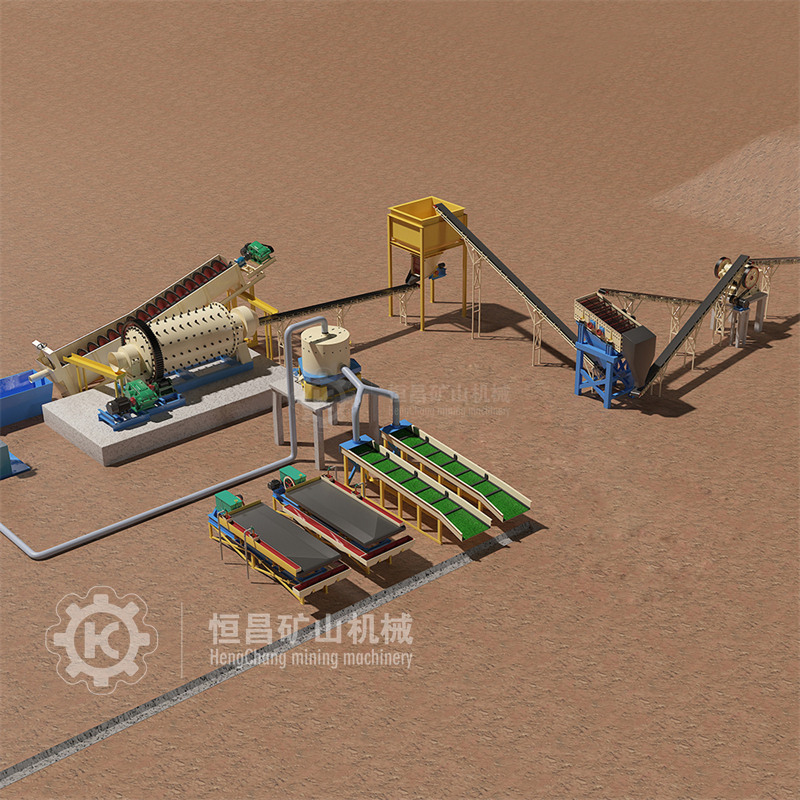
Let's break down the typical 5TPH flowsheet for monazite processing. This is a tried-and-true design that JXSC has used successfully in Nigeria and other parts of Africa.
The core principle is simple: crush, grind, separate, concentrate.
Here's the step-by-step process:
Feeding: Raw material (monazite-bearing sand) enters the plant via a hopper and feeder.Scrubbing & Washing: A drum scrubber or log washer breaks down clay and mud, freeing the monazite grains. This is crucial for alluvial deposits.
Screening: A vibrating screen removes oversize waste (+2-5mm). The undersize goes to the next stage.
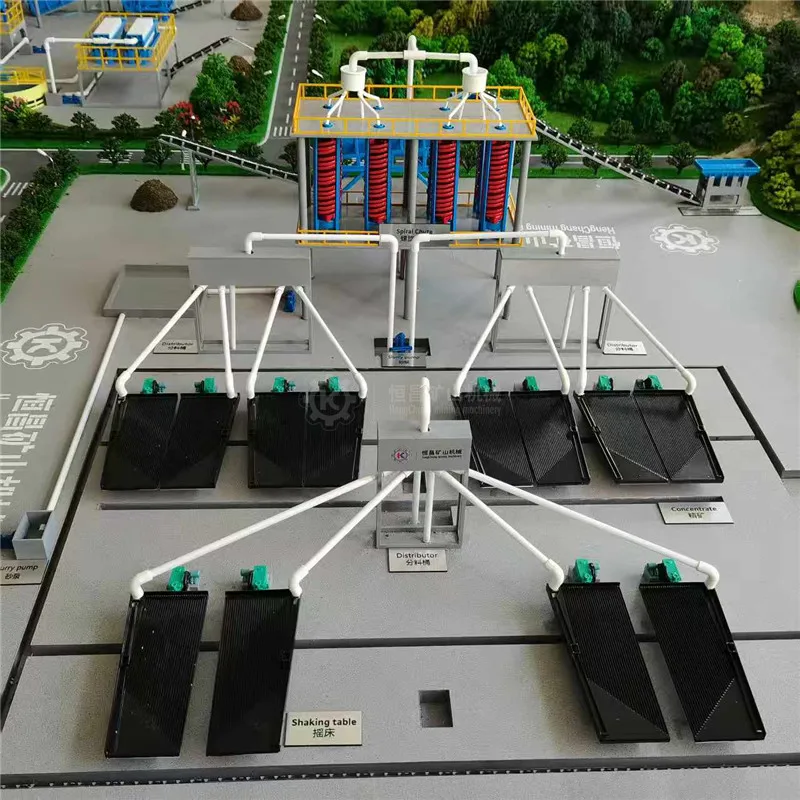
Gravity Separation: This is the heart of the plant. The material goes through a spiral concentrator or shaking table. Monazite is heavy (specific gravity ~4.9-5.3), so it concentrates in the heavy fraction. Light gangue (quartz, feldspar) is discarded.
Magnetic Separation: Monazite is weakly magnetic. A magnetic separator (usually a wet high-intensity magnetic separator – WHIMS) pulls out magnetic minerals like ilmenite and magnetite. Monazite passes through.
Electrostatic Separation: This is the final polishing step. An electrostatic separator separates conductive minerals (like rutile, ilmenite) from non-conductive monazite and zircon.
Final Concentrate: You're left with a high-grade monazite concentrate (typically 90%+ purity).
Pro tip: The exact equipment configuration depends on your ore. A JXSC engineer always visits the site or analyzes a sample before finalizing the flowsheet.
Equipment List for a 5TPH Monazite Plant (JXSC Supplied)
Here's the typical equipment you'd need for a 5TPH plant. This list is based on JXSC's proven designs for Nigerian and African monazite projects.
| Equipment | Quantity | Estimated Cost (USD)* | Notes |
|---|---|---|---|
| Feed Hopper with Vibrating Grizzly Feeder | 1 unit | $3,000 - $5,000 | 2-3 cubic meters capacity |
| Drum Scrubber (Φ1200×3000mm) | 1 unit | $8,000 - $12,000 | 5.5kW motor, for clay breaking |
| Vibrating Screen (1-layer, 1200×2400mm) | 1 unit | $4,000 - $6,000 | 5.5kW, screen mesh 2-5mm |
| Spiral Concentrator (4-6 turns) | 2 units | $2,000 - $3,500 each | FG or LL series, fiberglass |
| Shaking Table (6-S type, 4500×1850mm) | 2 units | $3,500 - $5,500 each | For fine gold/monazite recovery |
| Wet High-Intensity Magnetic Separator (WHIMS) | 1 unit | $15,000 - $25,000 | 15,000 Gauss, for ilmenite/magnetite removal |
| Electrostatic Separator | 1 unit | $10,000 - $18,000 | High voltage DC, single- or double-roll |
| Slurry Pumps (2-3 units) | Set | $2,000 - $4,000 total | 2-3 inch rubber-lined |
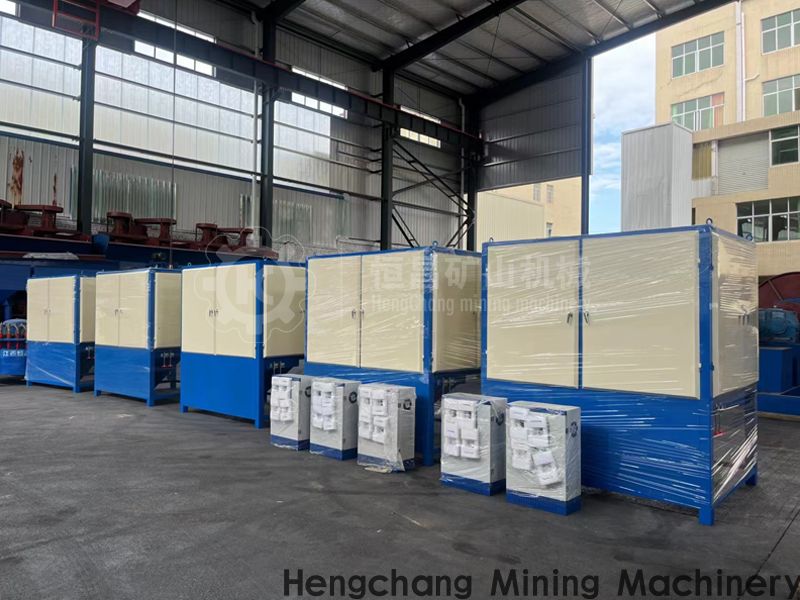
| Control Panel & Cables | 1 set | $1,000 - $2,000 | Simple manual controls |
| Pipes, Valves, Chutes | 1 set | $2,000 - $3,000 | PVC or mild steel |
Total Estimated Equipment Cost: $50,000 - $85,000 (excl. shipping, installation, and civil works).
JXSC in Action: Real African Case Studies
JXSC isn't a new kid on the block. They've been supplying equipment to Africa for over 30 years. Here are a few examples:
Nigeria (Jos & Oyo State): Multiple 5TPH and 10TPH monazite plants processing alluvial sands from old tin mining areas. JXSC helped local miners increase recovery from 60% to 85%.Mozambique (Zambezia Province): A 10TPH monazite + zircon plant using spirals and WHIMS. The client reported a 30% reduction in operating costs compared to their previous setup.
Real talk from a Nigerian miner: "Before JXSC, we were losing half our monazite to the tailings. Their spiral concentrator design changed everything. Now we get 85% recovery, and the equipment is bulletproof."
How Monazite Processing Works: The Simple Science
Let me explain the physics in plain English.
Gravity Separation: Monazite is heavy. When you put it on a shaking table or spiral, the heavy particles (monazite) move to the top or inner edge, while light sand (quartz) washes away. It's like panning for gold, but on an industrial scale.Magnetic Separation: Monazite is weakly magnetic (paramagnetic). Strong magnets (10,000-15,000 Gauss) pull out other magnetic minerals like ilmenite. Monazite, being less magnetic, stays behind and flows out.
Electrostatic Separation: Monazite is a non-conductor. When you apply high voltage, conductors (like rutile, ilmenite) lose their charge quickly and fall off the roll. Non-conductors (monazite, zircon) stick longer and are collected separately.
It's all about exploiting differences in density, magnetic susceptibility, and electrical conductivity.
Why JXSC Equipment is a Good Fit for African Miners
You might be thinking, "Can I just buy cheaper equipment from China?" Sure, you can. But here's the catch – quality matters in Africa.
Rugged Build: JXSC uses thicker steel (e.g., 8-10mm for scrubbers) compared to cheap brands (4-6mm). This means the equipment survives rough handling and high wear.Easy Maintenance: All bearings are sealed. Spiral concentrators are fiberglass (lightweight). Screens use standard mesh that's available locally.
Low Power Consumption: A 5TPH plant typically consumes 30-40kW total. In Africa where diesel is expensive, this is a huge cost saver.
After-Sales Support: JXSC has a service center in Lagos, Nigeria, and sends engineers for commissioning. They also stock spare parts like belts, bearings, and screen cloth.
Comparison with Other Brands:
VS local fabricators: JXSC offers professional engineering, not just "weld a box." Their equipment is based on decades of mineral processing R&D.
VS other Chinese suppliers: JXSC is one of the few that customizes for African conditions (high humidity, sandy environments, irregular power supply). Many budget brands don't adjust for this, leading to frequent breakdowns.
VS European/American brands: JXSC is 40-60% cheaper than Western equipment (like Holman or Outotec). For a 5TPH plant, the ROI is often under 6 months for African miners.
Daily Maintenance for Your Monazite Plant (Must-Read for Operators)
If you're a new technician or a mine owner, pay attention here – this will save you thousands in repair costs.
Daily (Every Shift):
Lubricate bearings (spiral concentrator, shaking table, screen). Use lithium-based grease every 8 hours.Check slurry levels in pumps. Avoid running dry – this kills the impeller.
Inspect screen cloth. If it's torn, replace it immediately. A torn screen sends waste into your concentrate.
Flush magnetic separator matrix. Clean it once per shift with a high-pressure water gun.
Weekly:
Check belts and pulleys. Tighten if they're loose. Worn belts can slip and cause power loss.Test electrostatic separator rolls. A dirty roll (with dust) reduces separation efficiency. Wipe with a damp cloth.
Inspect spiral concentrator splitters. If they're misaligned, your concentrate grade drops.
Monthly:
Drain and change pump oil. Use the manufacturer's recommended grade (usually SAE 30).Check shaking table deck roughness. If it's too smooth, you lose monazite. Re-paint with epoxy if needed.
Inspect magnetic roll surface. Scratches or wear reduce magnetic field strength.
Pro tip: Keep a maintenance log. Note any unusual noise (like rattling in the scrubber) or vibration. Early detection saves you days of downtime.
What Ores Does a Monazite Plant Process?
This flowsheet is flexible. It can handle:
Alluvial tin or coltan tailings (often contain monazite as a byproduct)
Hard rock monazite (after crushing and grinding)
Heavy mineral sands (ilmenite, rutile, zircon, monazite)
Not suitable for: Ores with high clay content (>30%) or extremely fine mud. In those cases, you need a de-sliming cyclone before the gravity separator. JXSC can add that for an extra $3,000-$5,000.
Final Word: Should You Invest in a 5TPH Monazite Plant?
Yes, if:
You have a confirmed monazite deposit (ideally 0.5-2% monazite in the sand).You have 24/7 access to water and power (or a diesel generator).
You're looking for a fast ROI – usually 6-12 months at current monazite prices ($1,000-$1,500/ton for 90% concentrate).
You're willing to invest in good equipment and maintenance. Cheap knockoffs cost you more in the long run.
No, if:
You're processing less than 2 tons per hour. Below that, a smaller test plant or manual method might be cheaper.You don't have a reliable supply chain for consumables (like screen cloth, pump impellers).
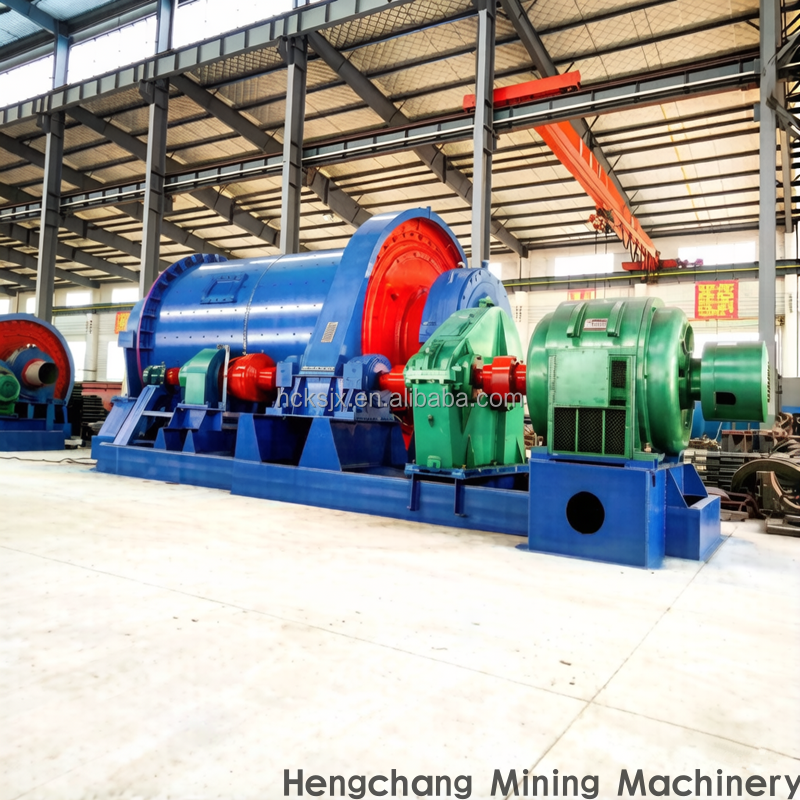
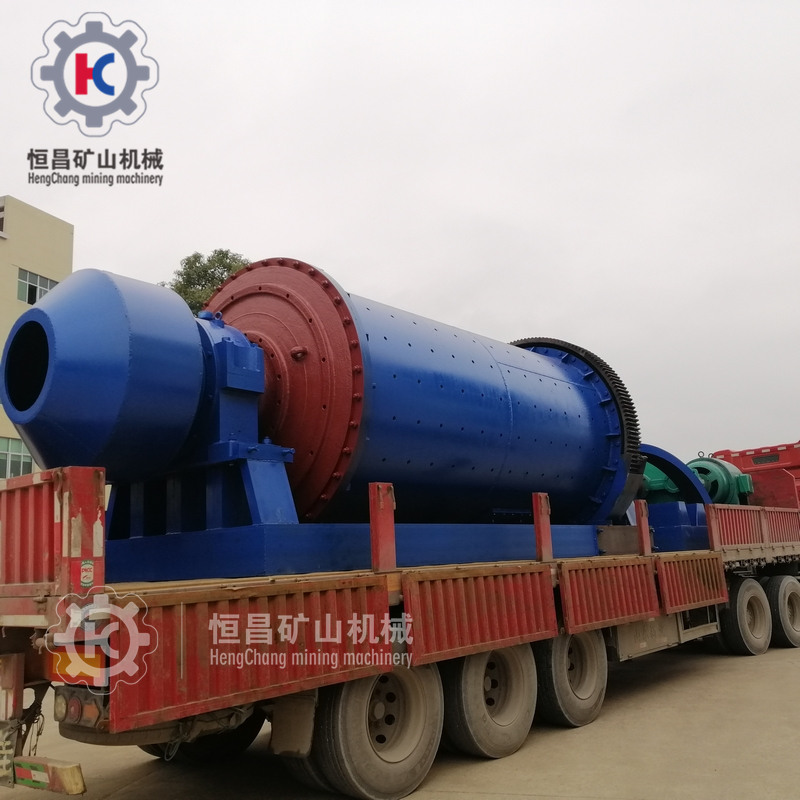
Your monazite is locked in hard rock that requires expensive crushing (that's a different flowsheet with a ball mill).
Final Bottom Line: A JXSC 5TPH monazite processing plant is a proven, reliable solution for African miners. The flowsheet is simple, the equipment is durable, and the support is local. If you're serious about monazite, give JXSC a call. Ask for a sample test – they do it for free.
Good luck, and may your concentrate grades be high!
— Written for the hardworking miners of Africa. Keep digging smart.