Chinese


JXSC South Africa CIP Gold Mining Equipment Selection: Models, Processing Capacity, and Case Studies
Introduction to CIP Gold Mining Equipment
Hey there, miners and mining enthusiasts! If you're looking for a reliable and efficient way to extract gold from your ore, you've come to the right place. In this article, we'll dive into the world of CIP (Carbon-in-Pulp) gold mining equipment, specifically focusing on the top-notch solutions provided by [江西恒昌矿山机械设备] (JXSC). We'll cover everything from what CIP is, how it works, its benefits, and even some real-world case studies from various African countries. So, let's get started!
What is CIP Gold Mining?
CIP, or Carbon-in-Pulp, is a method used in gold recovery where activated carbon is added to the pulp of the leaching tank. The carbon adsorbs the gold, which is then separated from the pulp. This process is highly effective and widely used in the mining industry, especially for low-grade ores.
How Does CIP Work?
Leaching: The gold-bearing ore is first crushed and ground into a fine powder. This powder is then mixed with a cyanide solution in a leaching tank.Adsorption: Activated carbon is added to the slurry. The carbon adsorbs the gold from the solution.
Separation: The carbon, now loaded with gold, is separated from the slurry using screens or filters.
Elution: The gold is then stripped from the carbon using a hot caustic solution.
Electrowinning: The gold is finally recovered from the solution through electrowinning, where it is deposited onto steel wool.
Structure and Features of CIP Equipment
The CIP system consists of several key components:
Leaching Tanks: These are large tanks where the ore is mixed with the cyanide solution.Pulp Agitators: These keep the pulp well-mixed to ensure even distribution of the cyanide solution.
Activated Carbon Adsorption Columns: These columns contain the activated carbon that adsorbs the gold.
Screens and Filters: Used to separate the carbon from the pulp.
Elution Column: Where the gold is stripped from the carbon.
Electrowinning Cells: Where the gold is finally recovered.
Why Choose JXSC CIP Equipment?
High Efficiency: JXSC's CIP systems are designed to maximize gold recovery rates.
Durability: Built to last, these systems can handle the harsh conditions of a mining environment.
Customizable: JXsc offers a range of models to suit different processing capacities and ore types.
Expert Support: Their team provides comprehensive support, from installation to maintenance.
Applicable Ores and Processing Capacity
CIP is particularly effective for low-grade gold ores, but it can also be used for other precious metals like silver. The processing capacity of JXSC's CIP systems ranges from 50 tons per day to over 1000 tons per day, making them suitable for both small and large-scale operations.
Processing Capacity Parameters
Small Scale: 50-100 tons/dayMedium Scale: 100-500 tons/day
Large Scale: 500-1000+ tons/day
Real-World Case Studies in Africa
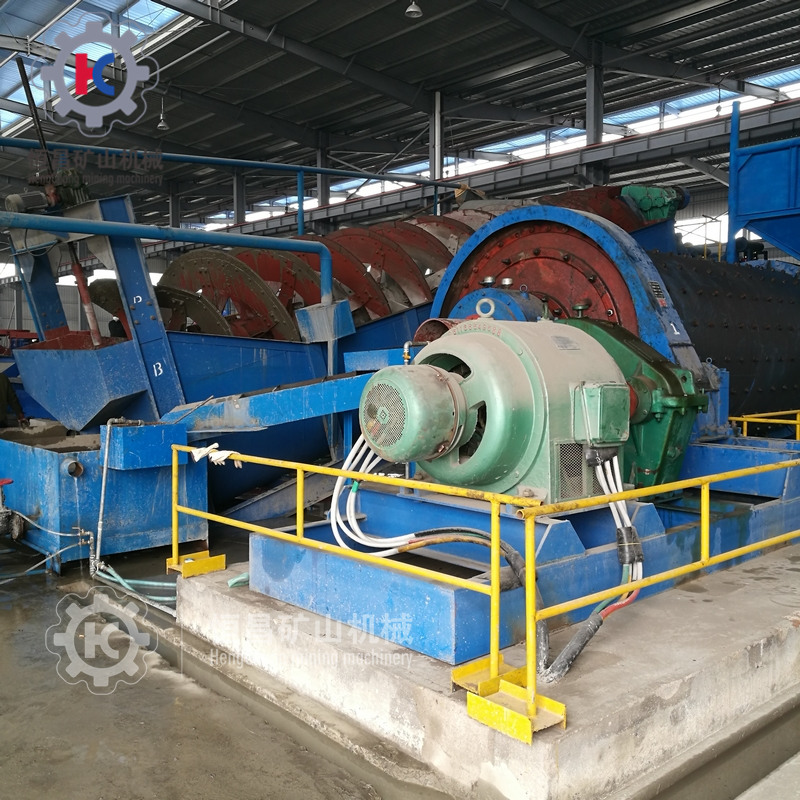
Case Study 1: Ghana
In Ghana, a medium-scale gold mine was struggling with low recovery rates. After implementing JXSC's CIP system, they saw a significant increase in their gold recovery, from 85% to 95%. The system's robust design and efficient operation made a huge difference in their profitability.
Case Study 2: Tanzania
A large-scale gold mine in Tanzania needed a reliable and high-capacity CIP system. JXSC provided a custom-designed solution that could handle over 1000 tons of ore per day. The system has been running smoothly for over five years, with minimal downtime and excellent recovery rates.
Case Study 3: Zimbabwe
In Zimbabwe, a small-scale gold mine was looking for an affordable yet effective CIP system. JXSC's smaller model fit their needs perfectly, providing a cost-effective solution that improved their gold recovery rates and overall efficiency.
Daily Operation and Maintenance
Proper operation and maintenance are crucial for the longevity and efficiency of your CIP system. Here are some tips:
Regular Inspections: Check for wear and tear on all components, especially the agitators and screens.Cleaning: Regularly clean the carbon adsorption columns and elution columns to prevent buildup.
Maintenance Schedule: Follow the manufacturer's recommended maintenance schedule to ensure optimal performance.
Training: Ensure that your operators are well-trained and understand the system's operation and safety protocols.
Comparison with Other Gold Recovery Methods
While CIP is highly effective, it's not the only method available. Here's a quick comparison with other common methods:
CIL (Carbon-in-Leach): Similar to CIP, but the carbon is added directly to the leaching tanks. This can be more efficient for certain ores.Heap Leaching: Suitable for low-grade ores, but requires a large area and longer processing times.
Gravity Separation: Effective for coarse gold, but less efficient for fine gold particles.
Summary and Key Takeaways
CIP is a highly effective method for gold recovery, especially for low-grade ores.JXSC's CIP systems offer high efficiency, durability, and customization options.
Real-world case studies from Africa demonstrate the success of JXSC's CIP systems.
Proper operation and maintenance are essential for optimal performance.
CIP compares favorably to other gold recovery methods in many scenarios.
If you're looking to improve your gold recovery rates and boost your mine's profitability, JXSC's CIP systems are definitely worth considering. With their proven track record and expert support, you can trust that you're getting a top-quality solution. Happy mining!
Feel free to reach out to [江西恒昌矿山机械设备] (JXSC) for more information and to discuss your specific needs.