Chinese


JXSC Nigeria Zircon Sand Processing Plant 5TPH Complete Production Line Cost and Flow
Thinking about setting up a zircon sand processing plant in Nigeria? You're not alone.
Nigeria is rich in mineral sands, especially zircon. But turning raw sand into high-purity zircon concentrate? That takes the right equipment and a smart process flow.
Today, I'm breaking down the JXSC Nigeria 5TPH Zircon Sand Processing Plant – what it costs, how it works, and why it's a solid choice for small-to-medium scale operations.
Let's get into it.
What Is a Zircon Sand Processing Plant?
Simply put, it's a production line that separates zircon from other heavy minerals like ilmenite, rutile, and silica sand.
Zircon is valuable for ceramics, refractory materials, and even nuclear applications. But raw sand is messy. You need to crush, screen, gravity separate, and magnetic separate to get clean zircon.
A 5TPH plant means it processes 5 tons of raw feed per hour. Perfect for small mines, artisanal cooperatives, or medium-scale operators.
Why Nigeria? Why JXSC?
Nigeria has huge zircon deposits in places like Plateau, Kaduna, and Bauchi. But miners often struggle with outdated equipment, high costs, or low recovery rates.
JXSC (Jiangxi Shicheng Mining Equipment Factory) has been in the game for decades. Their Nigerian plants are designed for local conditions – high humidity, variable feed grades, and limited technical support.
Here's the deal: JXSC makes equipment that's tough, simple to maintain, and optimized for African mineral sands.
The Complete Production Flow (Step-by-Step)
Let's walk through the actual line. No fluff, just the steps.
Step 1: Feed Preparation
Raw sand enters a hopper with a vibrating feeder. This feeds material evenly into the system. A washing trommel removes clay and oversize rocks (usually >10mm).
Equipment: Vibrating feeder + Trommel scrubber + Water spray system.
Step 2: Screening
Material drops into a vibrating screen with 2-3 decks. This separates sand by size. Coarse particles go back to the trommel. Fine particles move forward.
Equipment: Single-deck or double-deck vibrating screen (usually 0.5mm to 2mm mesh).
Step 3: Gravity Separation – The Heart of the Plant
This is where zircon actually separates from quartz and light sand.
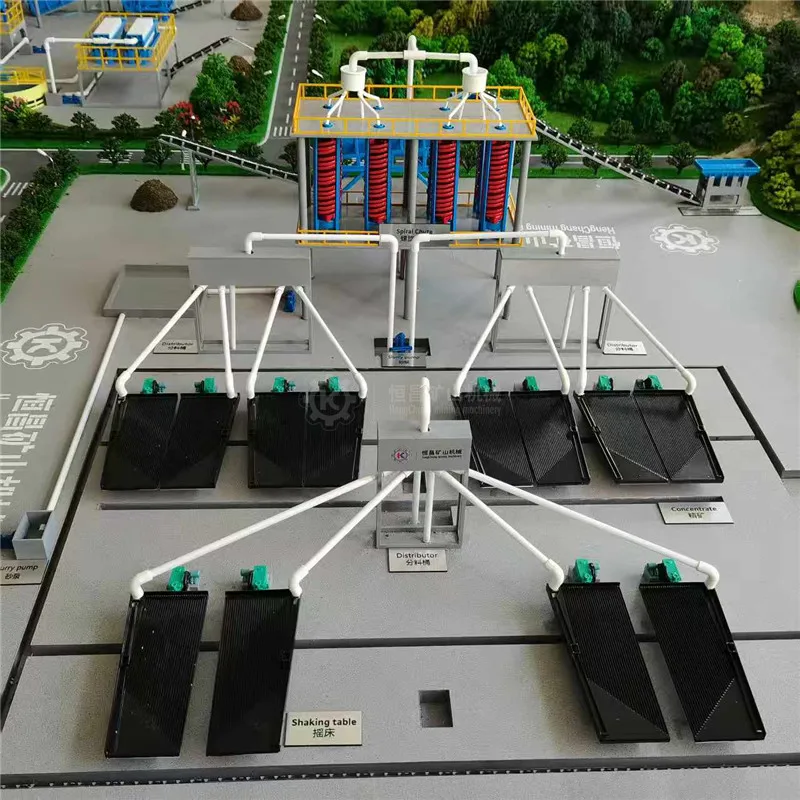
The wet sand slurry flows into a spiral concentrator (or a set of spirals). Heavier zircon grains sink to the inner spirals, while lighter quartz washes out.
For 5TPH, you'll typically use 4-6 spiral concentrators in parallel.
Equipment: Fiberglass spiral concentrators (FX-5 or similar).
Step 4: Shaking Table Concentration
The heavy concentrate from the spirals goes to a shaking table. This further cleans the zircon. You get a high-grade concentrate (80-90% zircon) and a separate tailing.
Equipment: Single-deck or double-deck shaking table (e.g., 6-S type).
Step 5: Magnetic Separation (Dry)
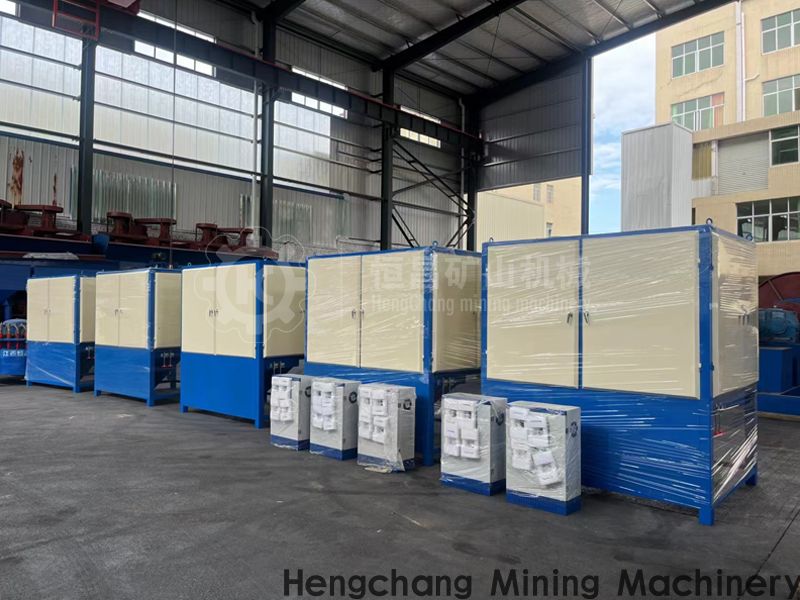
Wet concentrate is dried (naturally or with a small dryer). Then you run it through a dry magnetic separator. This pulls out weakly magnetic minerals like ilmenite and hematite. Zircon is non-magnetic, so it stays.
Equipment: Three-roll electromagnetic separator (3RCT series).
Step 6: Electrostatic Separation (Optional)
For ultra-pure zircon (99.5%+), you add an electrostatic separator. This uses high voltage to separate conductive minerals (rutile) from non-conductive ones (zircon).
Equipment: High-tension electrostatic separator (2 rolls).
What Ore Types Can This Line Process?
This plant is designed for zircon sand specifically, but it also works for:
Ilmenite sand (common in Nigerian beach sands)Rutile sand
Monazite sand (with caution – contains radioactivity)
Kaolin sand (if coarse waste is removed)
Not recommended for: Clay-rich ores (need more washing), hard rock ores (need crushing first).
Estimated Cost of a 5TPH JXSC Zircon Sand Plant
I'll give you a ballpark. Costs vary by equipment configuration, shipping, and local import duties. But here's a rough breakdown:
| Component | Estimated Cost (USD) |
|---|---|
| Complete processing line (equipment only) | $35,000 – $55,000 |
| Trommel + screen + spirals | $15,000 – $20,000 |
| Shaking table (single) | $3,500 – $5,000 |
| Dry magnetic separator | $8,000 – $12,000 |
| Electrostatic separator (if needed) | $8,000 – $15,000 |
| Installation + training (onsite) | $2,000 – $5,000 |
| Shipping to Lagos/Port Harcourt | $3,000 – $6,000 |
Total estimated cost: $35,000 – $80,000 USD, depending on your exact needs.
JXSC offers modular packages – you can start with spirals and tables, then add magnetic separators later.
Processing Capacity & Performance
Raw feed: 5 tons per hour (10-hour shift = 50 tons/day)Zircon recovery rate: 85-92% (with proper setup)
Final concentrate grade: 88-95% ZrO₂ (with shaking table + magnetic separation)
Water consumption: 15-20 m³ per hour (recirculated if possible)
Power consumption: ~60-80 kW total (motors + pumps)
Real-world example: A JXSC 5TPH plant in Kaduna State (Nigeria) produces about 1.5-2 tons of clean zircon concentrate per shift from 50 tons of raw sand. That's a 3-4% yield, which is typical for Nigerian deposits.
Maintenance Tips (Don't Skip These)
#1 – Wash spirals every 4-6 hours. Spiral grooves clog with slimes. A water hose does the trick.
#2 – Check shaking table deck surface. If the rubber or cloth wears out, separation suffers. replace yearly.
#3 – Magnet separator belt alignment. Off-center belts cause uneven separation and overheating.
#4 – Keep water pH neutral. Acidic water corrodes steel frames. Use basic pH water if possible.
#5 – Train a local operator. JXSC provides operator manuals and sometimes onsite training. Don't rely on a remote engineer.
How Does JXSC Compare to Other Suppliers?
| Feature | JXSC | Chinese Generic Suppliers | Western (e.g., Metso, Outotec) |
|---|---|---|---|
| Price | Moderate | Low | High |
| Spare parts | Available via distributor | Hard to find | Easy but expensive |
| Recovery rate | 88-92% | 80-85% | 92-96% |
| Support for Africa | Specific Nigerian setup | Generic | Minimal |
| Ease of maintenance | Simple, manual | Simple | Complex, automation required |
Verdict: JXSC is the sweet spot for small-to-medium African operators. You get proven technology, reasonable cost, and local support.
Application Scenarios Summary
This plant fits:
Artisanal miners upgrading from manual panningCooperative processing centers (shared between small miners)
Medium-scale mining operations (50-100 tons/day)
Buyers who want to sell concentrated zircon to global markets
Not suited for:
Large-scale (100+ TPH) – need modular lineHigh-clay ores without pre-washing system
Radioactive monazite-heavy ores (needs radiation monitoring)
Final Thoughts
A 5TPH JXSC zircon sand processing plant is a practical, cost-effective entry point for Nigerian miners. With proper setup and maintenance, it delivers consistent, high-grade zircon concentrate.
Action steps:
Test your raw sand with JXSC's lab (send 50kg sample).Get a customized flow sheet and quote.
Factor in shipping, installation, and operator training.
Start with gravity separation only, add magnetic later.
Zircon is a high-value sand – don't leave money on the table.
Got questions? drop them in the comments. I'm happy to help.