Chinese


JXSC South Africa Gold CIP Plant Equipment Selection: Models, Capacity & Case Studies
Introduction to CIP Plants
When it comes to gold extraction, the Carbon-in-Pulp (CIP) process is a game-chner. This method involves leaching gold from ore and then adsorbing it onto activated carbon. The result? High recovery rates and efficient processing. But what makes a CIP plant tick, and how do you choose the right equipment for your needs? Let's dive in!
What is a CIP Plant?
A CIP plant is a specialized facility designed to extract gold from ore using a combination of leaching and adsorption. The process involves mixing finely ground ore with a cyanide solution, which dissolves the gold. Activated carbon is then added to the slurry to adsorb the dissolved gold, making it easy to recover.
How Does a CIP Plant Work?
Step 1: Ore Preparation
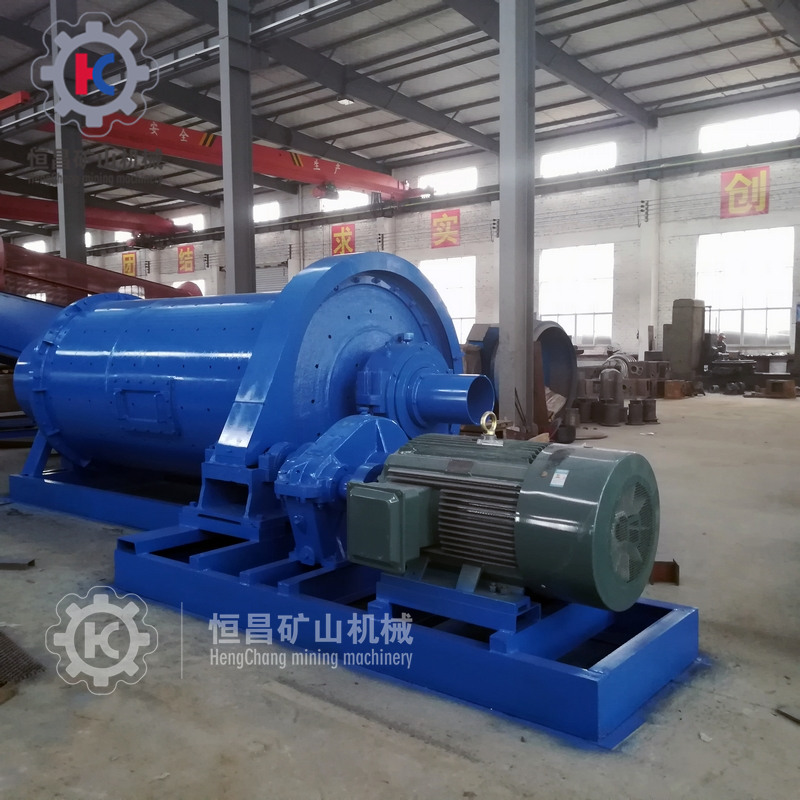
Crushing and Grinding: The ore is first crushed and ground to a fine powder.Leaching: The fine ore is mixed with a cyanide solution in large tanks. The cyanide dissolves the gold, creating a gold-cyanide complex.
Step 2: Adsorption
Carbon Addition: Activated carbon is added to the slurry. The carbon has a high affinity for the gold-cyanide complex and adsorbs it from the solution.Carbon Separation: The loaded carbon is separated from the slurry using screens or filters.
Step 3: Elution and Recovery
Elution: The gold is stripped from the carbon using a hot caustic solution.Electrowinning: The gold is then recovered from the eluate through electrowinning, where it is deposited on steel wool cathodes.
Structure and Components of a CIP Plant
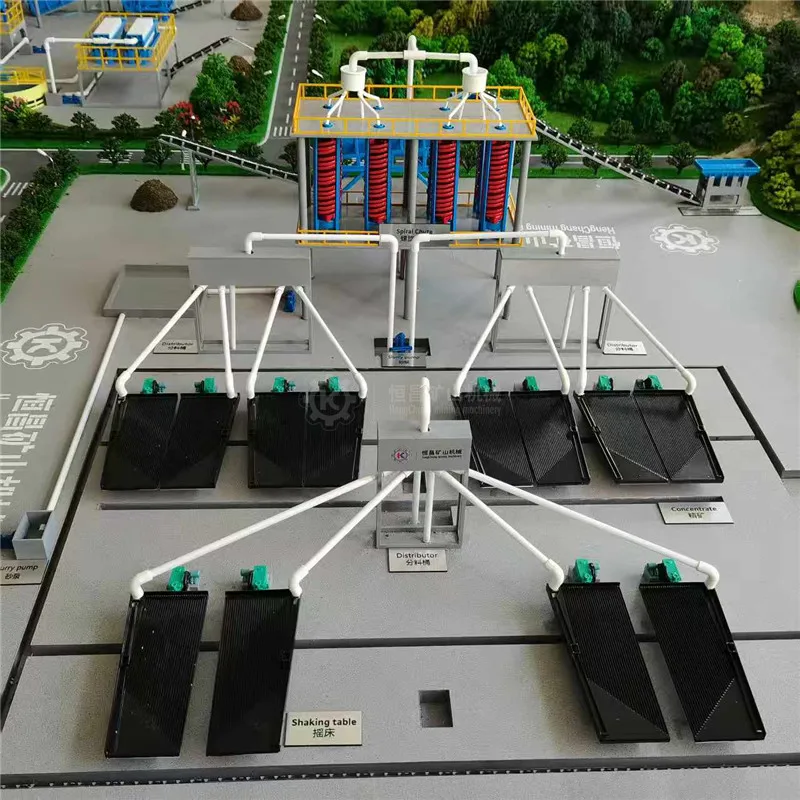
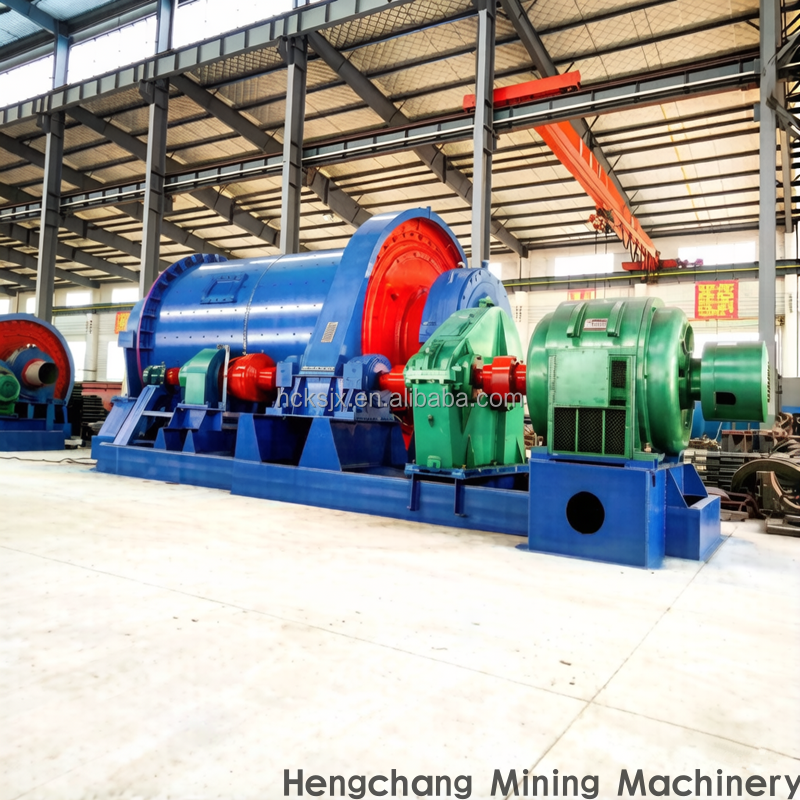
Tanks: Large tanks for leaching and adsorption.Pumps and Piping: For moving the slurry and solutions.
Screens and Filters: For separating the carbon from the slurry.
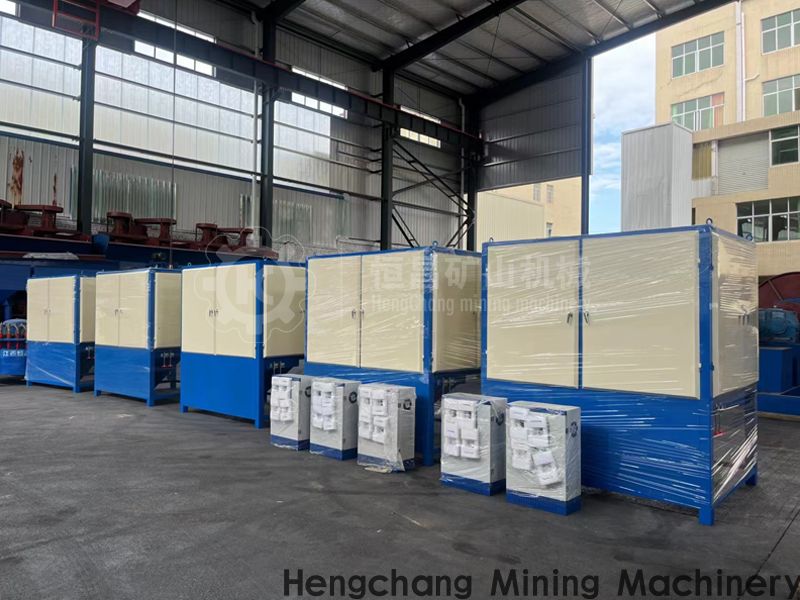
Electrowinning Cells: For recovering the gold.
Control Systems: Automated systems for monitoring and controlling the process.
Suitable Ores for CIP Plants
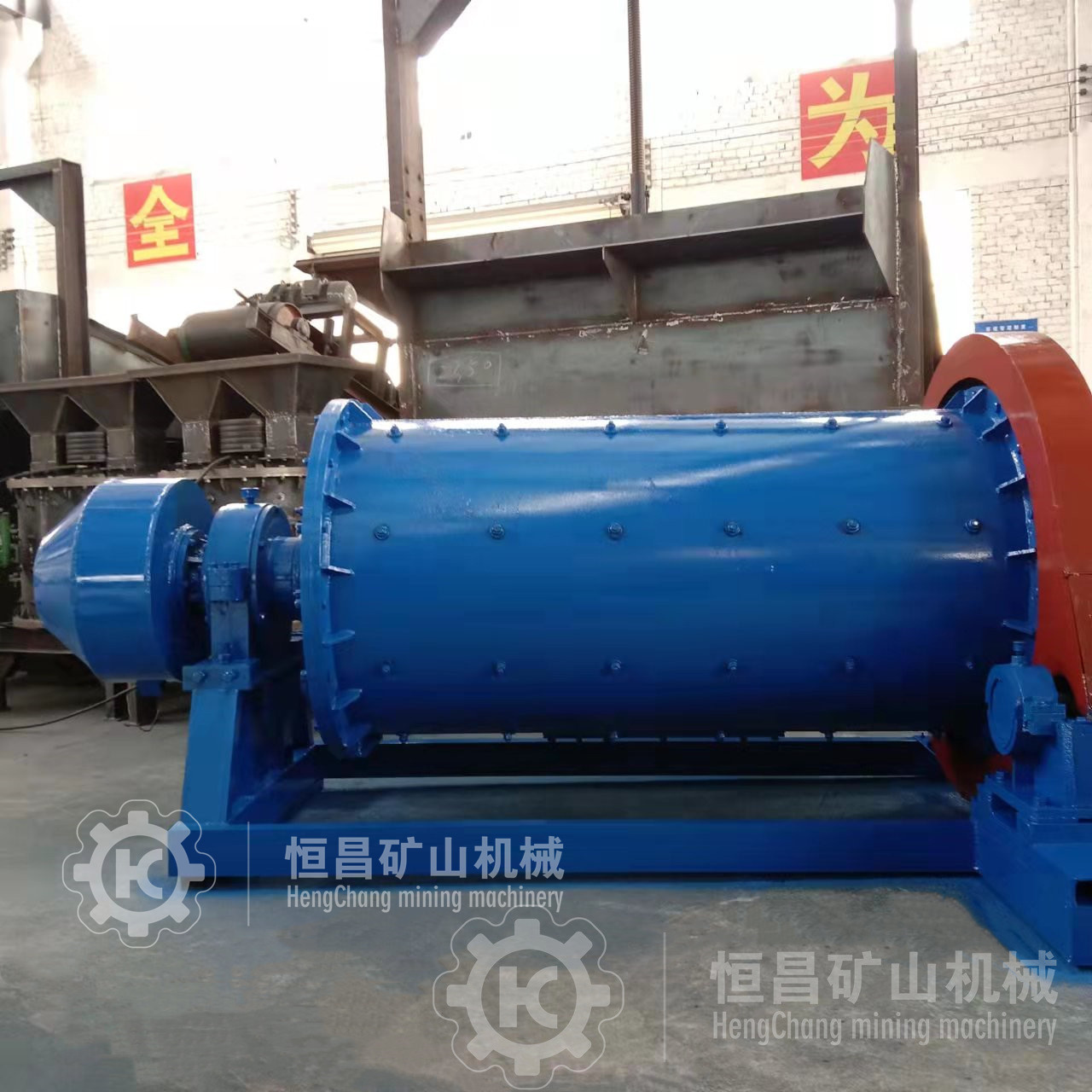
CIP plants are particularly effective for:
Gold Ores: Especially those with fine-grained gold.Silver Ores: Can also be processed, but with some modifications.
Complex Ores: Ores containing other valuable metals like copper and zinc.
Advantages of CIP Plants
High Recovery Rates: Typically over 90%.Efficient Processing: Continuous operation with minimal downtime.
Versatility: Can handle a wide range of ore types.
Environmentally Friendly: Properly managed, the process minimizes environmental impact.
Case Studies: CIP Plants in Africa
Case Study 1: Ghana
Location: Ashanti Region, GhanaOre Type: Gold-bearing quartzite
Capacity: 500 tpd
Results: Increased gold recovery by 15% compared to traditional methods.
Case Study 2: South Africa
Location: Witwatersrand, South AfricaOre Type: Refractory gold ore
Capacity: 1,000 tpd
Results: Achieved 95% gold recovery, significantly reducing operational costs.
Case Study 3: Zimbabwe
Location: Bulawayo, ZimbabweOre Type: Alluvial gold
Capacity: 200 tpd
Results: Enhanced gold recovery and reduced processing time by 30%.
Equipment Selection: JXSC Mining Machinery
When it comes to choosing the right CIP plant equipment, [JXSC Mining Machinery] stands out. Here’s why:
Models and Capacities
JXSC-1000: 1,000 tpdJXSC-500: 500 tpd
JXSC-200: 200 tpd
Key Features
High Efficiency: Advanced leaching and adsorption technologies.Durable Construction: Built to withstand harsh mining conditions.
Customizable: Tailored to meet specific ore and capacity requirements.
Energy Efficient: Optimized for low power consumption.
Daily Operation and Maintenance
Operation Tips
Regular Monitoring: Keep an eye on pH levels, cyanide concentration, and carbon loading.Consistent Feeding: Ensure a steady and consistent feed rate to the leaching tanks.
Proper Mixing: Maintain thorough mixing to ensure optimal leaching.
Maintenance Tips
Tank Inspections: Regularly check for leaks and wear.Carbon Regeneration: Periodically regenerate the carbon to maintain its adsorption capacity.
Screen and Filter Cleaning: Clean and replace as needed to prevent clogging.
Comparison with Other Methods
CIP vs. CIL (Carbon-in-Leach)
CIP: More suitable for ores with fine-grained gold. Higher recovery rates.CIL: Better for ores with coarse gold. Simpler process, but lower recovery rates.
CIP vs. Heap Leaching
CIP: Faster and more efficient, ideal for higher-grade ores.Heap Leaching: Slower but more cost-effective for lower-grade ores.
Conclusion
Choosing the right CIP plant equipment is crucial for maximizing gold recovery and operational efficiency. [JXSC Mining Machinery] offers a range of high-quality, customizable CIP plants that have proven their worth in various African countries. With proper operation and maintenance, these plants can deliver outstanding results, making them a top choice for miners and operators alike.
If you're looking to set up or upgrade your CIP plant, consider [JXSC Mining Machinery] for reliable, efficient, and cost-effective solutions. Happy mining!