Chinese


What are the Differences in the Working Principles of Ball Mill and Gold Grinding Mill?
Although ball mills and gold grinding mills (commonly called wet pan mills / amalgamation grinders / Chilean mills) are both used for comminution in mineral processing—especially in small-to-medium-scale gold operations—they differ significantly in working principle, grinding mode, and application focus.
⚙️ 1. Ball Mill – Working Principle
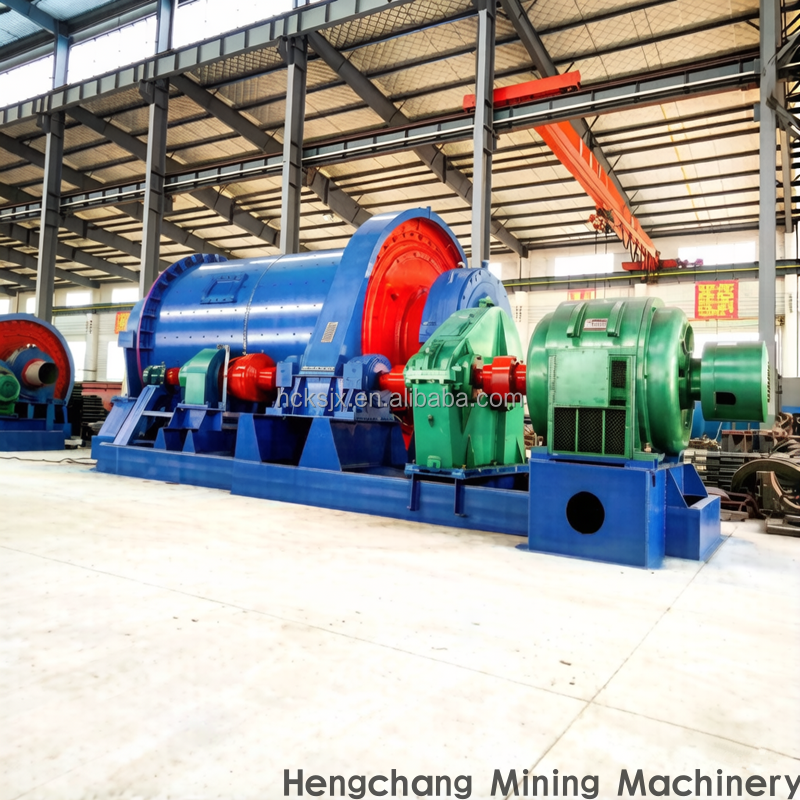
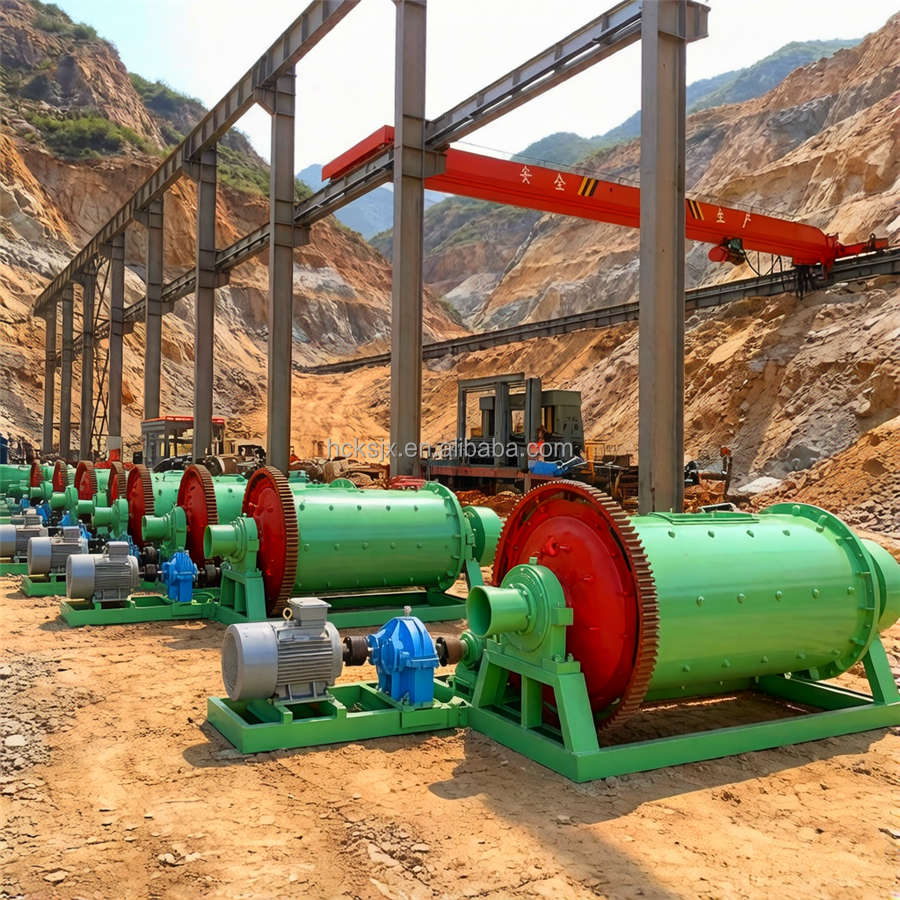
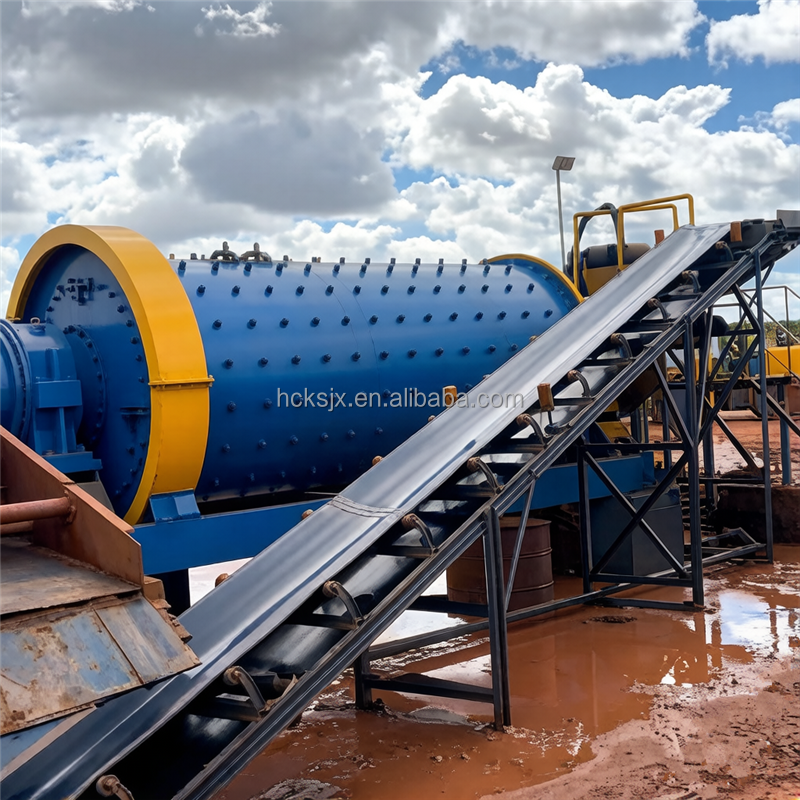
A ball mill is a rotating cylindrical drum partially filled with steel balls (or forged/cast grinding media).
How it works:
1. Rotating Drum – The cylinder rotates around its horizontal axis, driven by a motor and gear reducer.
2. Cascading / Cataracting Action – As the drum rotates, the grinding media are lifted and then drop onto the ore under gravity.
3. Grinding Mechanisms:
Impact crushing → when heavy balls fall from near the top of the shell.
Attrition / compression → when balls roll over each other at the toe of the charge.
4. Discharge – Ground slurry (wet grinding) or powder (dry grinding) exits through a discharge trunnion or grate.
Primary purpose: Size reduction — to liberate valuable minerals (gold, copper, etc.) from gangue before gravity or flotation separation.
Typically operates in closed circuit with hydrocyclones or screens.
⚙️ 2. Gold Grinding Mill (Wet Pan Mill / Edge Runner Mill) – Working Principle
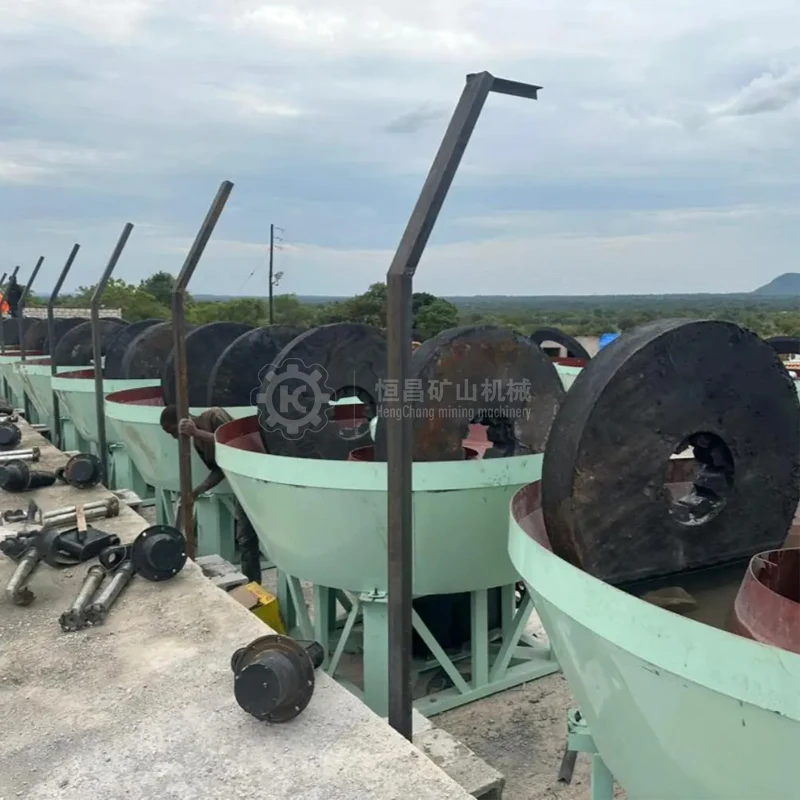
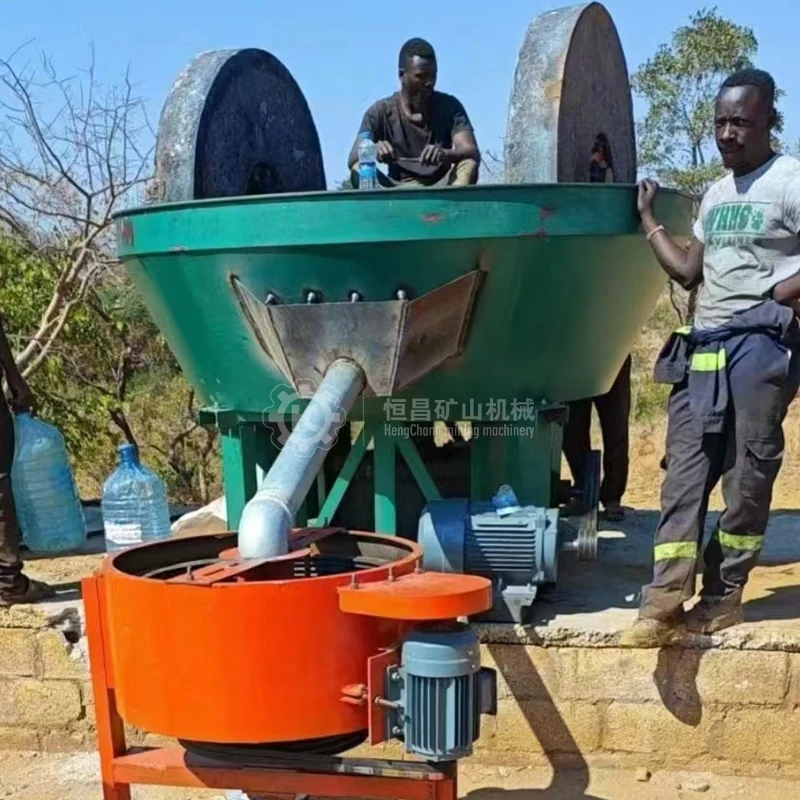
A gold grinding mill (wet pan mill) consists of a shallow circular pan with one or two heavy grinding rollers (muller wheels) that rotate and roll over the bottom of the pan.
How it works:
1. Ore + Water Added – Crushed ore (typically ≤25 mm) is fed into the pan with water to form a pulp.
2. Roller Rotation & Compression – The heavy rollers roll along the pan base under spring or dead-weight pressure.
3. Grinding Mechanism:
Continuous compressive/shearing action between roller and pan bottom (not impact-based).
Ore is repeatedly squeezed, sheared, and re-circulated within the pan.
4. Discharge / Amalgamation – Pulp overflows continuously or is scooped out; in gold plants, mercury (amalgamation) may be placed in the pan to directly capture liberated free gold.
Primary purpose: Simultaneous fine grinding + gravity gold recovery (amalgamation) in one unit—popular in artisanal and small-scale gold mining.
Practical Implication for Gold Plants
Ball Mill → Used when you need consistent fine grinding to liberation, followed by gravity separation (shaking table, centrifuge) or cyanidation. Common in formal/commercial gold plants.
Gold Grinding Mill (Wet Pan Mill) → Chosen for low-cost, all-in-one grinding + gold capture in small-scale operations, especially where capital is limited and amalgamation is still practiced (⚠️ environmental & health concerns with mercury).