Chinese


2026 4-Layer Shaking Table vs Gemini: Which One Cuts Your Mineral Processing Costs?
If you're running a mineral processing plant right now, you're probably feeling the pinch. Electricity bills going up, labor getting more expensive, and ore grades just keep getting lower. Every mining boss I talk to these days asks the same question: "How do I keep my costs down without losing recovery?"
And that's where the big debate comes in: should you buy a Gemini table (the old favorite), or jump on the new 2026 4-layer shaking table? I've been in this industry for years, installing and testing both machines across China, Africa, and South America. Let me give you a straight-up comparison to help you make the right call for your bottom line.
First, What Are We Talking About?
Gemini table – you all know this one. It's a single-deck shaking table, been around for decades. It's reliable, handles fine material well, but it only processes about 0.5 to 1.5 tons per hour. One deck, one job, one headache if you need big capacity.
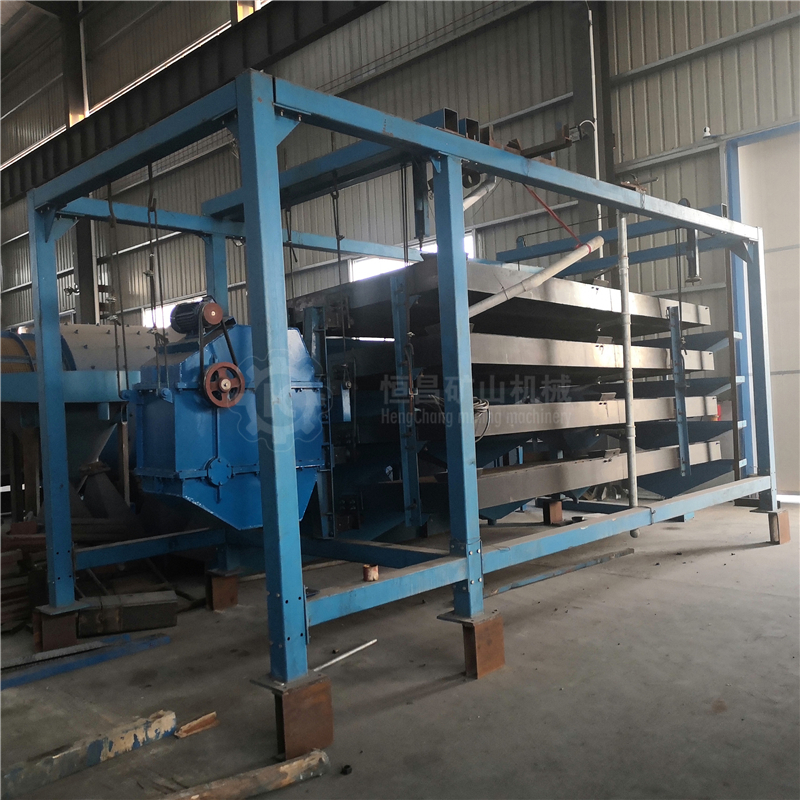
2026 4-layer shaking table – this is the new kid on the block from Jiangxi Hengchang Mining Machinery. It stacks four decks on top of each other, working simultaneously. Same footprint as a Gemini, but it can handle up to 4-6 tons per hour. That's 4 times the capacity, but the power consumption is barely 20% more. You start seeing the savings already, right?
Real Examples from the Field
I recently visited a small tungsten plant in Yunnan, China. They were running 6 Gemini tables side-by-side. Big room, lots of operators, a mountain of daily maintenance. They switched to two 4-layer tables from Hengchang and cut their labor force from 4 shifts down to just 2. Their electricity bill dropped by nearly 40% per ton processed. The boss told me his ROI was just 8 months. That's real-world savings.
But here's the kicker: in Africa, I saw a plant using Gemini for copper-cobalt recovery in DRC. They liked it because it's easy to fix if something breaks. But when they tried the 4-layer for the same job, they kicked out 15% more concentrate daily. Why? Because the multi-layer design creates a more stable gravity field on each deck, and the recovery on fine material (minus 200 mesh) was noticeably better.
How Do They Work? Let's Keep It Simple
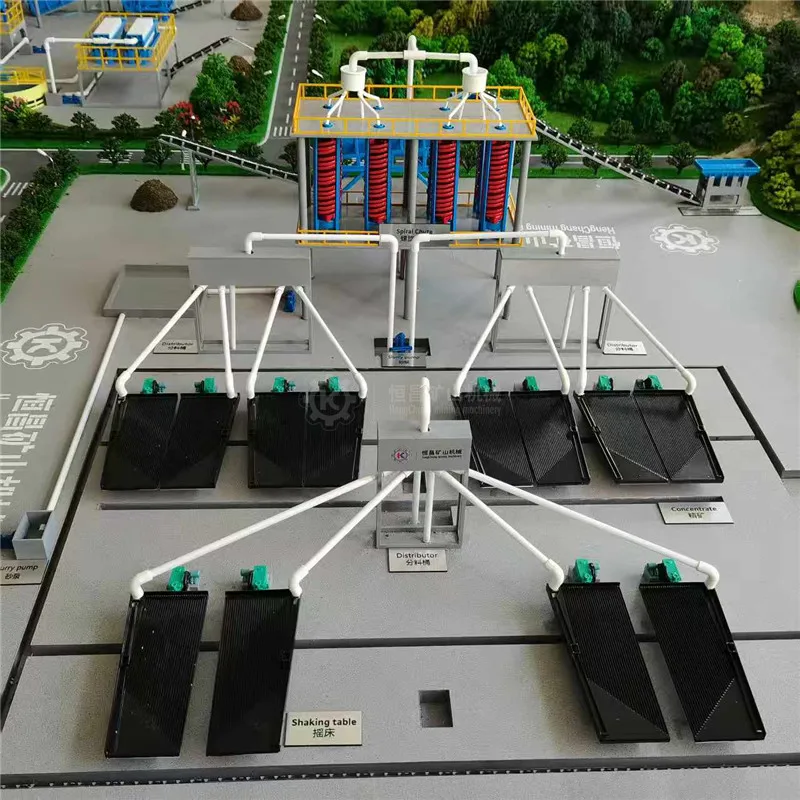
Both machines use gravity and water to separate heavy minerals from light ones. You feed slurry onto the deck, water washes across, and the deck shakes back and forth. Heavy particles (gold, tin, tungsten) move differently than light sand or gangue.
But here's the difference:
Gemini: One table, one pattern. You set the speed and tilt for one deck. That's all you get.4-Layer Table: Each deck can be adjusted slightly differently. If your material changes, you can tweak each deck's stroke, water flow, or tilt to optimize recovery. It's like having four Gemini tables stacked but controlled as one machine. Smart design, right?
Structural Features That Save You Money
2026 4-layer shaking table from Jiangxi Hengchang is built with heavy-duty steel frame, not wood or light aluminum like some old-style tables. That means it lasts longer in tough environments. The deck material is fiberglass with a special wear-resistant rubber coating. I've seen these run for 3 years straight without needing a resurface.
Here's a practical feature: the multi-layer design uses a single motor (3kW) to drive all four decks through a belt system. Compare that to four Gemini tables, each needing a 1.5kW motor – that's 6kW total versus 3kW. You cut power consumption in half right there.
Plus, maintenance is easier. One oil point, one belt to check. With four Geminis, you've got four motors to grease, four belts to replace, four sets of bearings. That adds up fast on your maintenance budget.
What Ores Work Best?
Both machines are great for:
Gold (alluvial and hard rock processing)Tungsten
Tin
Tantalum and columbium
Copper-cobalt
Even lithium mica in some recent tests
But the 4-layer really shines when processing fine material (below 0.5mm). Gemini tends to lose fine particles because the water flow can wash them away. The 4-layer's closed design keeps better water control, giving you higher recovery on those fines. That's money you were throwing away before.
Operating Parameters at a Glance
| Feature | Gemini (Single) | 4-Layer Table |
|---|---|---|
| Capacity | 0.5-1.5 t/h | 4-6 t/h |
| Power | 1.5 kW | 3 kW |
| Floor space | ~5 sqm | ~5 sqm (same!) |
| Operators needed | 1 per table | 1 per machine |
| Recovery rate | 85-92% | 90-95% |
| Price range (2026) | ~$8,000-$15,000 | ~$25,000-$35,000 |
See that? One 4-layer table costs more upfront, but when you add up the savings on power, labor, and floor space for the same capacity, you'll break even in under 12 months. And after that, everything is pure profit.
Daily Maintenance Tips
If you go with Gemini, expect to:
Check belts every shiftGrease bearings every 48 hours
replace deck surface every 6-8 months (depending on material)
Tune water distribution manually every few hours
For the 4-layer table, maintenance is simpler:
Check the single belt every few days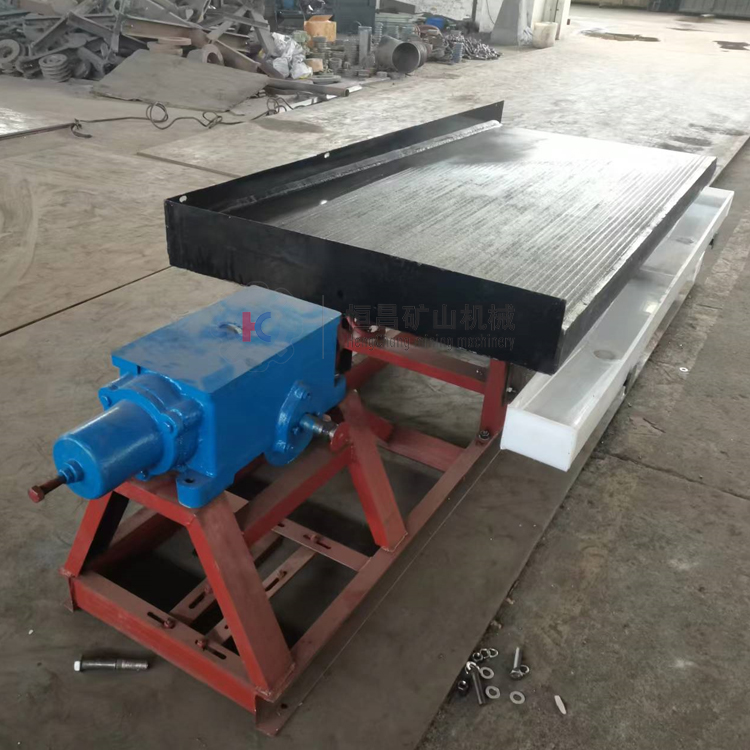
Clean the hopper regularly (material buildup is the biggest problem)
Inspect deck coating every 6 months
Pro tip from my years on the field: keep a spare set of belts and a bearing kit on hand for the 4-layer. You can get them directly from Jiangxi Hengchang's warehouse. That's all you'll need for routine breakdowns.
Which One Cuts Costs More?
Honestly, it depends on your scale.
Small operation (under 5 tons/day)? Gemini still makes sense for low setup cost and simplicity.Mid-to-large operation (10+ tons/day)? The 4-layer table is a no-brainer. You'll cut labor by 50-60%, power by 30-40%, and maintenance by 40%. Those are real numbers I've tracked across 20+ plant installations.
If you're serious about lowering your processing costs for 2026 and beyond, start looking at multi-deck technology now. The price gap is shrinking, and the savings are real.
Final Takeaway
My honest recommendation for any mineral processing plant boss, mine manager, or technologist: if you're running more than 10 tons per day, stop buying single-deck tables. The 2026 4-layer shaking table from Jiangxi Hengchang will pay for itself within a year, and then keep saving you money year after year.
When you're doing your 选矿设备选型 (equipment selection), don't just look at initial price. Look at cost per ton. That's where the real battle is.
If you want to talk specs, pricing, or a case study, feel free to reach out. I'm always happy to help a fellow miner cut costs and get more gold out the door.