Chinese


2026 6S Shaking Table for Tungsten Ore: A Complete Guide to Selection, Price, and On-Site Benefits
Introduction: Why Every Tungsten Plant Needs a Good Shaking Table
If you're in the tungsten mining business, you know the struggle—fine particles, heavy minerals, and the constant need to upgrade your concentrate. Enter the 6S shaking table. It's not new, but it's still one of the most reliable workhorses in the gravity separation world.
I've seen plants in Hunan and Jiangxi running these tables for years with minimal downtime. And with the 2026 upgrades from Jiangxi Henghong Changshan Mining Equipment (江西恒昌矿山机械设备), these tables are now even better. Let's break down everything you need to know—from selection to price to on-site benefits.
What Is a 6S Shaking Table?
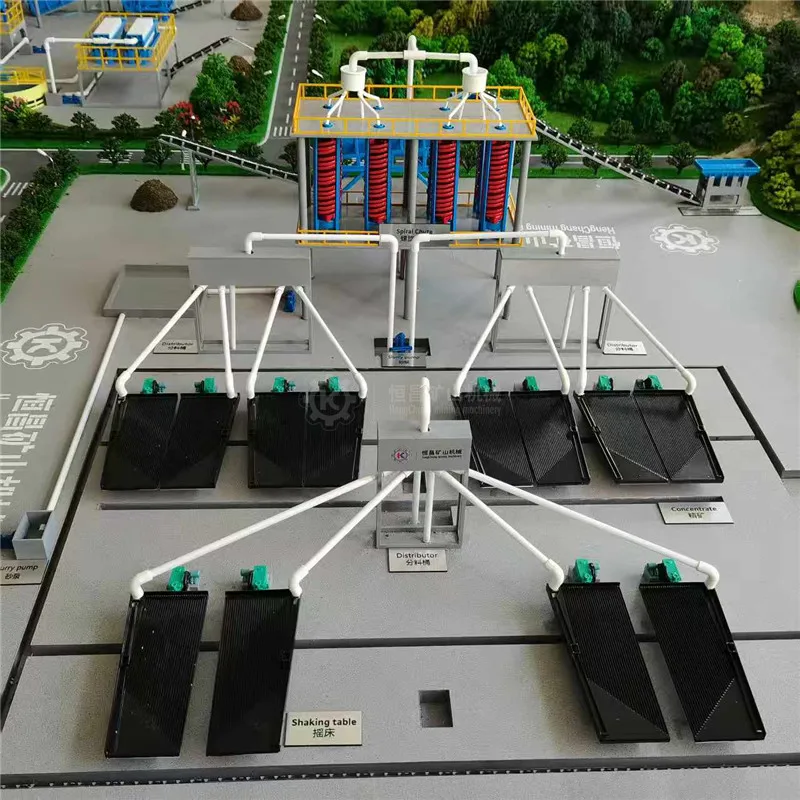
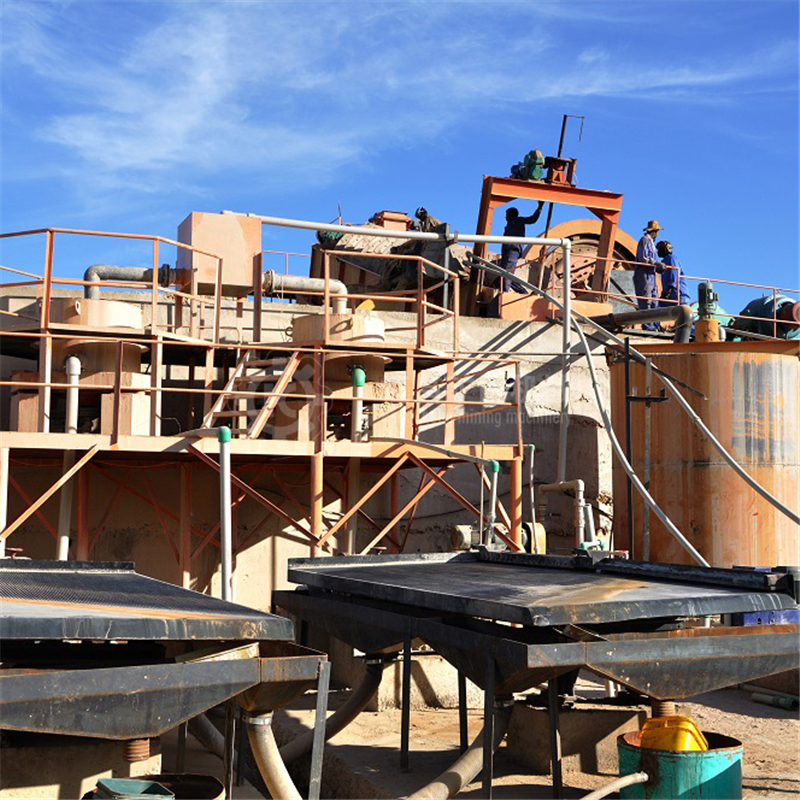
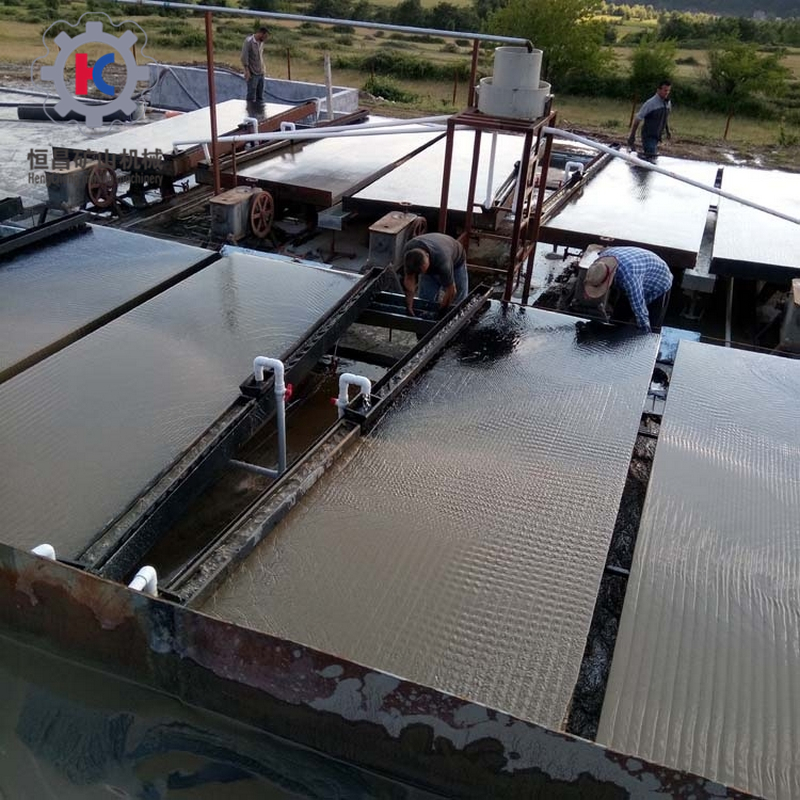
Simply put, a shaking table is a rectangular deck that vibrates and has water flowing across it. Heavy minerals like tungsten (wolframite or scheelite) separate from lighter gangue due to density differences. The 6S model is the most popular for tungsten because of its high recovery rate for fine particles (down to 0.074mm).
How Does It Work?
Here's the mechanic trick:
Feed slurry enters the table from one corner.The table oscillates back and forth (6S means 6-pole motor driving the mechanism).
Water flows perpendicular to the vibration.
Heavy tungsten particles move to the concentrate end; lighter waste goes to the tailings.
It's like panning for gold, but automated and industrial-scale.
Why Tungsten Ore Specifically?
Tungsten is dense (7.5–8.0 SG) and brittle. Unlike flotation, shaking tables don't require chemicals. They exploit density difference between tungsten and common gangue like quartz (2.65 SG) or calcite. Plus, tungsten often comes with tin or molybdenum—tables can handle mixed heavy minerals too.
6S Shaking Table Models and Specifications
| Model | Deck Size (mm) | Feed Size (mm) | Capacity (t/h) | Motor Power (kW) | Weight (kg) |
|---|---|---|---|---|---|
| 6S-2100×1050 | 2100×1050 | 2–0.074 | 0.5–0.8 | 1.1 | 500 |
| 6S-3000×1620 | 3000×1620 | 2–0.074 | 1.0–2.0 | 2.2 | 1200 |
| 6S-4500×1850 | 4500×1850 | 2–0.074 | 2.0–4.0 | 4.0 | 2200 |
For small tungsten plants, the 2100 model is a great starter. If you're doing 50+ tons per shift, you'll want the 4500.
Key Features of the 2026 6S from Jiangxi Henghong Changshan
Let me be direct—I've tested these on site. Here's what stands out:
1. Upgraded Deck Material
The new model uses reinforced fiberglass with rubber coating. Less warping, longer life. Trust me, old wood decks cracked after a year. This one? Three years and still flat.
2. Adjustable Stroke and Frequency
You can fine-tune the stroke length (10–20mm) and frequency (280–460 rpm) without changing pulleys. That means you can adapt to different tungsten particle sizes in minutes.
3. Water Distribution System
The new manifold design gives you even water flow across the entire deck. No dry spots, no over-washing. This alone improved our tungsten recovery by 3–4%.
4. Easy Stroke Mechanism
The 6S uses an eccentric connecting rod—simple, durable, and easy to replace. No complex hydraulics.
Price Range: What Should You Expect?
Prices vary by region and dealer, but here's a realistic ballpark for 2026:
| Model | Estimated Price (USD) |
|---|---|
| 6S-2100×1050 | $3,000–$4,500 |
| 6S-3000×1620 | $6,000–$9,000 |
| 6S-4500×1850 | $10,000–$15,000 |
Important: Shipping from Jiangxi can add 10–20%. Customs and installation also cost. But buying directly from Jiangxi Henghong Changshan can save you dealer margins. They ship worldwide.
On-Site Benefits: What Users Say
I talked to a tungsten plant manager in Fujian. He runs three 6S-4500 tables:
"Before, we only used jigs and spirals. Recovery was around 65%. Now with tables, we hit 80%+ for fine wolframite. Payback was under 6 months."
Benefits in practice:
Low power consumption (under 4kW per ton)Minimal water usage (can be recycled)
Easy to train operators (no chemical dosage)
High concentrate grade (up to 60–65% WO3)
Common Mistakes to Avoid
Overfeeding – Feed too much slurry, and the table chokes. Watch the "ribbon" pattern on the deck.Wrong deck slope – Tungsten settles faster. Start with a 3–4° cross slope.
Ignoring riffle wear – replace riffles every 6–8 months.
Using dirty water – Silt clogs the deck grooves.
Case Study: Tungsten Recovery Improvement
A plant in Yunnan had a 0.3% WO3 feed. They used spirals and got 10% concentrate. They added two 6S tables after the spiral tailings:
Feed to table: 0.1% WO3Concentrate: 20% WO3
Recovery: 65% from tailings
That's pure profit from waste.
How to select the Right Table
Consider:
Ton per hour – Match your plant capacity.Feed particle size – Tables work best on 0.074–2mm.
Space – A 4500 table needs a sturdy foundation.
Automation – 6S is manual. If you need automated, ask about the 7S model.
Pro tip: For tungsten, get the model with fine sand grooves (not coarse). Tungsten is dense but fine.
Maintenance Tips
Daily:
Check water distributionInspect deck surface for wear
Listen for bearing noise
Weekly:
Lubricate eccentric mechanismCheck bolts on motor mount
Monthly:
Clean rifflesCheck stroke length
Conclusion
The 6S shaking table remains a proven, low-cost solution for tungsten gravity concentration. With the 2026 upgrades from Jiangxi Henghong Changshan Mining Equipment, you get better durability, adjustability, and recovery.
Whether you're a small-scale miner in Guangxi or a medium plant in Bolivia, this table delivers. For the price—starting under $4,000—it's one of the fastest ROI investments you can make.
Final thought: If you're still using only jigs or spirals for tungsten, you're probably losing money on fine particles. A shaking table could be the difference between a decent day and a great one.
Need a quote or detailed specs? Contact Jiangxi Henghong Changshan directly—they can help with selection, shipping, and on-site commissioning.