Chinese


2026 How to Choose a Gold Shaking Table for Alluvial Mining: Price & Case
Hey there, fellow miners and plant operators! If you’re reading this, chances are you’re knee-deep in alluvial gold projects, or maybe you’re just starting to shop around for the right equipment. Let’s be real: picking the right gold shaking table can make or break your recovery rate. Especially in 2026, with gold prices staying hot and more folks flocking to alluvial mining, knowing what to look for is pure gold. I’m gonna break down everything you need to know—from how it works, to real-world case studies, to price ranges—and I’ll throw in some solid advice from our friends at Jiangxi Hengchang Mining Machinery, a brand that’s been crushing it in this space for years.
Let’s dive right in.
What is a Gold Shaking Table, Anyway?
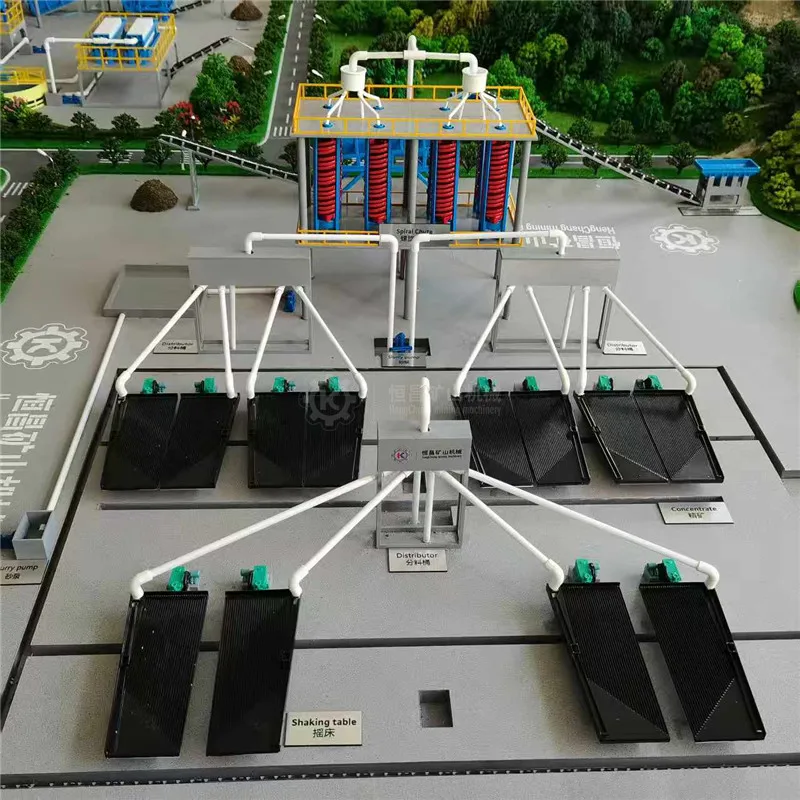
Think of it as the ultimate sorter for heavy minerals. A gold shaking table is a gravity-based concentrator that separates gold from lighter sands and gravels using a combination of shaking motion, water flow, and surface riffles. It’s not new tech—it’s been around for over a century—but modern designs have gotten smarter, more efficient, and way more user-friendly.
In alluvial mining, you’re dealing with loose material, often with fine gold that’s hard to catch. That’s where the shaking table shines. It can recover gold down to 200 mesh (0.074mm) or even finer, depending on the model. And if set up right, you can get recoveries over 95%.
Why Alluvial Miners Love Shaking Tables
Here’s the thing: alluvial gold isn’t like hard rock gold. It’s already liberated, so you don’t need crushing or grinding. The challenge is separating it from vast amounts of sand, silt, and gravel. A shaking table is perfect because:
High recovery for fine gold – Especially the stuff that sluice boxes miss.Low operating cost – No chemicals, just water and electricity.
Easy to adjust – You can tweak stroke, slope, and water flow in minutes.
Durable – No moving parts that break easily (except the motor).
Scalable – From small prospector models to industrial 3-meter tables.
How It Works (No Rocket Science Here)
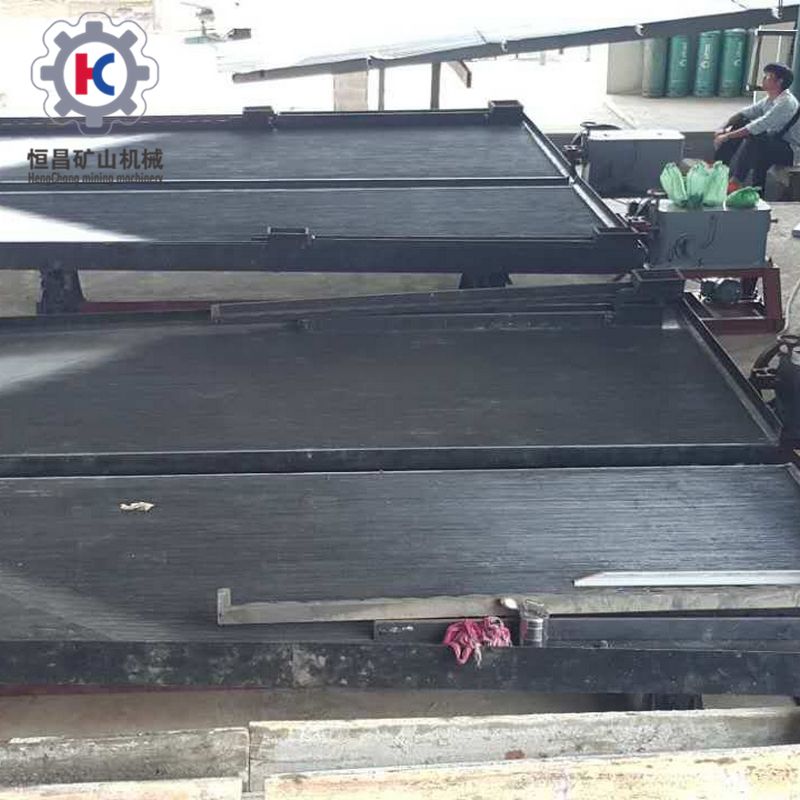
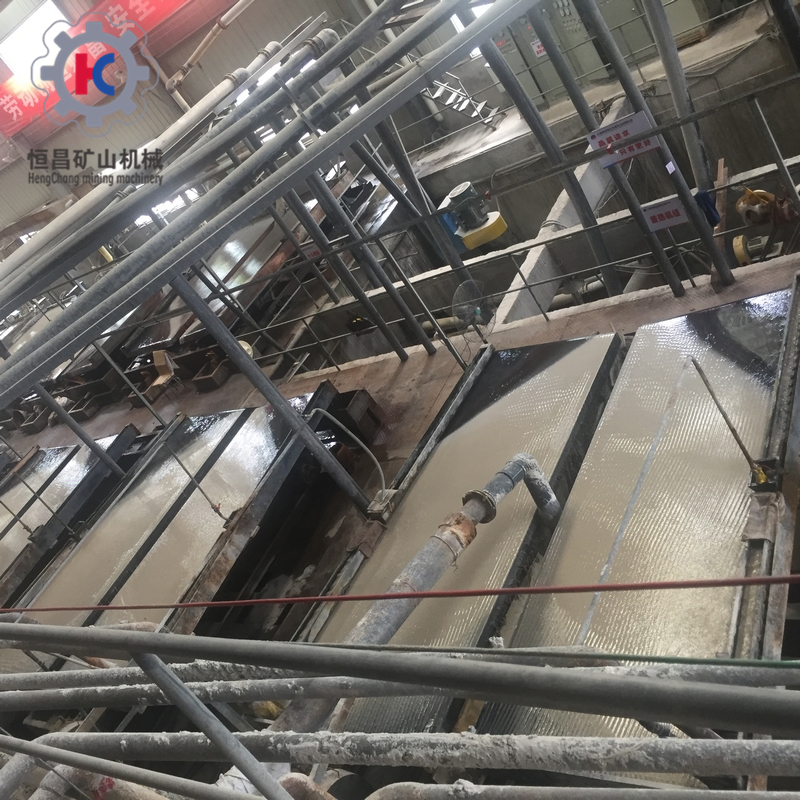
Imagine a rectangular deck, slightly tilted, shaking back and forth. Water flows across the top. You feed a slurry (gold + sand + water) onto the feed box. The shaking motion and water push light materials toward the tailings side, while heavy gold particles sink and move along the riffles toward the concentrate end.
You’ll see three distinct bands:
Concentrates – Heavy minerals (gold, hematite, magnetite).Middlings – Mixed material you might re-run.
Tailings – Sand and light stuff.
The operator can adjust:
Stroke (amplitude) – How far the deck moves.Frequency – How fast it shakes.
Slope – Angle of the deck.
Water flow – Volume and distribution.
This flexibility makes it work for different material types.
Real-World Case Study: Alluvial Gold in West Africa
Let me walk you through a real project from earlier this year. A client in Ghana—small-scale operation, processing about 5 tons per hour—was using old-style sluice boxes. He was losing a lot of fine gold.
He brought in a 6-S shaking table from Jiangxi Hengchang Mining Machinery. Setup was straightforward: a trommel screen as pre-concentration, then a pump feeding the table.
Results?
Recovery jumped from ~50% to 92%.He pulled out an extra 0.3g per ton, which for 5tph adds up fast.
Payback period: just 3 months.
He’s now running three tables in parallel and planning to expand.
That’s the kind of case study that makes you think twice about cheap, inefficient gear.
Key Features to Look For in 2026
Not all shaking tables are the same. Here’s what matters:
1. Deck Material
Fiberglass with polyurethane coating is popular—light, durable, and resists corrosion. Some cheaper tables use steel or wood, but they wear out faster.
2. Riffle Design
The riffles (those little ridges on the deck) are critical. Better tables have adjustable riffles or multi-zone designs for coarse vs. fine gold.
3. Adjustability
Look for tables that let you fine-tune stroke, frequency, and slope while running. Jiangxi Hengchang models have user-friendly controls for this.
4. Load Capacity
A typical 6-S table handles about 1-2 tons per hour for primary concentration. For scavenging, you can push it higher. Make sure to match to your feed rate.
5. Motor Quality
A reliable motor is key. Cheap ones overheat or vibrate unevenly, messing up the separation.
6. Ease of Maintenance
Can you replace the deck yourself? Are spare parts easy to get? Stick with brands that have global support.
Price Range for Gold Shaking Tables (2026)
Now let’s talk money. Prices vary widely based on size, brand, and features.
| Table Size | Typical Capacity | Price Range (USD) |
|---|---|---|
| Small (0.5m x 1.2m) | 0.5 tph | $1,500 – $3,000 |
| Medium (1.5m x 3.0m) | 1-2 tph | $4,000 – $8,000 |
| Large (2.4m x 4.0m) | 3-5 tph | $10,000 – $25,000 |
Important note: For alluvial mining, you usually need at least a medium table for decent throughput. Don’t cheap out on a tiny one unless you’re prospecting.
A brand like Jiangxi Hengchang offers excellent value—competitive pricing with heavy-duty build quality, plus a 12-18 month warranty. They also provide free technical drawings and setup guidance, which saves you from costly mistakes.
How to Choose the Right One for Your Site
Step 1: Know Your Feed
How fine is the gold? (If it’s coarse, you might not need the most expensive table.)
Is there clay? You’ll need a scrubber before the table.
Step 2: Match Capacity
Don’t buy a table that’s too small, or you’ll bottleneck your plant. A good rule: get a table with 20-30% more capacity than your average feed.
Step 3: Decide on Multi-Table Layout
For bigger projects, many operators run 2-4 tables in parallel or use a primary then a scavenger table. This boosts recovery significantly.
Step 4: Plan for Water Supply
A shaking table needs ~1-2 m³ of water per ton of feed. Make sure you have enough flow and pressure.
Step 5: Get a Quote with Shipping
International shipping can add 15-25% to cost. Ask the manufacturer about sea freight vs. air, and check duty fees.
Everyday Operation & Maintenance Tips
Once you get your table set up, here’s how to keep it singing:
Daily Checklist:
Check water flow – Even distribution is critical.Inspect riffles – They can wear down or get clogged.
Listen for vibrations – A smooth shake is good; any rattling means something’s loose.
Clean concentrate end – Remove gold and black sand regularly.
Weekly:
Lubricate bearings – Use a grease gun per manual specs.Tighten bolts – Shaking loosens them over time.
Check motor mounts – Align if needed.
Monthly:
Deep clean the deck – Remove any buildup of clay or grease.Inspect motor brushes (if DC motor).
Check frame for cracks – Especially on older tables.
A well-maintained shaking table can last 10–15 years easily.
Shaking Table vs. Other Gold Recovery Equipment
| Equipment | Best For | Recovery % | Cost/ton |
|---|---|---|---|
| Sluice Box | Coarse gold, high volume | 30-50% | Low |
| Jig Concentrator | Fine & coarse, high capacity | 70-85% | Medium |
| Shaking Table | Fine gold, precise separation | 90-95% | Medium-High |
| Centrifugal Concentrator | Very fine gold, small batch | 80-90% | High |
For alluvial gold with a significant amount of fine particles, a shaking table often outperforms everything except a well-tuned centrifuge. And it’s much cheaper to operate.
Common Mistakes to Avoid
Mistake #1: Buying Based on Price Alone
A cheap table with poor riffle design will leave gold on the deck. You’ll lose more than you save.
Mistake #2: Wrong Feed Sizing
If you feed too coarse material (over 2mm), riffles clog. Always pre-screen to -2mm.
Mistake #3: Poor Water Management
Too little water? Gold doesn’t move. Too much? Fine gold washes off. Spend the time to dial it in.
Mistake #4: Not Having a Spare
If you’re running commercially, a breakdown is costly. Keep a spare motor and deck.
Mistake #5: Skipping Test Work
Before buying, send a sample to the manufacturer for a lab test. Jiangxi Hengchang offers free preliminary tests for serious buyers.
Why Jiangxi Hengchang Mining Machinery Stands Out
I’ve seen dozens of shaking tables in the field, from Chinese, German, and American manufacturers. For alluvial gold operations, Jiangxi Hengchang consistently delivers reliable performance with excellent support.
Their 6-S series shaking tables are specifically designed for alluvial conditions:
Water-resistant fiberglass decks.Heavy-duty eccentric drive.
Smooth, adjustable stroke (8-20mm).
Low power consumption (0.75-1.5 kW).
And here’s the kicker: they customize tables for specific ore types. If you’re dealing with high clay or high magnetite, they’ll tweak the riffle pattern and slope.
Clients in Africa, Southeast Asia, and South America report low failure rates and fast response from their technical team. Plus, their pricing is volume-friendly—average cost per table drops significantly when you order 2+ units.
Final Thoughts: What’s the Best Pick for 2026?
If you’re in alluvial gold mining and want a tried-and-true method that won’t break the bank, a quality gold shaking table is your best friend. Pair it with a trommel or screen, and you have a simple, profitable setup.
My recommendation:
Go with a medium (1.5m x 3.0m) 6-S shaking table from Jiangxi Hengchang Mining Machinery.Budget around $6,000–$8,000 per unit, plus shipping.
Buy two tables if your feed is over 2 tph—use one as primary, one as scavenger.
Negotiate for a test run on your material.
Shaking tables aren’t flashy or high-tech, but they work like a charm. No chemicals. No high power. Just gravity, water, and a gentle shake.
If you’re ready to boost your gold recovery and stop losing fines, get in touch with Jiangxi Hengchang for a quote. Tell them you read this guide—they’ll know you mean business.
Quick Summary Box:
✅ Best for fine-gold alluvial operations✅ Recovery up to 95%
✅ Price: $1,500 – $25,000 USD
✅ Top brand: Jiangxi Hengchang Mining Machinery (reliable, customizable)
✅ Need: Pre-screen to -2mm, steady water supply
✅ Avoid: Cheap tables with poor riffles
Got questions? drop them in the comments or DM me. I’ll help you dial in your setup!