Chinese


2026 Shaking Table for Iron Ore: Model Selection, Price & Process Flow Guide
Hey, fellow miners and plant operators. If you're scratching your head over how to get more iron out of your ore without burning a hole in your pocket, you've landed in the right spot. Today, we're talking about the workhorse of gravity separation—the shaking table. Specifically, we're diving into everything you need to know about using a shaking table for iron ore in 2026. From model selection to actual price tags and the nitty-gritty of the process flow, this guide is for you.
I'm not here to sell you a dream. I'm here to give you the real talk that helps you make a smart buying decision. Whether you're a small-scale operator in Brazil, a junior engineer in India, or a veteran buyer in Australia, this article is built for you.
Let's get started.
What Exactly Is a Shaking Table for Iron Ore?
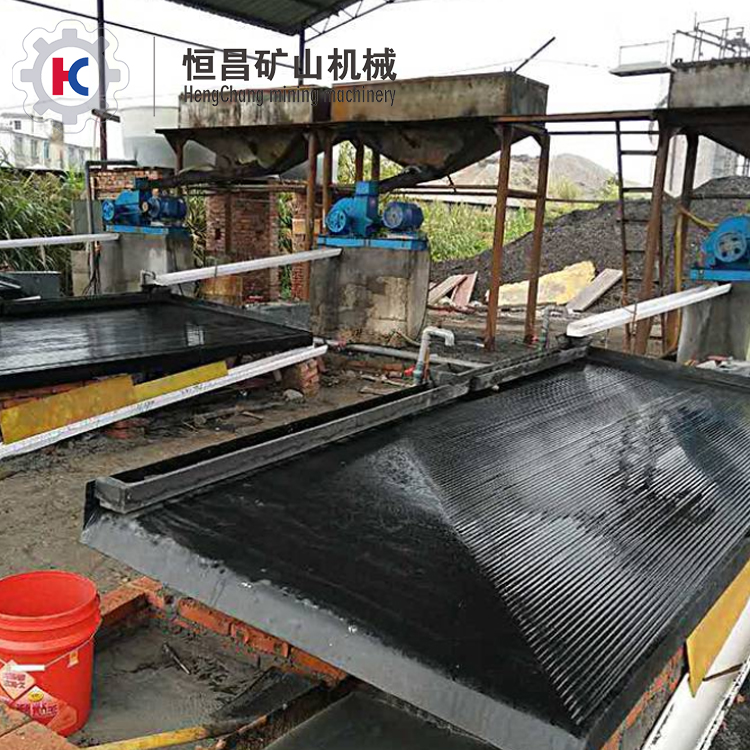
Let's keep it simple. A shaking table is a gravity concentrator. It looks like a rectangular or rhomboid deck with riffles. It shakes back and forth, while water flows across the surface. The idea is simple: heavy minerals (like iron ore) settle and move towards the concentrate end, while lighter waste rock gets washed away.
For iron ore, this thing is a game-changer. It separates hematite, magnetite, and limonite from quartz, clay, and other gangue minerals with surprising precision.
In plain English: You feed it crushed ore, and it spits out high-grade iron concentrate, middlings, and tailings—clean and clear.
Working Principle: Not Magic, Just Physics
Here's how it works, step by step:
Feed entry: Slurry (ore mixed with water) enters the feed box.Stratification: The table shakes in a differential motion—fast forward, slow back. This makes heavy particles sink and light particles float.
Water wash: A steady stream of water flows across the deck. It carries off light gangue.
Separation: Heavy iron particles move to the concentrate end; middlings sit in the middle; tailings go to the discharge end.
That's it. No chemicals, no heat. Just gravity, water, and smart shaking.
Key Structure Features You Should Know
Now, let's talk about what makes a good shaking table. At Jiangxi Hengchang Mining Machinery, our tables are built with tough, practical design. Here's what to expect:
Deck material: Fiberglass reinforced with polyurethane or rubber. Why? It's waterproof, wear-resistant, and not heavy.Riffles: Adjustable height and pattern. For iron ore, you need a higher riffle at the feed end to catch coarse heavy particles.
Drive mechanism: Eccentric connecting rod or spring-loaded. Smooth and low-maintenance.
Adjustable stroke and speed: You can fine-tune the shaking frequency and amplitude to match your feed grade and particle size.
Water distributor: Even water flow across the deck is critical for consistent separation.
What Iron Ore Types Can It Handle?
Here's where it gets practical. The shaking table is versatile. It works on:
Hematite (Fe₂O₃): High density, easy to recover.Magnetite (Fe₃O₄): Even better—you can also use magnetic separation after the table.
Limonite (FeO(OH)·nH₂O): Trickier, but with the right table design and feed size control, it works.
Siderite (FeCO₃): Needs careful preparation, but possible.
But here's the truth: It works best when feed size is between 0.074mm and 2mm. Too coarse, and you'll lose recovery. Too fine, and separation quality drops.
Model Selection: How to Pick the Right One
So, you're looking at 2026 models. Here's a quick framework to help you choose:
| Parameter | Small Scale (1-5 t/h) | Medium Scale (5-15 t/h) | Large Scale (15-50 t/h) |
|---|---|---|---|
| Deck type | Single or double | Double or triple | Multi-deck or 6S series |
| Motor power | 1.1 kW | 1.5-2.2 kW | 3-4 kW |
| Table size (L x W) | 4.5m x 1.8m | 5.0m x 2.0m | 5.5m x 2.2m |
| Recommended model | LY-2100 | LY-3000 | 6S-4500 |
Pro tip: For iron ore, I recommend the 6S-4500 shaking table from Jiangxi Hengchang. It's a proven workhorse for medium to large operations. The double-deck version gives you double the capacity without doubling the cost.
Price Guide: What's It Going to Cost You?
Let's talk money. Prices vary wildly depending on size, brand, and features. Here's a ballpark for 2026:
Small table (LY-2100 type): $3,000 – $6,000 USDMedium table (LY-3000 type): $8,000 – $15,000 USD
Large multi-deck (6S-4500): $18,000 – $35,000 USD
But wait— these are just the base prices. You also need to factor in:
Shipping: International freight can add 15-30%.Installation: On-site or remote guidance.
Spare parts: Riffles, belts, bearings—budget 5-10% of the machine price.
If you're buying from Jiangxi Hengchang Mining Machinery, expect competitive factory-direct pricing with good after-sales support. We ship worldwide.
Process Flow: How to Set It Up
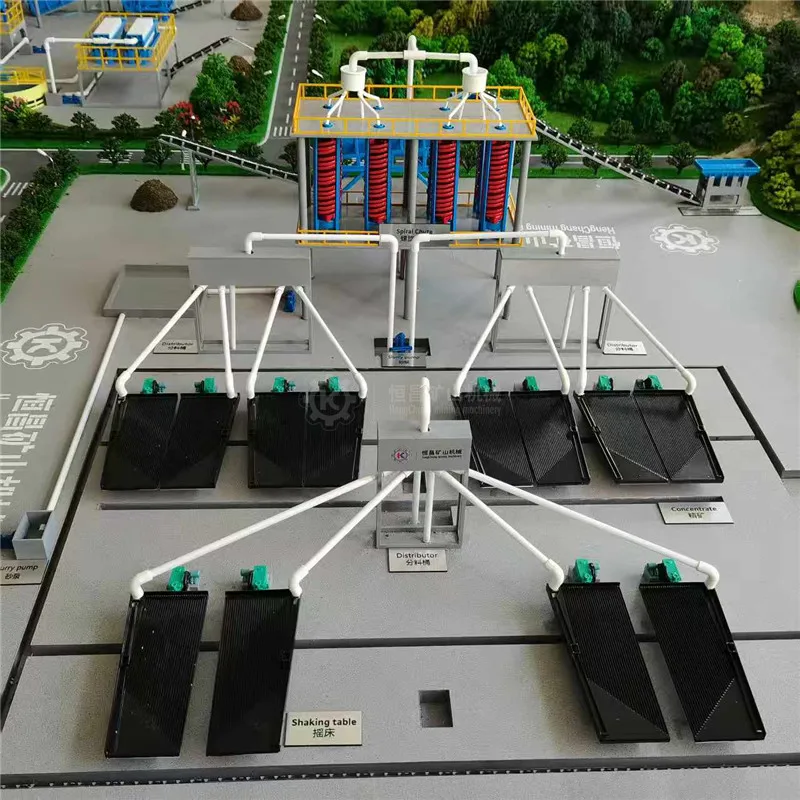
Want to run a clean iron ore recovery circuit? Here's a typical flow using a shaking table:
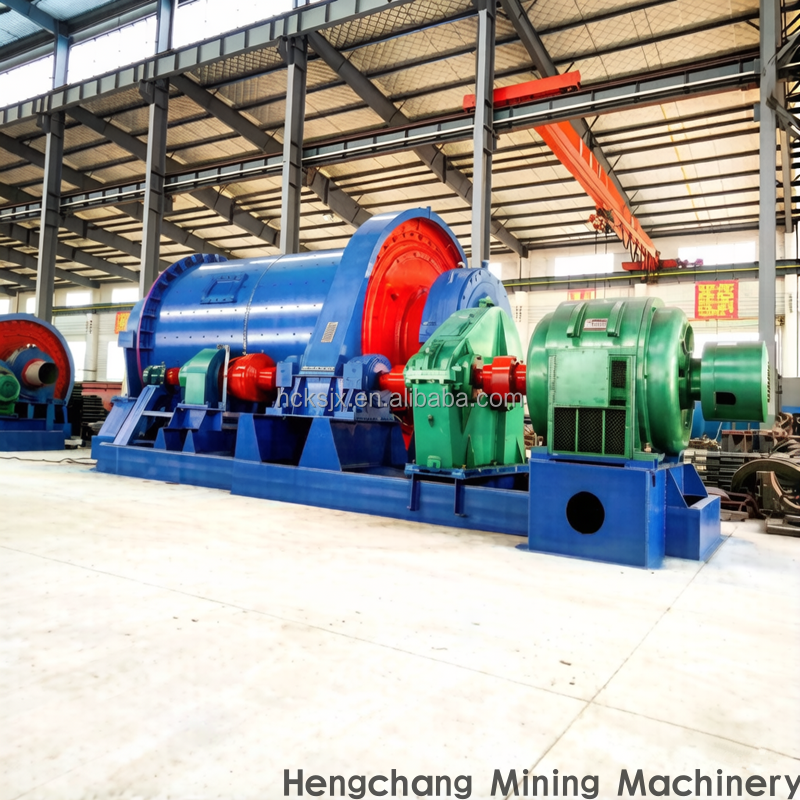
Crushing: Jaw crusher → Cone crusher → reduce to <20mm.Grinding: Ball mill → to <2mm or finer.
Classification: Spiral classifier or hydrocyclone → separate fine and coarse.
Gravity pre-concentration: Jig or spiral chute to remove bulk waste. This boosts your table feed grade.
Shaking table: Final cleaning. Produces high-grade concentrate (Fe > 65%) and low-grade tailings.
Optional: Magnetic separator for final polish (if magnetite).
Dewatering: Thickener + filter press → dry concentrate.
Remember: The shaking table is the final cleaner. Don't feed it raw or low-grade ore—you'll waste capacity.
Advantages of Using a Shaking Table for Iron Ore
Why choose this over, say, a spiral chute or jig? Here's the honest answer:
Pros:
High concentration ratio: From 30% Fe feed to 65%+ Fe concentrate is realistic.Low operating cost: No chemicals, low power (1-3 kW), easy maintenance.
Visible separation: You can actually see the material moving—great for troubleshooting.
Environmentally friendly: Only water and gravity. No toxic waste.
Cons:
Low throughput per deck: A single table handles 0.5-2 t/h. For big plants, you need many units.Sensitive to feed size distribution: Needs consistent particle size.
Manual adjustment required: Not fully automated in many setups.
Comparison with Other Equipment
Let's put the shaking table beside its cousins:
| Equipment | Best for | Capacity | Recovery | Cost |
|---|---|---|---|---|
| Shaking table | Fine cleaning, high grade | Low | High (90-95%) | Medium |
| Spiral chute | High volume, coarse feed | High | Medium (70-85%) | Low |
| Jig | Coarse heavy minerals | Medium | Good (80-90%) | Medium |
| Magnetic separator | Magnetite only | High | Excellent (95%+) | High |
Takeaway: Use shaking table where you need precise separation on fine material. For bulk desliming, spirals are cheaper. For magnetite, add magnetic separation.
Daily Operation & Maintenance Tips
Listen, a shaking table isn't a set-and-forget machine. Here's what you need to do daily:
Check water supply: Ensure even distribution across the deck.Inspect riffles: Look for wear or clogging.
Adjust stroke and speed: Based on feed grade changes.
Clean the deck: Sediment buildup kills efficiency.
Lubricate drive mechanism: Weekly or as per manual.
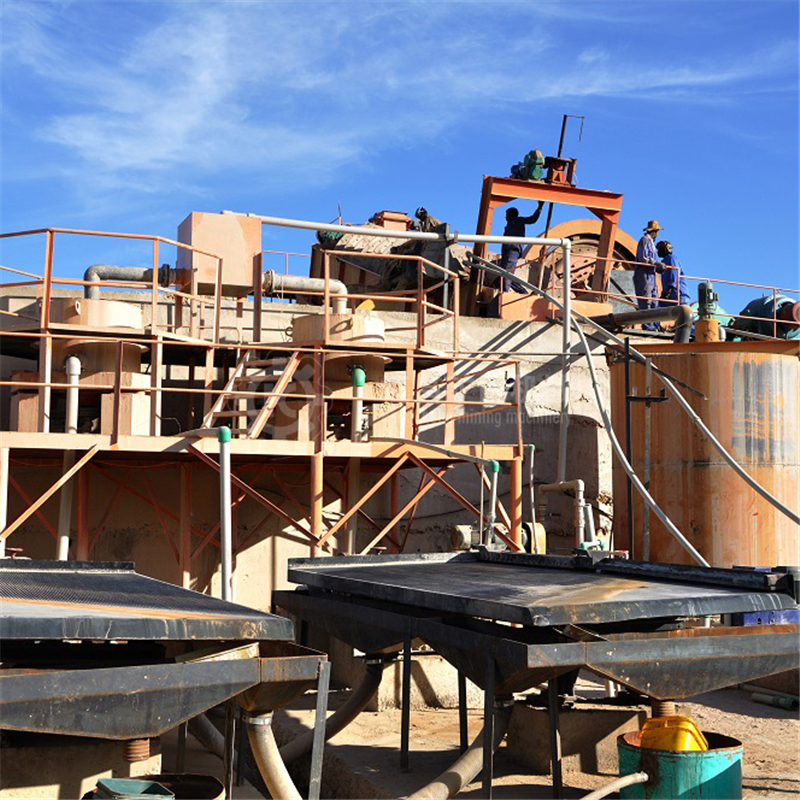
Monitor tailings: If you see iron in waste, adjust parameters.
Spare parts: Keep a set of riffles, belts, and bearings handy.
One more thing: Train your operators. A well-trained guy can increase recovery by 5-10% just by tweaking the stroke and water flow.
Application Scenarios: Where Does It Fit Best?
Here are real-world cases where shaking tables shine:
Small-scale iron ore mines in Brazil: Low capex, high grade recovery.Artisanal miners in Africa: Simple to operate and repair.
Magnetite processing plants in China: Used as final cleaner after magnetic separation.
Laboratory testing: Great for feasibility studies and flow design.
Global example: A plant in India processing hematite with feed grade 35% Fe uses 6 shaking tables (6S-4500 series from Jiangxi Hengchang) to produce 65% Fe concentrate at 85% recovery. Their electricity cost is less than $0.50 per ton.
Final Thoughts: Is It the Right Choice for You?
Let me be straight. If you're processing iron ore with a feed grade above 25% Fe, a particle size between 0.074mm and 2mm, and you want a clean, high-grade concentrate without huge chemical costs—then yes, a shaking table is your friend.
If you're working with super high volume (100+ t/h) or very fine slimes, you might need to combine it with spirals or flotation.
But for most small to medium operations, the shaking table from Jiangxi Hengchang Mining Machinery is a solid investment. We've been building these for decades, and our customers trust them for reliability, simplicity, and real results.
Before you buy: Get your ore tested. Send us a 50kg sample, and we'll run a full gravity separation test. We'll give you a report showing recoverable grade, optimum table settings, and process flow design.
That's how you make a smart equipment selection—not by guesswork, but by data.
Ready to Talk?
If you want a quote, model recommendation, or just need answers to your specific ore type, reach out to Jiangxi Hengchang. We're your partner in gravity separation, not just a seller.
Good luck with your iron ore project. The gold—erm, iron—is in the details.
See you on the deck.