Chinese


Cut 1000t/d Gold Line Costs Now
If your 1000 t/d gold line is eating profit, the problem is rarely just ore grade. It’s usually a chain of small inefficiencies—overcrushing, overgrinding, too much cyanide, too much downtime, and too many “we’ve always done it this way” decisions.
Let’s do the math. At 1000 tons per day, every $1 per ton you save is about $365,000 per year. So even a 5% cost cut is serious money. The good news? You don’t need a total rebuild to get there. You need to attack the right bottlenecks.
Here’s where the real savings hide—and how to grab them.
1. Crushing and Grinding: The Biggest Cost Center
In most 1000 t/d gold plants, crushing and grinding eat 40–60% of total power. If your ball mill is doing work that the crusher should have done, you’re burning cash every shift.
The old rule still works: more crushing, less grinding.
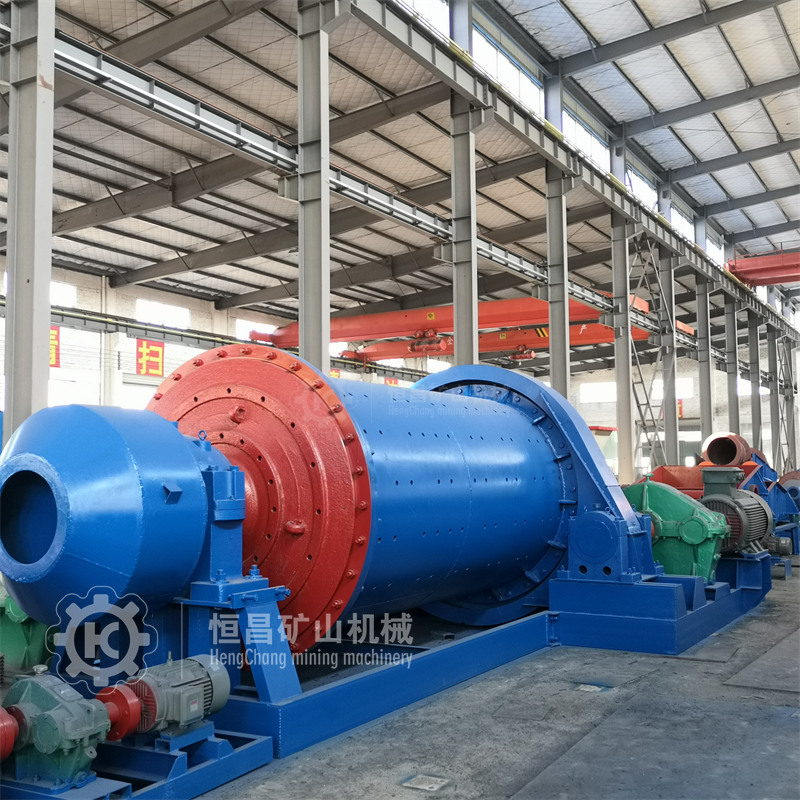
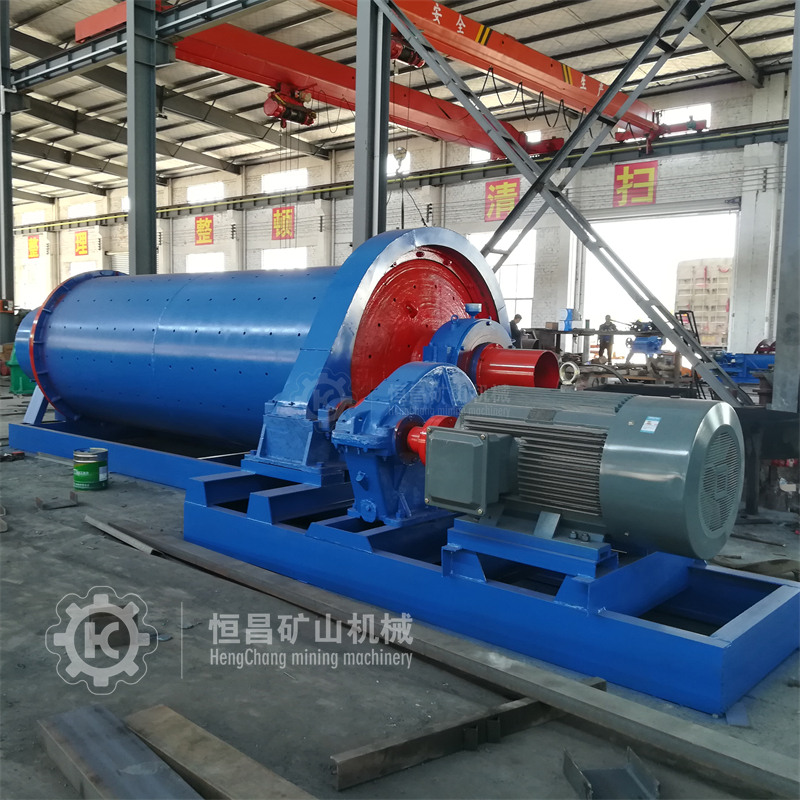
For a 1000 t/d hard rock gold line, a typical setup is jaw crusher + cone crusher + vibrating screen + ball mill. But if your feed size to the ball mill is too coarse, the mill runs slower, consumes more power, and produces more fines than you need.
What actually helps:
Use a secondary or tertiary cone crusher in closed circuit with a screen.Keep screen decks clean and replace worn panels on time.
Use variable frequency drives (VFDs) on feeders and conveyors to avoid surges.
Consider pre-screening before the mill to remove finished material early.
A well-known equipment supplier like Jiangxi Hengchang Mining Machinery Equipment can help you right-size the crushing circuit for your ore. A small change in crusher settings or screen aperture can drop ball mill power draw by 10–15% without losing throughput.
2. Gravity Separation Before Cyanidation: Small Unit, Big Payback
If your gold is free or coarse enough, gravity recovery is one of the cheapest wins you’ll ever get.
A centrifugal concentrator or shaking table ahead of CIL/CIP can pull out coarse gold before it ever hits the leach tanks. That means:
Less cyanide consumption.Shorter leach time.
Lower carbon loading.
Less risk of gold locked in circuit.
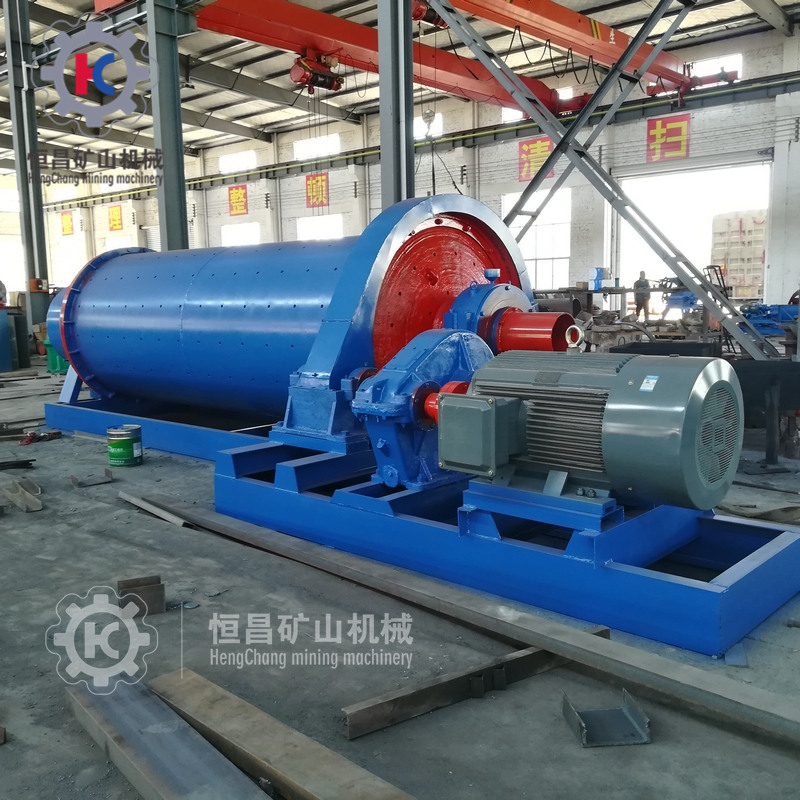
On many 1000 t/d gold plants, adding a gravity circuit costs a small fraction of the total plant budget but can improve overall recovery by 1–3% and cut reagent use by 10–20%. That’s not marketing talk—it’s basic metallurgy.
3. CIL/CIP: Reagents and Carbon Are Not Cheap
Cyanide, lime, carbon, and oxygen all cost money. If you’re not monitoring them daily, you’re leaking profit.
Here’s what to check:
pH control: Keep it between 10.5 and 11. Too low and you lose cyanide to gas. Too high and you waste lime.Cyanide concentration: Titrate every shift. Don’t guess.
Dissolved oxygen: Gold leaching needs oxygen. Air sparging or oxygen injection can speed up kinetics.
Carbon management: Carbon concentration, carbon size, and carbon activity matter. Worn carbon is a silent thief.
Lead nitrate: For ores with sulfides, a small dose can reduce cyanide consumption and improve leach rate.
A 1000 t/d CIL plant in Shandong, China, was struggling with high cyanide use. After a gravity circuit and better pH control, the plant reported 15% lower NaCN consumption and more stable recovery. The equipment upgrade—including thickener and CIL tanks from Jiangxi Hengchang Mining Machinery Equipment—paid for itself in under a year.
4. Thickening, Water, and Tailings: Don’t Pay to Pump Water Twice
Water is expensive. Pumping it, heating it, treating it, and losing it to tailings all add cost.
Use high-efficiency thickeners and recycle process water. If your tailings dam is far away, consider dry stacking or filtered tailings. It’s a bigger investment, but it can cut water make-up, reduce pipeline wear, and lower environmental risk.
For 1000 t/d lines, a well-sized thickener and filter press can recover 70–85% of process water. That’s real savings on pumping and fresh water.
5. Maintenance and Wear Parts: The Silent Cost Killer
Unplanned downtime is the most expensive thing in mining. A 1000 t/d plant losing 8 hours a month is losing 4,000 tons of throughput. At 2 g/t and $60/g, that’s nearly $480,000 in lost revenue.
So don’t cheap out on wear parts. Use:
High-chrome or rubber liners in mills.Polyurethane screens and cyclone parts.
Properly sized slurry pumps with wear-resistant impellers.
A spare parts plan based on real wear data, not guesswork.
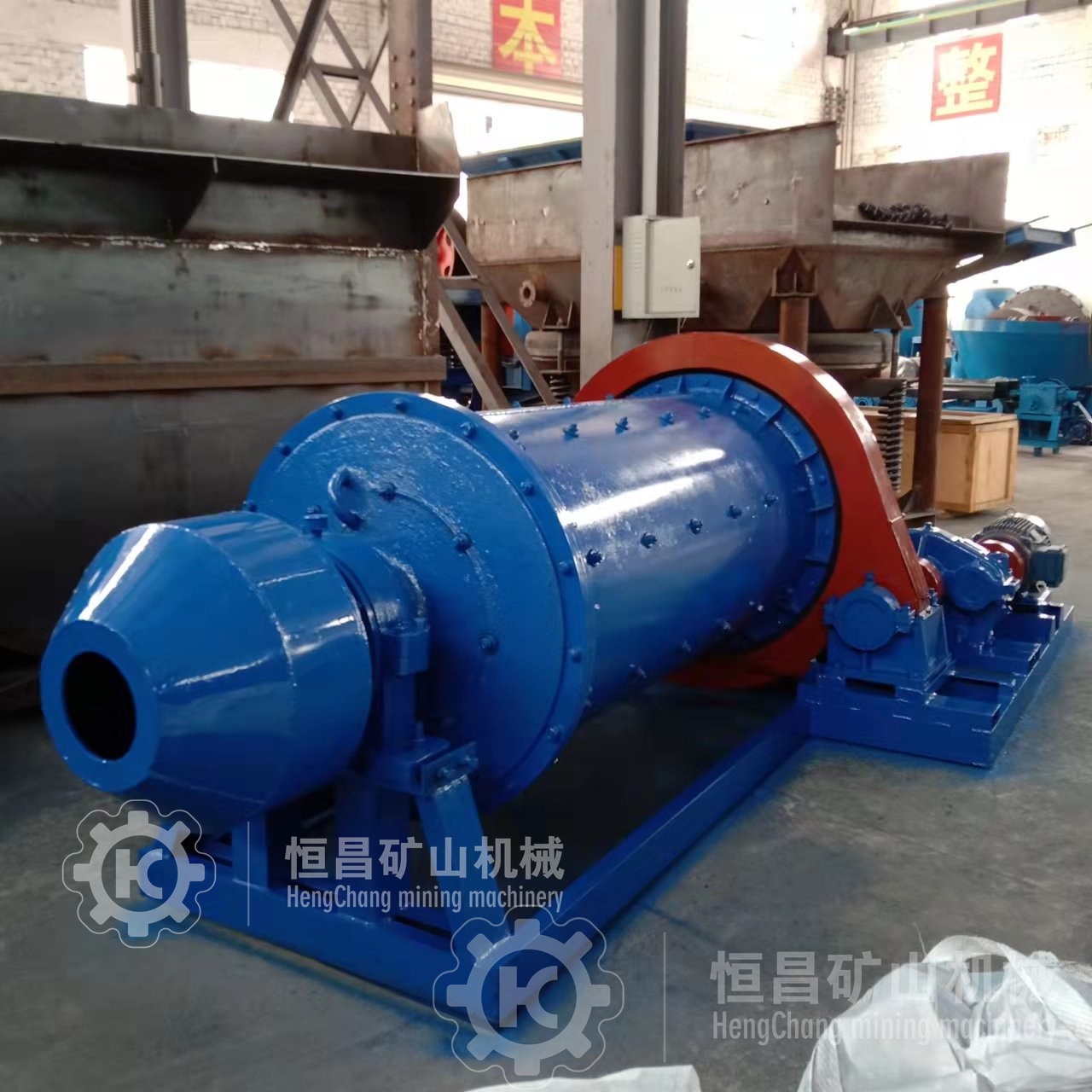
Jiangxi Hengchang Mining Machinery Equipment supplies wear-resistant parts and complete gold processing equipment, which helps plants avoid the “cheapest part fails fastest” trap.
6. Automation and Monitoring: Small Sensors, Big Savings
You don’t need a fully automated plant to save money. Start with:
Belt scales on conveyors.Flow meters on slurry lines.
pH and cyanide analyzers.
Power meters on the ball mill and crushers.
Remote monitoring for pumps and thickeners.
When operators can see real-time data, they make better decisions. A 1000 t/d gold plant in Zimbabwe reduced reagent consumption by 12% just by installing better flow and pH control.
7. Real Cases: Domestic and International
Domestic: 1000 t/d Gold CIP Plant in Shandong, China
This plant processed fine-disseminated gold ore. The original circuit had coarse grinding and high cyanide use. After adding gravity separation, upgrading the cone crusher, and optimizing the CIL circuit with equipment from Jiangxi Hengchang Mining Machinery Equipment, the plant reported:
1.8% higher gold recovery.12% lower power per ton.
15% lower cyanide consumption.
International: 1000 t/d Gold CIL Line in Tanzania
The ore was high-clay and sticky. The old crushing circuit blocked constantly. The plant installed a scrubber, trommel, and a new jaw-cone circuit. Throughput stabilized at 1000 t/d, and downtime dropped by more than 30%. The operator said the biggest win was predictability—no more emergency shutdowns.
International: 1000 t/d Gold Plant in Zimbabwe
This project used gravity + CIL. A centrifugal concentrator recovered coarse gold before leaching. The result was less carbon loading, lower cyanide use, and a more stable leach profile. The plant manager credited the gravity circuit and the thickener upgrade for cutting water and reagent costs.
8. How Jiangxi Hengchang Mining Machinery Equipment Helps
Jiangxi Hengchang Mining Machinery Equipment is not just selling one machine. They provide complete 1000 t/d gold line solutions—crushing, grinding, gravity separation, flotation, CIL/CIP, thickening, and tailings handling.
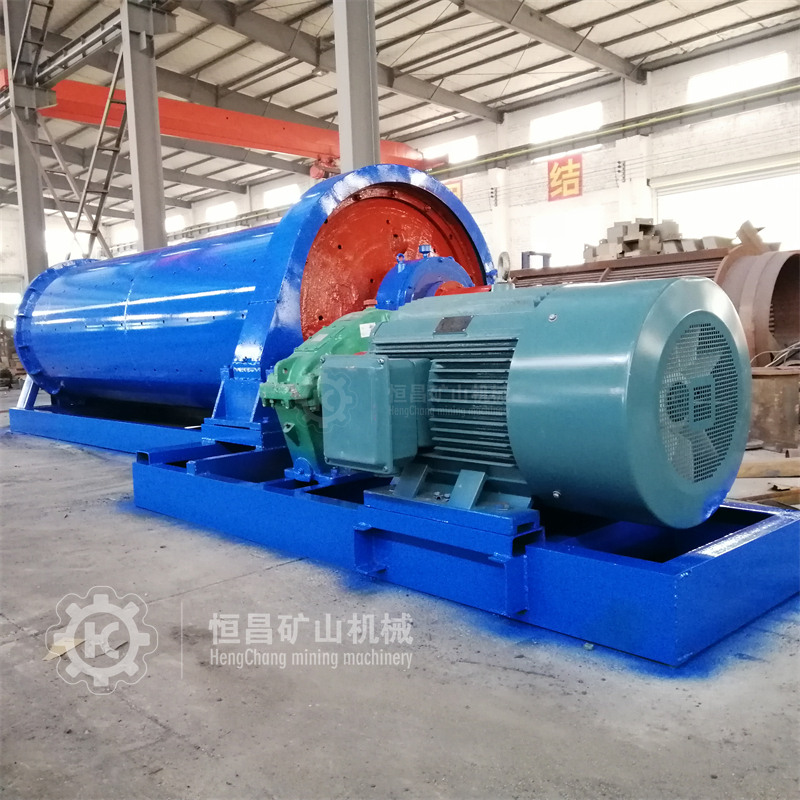
If you’re planning a new line or upgrading an old one, they can help with:
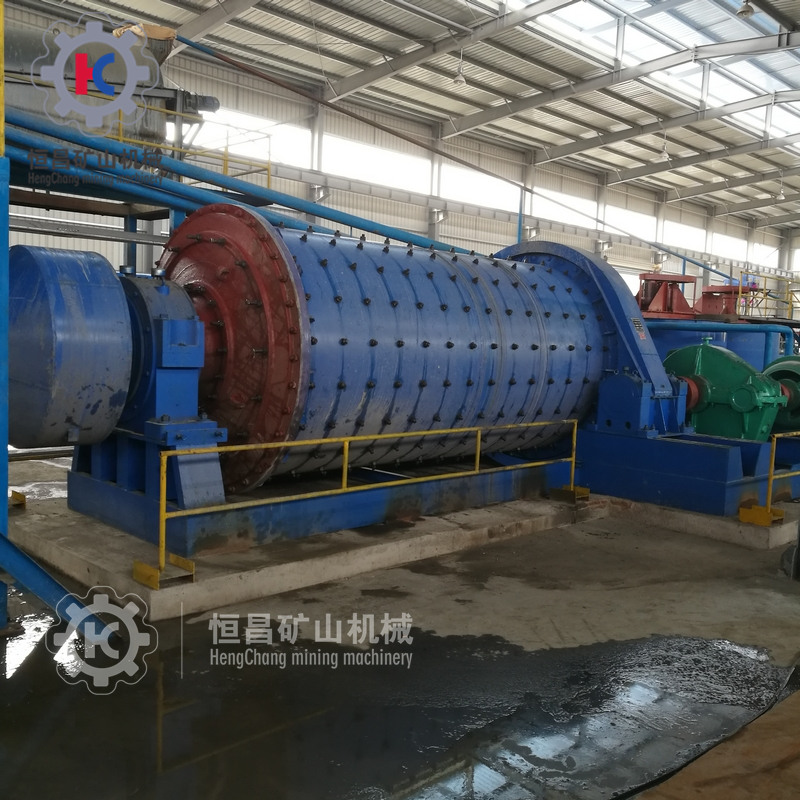
Equipment selection based on real ore properties.
Layout and installation support.
Spare parts and after-sales service.
That matters because every ore is different. A circuit that works in one mine may fail in another.
9. Your 30-Day Cost-Cut Checklist
Sample your feed and tailings. Know your real recovery.Measure power draw on crushers and ball mill.
Check grind size. Are you overgrinding?
Audit cyanide, lime, and carbon use.
Inspect pumps, cyclones, and thickeners for wear.
Add gravity if free gold is present.
Train operators on pH and reagent control.
Build a preventive maintenance schedule.
Track downtime by cause.
Talk to a reliable equipment partner like Jiangxi Hengchang Mining Machinery Equipment.
Final Thoughts
Cutting costs on a 1000 t/d gold line is not about one magic fix. It’s about stacking small wins: better crushing, less overgrinding, gravity recovery, reagent control, water recycling, and maintenance discipline.
Do that, and you don’t just save money—you build a plant that runs steadier, recovers more gold, and sleeps better at night. And in this market, steady is profitable.