Chinese


250 Tons Per Day Copper Ore Production Line: How to Choose Equipment, Cut Power Use, and Estimate Investment Before You Buy for Small Mines
You don’t need a giant plant to make money from copper. If your mine produces around 250 tons per day, the right setup can be simple, efficient, and far less power-hungry than many small mine owners expect.
But here’s the catch: choose the wrong equipment, and you’ll burn cash on electricity, repairs, and lost recovery before the first concentrate ever leaves the site.
This guide is for small mine owners, contractors, and investors who want a practical 250 tons per day copper ore production line. We’ll cover equipment selection, power saving, investment estimates, and real application scenarios. We’ll also mention where Jiangxi Hengchang Mining Machinery fits in, because for small copper plants, the supplier’s experience matters as much as the machines themselves.
First, Understand What 250 T/D Really Means
A 250 t/d copper ore processing plant runs about 10 to 12 tons per hour if you work 20–24 hours a day. That’s small-to-medium. Not a mega project. But it’s still big enough that every wrong choice shows up in your monthly power bill.
The first thing to know: copper ore is not all the same.
Sulfide copper ore: usually goes through flotation.Oxide copper ore: often needs leaching, or a mix of gravity and flotation.
Mixed ore: needs a test before you buy anything.
If someone tries to sell you a full line without asking for an ore sample, walk away. Jiangxi Hengchang Mining Machinery normally starts with a lab test and a flowsheet, not a catalog.
Equipment Selection for a 250 T/D Copper Production Line
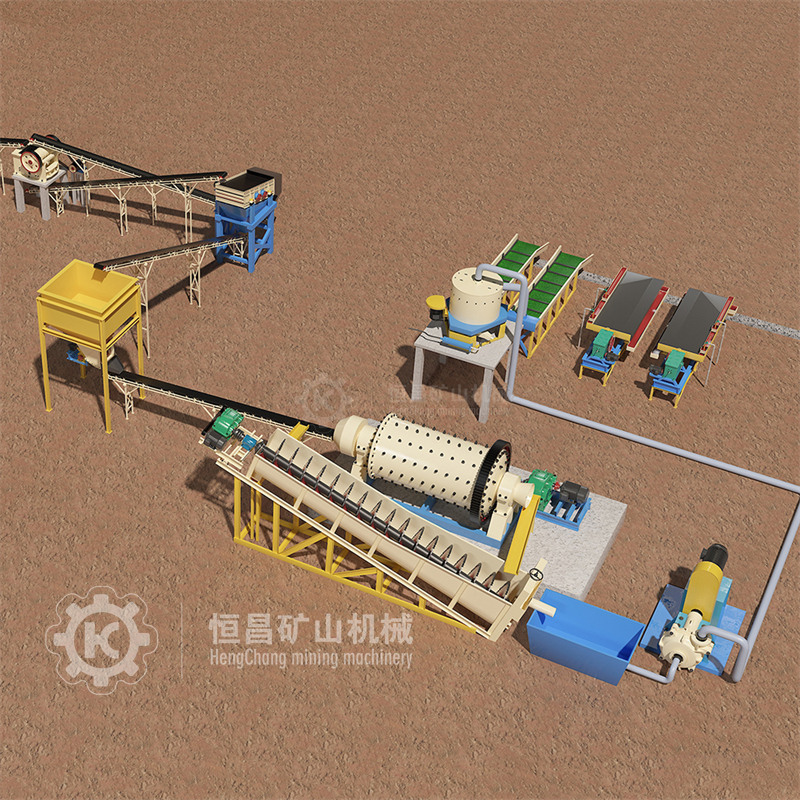
For most small copper mines, the flow is:
Crushing → Grinding → Classification → Flotation → Dewatering → Tailings
Let’s break it down.
1. Feeding and Crushing
You want a stable feed and a fine product before grinding. A common setup:
Vibrating feederJaw crusher (PE 400×600 or PE 500×750)
Fine jaw crusher or cone crusher
Vibrating screen
Target discharge size: 10–15 mm. The finer you crush, the less work the ball mill has to do. That’s where “more crushing, less grinding” saves real money.
Hengchang’s jaw crushers and cone crushers are often used in 250 t/d copper plants because they’re compact and easy to maintain in remote areas.
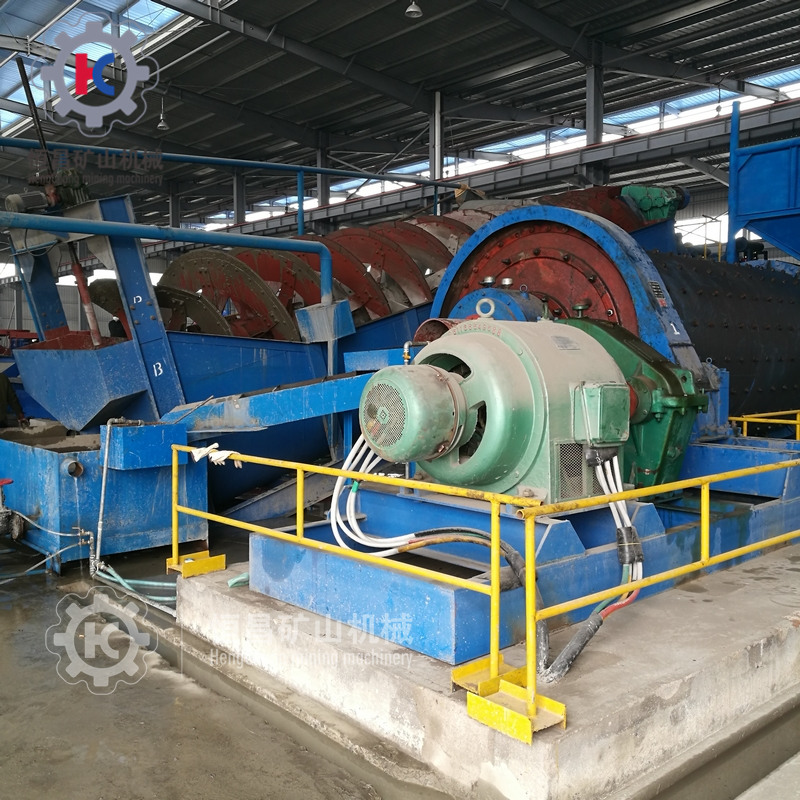
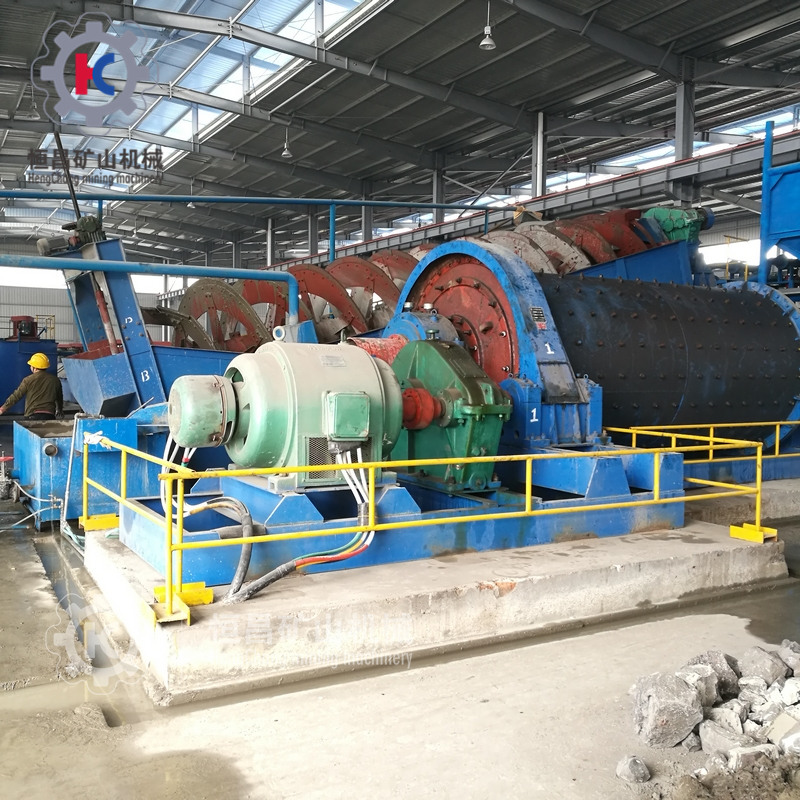
2. Grinding and Classification
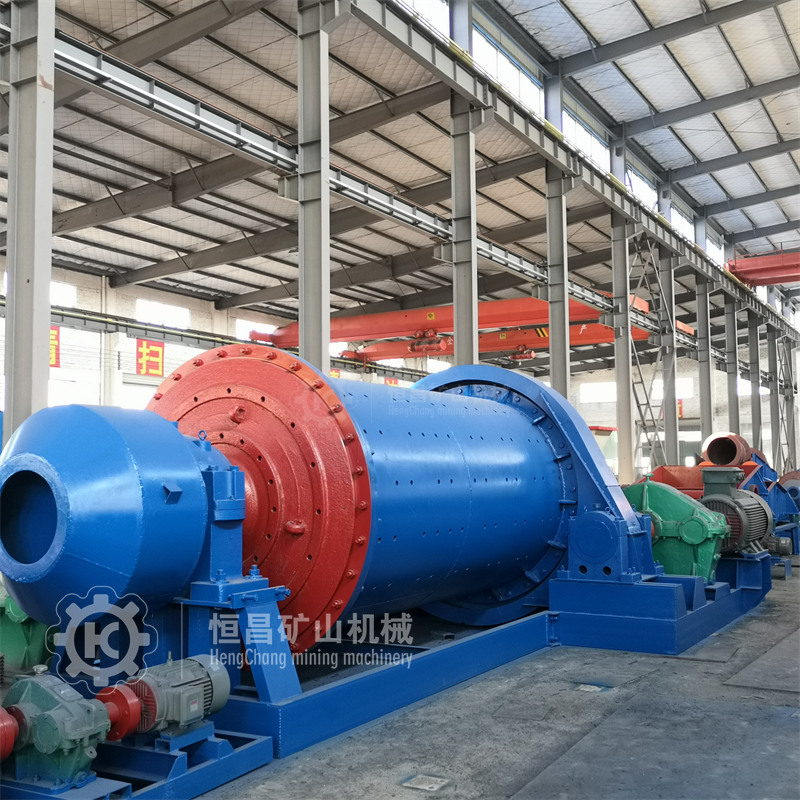
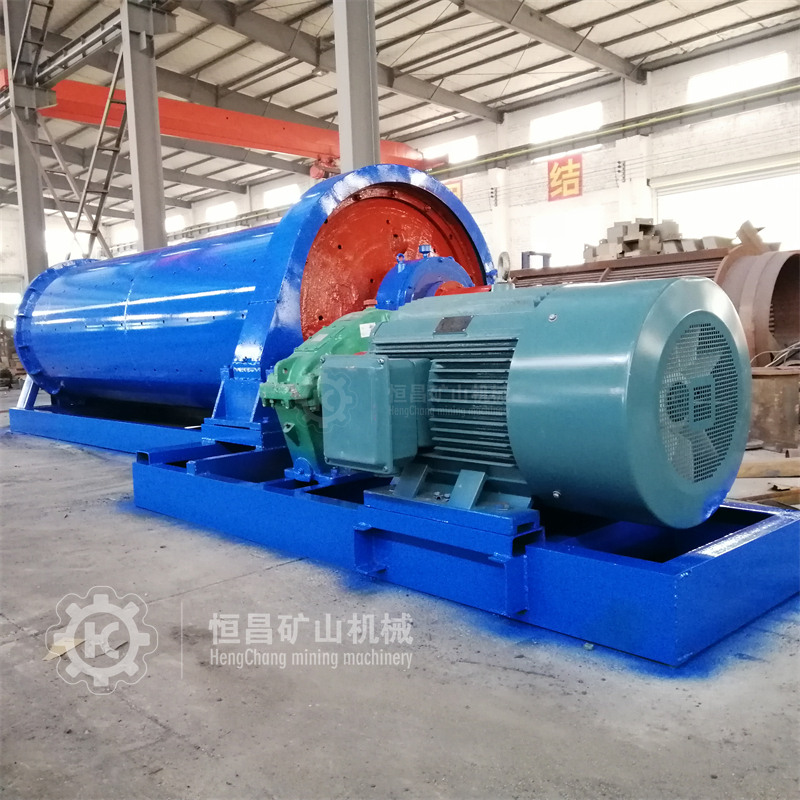
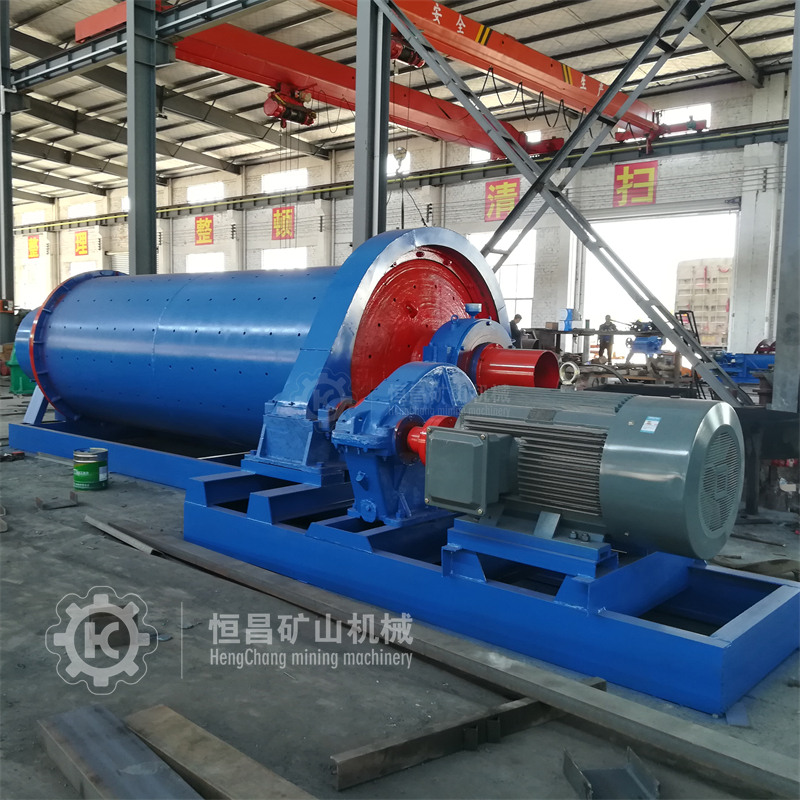
This is the heart of the plant. For 250 t/d, a common choice is:
Ball mill: 1200×2400 or 1500×3000Spiral classifier or hydrocyclone
Closed-circuit grinding
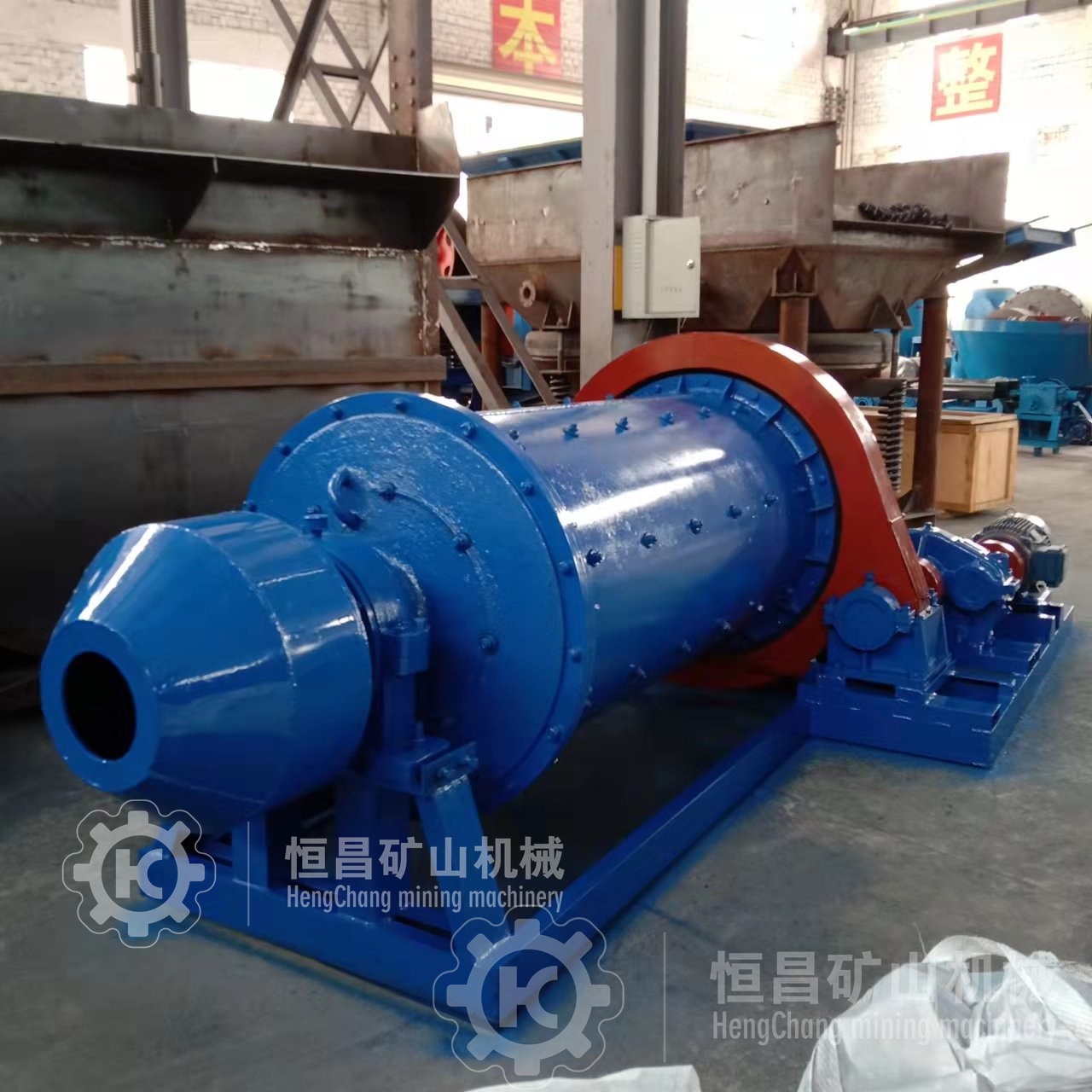
Closed circuit matters. It stops overgrinding, which wastes power and creates slimes that hurt flotation.
Hengchang’s ball mills can be fitted with wear-resistant liners and the right steel ball ratio for your ore hardness. That’s not a small detail. A badly charged mill can easily use 20% more power than it should.
3. Flotation
For sulfide copper, flotation is the main event. A 250 t/d line usually needs:
Rougher cellsScavenger cells
Cleaner cells
Reagent dosing system
Depending on volume, you might use SF-1.2, XJK-1.1, or similar flotation machines. Typically 6–10 cells in total.
Hengchang flotation machines are designed for easy adjustment and lower air loss. In small plants, that means better grade and less reagent waste.
4. Dewatering and Tailings
ThickenerFilter press
Tailings pump
Water recycling system
Don’t skip water recycling. On a 250 t/d plant, it can cut fresh water use and reduce pumping power.
How to Cut Power Use on a 250 T/D Copper Line
Grinding and crushing often eat 50–60% of your total plant power. So if you want to cut costs, start there.
Here are eight practical ways to reduce power:
Crush finer before the mill. Reduce feed from 20 mm to 10 mm and the mill breathes easier.Use closed-circuit grinding. Hydrocyclones or classifiers send coarse particles back. Less overgrinding.
Don’t chase ultra-fine grind. Grind only to the liberation size your ore actually needs.
Add VFDs. Variable frequency drives on feeders, pumps, and blowers can cut energy use by 10–20%.
Use high-efficiency motors. They cost a bit more upfront and pay back fast.
Manage ball charge and liners. Wrong ball size or worn liners waste power.
Control flotation air. Too much air wastes power and can hurt recovery.
Fix leaks and keep belts tight. Sounds simple, but many small plants lose 5–10% power here.
A real example: a 250 t/d copper sulfide plant in Yunnan, China, reduced grinding power from about 38 kWh/t to 30 kWh/t after adding a fine crushing stage and VFDs on key pumps. The equipment included a Hengchang ball mill and flotation cells. Recovery stayed around 88–90%.
Typical power use for a 250 t/d copper flotation plant is 25–35 kWh/t for medium ore, and 30–40 kWh/t for hard ore.
Investment Estimate Before You Buy
Small mines often ask: “What will a 250 t/d copper line cost?”
The honest answer: it depends on your site, ore, country, and how much infrastructure you already have.
But here’s a practical range.
| Cost Item | Typical Range (USD) |
|---|---|
| Main equipment (crusher, mill, classifier, flotation, thickener, filter) | $150,000–$450,000 |
| Civil works, foundations, steel structure | $50,000–$150,000 |
| Electrical, piping, installation | $40,000–$120,000 |
| Auxiliary, EPC, commissioning | $30,000–$100,000 |
| Total equipment + installation | $250,000–$700,000 |
| Greenfield with power, road, tailings dam | $500,000–$1.5M+ |
Operating cost is a different story.
Power alone: 30 kWh/t × 250 t = 7,500 kWh/day. At $0.10–$0.20 per kWh, that’s $750–$1,500 per day. Add reagents, labor, maintenance, and mining, and total OPEX often lands around $15–$35 per ton of ore, depending on location.
Payback depends on copper grade, recovery, and copper price. A simple formula:
Annual copper in concentrate = 250 t/d × 365 × grade × recovery
If your grade is 1.2% and recovery is 88%, that’s about 963 tons of copper per year in concentrate. Run your own numbers before you sign.
Hengchang can provide an itemized quotation and a power estimate based on your ore test. That’s more useful than a generic price list.
Domestic and International Success Cases
Domestic Case: Yunnan, China
A small underground copper mine in Yunnan needed a 250 t/d plant. Feed grade was around 1.2% Cu, mostly sulfide. The line used:
Hengchang jaw crusherHengchang ball mill
Spiral classifier
Hengchang flotation cells
Results: concentrate grade 18–20% Cu, recovery 88–90%. After adding fine crushing and VFDs, power dropped by roughly 20%. The plant runs with a small team and simple maintenance.
International Case: Zambia Copperbelt
A 250 t/d copper project in Zambia’s Copperbelt processed mixed copper ore. Power cost was high, so the design focused on energy efficiency. The setup included a Hengchang ball mill, hydrocyclone, and flotation machine.
Recovery reached around 85%, with stable operation in high temperatures. Closed-circuit grinding and efficient motors helped keep power under control. Local operators were trained during commissioning.
Other Application Scenarios
Small underground copper minesRemote open-pit operations
Toll milling for nearby small mines
Tailings reprocessing
Copper oxide/sulfide mixed plants
Hengchang has supplied equipment for small copper projects in Africa, Southeast Asia, and South America. The common thread: simple flowsheets, durable machines, and local service support.
A Simple Buying Checklist
Before you buy a 250 t/d copper ore production line, ask these questions:
Has the supplier tested my ore?Do I have a flowsheet with mass balance?
What is the total connected power?
What is the estimated power per ton?
Are spare parts easy to get?
Who will install and commission?
What’s the total CAPEX and realistic OPEX?
If the answers are vague, keep looking.
Bottom Line
A 250 tons per day copper ore production line is a sweet spot for small mines. It’s big enough to be profitable, small enough to manage. But success comes from three things:
Matching equipment to your oreCutting power at crushing and grinding
Knowing your investment before you buy
Jiangxi Hengchang Mining Machinery works with small mine owners on ore testing, flowsheet design, equipment supply, and commissioning. If you’re planning a 250 t/d copper plant, start with a real solution—not a catalog.
Contact Hengchang, send your ore sample, and get a practical plan for your mine.