Chinese


1000 TPD Copper Processing Cost
If you’ve been searching for 1000 TPD copper processing cost, you’ve probably seen numbers all over the map. One quote says $800,000. Another says $20 million. Both can be “right” — because the final price depends on your ore, your flowsheet, your site, and how much infrastructure you need.
This article breaks down the real cost drivers for a 1,000 TPD copper processing plant. No fluff. Just practical numbers, equipment tips, and real-world examples. If you’re planning a project, this will help you ask better questions and avoid nasty surprises.
And if you’re sourcing equipment, keep an eye on Jiangxi Hengchang Mining Machinery Equipment. They’re one of the Chinese suppliers many small and mid-size copper plants turn to for reliable, cost-effective processing lines.
The Short Answer: 1000 TPD Copper Processing Cost
For a complete 1,000 TPD copper processing plant, here’s a realistic ballpark:
CAPEX (capital cost): $1.5 million to $15 million+OPEX (operating cost): $8 to $30 per tonne of ore
Daily operating cost: roughly $8,000 to $30,000 per day
Monthly operating cost: roughly $240,000 to $900,000
That’s a wide range. Why? Because a simple copper sulfide flotation plant is very different from a copper oxide leaching + SX-EW plant. A project on flat land near power and water is very different from a remote site in the mountains.
So don’t treat any single number as gospel. Treat it as a starting point.
What Drives the Cost? 5 Big Factors
1. Ore Type: Sulfide vs. Oxide
Copper ore is not one thing. Copper sulfide usually goes through crushing, grinding, and flotation. Copper oxide often needs acid leaching, solvent extraction, and electrowinning — or sometimes agitated leaching. That changes the equipment list and the budget fast.
Sulfide flotation is generally cheaper to build and operate at 1,000 TPD. Oxide projects can be simpler in some cases, but SX-EW adds cost and complexity.
2. Ore Hardness and Grind Size
Hard ore eats power and grinding media. If your Bond Work Index is high, your ball mill will be bigger, your motor will be stronger, and your power bill will climb. Grinding typically eats 40–50% of a copper plant’s total power.
3. Feed Grade and Recovery
Low-grade ore means you need to move more tonnes to get the same copper. At 1,000 TPD, a feed grade of 0.5% Cu is a very different business than 1.5% Cu. Recovery also matters. A 5% difference in recovery can change your revenue by hundreds of thousands per year.
4. Site Infrastructure
This is the silent budget killer. Power lines, water supply, roads, tailings dams, workshops, and camps can add 30–50% to your CAPEX. If the site is remote, logistics alone can double the cost of heavy equipment.
5. Automation and Environmental Rules

Basic manual control is cheaper. PLC automation, CCTV, online analyzers, and strict tailings management all add cost. But they also reduce labor and improve stability. You need to balance upfront savings with long-term reliability.
CAPEX Breakdown for a 1,000 TPD Copper Flotation Plant
Here’s a rough breakdown for a typical 1,000 TPD copper sulfide flotation plant using Chinese equipment. Prices vary by supplier, freight, and site conditions.
| Item | Estimated Cost (USD) |
|---|---|
| Crushing & screening | $150,000 – $500,000 |
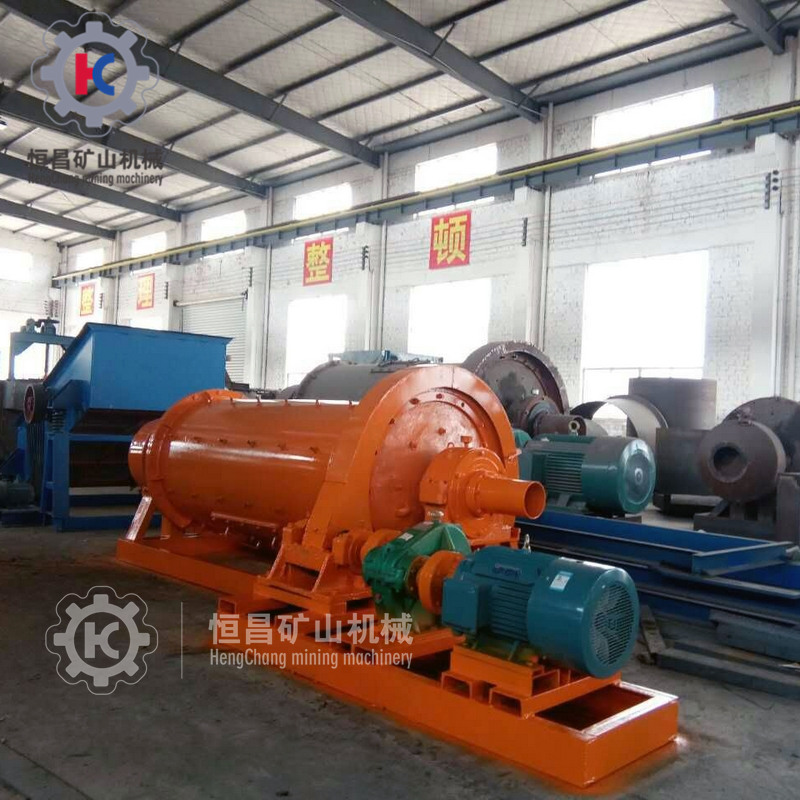
| Grinding (ball mill + classifier) | $400,000 – $1,500,000 |
| Flotation circuit | $200,000 – $800,000 |
| Thickening & filtration | $150,000 – $600,000 |
| Tailings & water systems | $100,000 – $1,000,000+ |
| Electrical & automation | $100,000 – $500,000 |
| Civil works & installation | $300,000 – $1,500,000 |
| Engineering & commissioning | $100,000 – $400,000 |
| Total | $1.5M – $7M+ |
If you add leaching, SX-EW, a tailings dam, or a remote power plant, the number can easily reach $10M–$20M+.
This is why you should never buy a plant based on a generic quote. You need a flowsheet designed around your ore.
OPEX Breakdown: Where the Money Goes Every Day
At 1,000 TPD, small differences in OPEX add up fast. Here’s a typical range for a copper flotation plant:
| Cost Item | Cost per Tonne Ore |
|---|---|
| Power | $3 – $12 |
| Grinding media | $1 – $4 |
| Reagents | $1 – $5 |
| Labor | $1 – $4 |
| Maintenance & parts | $1 – $3 |
| Water & tailings | $0.50 – $2 |
| Total | $8 – $30 |
So at 1,000 tonnes per day, you’re looking at $8,000 to $30,000 per day. That’s $240,000 to $900,000 per month.
The biggest lever? Grinding. Optimize your mill speed, ball charge, and classification, and you can cut power and media costs significantly.
Real-World Cases: Domestic and International
Case 1: Yunnan, China — 1,000 TPD Copper Sulfide Plant
A copper sulfide concentrator in Yunnan processes about 1,000 tonnes per day. The ore is medium-hard with a feed grade around 0.8–1.2% Cu.
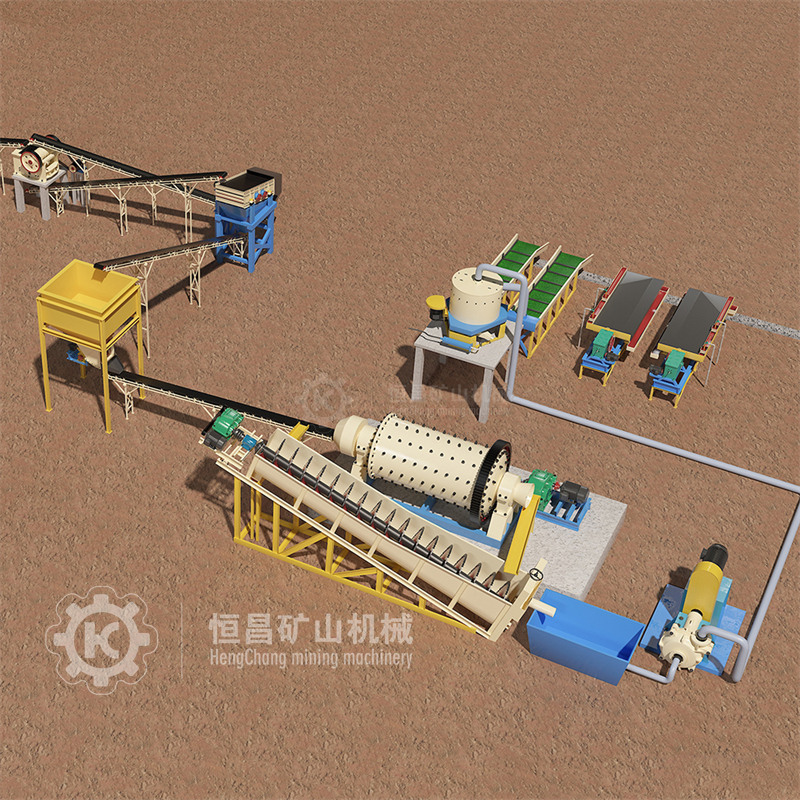
The flowsheet is classic: jaw crusher → cone crusher → ball mill → rougher/scavenger/cleaner flotation. After optimizing grind size to 65–75% passing 200 mesh, copper recovery stabilized around 88–92%, with concentrate grade at 18–22% Cu.
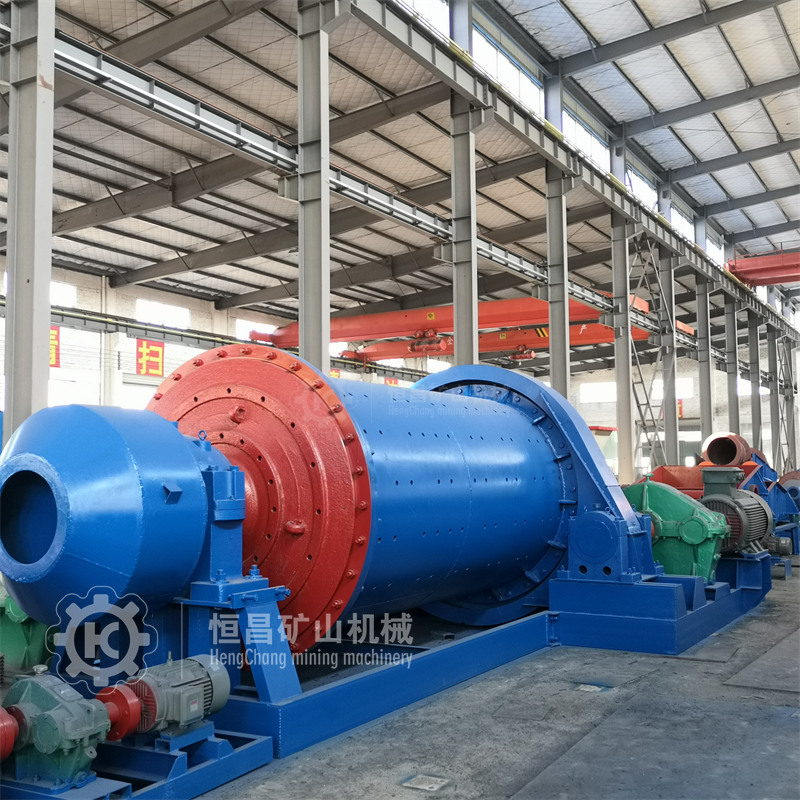
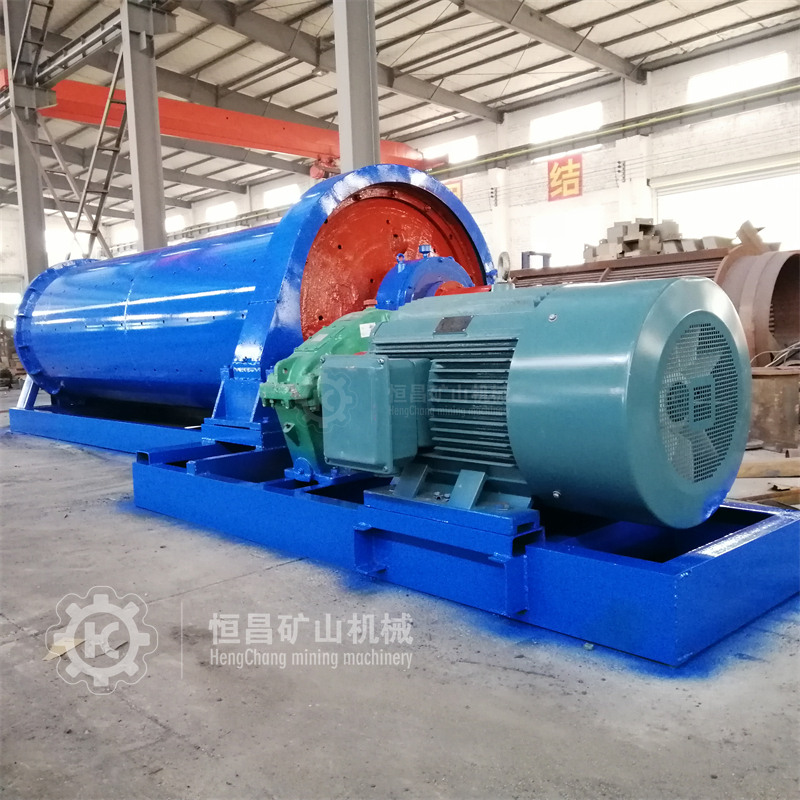
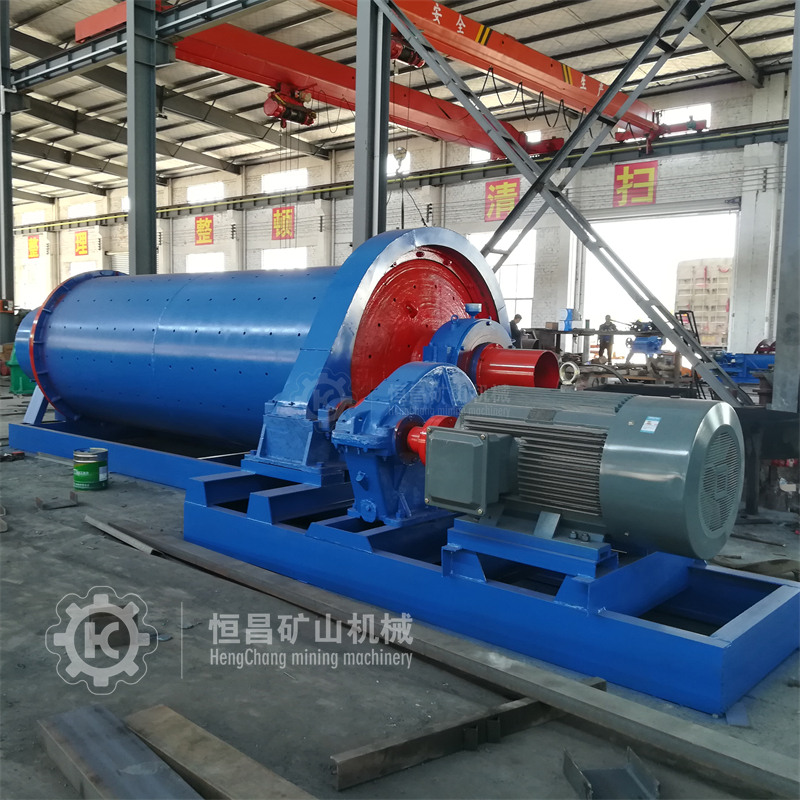
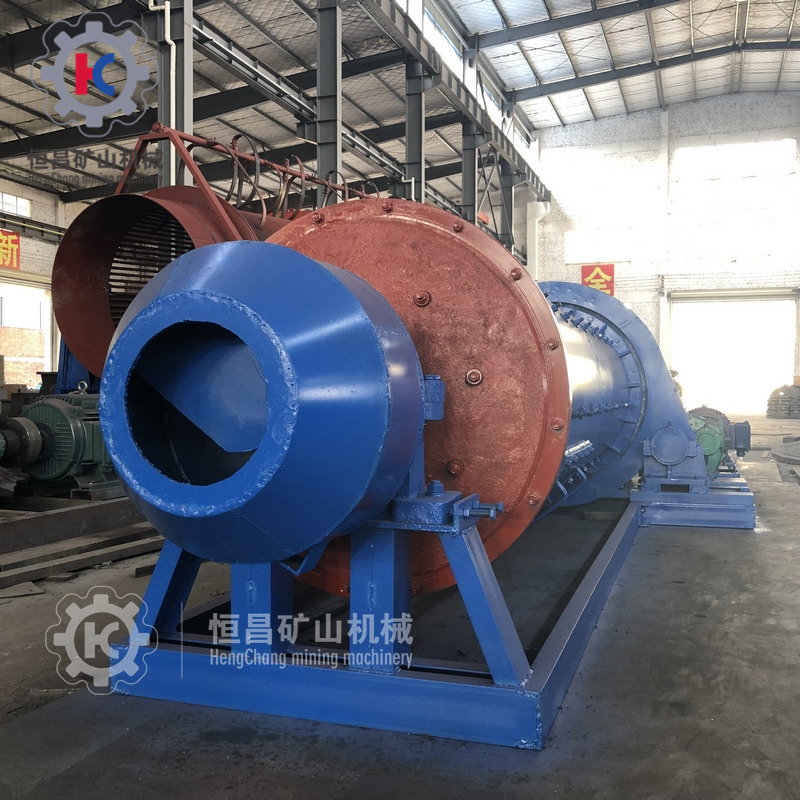
The operator chose Jiangxi Hengchang Mining Machinery Equipment for the ball mill and flotation cells. Why? Local manufacturing kept CAPEX down, spare parts were easy to get, and the equipment matched the duty without over-engineering.
OPEX landed around $12–$16 per tonne, mostly power and grinding media.
Case 2: Zambia Copperbelt — 1,000 TPD Mixed Copper Ore
In Zambia’s Copperbelt, a 1,000 TPD project handled a mix of sulfide and oxide copper ore. The plant used a compact crush-grind-flotation circuit for sulfides and a small acid leach circuit for oxides.
To keep costs under control, the project used modular Chinese equipment. Jiangxi Hengchang supplied crushers, ball mills, and flotation cells as part of the package. The modular design shortened installation time and reduced civil work.
CAPEX for the processing line stayed under $4 million. OPEX was around $15–$20 per tonne, depending on reagent consumption and power availability.
These are typical project profiles, not exact quotes. But they show what’s possible when you match equipment to ore and avoid gold-plated overdesign.
How to Lower Your 1000 TPD Copper Processing Cost
You can’t control everything, but you can control these:
Test your ore first. A proper lab test tells you hardness, grade, liberation, and the right flowsheet. Skipping this step is the most expensive mistake you can make.Don’t oversize equipment. A 1,000 TPD plant doesn’t need a 2,000 TPD mill. Work with a supplier who understands right-sizing.
Go modular where possible. Modular crushing, grinding, and flotation units cut civil work and installation time.
Optimize grinding. It’s your biggest power cost. Use a good classifier and control your feed size.
Train your operators. A well-trained team can improve recovery by 2–5% and reduce downtime.
Plan for maintenance. Keep critical spares on site. A one-week shutdown can cost more than the spare part.
Why Jiangxi Hengchang Mining Machinery Equipment?
If you’re building a 1,000 TPD copper plant, Jiangxi Hengchang Mining Machinery Equipment is a name worth shortlisting.
They manufacture a full line of copper processing equipment: jaw crushers, cone crushers, ball mills, spiral classifiers, flotation cells, jigs, shaking tables, magnetic separators, thickeners, and more. They also help with flowsheet design, equipment selection, installation, and commissioning.
What makes them practical for 1,000 TPD projects? They understand that not every mine needs a mega-plant. They can supply a complete, balanced processing line that fits your budget without cutting corners on the critical parts.
Final Thoughts
The 1000 TPD copper processing cost is not a single number. It’s a range that depends on your ore, your flowsheet, your site, and your equipment choices.
As a rule of thumb:
CAPEX: $1.5M–$15M+OPEX: $8–$30 per tonne
Daily cost: $8,000–$30,000
If you want a real number, start with an ore test and a proper flowsheet design. Then talk to a supplier who can give you a detailed quote.
Jiangxi Hengchang Mining Machinery Equipment is a solid place to start. Send them your ore report, tell them your target capacity, and ask for a 1,000 TPD copper processing plant proposal. That’s how you turn a vague budget into a bankable plan.